

Since last year, our company has been using the marketing automation tool “Eloqua” provided by Oracle Japan.
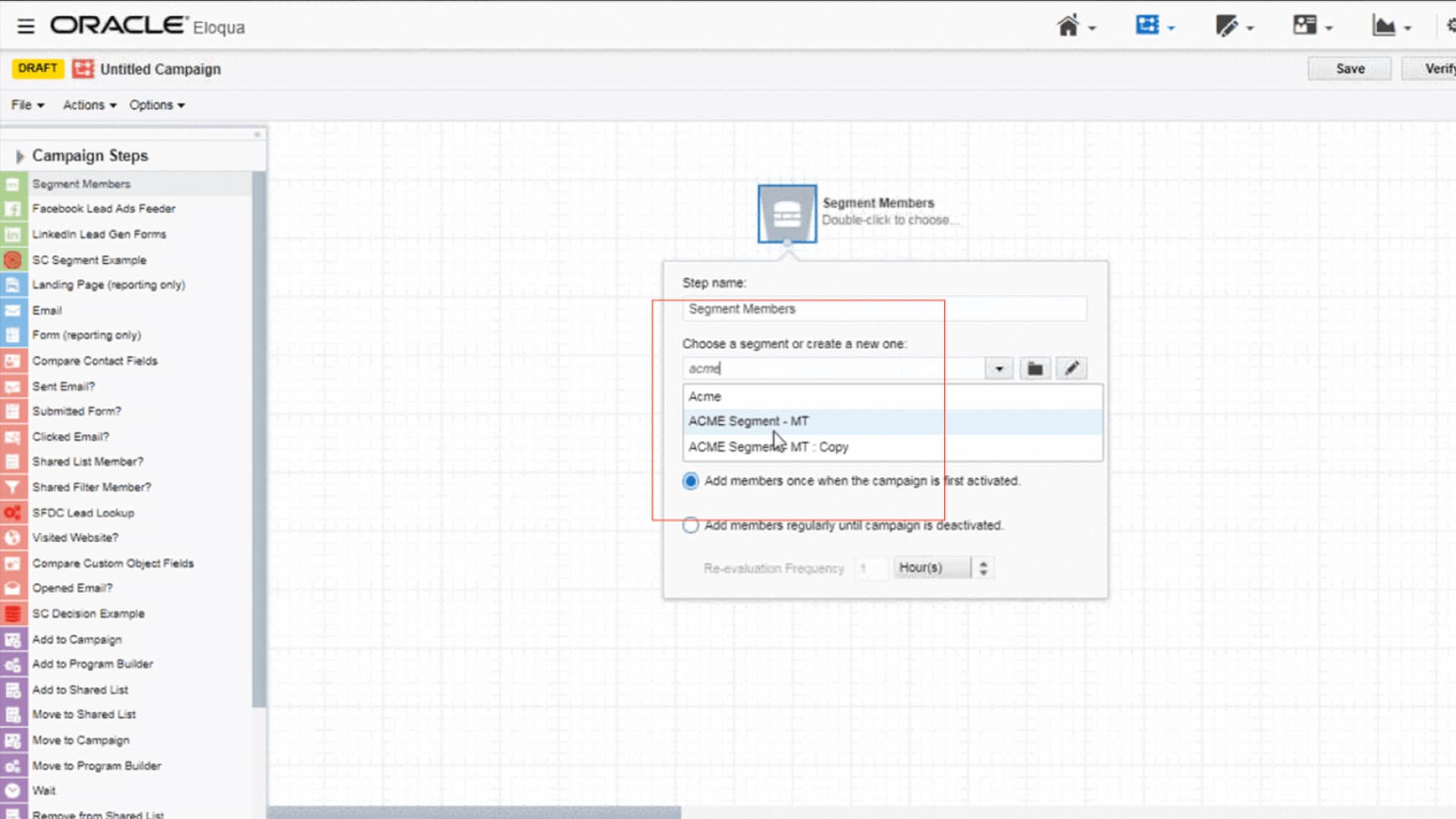
This time, I will look back on the first year of implementing Eloqua and write my honest impressions after using Eloqua.
We hope this will help you consider
marketing automation
(hereinafter referred to as MA) tools.
Purpose of using MA
At our company, MA is mainly used for lead nurturing to house lists.
As part of lead nurturing, we release new services and solutions and provide useful content.
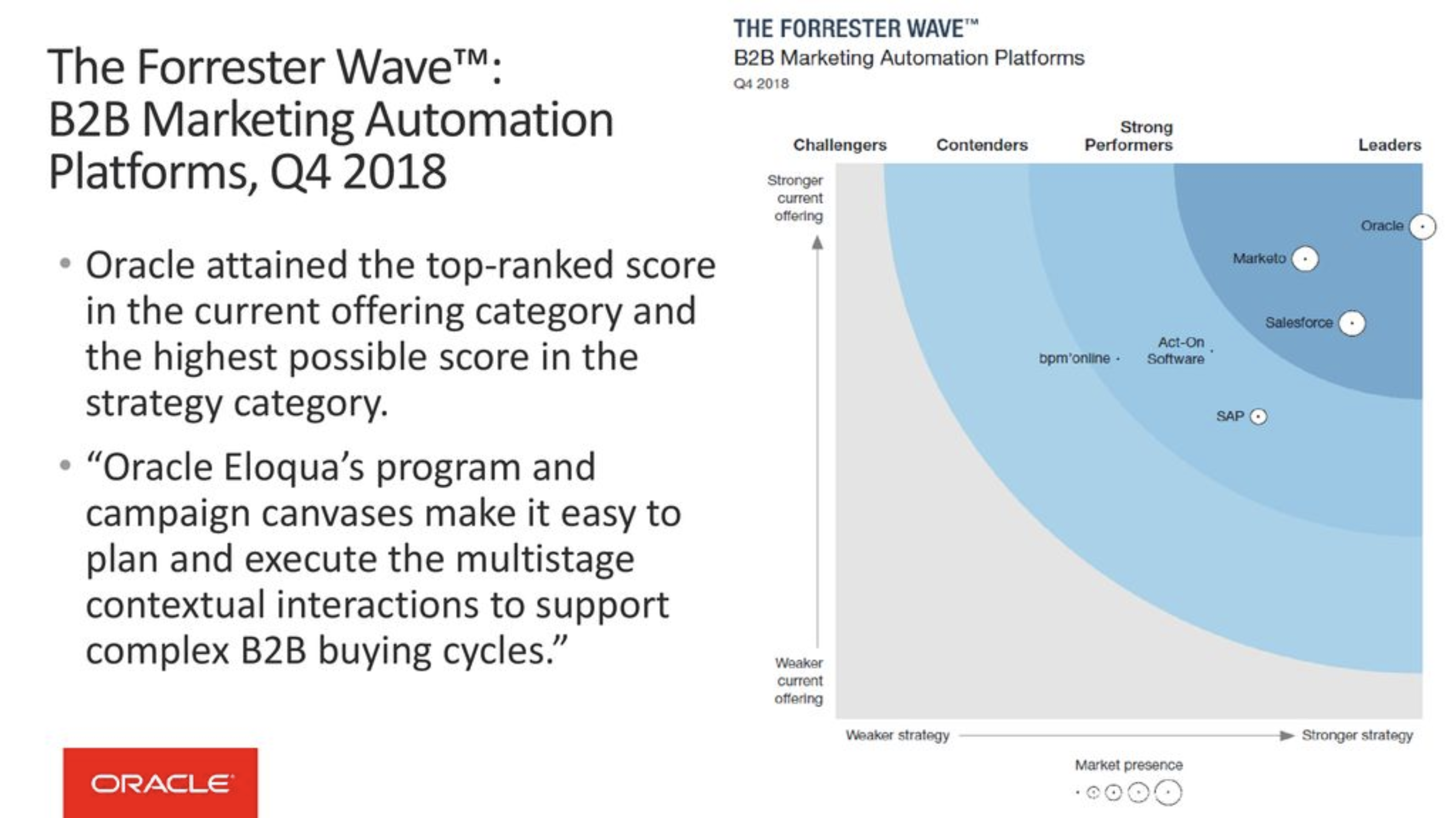
The decision to use Eloqua was due to cost, but also because of its ease of use and scalability.

Initiatives and results
The main features I used were simple email distribution, step emails, forms, segments, and lead scoring.
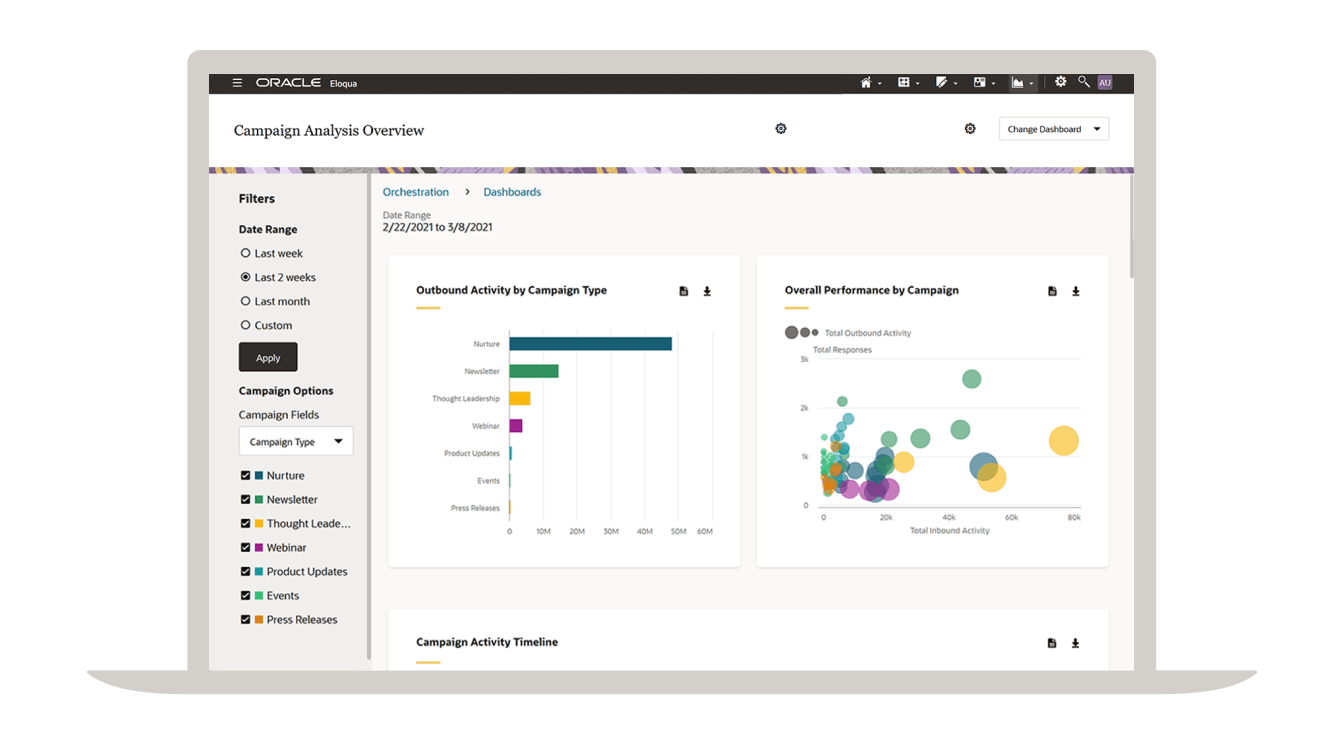
We used dashboards and insights to measure effectiveness.
Utilizing these functions, we conduct bulk email distribution, AB testing, segment email distribution, post-inquiry step emails, inside sales collaboration with scoring, and surveys using forms.
As a result, 10% of all web inquiries were made through MA.
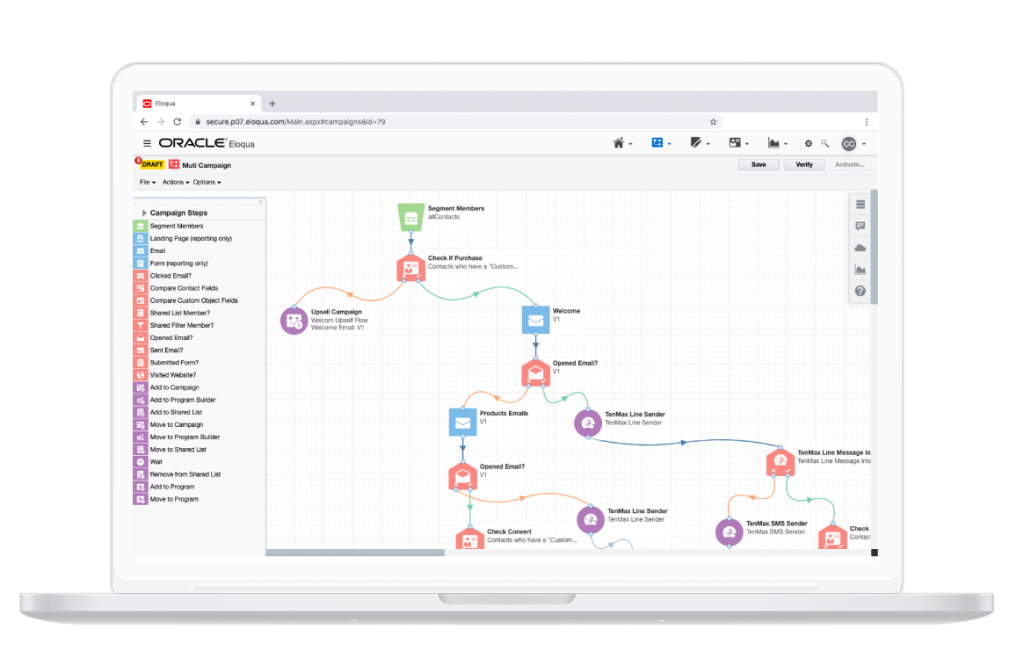
We have also succeeded in attracting more customers to our own sites, understanding customer web activity, and reducing the time it takes to create
HTML
emails.

Impressions after actually using it
I actually used Eloqua and it met my expectations in terms of ease of use.
HTML emails can be created visually and intuitively even if you don’t know how to code, and you can easily perform AB tests.
You can understand the status of the contacts you want to know by using the segment function.
The form function allows us to conduct surveys and have two-way communication, so we were very satisfied with the usability.

What I particularly liked was the level of customer support.
Over the course of a year, I contacted them about all kinds of things, and the customer support staff was extremely helpful, teaching me many times until I understood even the basics, and helping me with technically difficult settings on my behalf.
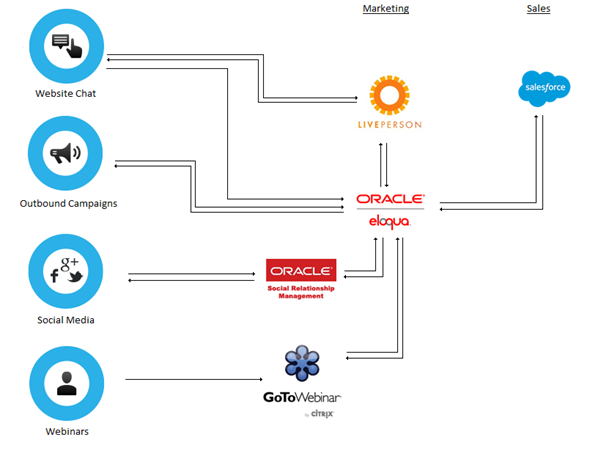
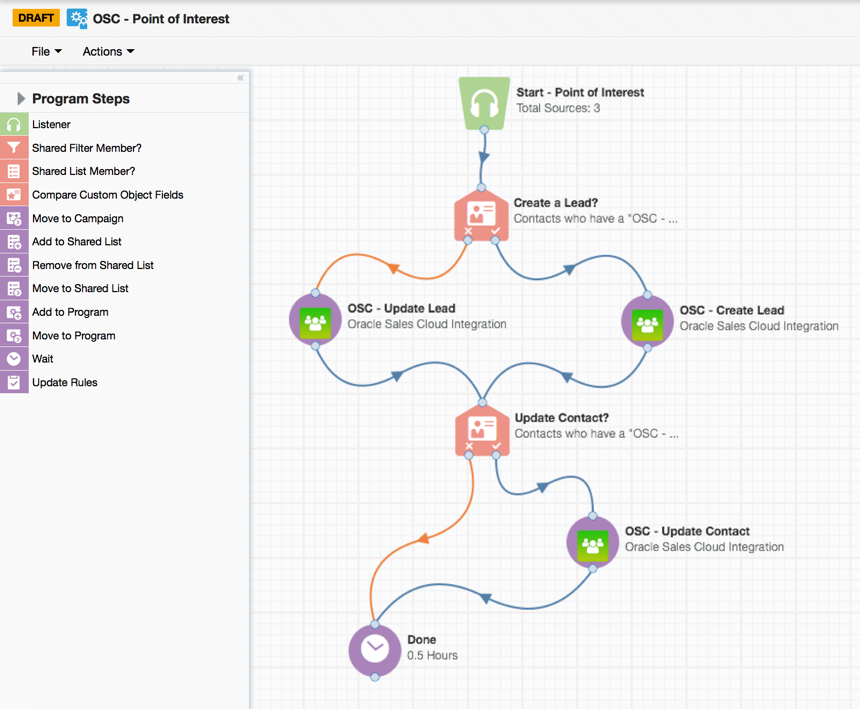
On the other hand, the part I found difficult to use was the link with Salesforce (SFA).
There were issues such as the number of inactive days in Salesforce not being linked on Eloqua’s side, and emails sent individually by sales members in Eloqua not being reflected in the activity history on Salesforce’s side.
Although we initially aimed for seamless collaboration with sales activities, we sometimes felt that it was difficult to achieve this.

Scoring differs from other companies in that it is not a point-based system, but instead is a 16-box segment based on certain conditions being met.As a result, the scoring evaluation is based on points rather than lines, so we are considering how to use it more effectively. It took a while.
Customer support is prompt and provides excellent support, but surprisingly, domestic user meetings are not held frequently.
There is an online community, but because it’s global, everything is written in English, and I’m not very literate so I find it quite difficult to get into it.
For the second year of introduction
In the second year of its introduction, we plan to further expand its use and increase marketing effectiveness.
First of all, we would like to review the scoring criteria to improve accuracy, increase opportunities to use step emails and segment distribution, and provide content that is in line with customers’ marketing issues.
In addition, I would like to strengthen collaboration with inside sales and maintain detailed communication both online and offline.