

When a company asks you to create a proposal for the first time, or a business partner asks you to create a proposal, many people may not know where to start. Also, many people don’t know what a proposal is or what they should write in the first place.
Therefore, in this article, we will explain the outline of a proposal, the purpose of creating it, and the difference between it and a proposal. Also, in the second half of the article, we will introduce the steps to take when writing a proposal, so please refer to it.
What is a proposal?
A proposal is a document that details a particular idea, project, or proposal and communicates the value and feasibility of the project to others. The main purpose of writing a proposal is to gain understanding of the project you are about to undertake or have already begun. A proposal typically includes the following information:
Proposals are used in a wide variety of situations, including businesses, non-profit organizations, and government agencies. In any case, the basic purpose is to gain understanding of the project, raise funds, and obtain support for the project.
Difference between proposal and proposal
Although proposals and proposals are similar, they are different documents. The main difference between a proposal and a proposal is that a proposal describes an idea for starting something new and gathers support for the project. Specifically, it focuses on the outline and background of the project and is created for the purpose of obtaining approval from a third party.
A proposal, on the other hand, is a document that proposes a specific solution to an existing problem. The purpose is to reach agreements, primarily focusing on contract acquisition and project execution.
Although a proposal and a proposal are different, some companies treat them as the same document. For example, a proposal is a communication based on a new idea that you are planning to create, but there are also cases where a proposal is used to propose improvements to an existing project.
Therefore, if you are tasked with creating a proposal within your company, be sure to sort out what the proposal is for, and make sure that the purpose of the proposal matches that of the client before proceeding with the creation.
Purpose of proposal
So far, we have explained the outline of a proposal and how it differs from a proposal, but let’s clarify the specific purpose of creating a proposal. In many cases, they are created with the following three purposes in mind.
Proposals created when starting a new business within a company will typically fall into one of the above two categories. On the other hand, proposals prepared for external third parties have a strong purpose of receiving funding, so they often fall under the third category.
I will explain the details later, but if you do not understand who you are writing the proposal for, no matter how good the proposal is, it will end up not being able to convey the message. Therefore, make sure to organize the target and purpose of reading the proposal.
Types of proposals
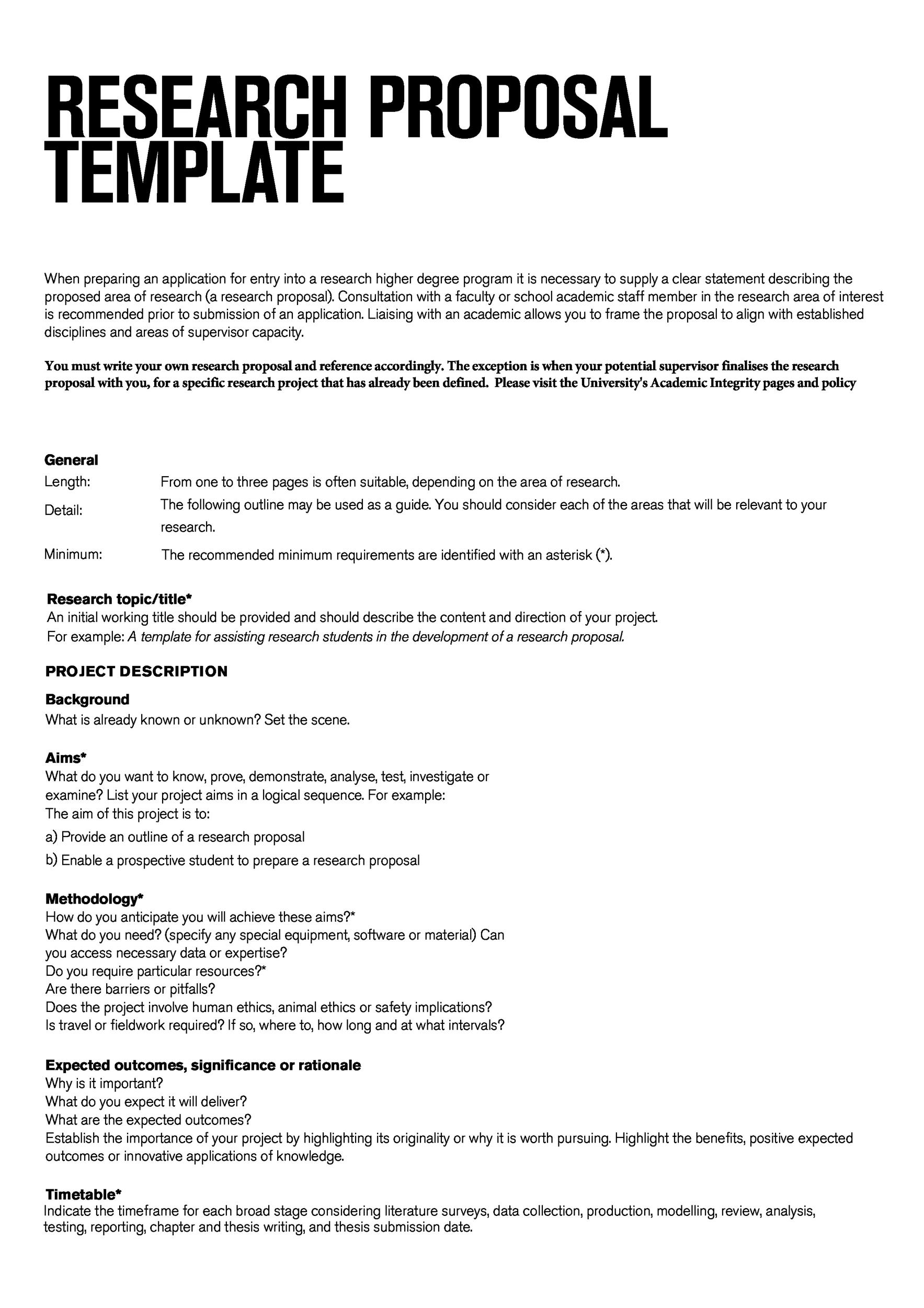
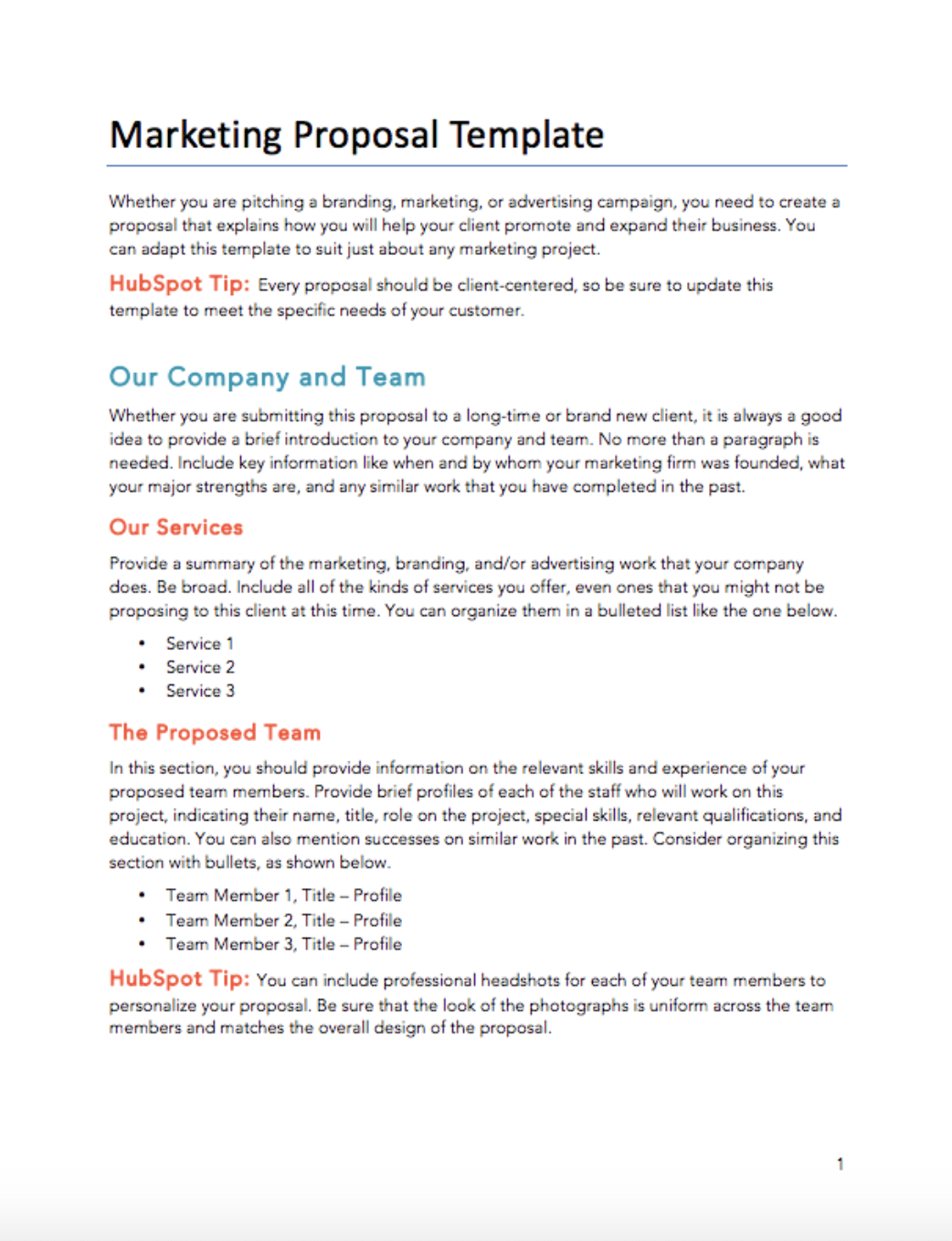
There are various types of proposals, and they differ depending on the content and purpose. The main types of planning documents are as follows.
Let’s look at each in turn.

Recruitment type
A solicitation proposal is a proposal used to raise funds from external funders and investors. It is created with the aim of emphasizing and communicating the attractiveness and profitability of the project, and is created in order to gather third parties who will agree with it.

Non-recruitment type
Unsolicited proposals are used to propose new projects and ideas within an organization to internal management and stakeholders. Demonstrating strategic importance is important.
informal type
Informal proposals are used to share an overview of a project or idea with colleagues and team members. Therefore, the difficulty of creating a proposal may be low because it is not created on a large scale for a third party.
However, there are cases where informal proposals are used as internal manuals, so it is important that the proposal is easy to understand for anyone.
Update type
Update proposals are used to report on the progress and results of existing projects. The main purpose is to demonstrate transparency within the organization. Also, since the updated proposal is to be submitted to the client, make sure that the content matches the client’s literacy level.

Continuous type
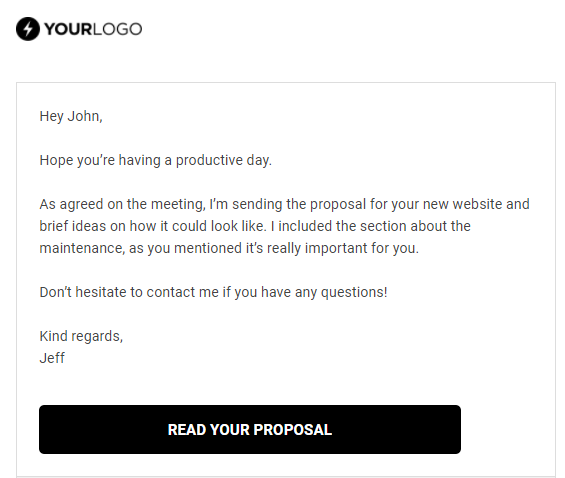
A continuous proposal is a proposal used to secure periodically required funds (running costs) and resources. It is suitable for continuing a specific project or program for a long period of time, and should be created when you run out of funds in the medium to long term, or when you want to raise more funds and step on the accelerator.
supplementary type
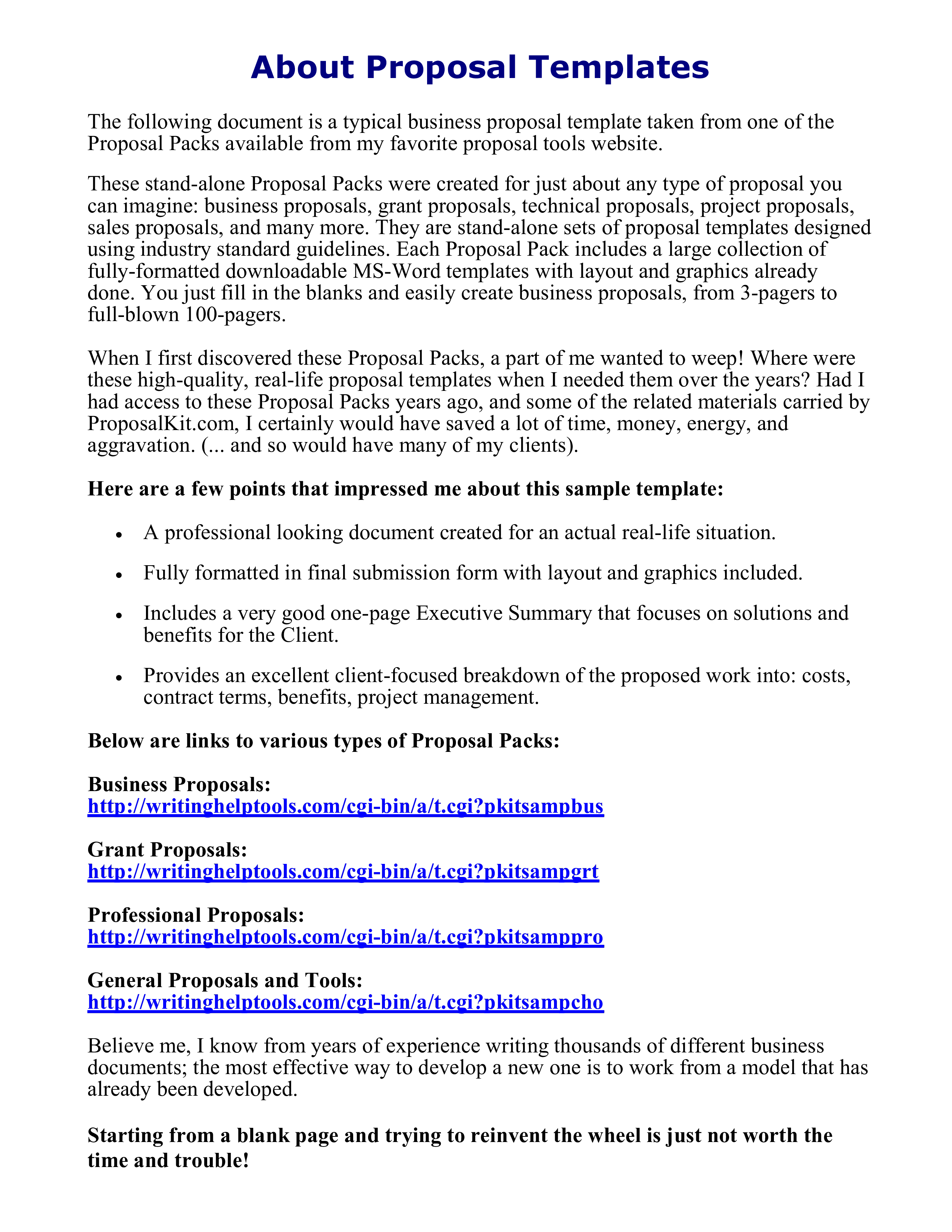
A supplementary proposal is a proposal that is used in conjunction with other documents or presentations. Since its main role is to provide detailed information and data and supplement other materials, it is generally not possible to rely on a single supplementary proposal.
How to write a proposal
So far, we have explained the outline and types of planning documents. From here, I will explain how to write a proposal in six steps.
Let’s look at each step in turn.
Step 1: Write the summary
At the beginning of the proposal, write a summary of the project. The summary gives the reader an understanding of the project as a whole. Your summary should include the following elements:
It is also important to organize the target readership according to the type of proposal at the time of the summary. If you create a summary that matches the literacy level of your target audience, the content will be easy to understand from the moment you start reading the proposal, increasing the likelihood that subsequent steps will be communicated.
Step 2: Explain the background of the project
Next, let’s explain the background of the project. Providing context for your project is an important part of helping people understand why this project is needed and what impact it will have. When explaining the background of your project, consider the following points:
Please note that this will vary depending on the background and case of the project, so be flexible in changing it depending on the type of proposal.
Step 3: Propose a solution
Next, we will explain the solution for your project in detail. It is important that your solution includes the following elements:
In particular, the description of the second merit and benefit is very important. Be sure to specifically describe possible factors, such as how launching a project will increase your company’s sales or increase your influence.
Step 4: Goal setting
Next, let’s set goals for the project. When setting goals, it’s important to make them measurable. Examples include increased sales, increased leads, reduced labor costs, and increased customer satisfaction.
It is also important to set a time frame for achieving your goals. In addition, by setting goals that can be achieved in the short term and goals that can be achieved in the medium to long term, it will be easier to receive evaluations from third parties.
Step 5: Identifying the necessary elements
Next, let’s identify the elements needed to execute the project. Examples include budget, human resources, required skills, and various tools. It is also important to provide the budget required to secure these necessary elements.
Furthermore, if you do not have the necessary elements at the moment, be sure to state how you will secure the necessary elements and by when you will be able to secure them.
Step 6: Presenting the conclusion
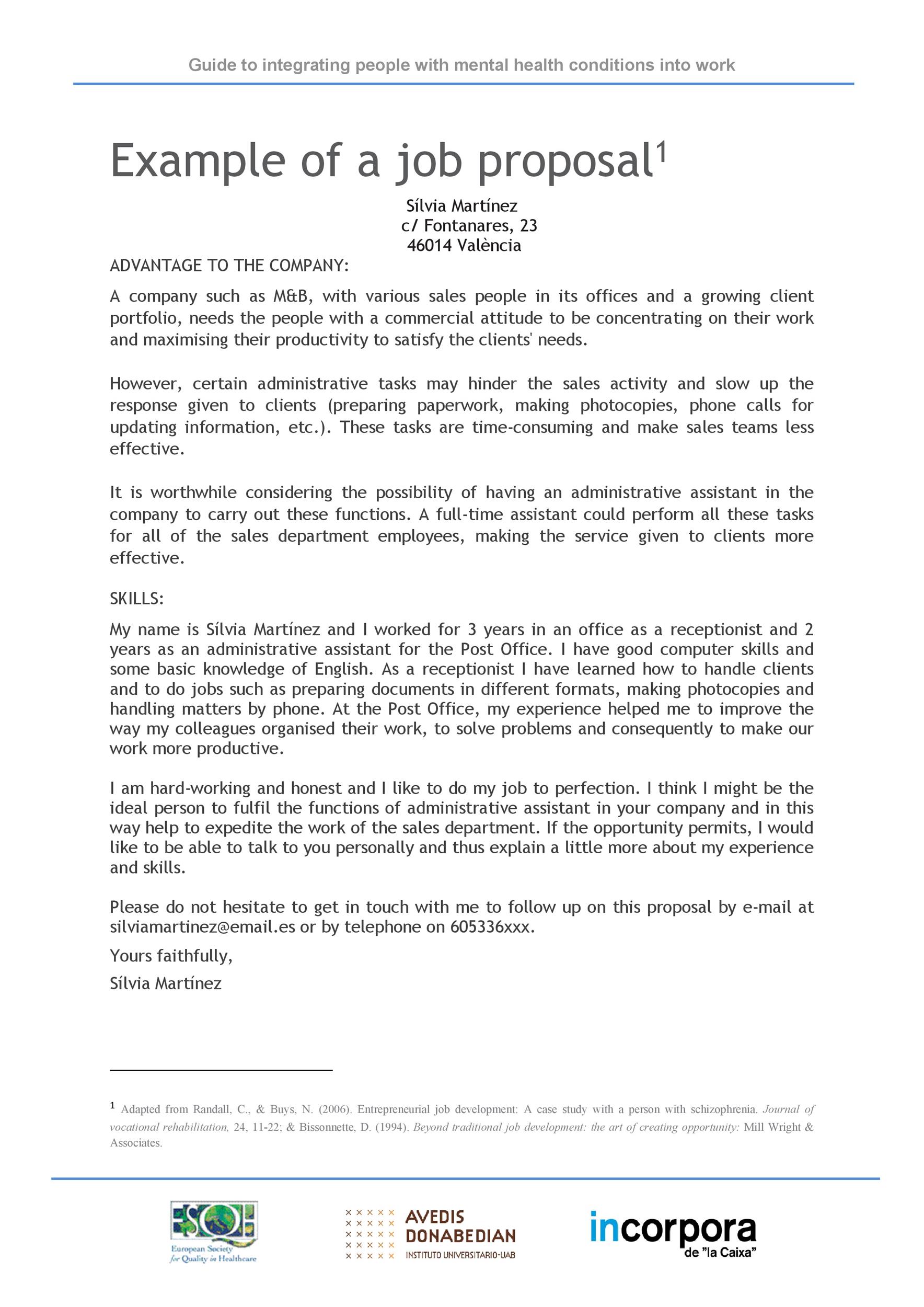
It is important to include a summary and conclusion at the end of your proposal. The purpose is to remind the reader of the project’s importance and prospects for success, and to emphasize once again why this project is important and how it will be carried out.
Also, let them know your latest action plan and how you plan to proceed with the project.
summary
In this article, we have thoroughly explained how to write a business proposal. A proposal is an important document for communicating new ideas and projects to third parties and gaining their support.
In order to create a proposal that is well understood, it is important to convey information in an easy-to-understand manner by following the steps in this article. First of all, why not start by understanding the types of proposals using this article as a reference, and then proceed to create a proposal according to your purpose.