


Criteo, a global technology company that provides reliable and highly effective advertising to marketers around the world, published a research report on the changes in mobile app usage due to the spread of the new coronavirus infection (COVID-19) in September 2020. It was announced on the 23rd. The survey period is from May 12th to May 18th, 2020. Responses were received from 1,003 men and women aged 18 and over in Japan.
This survey revealed the trends of app users during the coronavirus pandemic.
*About the definition of each generation:
Generation Z: Born after 1994 (under 26 years old), Millennials: Born between 1981-1994 (26-39 years old), Generation X: Born 1965-1980 (40-55 years old), Baby Boomers: 1946-1964 Silent generation: Born before 1945 (age 75 and older)
Reference source: Criteo releases app user trend survey report during the coronavirus pandemic
“Retail shopping” is an app whose usage has increased during the coronavirus pandemic
First, when asked about the category of apps whose usage has increased due to the spread of coronavirus infection, “retail shopping” was the most popular at 33%. It was found that one-third of app users are increasing their use of shopping apps. “Games” and “News” came next at 29%, tied for second place, followed by “Video Streaming” at 28%. This kind of data has come as a result of people spending more time at home amid people refraining from going out.
Reference source: Criteo releases app user trend survey report during the coronavirus pandemic
Word of mouth and targeted advertising are the driving forces behind mobile app installations.
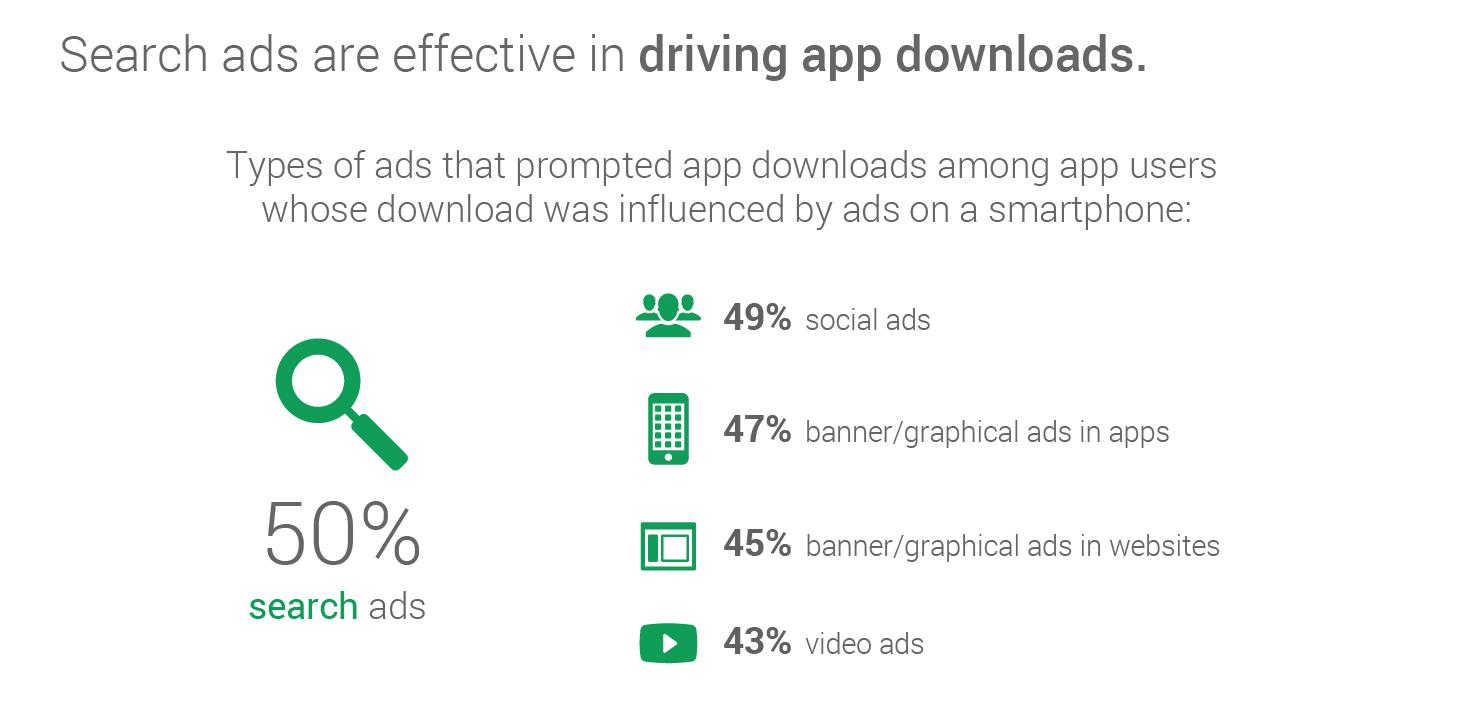
Next, when asked about the reason for installing an app, 37% said “word of mouth (recommendations from friends, family, colleagues).” “New Apps section of the app store” was followed by 28%, followed by “via a mobile website” at 27%. It was also found that 46% of respondents installed an app because of an “advertisement on SNS,” “TV commercial,” or “advertisement related to them that was displayed in another app.”
It has been revealed that app users install mobile apps based on word of mouth and targeted advertising.

Reference source: Criteo releases app user trend survey report during the coronavirus pandemic

Younger generations prefer in-app purchases, while older generations prefer free apps.
Let’s take a look at the usage status of mobile apps. Results are presented for each app: shopping apps, entertainment apps, and utility apps, but common results were obtained for all apps.
Generation Z and Millennials are more likely to use free apps but require some form of payment within the app (including upgrades, game benefits, etc.) and paid apps than Generation X and Baby Boomers and Silent Generations. . On the other hand, Gen
It became clear that the younger the generation, the more likely they are to make in-app purchases, and the older the generation, the more they prefer free apps.

Reference source: Criteo releases app user trend survey report during the coronavirus pandemic
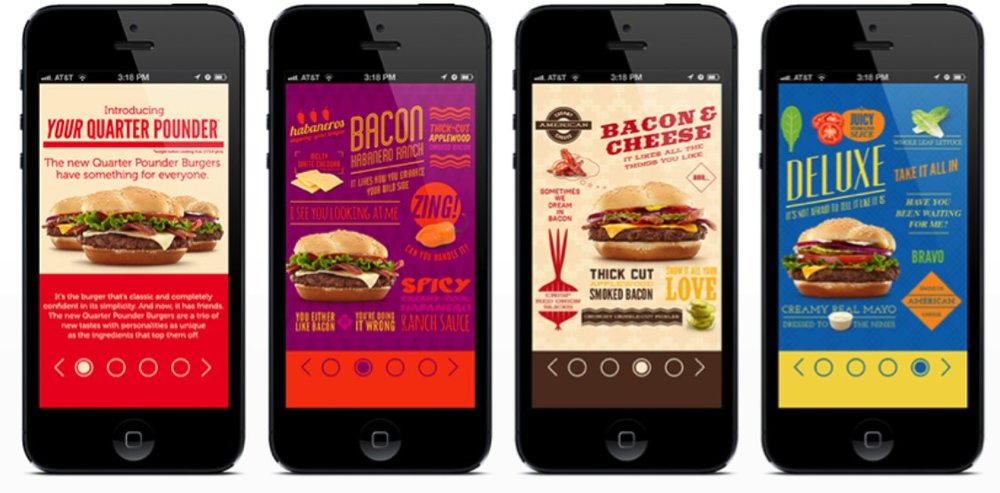
36% of all users are positive about ads in free apps
Next, let’s take a look at the display of advertisements in free apps. When asked if they don’t mind seeing ads in apps that provide free content (music, games, videos, etc.), 36% of users answered “strongly agree” or “somewhat agree.” It was found that one-third of users are positive about ads being displayed in free apps.
By generation, Generation Z and Premium generation had the highest percentage at 41%, followed by Generation X at 38%, and Baby Boomer and Silent Generation at 27%, decreasing as the generation gets older.
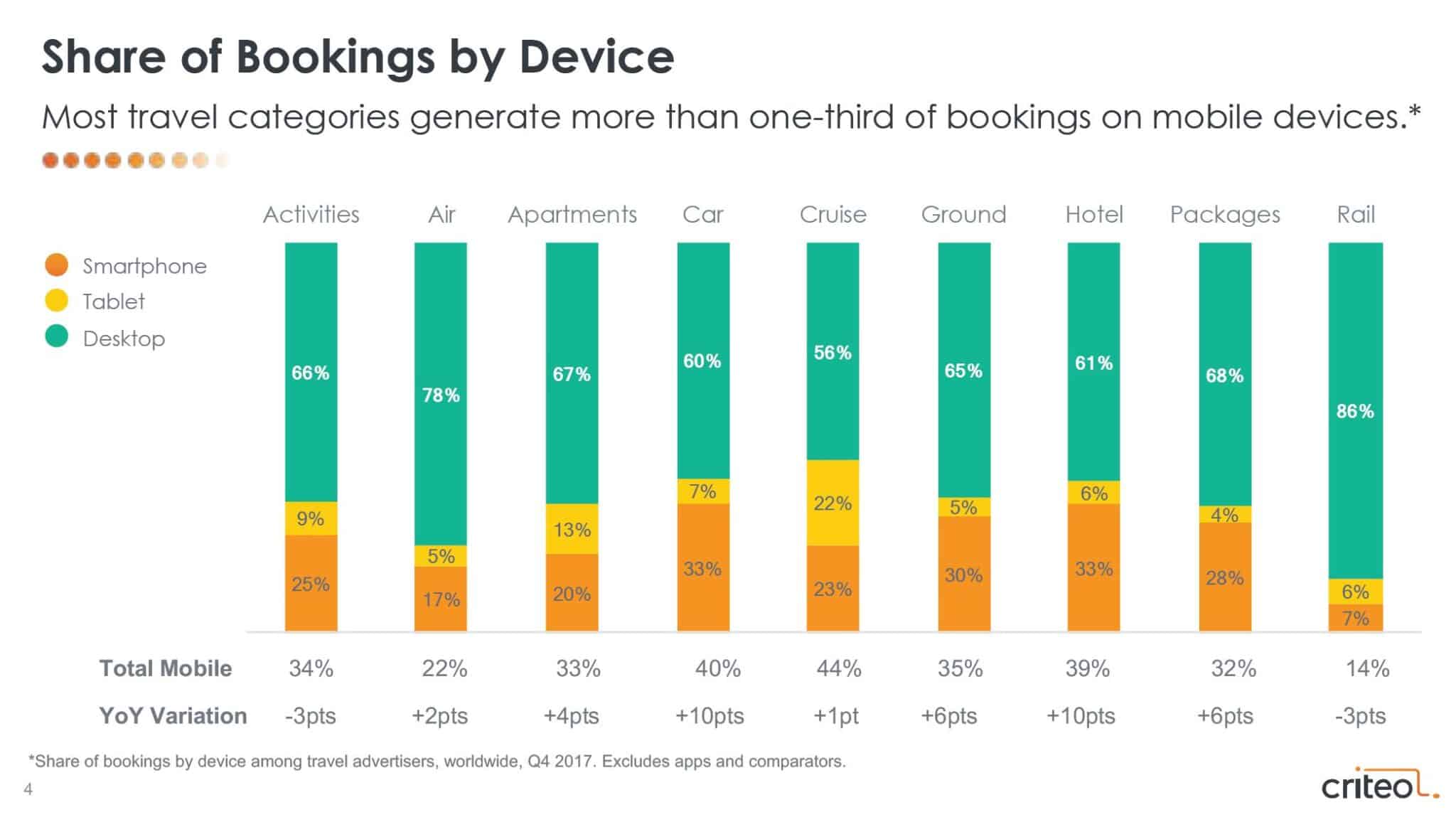
Reference source: Criteo releases app user trend survey report during the coronavirus pandemic
This research revealed that word-of-mouth and targeted advertising are the triggers for mobile app installations. Additionally, impressions of advertisements in free apps and in-app billing trends by generation were also revealed. We hope that the results of this survey will be useful for branding your own mobile apps and expanding your user base.
Reference source: Criteo releases app user trend survey report during the coronavirus pandemic