

The term conversion (CV) is often used in web marketing. However, conversion has several meanings and appropriate uses. We will explain in detail the definitions you need to know when using conversions.
What is conversion (CV)?
(CV) is an English word that refers to transformation, change, or change. In
web marketing
, it is often used to mean “results”. This represents the extent to which the costs spent on a measure lead to results, and is used as an important indicator to measure “cost effectiveness.”
What does conversion mean?
Conversion refers to more than just the final conversion (CV). Depending on the operational purpose of web marketing, conversion refers to the following results.
- Increase in number of visits to websites, etc.
- Converting visitors to potential customers
- Convert prospects to customers
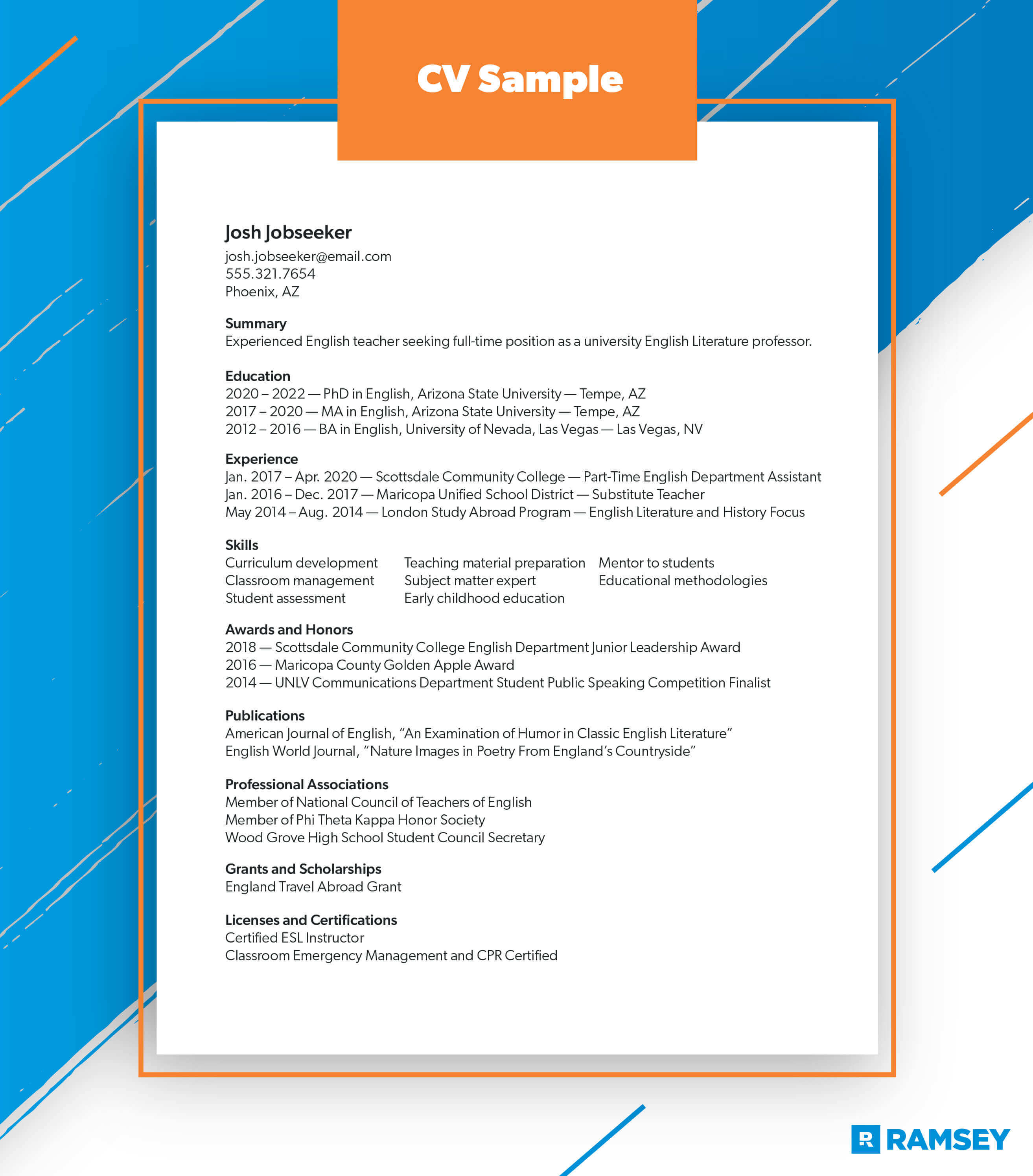
Things you need to know to understand conversion (CV)
Here are the terms you need to know to understand conversions and properly analyze your data.
| term | explanation |
| Number of visits | The number of visits made by users to websites that take actions that bring them closer to conversion (CV). Number of accesses. |
| number of conversions | Number of users achieving the conversion (CV) required by web marketing |
| Conversion rate (CVR) | The ratio of conversions (CV) to visits. Conversion rate. |
| CPC (Cost Per Click) | The cost incurred per click on an Internet advertisement. Cost per click. |
| CPA (Cost Per Acquisition) | Cost incurred to obtain one conversion |

Definition of conversion (CV)
Conversion is a phrase that is frequently used in digital marketing, but the data that is extracted changes depending on the style and nature of the site to which it is applied. First, let’s understand the definition of conversion.
Definition of conversion (CV) by site
The definition of what constitutes a conversion varies depending on the type of website. Conversion is a measurement of the number of customers or users who land at a set final destination, so you must set conversions depending on the content you provide, such as product sales, services, events, lectures, etc.
| Website | Expected conversion |
| EC site | Number of products purchased, membership registration, email newsletter subscription, adding products to cart |
| Product/service introduction site | Number of inquiries or requests for materials, reservation of demo, start of free trial (number of downloads if downloadable materials are available on the site) |
| Community/information distribution site | Number of member registrations or email newsletter registrations |
| social media | Like and follow pages, comment on posts, click on advertisements, announce participation in events, follow, repost, reply to tweets, click on links |
| External media | Submit a contact form, register for a webinar, download a whitepaper, or request a demo |
On e-commerce sites, conversions are the number of products and services purchased through the site. For websites that introduce products and services, conversions are the number of inquiries and requests for materials (or downloads). In addition, for browsing-type content sites such as information distribution sites, conversions are the number of membership registrations and e-mail newsletter registrations.
Key points when defining conversion (CV)
In web marketing, it is common to define not only the final conversion (CV), but also multiple intermediate conversions (CV) along the way. By having multiple channels, you can understand when users who did not reach the final conversion leave, which will lead to the discovery of issues. Below is an example of defining a conversion.
| Conversion definition | Application to analyze |
| 1. Number of visits from advertisement to website (intermediate conversion 1) | Used to find out the compatibility between advertising media and advertisements, and discover issues with the advertisements used. |
| 2. Converting visitors to potential customers (intermediate conversion 2) | Used to analyze the compatibility between the attributes of users who visited via advertisements and the website, and to discover issues with the website. |
| 3. Conversion from prospect to customer (final conversion) | Used to consider how to approach potential customers and measures that will lead to conversion. |

Conversion (CV) types
Conversions are divided into several types depending on the definition you set, the landing point, and the “information” you want to get from the conversion. We will explain each type in detail below.
unique conversion
Unique conversions are the number of conversions per user. With unique conversions, even if the same user visits your site or purchases a product multiple times, it only counts as 1. Therefore, unique conversions can be used as a reference indicator to understand the number of new users acquired over a certain period of time.
total conversion
Total conversions are the total number of times an action with a conversion setting is performed. If the final conversion is a purchase, if the same user purchases multiple items, all items will be counted as conversions. Because it represents the number of people who ultimately converted, rather than the actual number of users, it is advantageous for analyzing overall sales and results.
direct conversion
A direct conversion is when a user visits a website via an advertisement and converts without leaving the website. This is an important indicator to know whether or not the effectiveness of the posted advertisements directly led to results.
indirect conversion
Indirect conversion is when a user enters a site via an ad, leaves the site, visits the site again, and converts. Indirect conversions provide insight into the reasons and motivations behind the process a user took to reach their final destination. By conducting active interviews based on these conversions, you can understand more detailed user attributes.
click-through conversion
This is when a user clicks on an ad, visits your website, and then converts. For a certain period of time, even if a user leaves the site, it will eventually lead to a conversion and be counted as a success.
view-through conversion
A view-through conversion is when a user is shown an ad but does not click on it, but then visits the website via natural search and converts. View-through conversions provide clues to the indirect effects of displayed displays and advertisements.

The importance of conversion rate (CVR)
Conversion rate (CVR) is an important metric for determining the final results of your marketing efforts. In web marketing, this information is as important as the number of customers and repeat rate. For example, a web page that receives a lot of access but has a low conversion rate may have problems with its content or poor UI. Measuring effectiveness based on conversion rate makes it easier to find weaknesses in your site and helps you improve it.
Average conversion rate (CVR)
The average conversion rate for most websites is 1-2%. However, average conversion rates vary by industry and product. The average values by major industry are as follows.
| industry | Average conversion rate |
| All industries | 1.82% |
| groceries | 5.0% |
| beauty products | 3.2% |
| apparel | 2.6% |
| trip | 2.4% |
| home appliances | 1.2% |
| financial services | 1.0% |
| luxury goods | 0.8% |
| communication | 0.7% |
| BtoB | 0.6% |
| car | 0.4% |
| energy | 0.0% |
Reference:
Contentsquare “2021 Digital Experience Benchmarks by Industry”
Possible causes when conversion rate (CVR) does not increase
There are three reasons why your conversion rate may not increase:
1. Target is not clear
2. Inappropriate conductor design
3. High conversion hurdles
Let’s understand the factors that hinder increase in conversion rate so that we can lead to the desired results.
target is not clear
If your conversion rate is not increasing as expected, there are many cases where there is a problem with your targeting. For example, if your target audience is men, but most of the users visiting your web page are women, it will be difficult to convert.
Furthermore, even if the target group of users visits your web page, it will be difficult to achieve results unless you create content that reflects the customer’s emotions. In order to increase the conversion rate, it is necessary to perform
targeting
, clearly define the target, and devise ways to keep the customer’s concerns and the content apart.
Improper conductor design
Problems with conductor design can also be cited as a factor that does not increase conversion rates. Sites that are poorly structured and require time and effort to search for information are likely to cause users to leave and not convert. In order to lead users to conversion, it is important to design a path that is easy for users to understand.
Conversion hurdles are high
High conversion hurdles are also one of the factors that prevents conversion rates from increasing. For example, if you want to encourage users to inquire about a product, you need to be careful when designing the input form. If there are too many items to enter or the meaning of the questions is difficult, it will be a burden for the user and they may quit midway through the process.
If your conversion rate isn’t increasing, you should reevaluate the process your users take to convert and see if it’s easy for them.
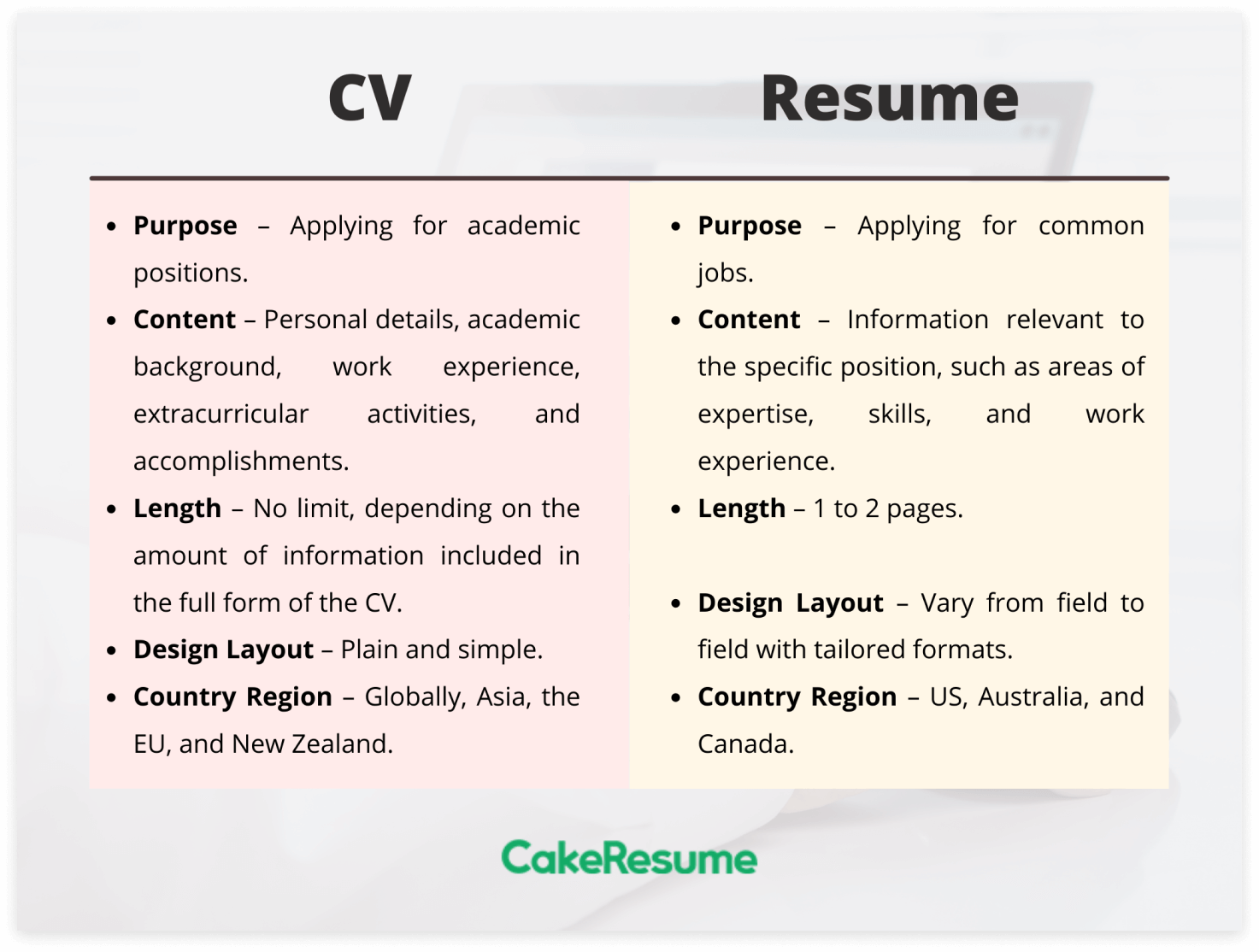
How to increase your conversion rate
There are three ways to increase your conversion rate:
1. Improved first view
2. Change the design and placement of the CTA button
3. Video content placement
Improved first view
Improving your first view is an effective way to increase your conversion rate. First view is the area that is visible without scrolling when you open a web page. The first view is important because it is the first thing a user sees and determines whether or not to read further.
If you can’t capture the user’s attention in the first view, they will likely leave your site and not convert. If you want to increase your conversion rate, it is important to include the necessary information on the home page and create an effective first view.
Change the design and placement of the CTA button
To improve your conversion rate, you should also be particular about the design and placement of your CTA button. A CTA button is an image or text that prompts a user to take a specific action, such as a purchase button or inquiry button.
The design and placement of your CTA button has a huge impact on your conversion rate. If you make it visually noticeable or include a message with a high degree of urgency, such as “Limited Quantity”, it will be easier to encourage users to take action. It is also effective to increase the number of times the CTA button appears, such as by placing the CTA button in the first view or in the middle of the content.
Video content placement
In order to increase the conversion rate, we also recommend placing video content. Including video content on a web page can have the effect of increasing the amount of time users spend on the page. Additionally, since it can convey more information in a shorter amount of time than text, it will be easier to guide users to inquiries and applications. By placing a CTA button near the video content, you can convert directly from watching the video.

What is Conversion Rate Optimization (CRO)?
Conversion rate optimization (CRO) is a measure to increase conversion rate and optimize the number of goals. Optimization measures for a website vary depending on how the user reaches the final conversion. A major objective of CRO is to identify areas for improvement from various perspectives, such as UI, landing pages, guidance methods, content content and quantity, etc., and connect them to profit margins.
The importance of measuring conversions
Conversion measurement is an important indicator for measuring marketing results. By quantitatively measuring conversions, you can understand things like the path users take to convert and the number of people who convert from a landing page. For example, knowing which search keywords are likely to convert will help you select future keywords.
In order to understand current issues and come up with effective improvement measures, it is important to numerically analyze the results of the marketing measures you have implemented.
How to measure conversions
Conversions can be measured in two ways:
1. Use Google Analytics
2. Utilize Google Ads conversion tags
Use tools to measure conversions and improve your marketing efforts.
Use Google Analytics
In order to measure conversions using Google Analytics, you need to set goals in advance.
1. Click “Management” on the management screen
2. Click “New Goal” from “Goal” in the view column
3. Set new goals according to your purpose
4. Set target name, slot ID, and type
5. Enter the destination page (URL)
6. Set up a funnel
Once you have completed the above settings, you can analyze various items from “Conversion > Goal > Overview” in Google Analytics.
It is also possible to set multiple goals. If you set multiple goals, click Goal Options to see the results for each goal.
Utilize Google Ads conversion tags
If you want to measure conversions with Google Ads, use conversion tags. The steps to install a conversion tag are as follows.
1. Access your Google Ads account and create a conversion action
2. Issuance of conversion tracking tag
3. Install a conversion tracking tag on your website
Other than the above, you can also set it using Google Tag Manager (GTM).
Please note that
tags
are divided into the following two types, so be sure to understand the purpose of each.
| Conversion tag types | What can be measured |
| Global site tag | Information about users who visited the site and the advertisements they clicked. |
| event snippet | The path the user took to convert |
summary
Conversion is a metric that can’t be ignored to make your website more efficient. The meaning of conversion changes depending on where you set it, so it’s important to understand it well before using it effectively.
If you are thinking of generating conversions using your homepage or owned media, we recommend consulting with ProFuture. At ProFuture, we offer solutions such as improving your site and providing high-quality content. If you are interested, please check the details below.