

There are three pillars “ETA” that Google uses to evaluate websites.
It is a combination of the words Expertise, Authoritativeness, and Trustworthiness, and these are Google’s basic evaluation criteria that have not changed even with the algorithm changes.
Let’s take a look at what they actually mean here.
Google’s evaluation standards, which are usually unknown to us SEO professionals, are outlined in
the Search Quality Evaluation Guidelines
.
There is a description of “EAT” in this.
What is “EAT”?
1. Expertise

2. Authoritativeness
3.Trustworthiness
It is an acronym for
Let’s take a look at what each of them is.

1 Expertise
A site that is knowledgeable about a certain subject can be said to have “specialty.”
Having expertise allows us to provide content that is appropriate for users’ questions.
For example, it might be a site that posts a huge number of cooking recipes, provides detailed explanations about living things, or is about medicine and medical care.
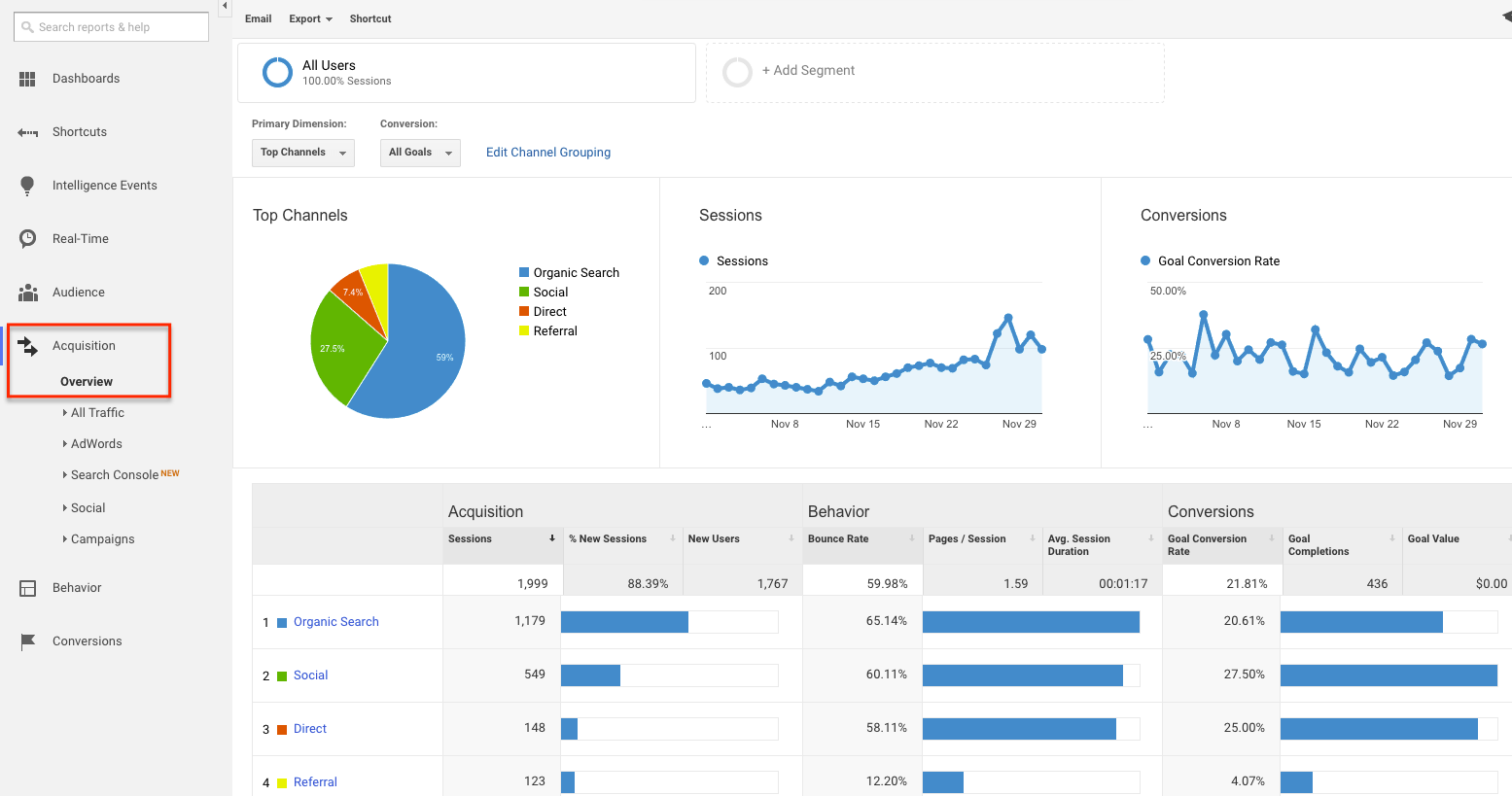
These specialized sites provide high-quality content, which improves the length of stay, lowers the exit rate, and increases the rate of visitors to the site.
Google states in its `
`10 Facts about Google’
‘ that “1. If you focus on your users, everything else will follow.” It can be said that highly specialized and high-quality content is a site that is highly rated by Google.

2. Authority

This means that content published by government agencies, research institutions, official pages of celebrities, companies, and manufacturers is authoritative.
3. Reliability
Content distributed by authoritative institutions and companies is specialized in a particular subject, and the reliability of the information can be said to be higher accordingly.

Isn’t ETA difficult for ordinary webmasters?
Indeed, looking at the information above, it appears that even if a general webmaster distributes information, it does not meet Google’s requirements.
However, at the root of all of this is the matter to ensure that “is the site beneficial to the user?” in “1. If you focus on the user, everything else will follow.” I don’t know.
Content that is highly specialized, provides appropriate citations and evidence to ensure reliability, meets user needs, and has good usability and can be easily viewed on smartphones.
If you meet these requirements, your site may not be as good as a site with a perfect ETA, but it will certainly improve your search rankings.
summary
Google has consistently changed its algorithm so that sites that provide useful content for users are ranked higher in search rankings.
I think there was a time when things like the number of backlinks were considered important to ensure reliability, but I think we will continue to see various algorithm changes to evaluate content from a user’s perspective.
What are the needs of users, not just short-term SEO methods?
Is the quality of the content okay? Are you posting subjective information, rumors, or other uncertain information?
If content is created from the user’s perspective, it will naturally receive good reviews from Google.