

Keikai JP Co., Ltd., which provides job change and career support services for executives, announced a survey on August 25, 2021 regarding the current state of remote work and the “ideal work style” for the post-corona era. . The survey period is from July 27, 2021 to August 20, 2021. We received responses from 77 male and female executives.
Reference source:
Interview with executives to find out their true thoughts on “How managers and executives work in preparation for the post-corona era”!
Nearly 90% of companies will continue “remote work”
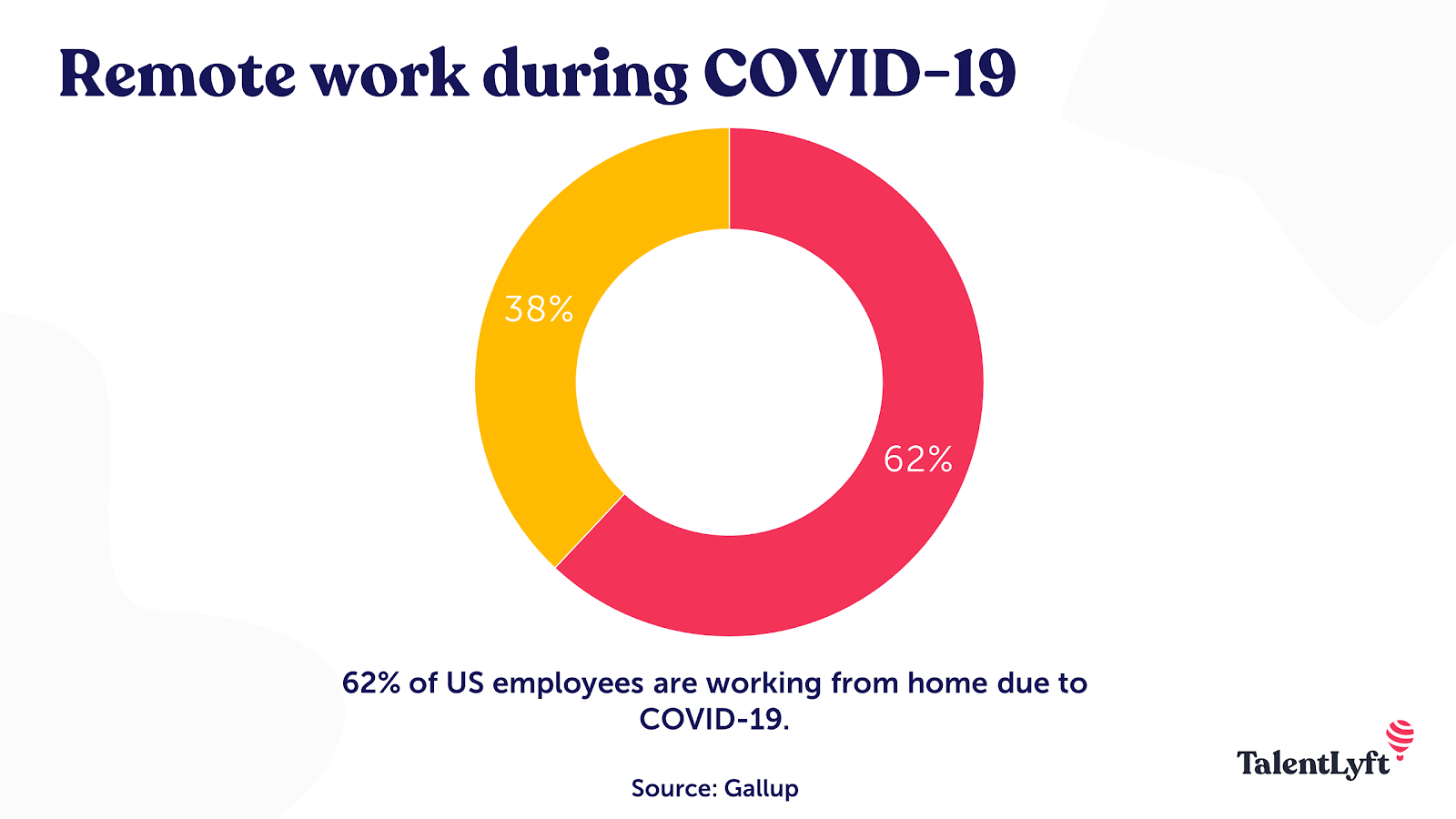
It was found that approximately 90% of respondents plan to continue working remotely. Approximately 60% of these employees plan to use a hybrid model of both in-office and remote work. This suggests that the coronavirus outbreak may have provided a good opportunity for people to reconsider the necessity of coming to work.

More than 70% of executives say “Remote work has no negative impact on productivity.”
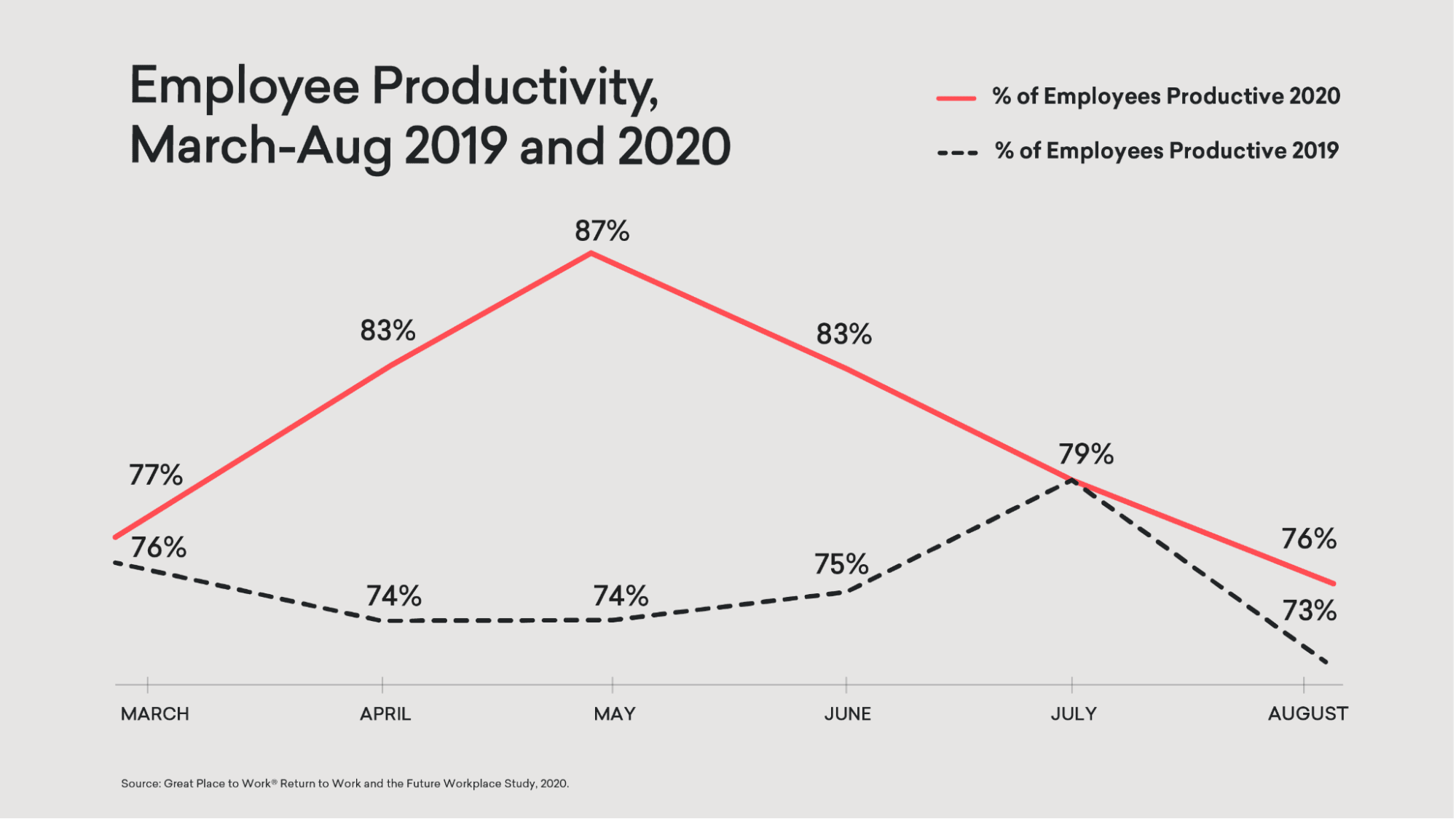
When asked, “How has your productivity changed during remote work?”, 39% said it had “increased,” followed by 32.5% who said it remained the same.A total of 71.5% of executives answered that their productivity has changed. It turned out that she did not feel any problem with sexuality. Remote work, which allows employees to work in any work environment, does not seem to have much of an impact on the productivity of individual executives.

In addition, regarding the question “How has your organization’s productivity changed since introducing remote work?” As with individual productivity, more than 70% of respondents felt that their productivity had “increased” or “stayed the same.” I found out that there is. The new normal work style does not seem to have had a negative impact on organizations either.

70% of executives struggle with remote management
When asked, “Have you ever found it difficult to manage remote work?”, nearly 70% of respondents answered, “I feel it is difficult.” Although remote work has many convenient aspects as a way of working, there are still management issues and many people find it difficult, perhaps due to the non-face-to-face nature of working remotely.

When asked, “Are you making any improvements to your management due to remote work?” more than half of the respondents answered, “I have not made any efforts.” It is thought that there are few executives who are taking action toward improvement even though they are worried about management.
Initiatives implemented through remote management increased the number of communications and made work more visible.
“Please tell us in detail what kind of efforts you are making in your management.” Examples include “Using online tools,” “Time management,” “Instructing KPIs,” “Increasing the number of meetings,” “Morning meetings, lunch meetings, etc.” Opinions such as “Communicate frequently.” were received.
[Inventions implemented as an organization]
- Don’t overlook small changes during the morning assembly and final assembly, and reduce the feeling of isolation
- We regularly hold online lunch meetings to chat about things other than work.
- Utilization of chat tools and cloud
- We are working on strengthening our expressiveness.
- Create work instructions, etc.
- Time management for meetings. Save time by recommending advance preparation ・Hold frequent regular meetings
- Clear list and KPI instructions and confirmation [Inventions I personally implement]
- Twice-monthly 1on1 meetings build psychological safety with subordinates and maintain a relationship where they can discuss anything with them.
- Schedule management ・We use telephone, email, and web conferencing systems such as ZOOM depending on the situation.
- Increase face-to-face opportunities
- We hold many internal online meetings.
- Frequent communication via chat
- I try to tweet small things that happened that day so that employees can vent their feelings.
Over 80% of executives use email more than digital tools
When asked, “How do you communicate with and manage your subordinates?”, most people answered “email (85.7%),” followed by “Video calls such as Zoom (71.4%)” and “Slack.” This was followed by business chats such as (46.8%) and SNS messages (29.9%). We could see how they are working on management with an awareness of improving work efficiency, making use of digital tools such as email, chat, SNS tools, and web conferencing systems.
The president prefers easy SNS messages to emails
Furthermore, when looking at the usage rate of SNS messages by position, the highest percentage was used by managers (56.5%), followed by executives/officers (17.4%), department managers (17.4%), and section managers (8.7%). ). The president seems to prefer SNS tools that are easier to send than emails.

“Lack of communication” is a new issue with remote work
When asked, “Have you ever experienced any issues with internal communication due to remote work?”, over 70% of respondents answered, “I do feel there are issues.”

Furthermore, when asked, “If we continue to work remotely, what are the challenges?” 71.4% overwhelmingly said “Internal communication is insufficient,” followed by 45.5% who said “Management is difficult.” “Productivity is low” accounted for by 23.4%, indicating that most managers view “lack of communication between employees” as an issue.
More than 90% expect remote work to become widespread
When asked, “Do you think remote work will continue to be popular even after the coronavirus?”, over 90% of respondents answered “yes,” indicating that they expect remote work to continue to be popular. The usefulness of remote work has been demonstrated during the recent coronavirus pandemic, and many executives who have tried implementing it may have found that they were able to work without any problems.
Remote work is widening, and although people want to continue working, there are issues with communication and productivity
In addition, when asked, “Do you want to continue working remotely even after the coronavirus subsides?” the following opinions were received: Among those who answered “yes,” there were many comments that praised productivity and efficiency, such as “It eliminates wasted commuting time” and “I can concentrate with a high degree of autonomy and freedom.” On the other hand, “no” comments included issues such as the remote work environment and non-face-to-face work, with issues such as disparities in remote work by industry and job type, difficulties in internal communication, and decreased productivity due to inadequate environments. It seems so.
<“Yes” comment>
- I want time alone
- Be productive, efficient, and focused
- Eliminate wasteful commuting, free up travel time for work and personal life, and reduce wasted time within the company.
- Overwhelmingly high degree of autonomy and freedom, including time management
- Easy to support family
- reduced stress
- Freedom from the unreasonable system of working alone
- Responsibility for output will also be clarified.
- Offices can be made smaller
- Emphasis is placed on balance by implementing hybrid physical communication with those coming to work. The best balance is about 50-50 coming to work and 50-50 working remotely. I concentrate on my work remotely and try to communicate as much as possible when I go to work.
<“No” comment>
- Office environment is better
- I have small children at home and am not in an environment that allows me to work remotely.
- poor productivity
- Since it is a cram school, there are some industries that can be remote and others that cannot, so it is difficult.
- I believe that there is nothing better than face-to-face communication, and that there is something that cannot bridge the distance.
- Because there are a lot of things I notice from idle chats.
- Remote training is difficult in terms of developing human resources and strengthening organizational capabilities.
- It is difficult for employees to see what is going on inside the company.
The ideal work style is a “free hybrid type” of working at the office and working remotely.
When asked, “What kind of work style do you think will be best for your company or organization after the coronavirus subsides?”, the majority of executives answered, “Coming into the office and working remotely at the same time.” Rather than full-time attendance or full-remote work, allowing employees to choose their own working style may lead to improvements in environmental deficiencies, disparities in remote work among occupations and industries, as well as improvements in remote management, internal communication, etc. I wonder if there isn’t.

Reference source:
Interview with executives to find out their true thoughts on “How managers and executives work in preparation for the post-corona era”!