

Marketing is the activity and process by which companies and organizations deepen mutual understanding with users and provide products and services of value to society as a whole. The role of marketers is to develop strategies and other measures to get users to choose their products and services, and to differentiate themselves in competition with other companies.
What kind of analysis is required to highlight “our company’s strengths”? We will review segmentation, which is the basis for developing marketing strategies, and explain the flow from targeting to positioning in defined segment markets.
Reference source:
What is the meaning and purpose of market segmentation, targeting, and positioning? [For beginner marketers]
Understand market segmentation
Market segmentation is the breaking down of a market into smaller elements. Simply put, it means classifying users based on various factors in order to determine the user group that your company is targeting. The items in the table above are often used to group each item.
Country and land are “geographical factors,” age and occupation are “demographic factors,” values and lifestyle are “psychological factors,” and attitudes toward products and services in general are “behavioral factors.”・Reactions, etc. may be mentioned.

If your company targets all users, the advertising costs alone will be huge, but by setting up segments, you can implement efficient and effective measures.
What is the key to targeting?
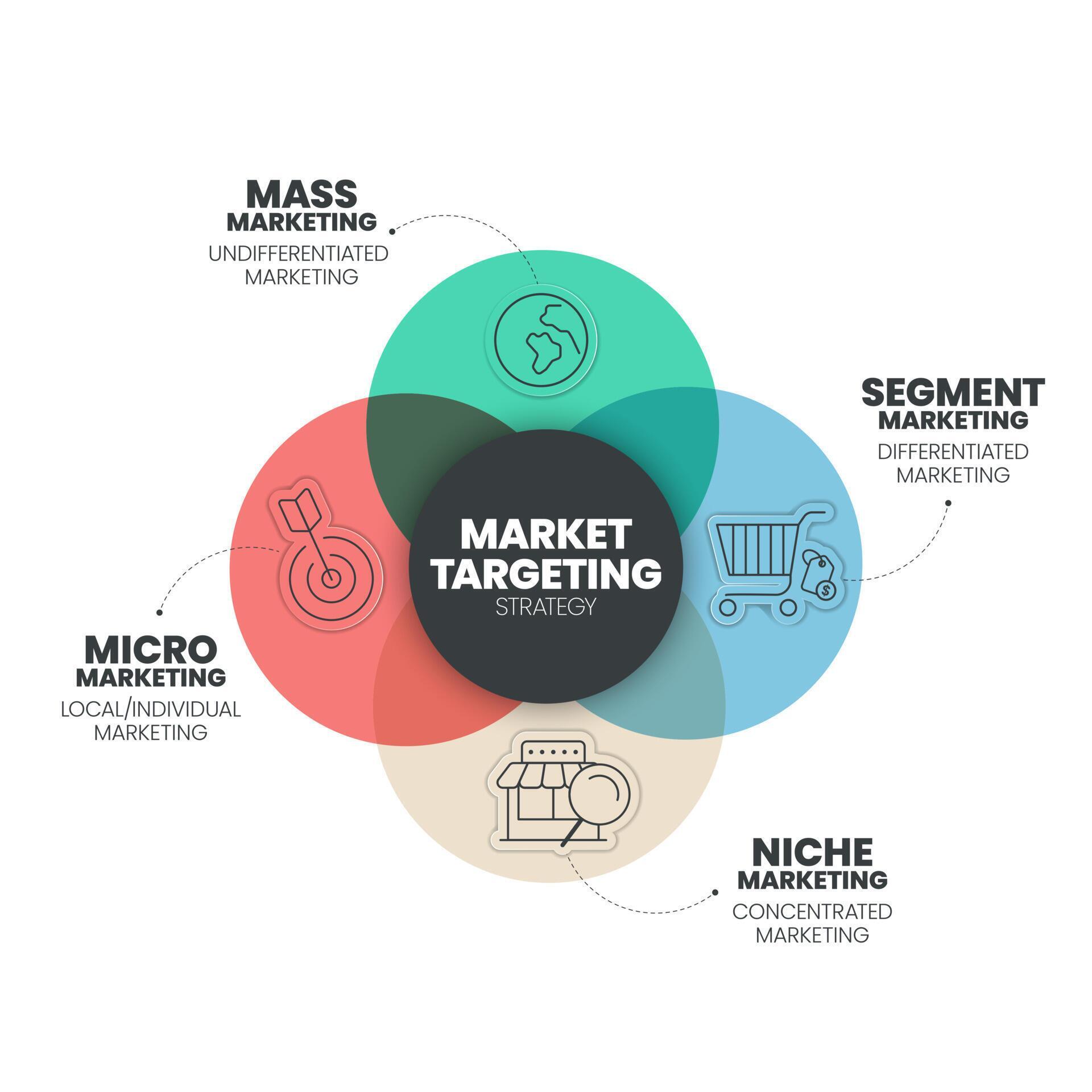
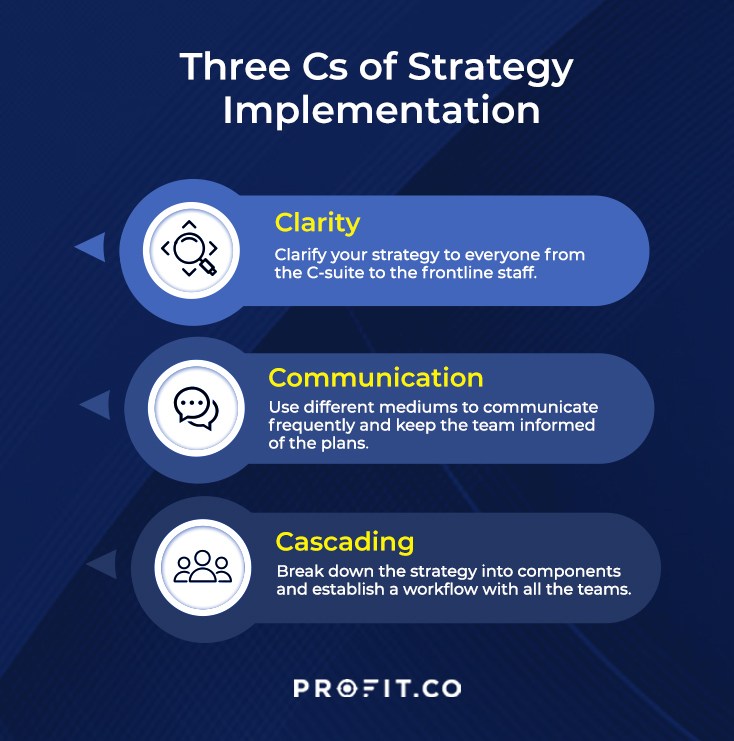
The next step is to determine the target after segmentation. This is the process of deciding which demographic to focus on to appeal to your company’s products and services.
In targeting, the key is to divide the indicators into market size, growth potential, priority, competition, reachability and measurability (6Rs) as shown in the table above, and make a comprehensive decision that emphasizes the balance between each.

What are the key points of positioning?
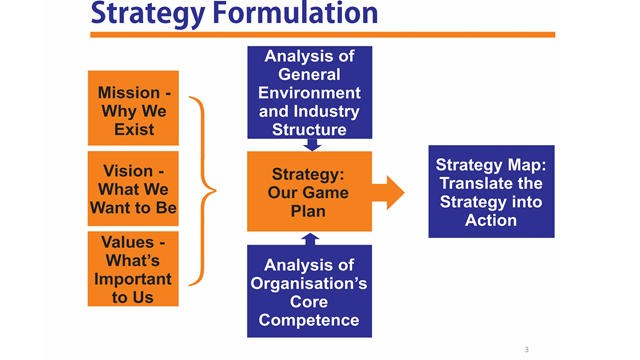
If you can use segmentation to break down users into different groups and use targeting to determine the demographic you should appeal to, you can position your products and services to highlight their appeal and strengths. Specifically, the key is to focus on the axis on which the user’s attention is likely to be focused, and to determine whether the company can appeal accurately in that position, whether it is located in a place that they can empathize with, and whether it is differentiated from other companies. It is also important to position your company in a way that is unique to you and consider cost-effectiveness, such as how much sales you can actually expect.

summary

In today’s market, user needs are divided into various directions and are diversifying. It is important for companies to be able to use the data they have collected to identify the correct purchasing demographic without misinterpreting the information, and how to appeal to these purchasing demographics about their company’s strengths.
Keeping in mind the overall layers of segmentation, targeting, and positioning that are important in marketing, we constantly review and update the logical measures created based on detailed analysis to ensure they are based on “user thinking.” Improvement will also be a key point.
Reference source:
What is the meaning and purpose of market segmentation, targeting, and positioning? [For beginner marketers]