

Sales Net Advertising Co., Ltd. estimated the dependence of the top 10 advertising agencies on “GAFA+” (Google, Amazon, Facebook, Apple, Yahoo!, LINE).
According to this report, a situation has emerged in which
Internet advertising
in Japan can almost be described as an oligopoly of GAFA+.
Looking back at the changes in Internet advertising, a successful online advertising agency looked into the reasons for this situation and emphasized the importance of “pure advertising” as a way out.
Reference source: The dependence on “GAFA+” of the top 10 advertising agencies was found to be 71% (according to a survey by a popular online advertising company)
71% depend on GAFA+
The survey estimated that the top 10 advertising agencies depended on GAFA+ at 71%.
Source: The dependence on “GAFA+” of the top 10 advertising agencies was found to be 71% (according to a survey by a popular online advertising company)

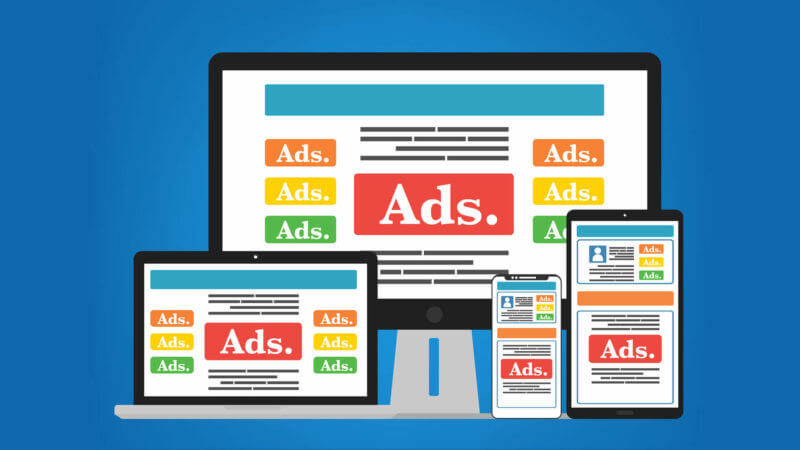
Internet advertising media expenses in 2019 were 1,663 billion yen, of which 79.8% was accounted for by programmatic advertising.
Internet advertising companies that thrive on this point out that “the domestic Internet advertising market is dominated by GAFA+.”
The background factors were a reliance on programmatic advertising and a shift in advertising targets from “frames” to “people.”
Why has the domestic Internet advertising market become dominated by GAFA+?

Internet advertising companies that sell well point to the fact that the entire domestic industry has come to rely on programmatic advertising, and that the target of advertising has changed from “frames” to “people.”
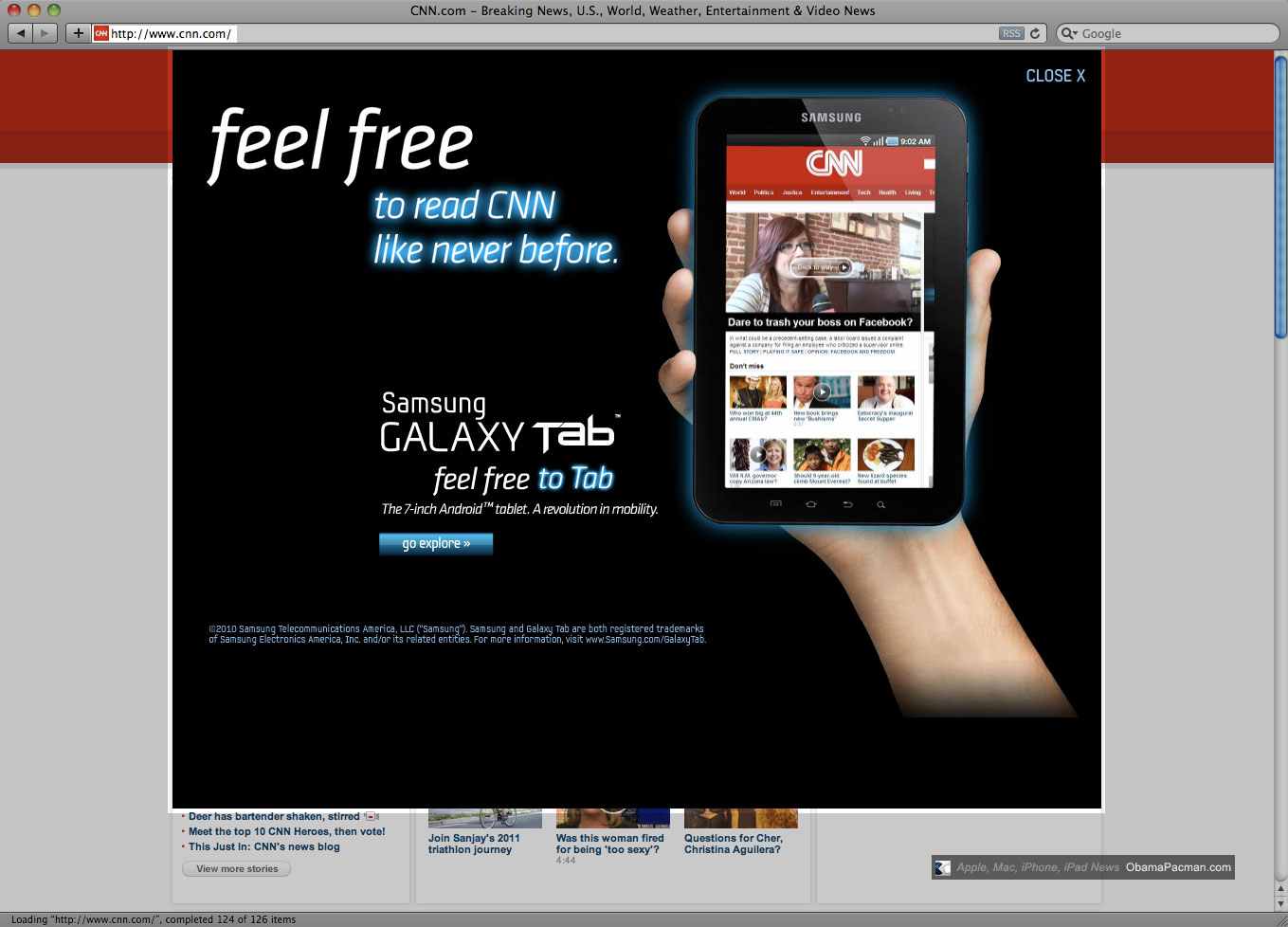
The history of Internet advertising in Japan begins in 1996, when Yahoo! JAPAN launched its service and posted the first banner advertisement in Japan.
At this time, “pure advertising” in which fixed advertising “slots” were purchased was the norm, and consumer behavior was unrelated to contracts with advertisers and advertising companies.
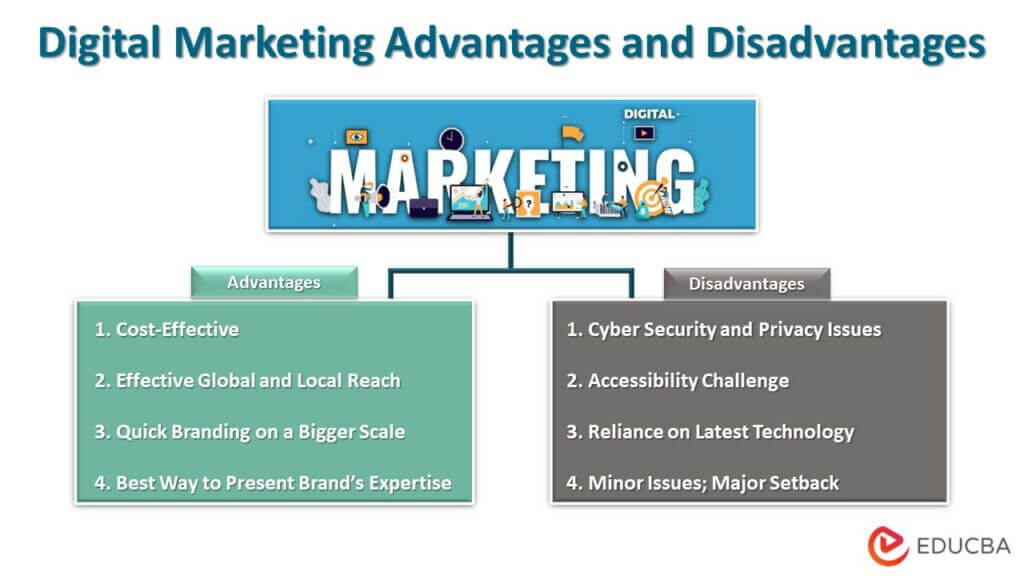
After that, “performance-based advertising” was born, in which advertising costs are generated according to consumer purchases, and then the era of “listing advertising”, which is displayed according to search keywords when consumers use search engines, began. Ta.

This listing advertisement is said to be the predecessor of today’s programmatic advertising. Supported by the development of various technologies, programmatic advertising has become widespread, accounting for 79.8% of advertising media costs.
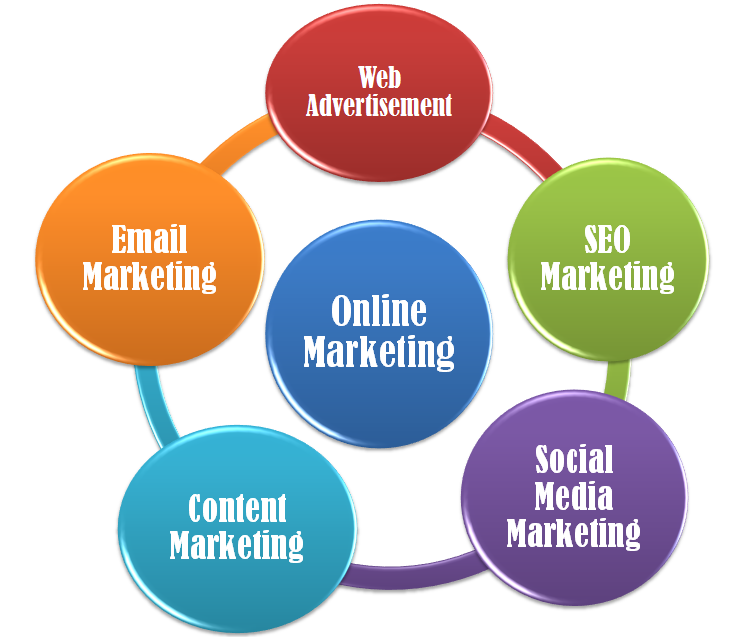
Under these circumstances, it is said that the reason behind this was that they had no choice but to rely on platforms like GAFA+ in order to achieve results with programmatic advertising.

Focus on “pure advertising” to break free from GAFA+ dependence
There is a big risk in having a high proportion of programmatic advertising and that most of that programmatic advertising relies on platforms like GAFA+.
This is because if GAFA+ raises fees or imposes some kind of regulation, it could have a significant impact on its own profits.
As a way to overcome this situation, successful online advertising companies cite “increasing the proportion of advertising methods other than programmatic advertising,” and point out the possibility of pure advertising.
Pure advertising has high hurdles to entry in terms of efficiency and cost, but if you know the strategies, you can expect explosive results.
Source: The dependence on “GAFA+” of the top 10 advertising agencies was found to be 71% (according to a survey by a popular online advertising company)