

Ethical consumption can be summarized as “consumption behavior that involves purchasing products and services from companies that are considerate of human rights and the environment.” This is a phenomenon that has gained attention in recent years due to changes in the global environment and growing awareness of human rights issues. This is a new way of thinking that emphasizes not only the economic value but also the social value of products and services.
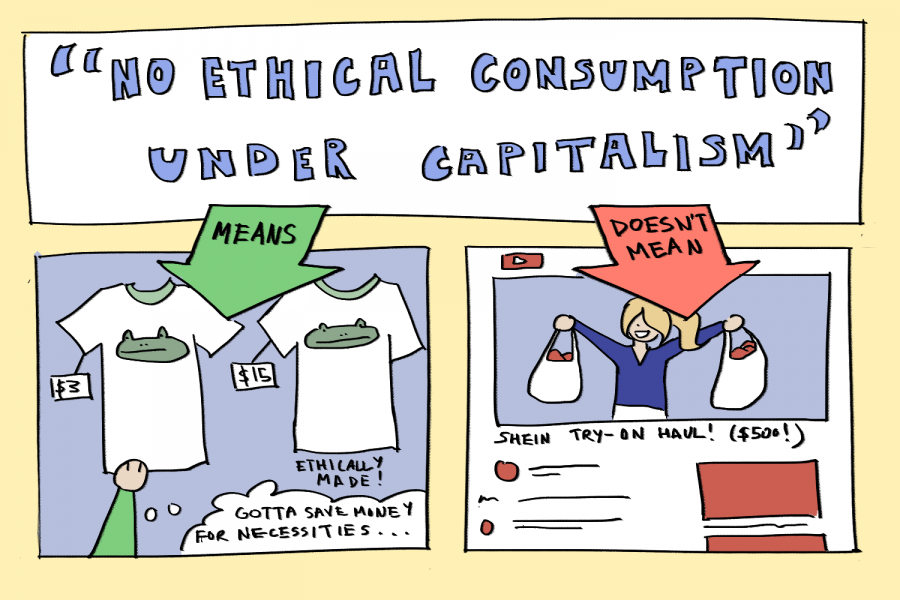
These days, there are more and more opportunities to see ethically certified foods such as chocolate and coffee in stores. However, the number of people who purchase ethical products with a full understanding of their value, significance, and appeal is small, and the market size is still limited.

Takumi Kato, a full-time lecturer at Meiji University’s Faculty of Commerce, approaches this issue from a marketing perspective. Through research that transforms ethical consumption efforts into consumer value, we support the penetration of new concepts into society.
In this interview, we asked about the social significance of ethical consumption, the background behind the birth of the concept of ethical, and current issues, as well as specific examples of companies that have succeeded in branding. Corporate marketers should definitely use this as a reference.
Why ethical consumption is attracting increasing attention among countries, investors, and companies
ーーMr. Kato, who is an expert in the field of ethical consumption, could you please tell us about the background behind why ethical consumption has come to attract attention in recent years?
KatoThe
reason why ethical consumption has become popular is thought to be due to the increasing awareness of the global environment and human rights issues.
Until now, the general understanding in business has been that economic value is in a trade-off relationship with environmental and human rights values. For example, if we prioritize the economy, our environmental impact will be relatively high, and human rights issues will likely arise as we must overcome fierce cost competition. Based on such values and economic development models, it can be said that many countries have developed by placing emphasis on economic values.
However, as social issues become more serious, there is a growing recognition that the economy, human rights, and the environment are not trade-offs, but that balancing them is important in creating a sustainable society. As a result, companies that do not balance economic value with human rights and environmental values are subject to taxes and penalties, making it difficult for them to raise funds from investors.
This awareness is spreading not only among countries and companies, but also among ordinary consumers. One possible sign of a change in consciousness could be the recent abnormally hot summer and disasters caused by abnormal weather. Traditionally, “environmental issues” have been difficult to see in our daily lives, and have tended to be a concern for some people, but recent abnormal weather has made us more aware of them as issues that actually affect us. I think it has become easier.
As described above, the concept of “ethical consumption” is attracting increasing attention among companies due to the worsening of social problems, the stance of governments and companies, and the awareness of consumers themselves. However, as we’ll see later, it’s still a trend in corporate marketing departments, and consumer interest is still limited.

Intent of strategies of countries and companies advocating ethical consumption
–Are concepts such as SDGs, ESG investment, and sustainability born out of the global trend of tackling the challenge of creating a sustainable future by solving increasingly serious social problems?
Kato
:Of course, the premise is that we recognize that it is important to create economic value and consider social issues at the same time. In addition, the intentions of each country’s main industries also exist.
For example, the automotive industry is rapidly shifting to electric vehicles. One of the reasons behind this is a game change led by Western companies focusing on hybrid cars by Japanese companies. Japan’s hybrid vehicle technology, which achieves high fuel efficiency, is a unique technology cultivated through many years of research and development, and cannot be easily imitated by manufacturers in other countries. Therefore, European and American car manufacturers are trying to overturn the competitive principle of the market by instilling a new sense of value that “electric cars are more environmentally friendly.” In reality, electric cars do not burn fossil fuels while driving, but when you consider the manufacturing stage (especially the batteries), they use a huge amount of electricity generated from fossil fuels. Therefore, it is currently unclear whether electric cars are actually better for the environment.
Another perspective is to counter low prices. Chinese companies that provide products at overwhelmingly low prices due to illegal labor are rapidly expanding their market share globally. Developed countries cannot compete with this type of manufacturing that relies on extremely low labor costs. Therefore, Western countries are spreading the idea that such companies violate human rights and ethics throughout the world, and are trying to put a check on such companies. When the Japanese automobile industry rapidly increased its share in the American market in the 1970s and 1980s, the Japanese government and automobile industry, under pressure from the United States, introduced “self-regulation” to limit the number of automobiles exported to the United States. There is. Unlike Japan, where it is easy for the United States to negotiate, ethics will become important with China.
When Western countries clearly propose solutions to problems related to the environment and human rights, subsidies are provided in those areas, creating opportunities for business expansion and making it easier to attract funds from investors.

What is “greenwash” that is viewed as a problem in the ethical trend?
Kato
:On the other hand, “greenwashing” has become a problem in recent years from an investor’s perspective.
The term is a general term for the act of making things appear as if they are environmentally friendly when in fact they have a high environmental impact, but these days it is often used simply to attract the attention of investors and consumers with clever cosmetics. More and more companies are turning to greenwashing.
–Specifically, what kind of acts constitute greenwashing?
Kato
:For example, in order to hide the environmental burden of a company’s main business, it can be said to be a type of greenwashing by promoting environmental activities such as tree planting that have little connection to the company’s main business. Tree-planting activities themselves are a significant initiative, but it is problematic to claim that you are “contributing to the environment” through tree-planting activities for the sake of public relations without making essential improvements to the environmental burden of your core business.
Activities like this that are separate from our core business cannot be called true environmental contributions. The core of environmental measures lies in how environmentally friendly a company can be with its main business products and services. There are many good examples of leading companies around the world that are contributing to the environment through their core business. Starbucks, for example, strives to source its coffee beans 100% ethically. We continue to reform our products and services in ways that are visible to consumers, such as switching to paper cups to reduce single-use plastics. During this process, there were some services that were not accepted by consumers, such as paper straws, but we quickly resolved these issues and introduced direct-drinking cups, and through constant trial and error, we were able to reduce our environmental impact through our core business. We are trying to reduce it. Of course, it is impossible to achieve a perfect state where the environmental impact is completely zero, but it is extremely important to keep improving, and the accumulation of these efforts over many years will strengthen the brand image.

To promote purchasing behavior, it is necessary to create value based on concepts that match consumers’ desires.

–I apologize for asking a retrospective question, but what was the impetus for Dr. Kato to start researching ethical consumption in the first place?
Kato:
To briefly explain my background, I earned a master’s degree and a doctoral degree at a graduate school for working adults while working in marketing at the automobile manufacturer Honda. The reason I decided to attend graduate school was when I encountered the need for evidence while drafting various plans at work and making adjustments to obtain approval. Currently, I am conducting research and applying this to business under the theme of “Creating Value for Products and Services” in the Marketing Course at the Faculty of Commerce at Meiji University.
At that time, Fair Trade Label Japan approached us with the issue of “spreading ethical coffee,” and we decided to approach this issue from the perspective of creating value for products and services.
Until now, the focus has been on promoting the issue of poverty, which is the background behind fair trade coffee. These claims are certainly important, but because they fail to appeal to consumers with “value” that resonates with them, they are difficult to translate into purchasing behavior.
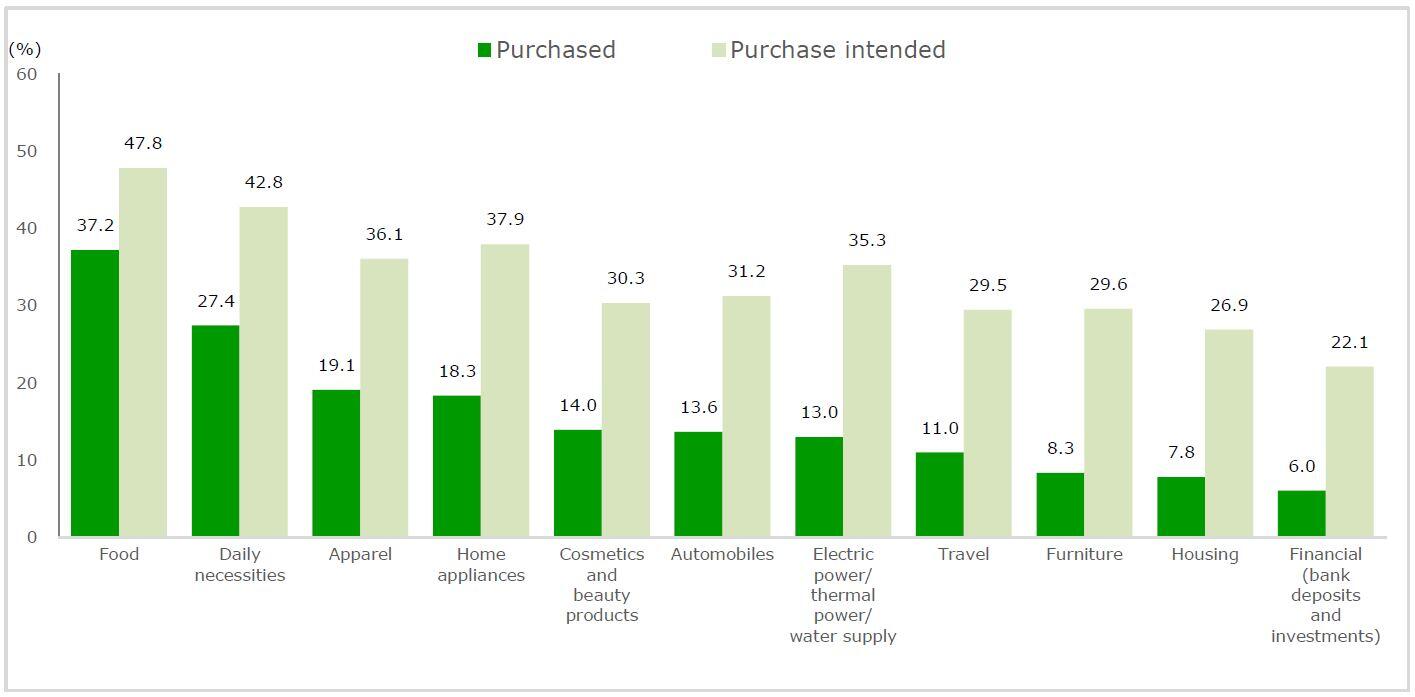
Surveys on ethical consumption tend to have positive responses, but there is a social desirability bias here.Once you know from the title and questions that it is a “survey on ethical consumption,” it is important to have a positive attitude toward this issue. We end up “acting out.” This is the norm.Of course, many people have a strong desire to contribute to society. However, as Maslow explained, humans have stronger desires.The strongest desires for humans are instincts such as “I want to eat delicious food,” “I want to sleep slowly,” and “I want to be popular.” In most cases, ethical needs are a low priority and do not have a large influence on purchasing behavior. This is my true opinion.Unless you are an extremely wealthy person who has fulfilled every desire, it is extremely rare for the desire to “pay for social contribution” to be the top priority in decision-making. Therefore, value should basically be designed around needs at a lower level than the need for approval.
–Certainly, if you’re just looking for deliciousness, it’s hard to say, “Let’s buy ethical coffee!” What specific efforts have you made to popularize ethical products?
KatoTherefore
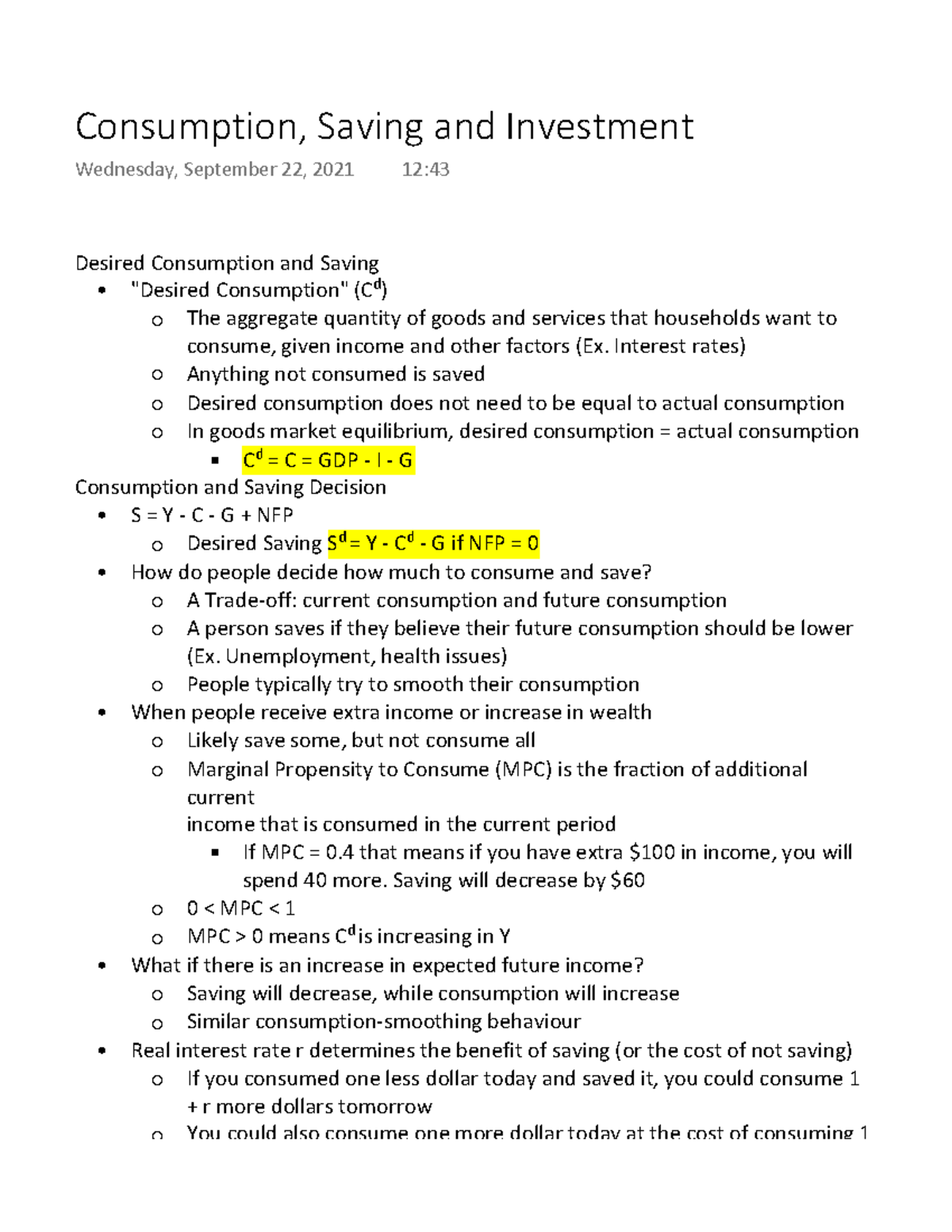
, we clarified the value for consumers and changed the concept to one that focused on improving the quality of raw materials brought about by improving poverty and labor issues. Objectively breaking down the characteristic of “not tolerating illegal labor” means that “craftspeople take good care of their work in an excellent environment.” In this way, it is important to convey the product value of quality to consumers.
– I see. Although the essential aspects remain the same, by clarifying the value as a concept, the message becomes more appealing to consumers.
Once you have decided on a brand concept, it is important to consistently communicate it and continue to embody it.

Kato:
The next important step is to “establish value.”
Value is determined in people’s minds. No matter how objectively superior a product or service is, if it is inferior in the consumer’s image, it will lack appeal. Therefore, after creating value, it is necessary to continue to consistently promote value through the realization of products and services and marketing communications. It takes a long time to establish that value. This is what brand management is all about, and the road to it is extremely painstaking work. A brand cannot be built with just one flashy advertisement. The world’s top brands have generally continued these efforts for many years.
For example, while the Disney brand has continued to promote the concept of “a land of dreams and magic” and “a place where dreams come true,” we consumers have the impression that “Disney resorts are places where you can experience the extraordinary.” Even if competing companies offer the same concept, it will be difficult for copycat companies to catch up in the minds of consumers. This is because the length of time that Disney has steadily accumulated is overwhelming.
Similarly, when many people see Apple products and see the apple logo, they think, “That’s creative” or “That’s fashionable.” The reason we have such associations even when we just see the apple symbol is because Apple has long been promoting core values such as innovation, simplicity, and sophisticated design. It is nothing but a gift. Of course, in order to maintain their brands, these companies must continue to provide excellent products and services, and have management that continues to communicate their concepts. If you run an advertisement that does not match your concept, you will be criticized by customers immediately and your brand will be damaged.
As you can see, a brand cannot be built in a short period of time. Once you have decided on a concept, it is important to consistently communicate it and continue to make it a reality.

Concept success story
–Are there any domestic companies that seem to be doing well in creating value based on concepts?
KatoFor
example, AOKI’s pajama suit. The concept of “More than pajamas, less than fashionable clothes” was created in response to the psychological desire to look presentable to people at work while relaxing at home during remote meetings while working from home, which has become popular during the coronavirus pandemic. .
Asahi Super Dry raw mug cans are also a great concept. In response to the essential desire to drink draft beer at home, the concept is to allow you to experience the feeling of drinking a draft beer at a restaurant at home.
Also, TBS Ravit! The concept is “Japan’s brightest morning program.” This is considered to be of great value to consumers, who have become exhausted from the competition for viewership ratings with dark news, criticism of celebrity scandals, and anxiety-mongering tactics.

The presence of marketers who connect experts and consumers is the key to the penetration of ethical consumption
– Overall, what do you think are the challenges of ethical consumption?
Kato
: Currently, I feel that there is an issue in the fact that initiatives such as formulating guidelines for ethical consumption and educating society are primarily carried out by urban governments, large companies, and experts. Because discussions are centered on experts from an expert perspective, their value does not reach the level of everyday life of ordinary consumers.
It is extremely important that experts with advanced knowledge discuss ethical consumption and decide on policies to change procurement processes to ones that are better for the environment and production processes that protect human rights. Unfortunately, however, the gap between experts and consumers is too large, and the value of ethical consumption will not permeate society. Value is determined in the mind of the consumer.
What is needed is the presence of marketers. The existence of professionals who can sublimate the concept of balancing economic value and human rights/environmental values, which is the essence of ethical consumption, into value for consumers. If such marketers join this initiative, ethical consumption will rapidly advance.
–So the presence of marketers is essential for the spread of ethics and the creation of a sustainable society! Next, I would like to ask about the current state of marketing in the ethical field in Japan, topics such as ethical job hunting, and examples of its use in the HR field.