


In recent years, with the development of the Internet and SNS, word of mouth and reputation can be spread around the world in an instant. And there is no better advertising than when customers who have used your product or service spread the word about its goodness. Marketing that takes advantage of this spreading power is viral marketing.
This time, we will give an overview of viral marketing, its benefits, and key points for implementation.
What is viral marketing?
The origin of the word viral marketing is virus. The word “viral”, which means “viral,” came to be used because the way information is spread looks like a virus spreading.
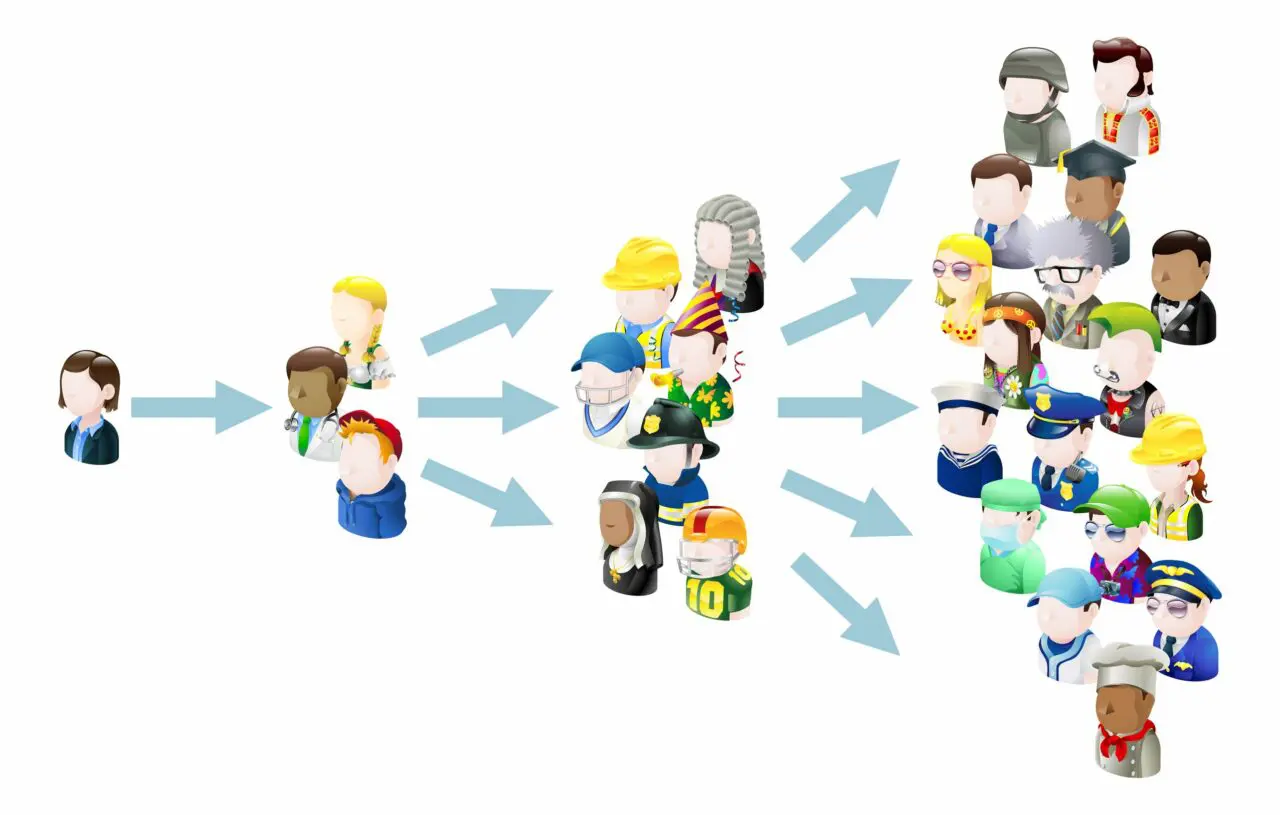
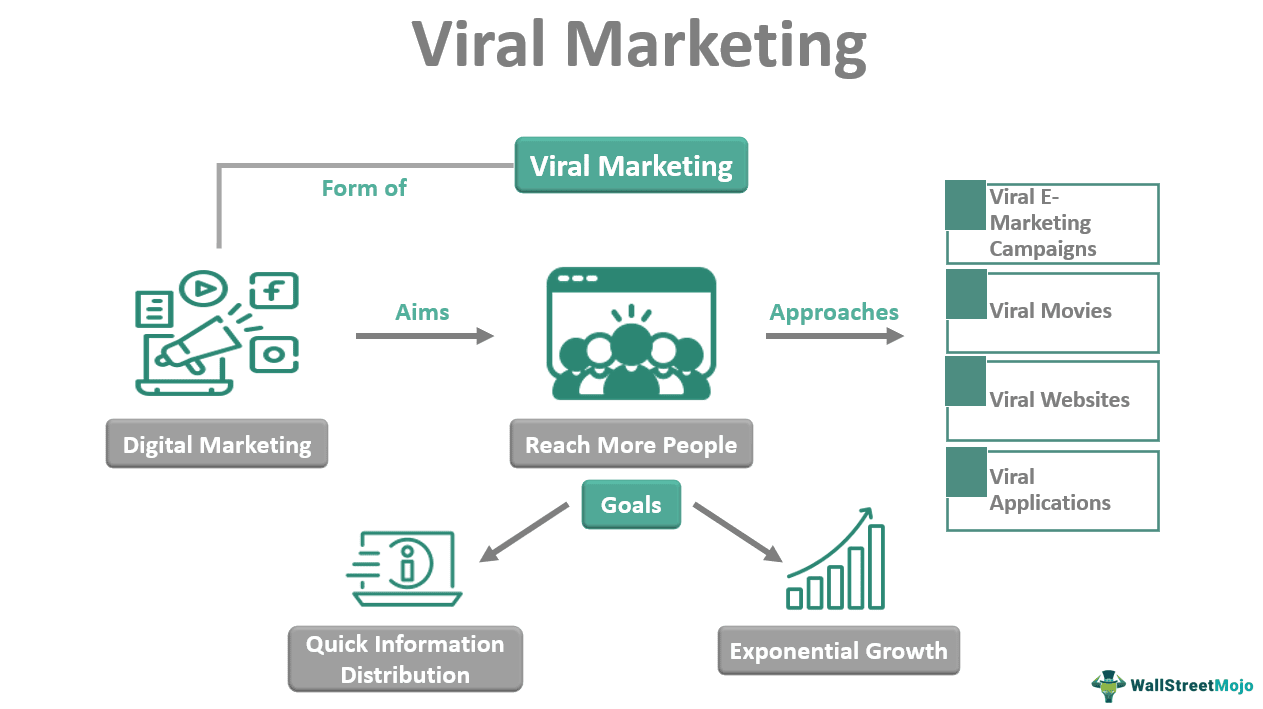
Viral marketing refers to a marketing method that uses the information dissemination power of the Internet to spread information to an unspecified number of customers and users. In reality, companies post information called “viral content” (sometimes called viral commercials) on blogs, SNS (Twitter and Instagram), word-of-mouth sites, etc.
/a-chalk-board-drawing-of-people-and-social-media-187067705-5af4d83d3418c600387e4dd4.jpg)
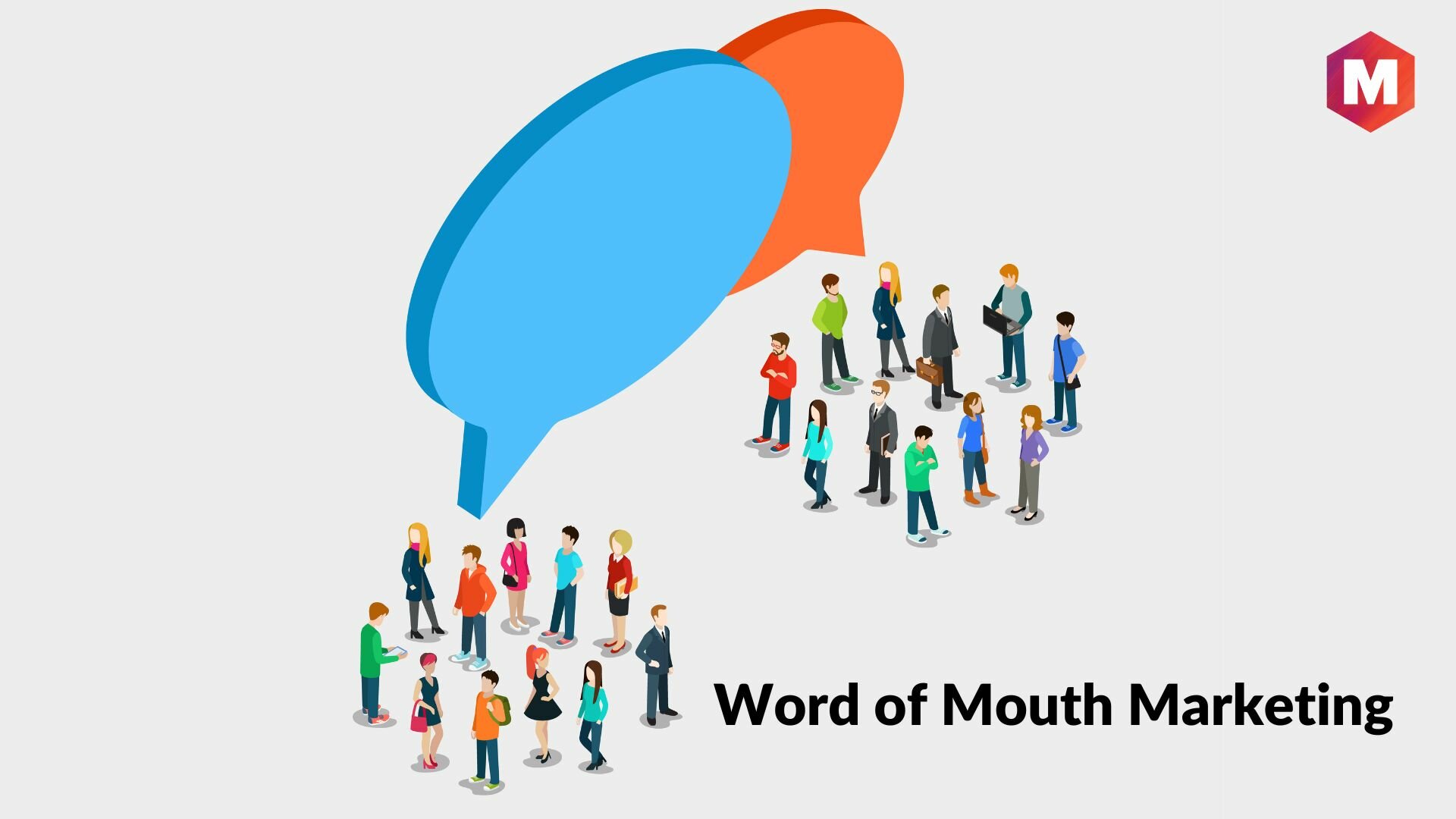
Buzz marketing (Buzzma) and influencer marketing are marketing methods that use influencers to artificially generate word of mouth and spread the characteristics of products and services. There are some similarities with viral marketing, but while buzz marketing aims to increase the number of people talking about the target (buzz), viral marketing aims to spread the good parts of the target by the company itself. The purpose is to create a mechanism to spread the information.
Viral marketing is a marketing method that takes advantage of the human psychology of wanting to inform, convey, and teach good information and valuable information to people around and close to oneself. It can be understood as marketing, which involves creating ideas that make people want to recommend them.

Advantages and disadvantages of viral marketing

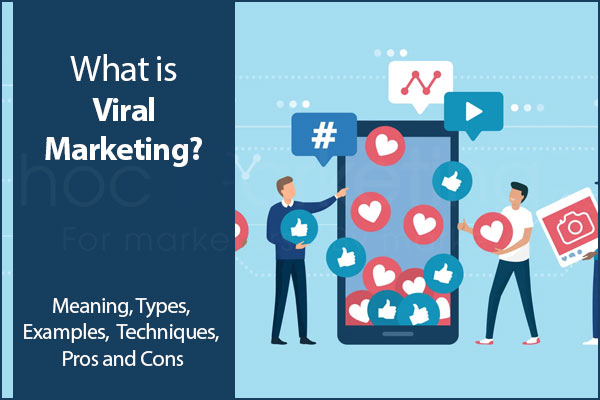
The advantage of viral marketing is that it allows you to spread information about your products and services at a low cost. Advertising on TV and magazines costs a huge amount of money, but depending on the target of the product or service (for example, young people who don’t watch much TV), advertising using existing mass media may not be effective.
.png)
In such cases, viral marketing, which uses the Internet as the main axis to spread information, is advantageous.
The disadvantage is that if your product or service is not attractive to customers, information will not be spread. If you try to create an artificial appeal at this point, you could end up with stealth marketing. Furthermore, there are ways to give incentives to introducers to spread the word, but this can have the opposite effect. You may even recommend a product to complete strangers without knowing much about it because you want an incentive. It is confused with stealth marketing, and the image is not good.
When conducting viral marketing, you must be confident in the appeal of the product or service itself.
Key points for implementing viral marketing
Lotte Co., Ltd., which manufactures and sells confectionary foods, conducted viral marketing for “Fit’s,” a gum containing flavored chips that pop when chewed, in order to improve the situation where young people are increasingly away from chewing gum.
For product promotions, we purposely reduced the number of TV commercials and mainly disseminated information through YouTube and Twitter. In terms of content, we focused less on the product we wanted to sell, the gum “Fit’s,” and more on “dance,” which is popular among young people.

YouTube has been devised so that popular actors and idols can dance, and ordinary high school students can post videos of themselves dancing. We also held dance contests in collaboration with YouTube, steadily gaining a younger fan base. As a result, the video became a huge hit with over 10 million views in one month, and we succeeded in increasing the awareness of “Fit’s”.
The key to implementing viral marketing is to never make your marketing content look like an advertisement. However, marketing that hides things from customers, such as stealth marketing, is strictly prohibited.
What is important is to use the Internet and SNS to create a “system” that will allow it to spread naturally.
summary

◆The name viral marketing comes from the fact that information spreads like a virus spreads.
◆This marketing method is essentially different from the stealth marketing and buzz marketing that you often hear about. In contrast to stealth marketing, which advertises in such a way that customers do not realize that it is an advertisement for the company, and buzz marketing, which aims to increase the number of people talking about the target (buzz), viral marketing is based on advertising from companies to the good parts of the target. The purpose is to create a system for companies to disseminate information themselves.
◆When conducting viral marketing, you must be confident in the appeal of your product or service to make people want to tell you about it.
◆Viral marketing is a marketing method that “develops something that makes customers want to recommend it to others”. When doing so, it is important not to make it look like an advertisement, but to create a “mechanism” using the Internet and SNS that allows information about products and services to spread naturally.