

Marketing measures must be analyzed and improved in order to achieve the conversion target number set by the company, such as inquiries and document downloads. It is necessary to analyze the actions of users who converted and the withdrawal points of users who did not convert, and take appropriate remedial measures to address the causes of withdrawal. Funnel analysis is a method that analyzes user actions in each phase until conversion. This time, I will introduce funnel analysis along with how to use it.
What is funnel analysis?
Funnel analysis is an analysis method that breaks down user actions leading up to conversion, finds drop-off points for users who did not convert, and eliminates bottlenecks in marketing measures. The term “funnel” comes from its resemblance to a funnel, which is used to visualize how users become aware of a product or service, go through the stages of interest, comparison, and order acceptance, and then become smaller in number. I am. Personas and customer journeys are tools for understanding user actions in marketing, but funnel analysis is extremely useful for understanding user actions as a whole.
3 types of funnels
There are three types of funnels used in funnel analysis: purchase funnels, influence funnels, and double funnels.
①Purchase funnel (conversion funnel)
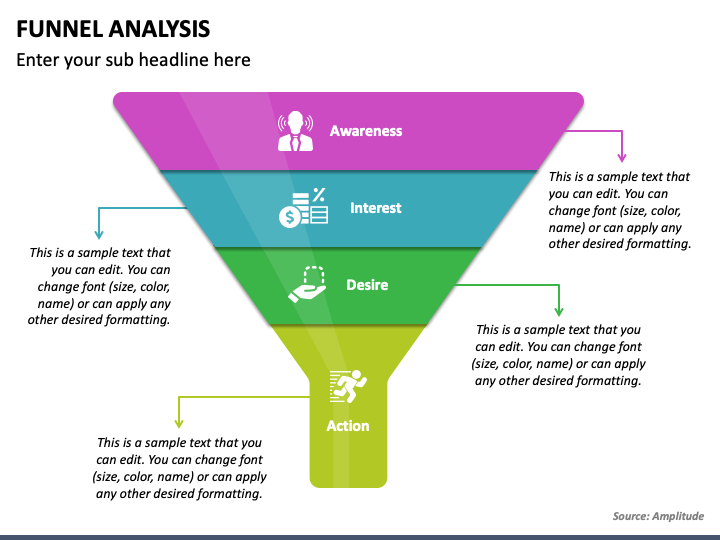
We diagram and analyze the action phases from when a user becomes aware of a product or service to when they adopt it (conversion). It is derived from AIDMA, a framework that models the purchasing decision process taken by users (consumers) in the BtoC field. In the BtoB field, it would be a good idea to set the stages of the funnel starting from the top: acquiring leads, nurturing potential customers, and acquiring appointments (acquiring business deals). In addition, when using for analysis by channel, if it is a website, it can be set as website inflow, other pages/material request page, and form submission. Also, for seminars, you can set the settings to view the seminar page, apply for the seminar, attend/answer a survey, and apply for an interview. Funnel analysis allows macro and micro analysis of orders, which is the overall marketing goal, and conversions set for each channel.
②Influence funnel
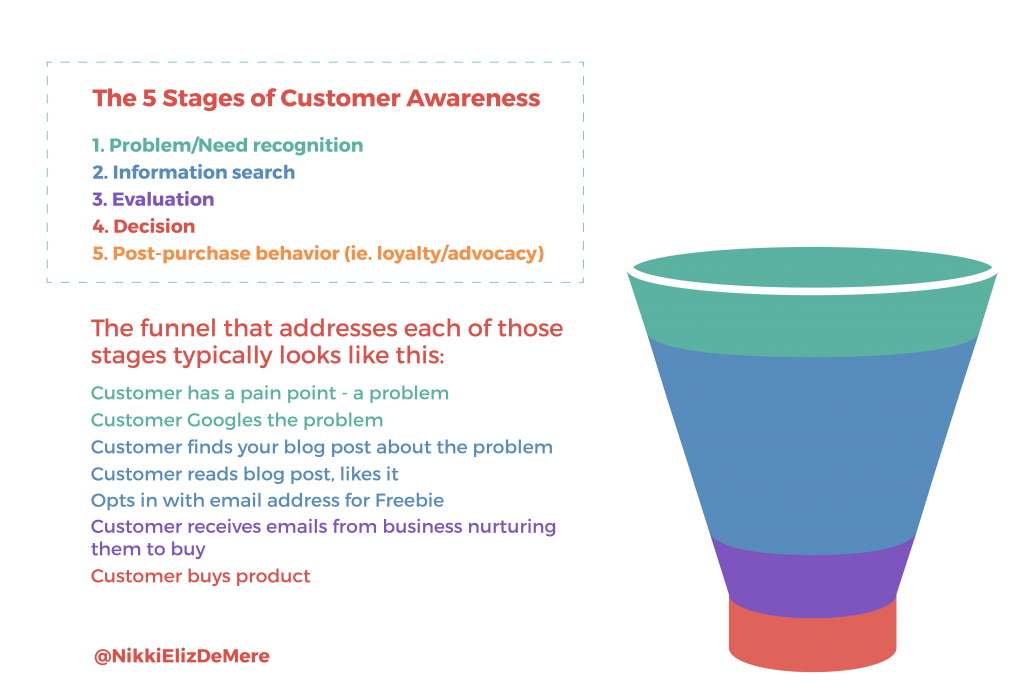
Influence funnels organize and analyze user actions after conversion by phase, rather than the action process leading up to conversion. Due to the increased power of individual influencers through SNS and word-of-mouth reviews, more emphasis has been placed on user actions after conversion. This is a funnel derived from the “AISAS” model.
Even in BtoB businesses, with the development of SaaS and subscription services, customer success has come to impact business continuity, and influence funnels are extremely important.
③Double Funnel
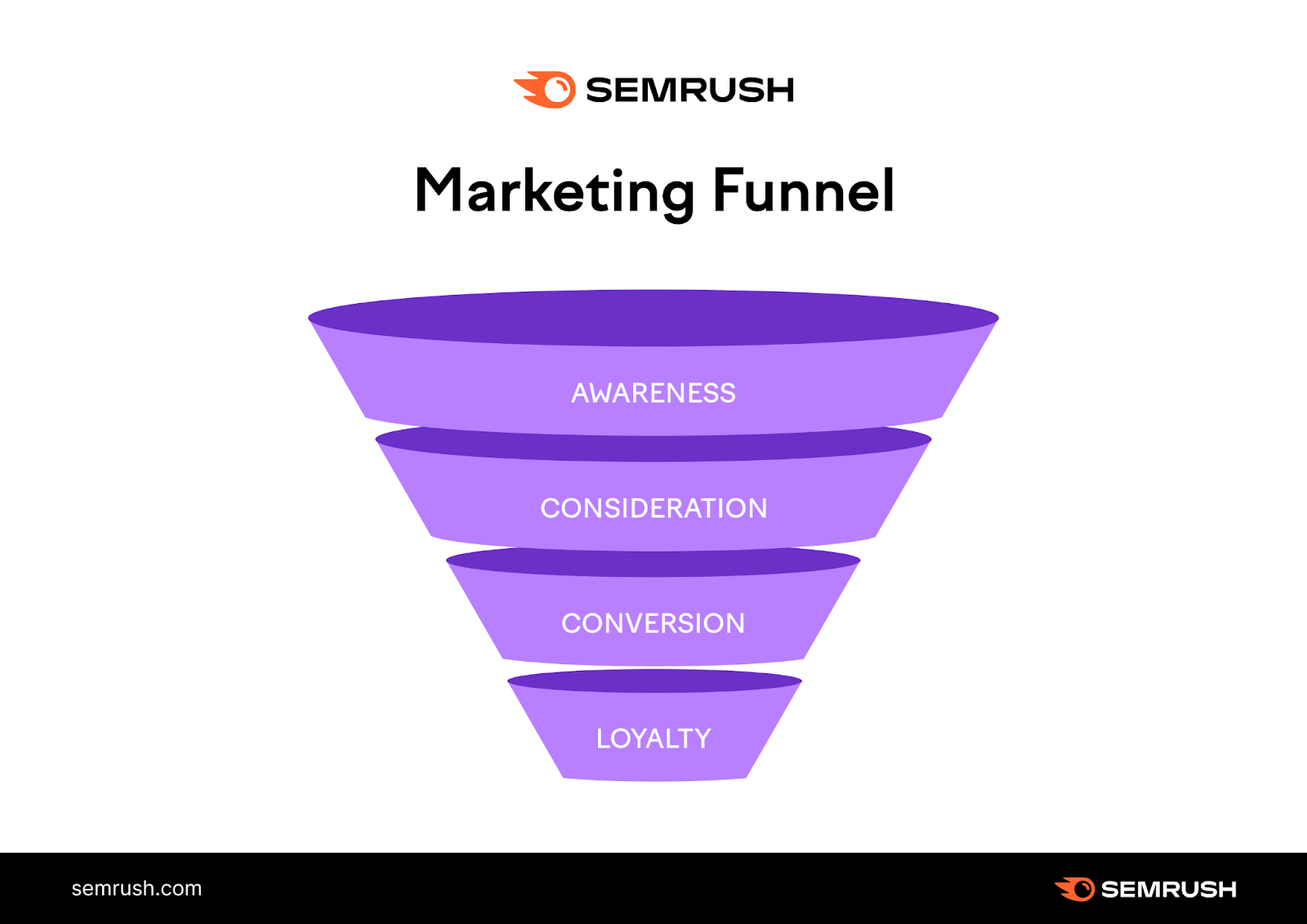
A double funnel is a combination of a purchase funnel (conversion funnel) and an influence funnel. Users who are narrowed down by recognition, interest, comparison, and purchase through the purchase funnel become fans of the product or service, and by introducing it on SNS etc., the recognition of new users increases.
The purpose is to create a cycle of acquiring new users through information provided by existing users of products and services.
How to use funnel analysis
We will introduce how to utilize funnel analysis in 3 steps.
① Select the funnel to use for analysis
First, select the funnel to use for funnel analysis.
For example, when conducting a funnel analysis of a website, suppose that conversion is set to requests for information, and the analysis is performed to maximize the number of requests for information. In this case, use a purchase funnel (conversion funnel) to maximize conversions.

② Classify user actions into each phase
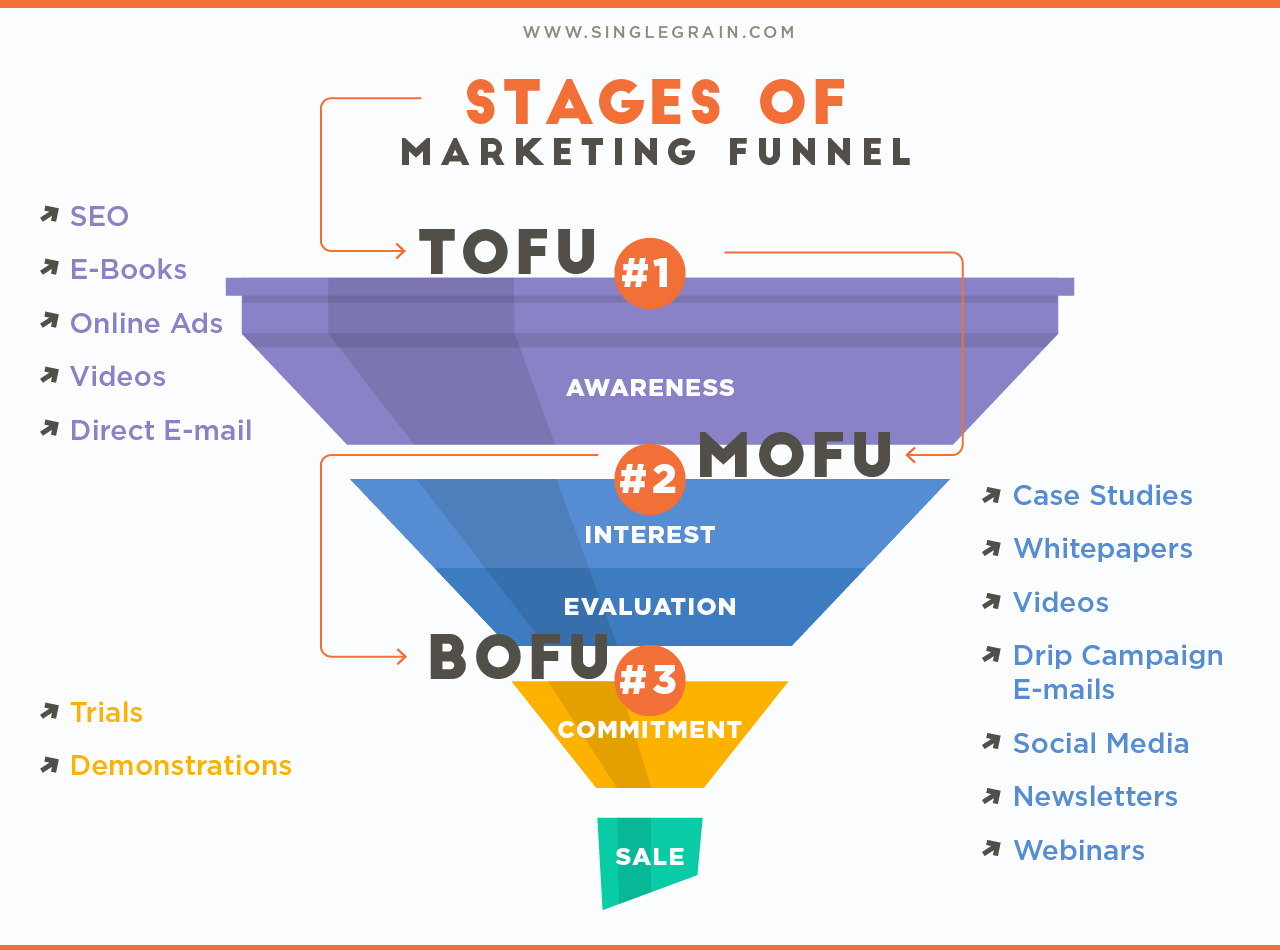
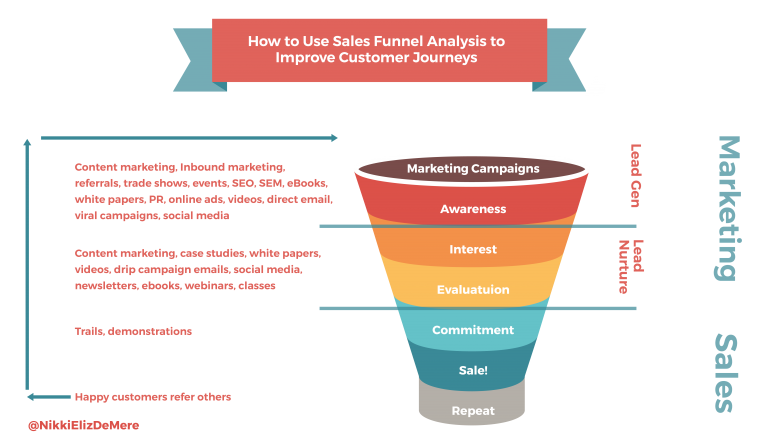
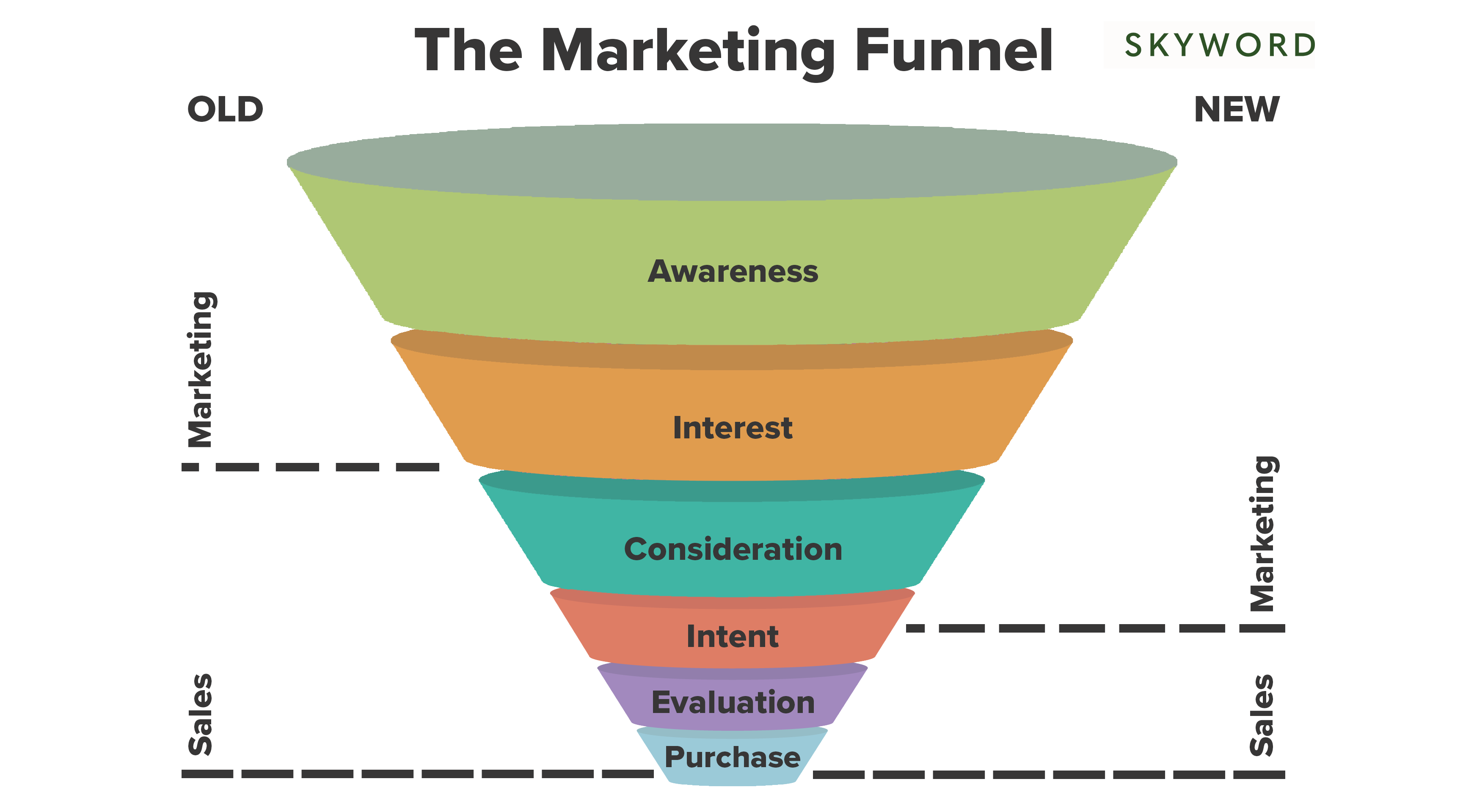
Next, categorize user actions into each phase of the funnel leading to conversion. Marketing funnels are divided into three phases.
TOFU
Abbreviation for Top of the Funnel, which refers to the top of the funnel. In the B2C marketing funnel, TOFU is about acquiring leads and increasing the number of prospective customers. You need to gain user awareness of your product or service and make it interesting.
MOFU
Abbreviation for Middle of the Funnel, which refers to the middle part of the funnel. We will clarify the needs of prospective customers acquired through TOFU and lead to the conversions that companies expect, such as purchasing products and services.
At MOFU, in order to lead to conversions, we not only need to be able to compare with competitors, but we also need to make sure that customers actually consider purchasing.
BOFU
Abbreviation for Bottom of the Funnel, which refers to the bottom of the funnel. In BOFU, which is the final stage after TOFU and MOFU, the goal is to have the product/service evaluated and approved in a competitive comparison, and to have the product/service purchased.
In a BtoC marketing funnel, BOFU is the purchase of a product or service, but in the above-mentioned website funnel analysis, BOFU is conversion (request for information). TOFU can be roughly configured as website inflow, MOFU as access to other pages/material request pages, and BOFU as material request form submission.
③ Consider the causes and improvement measures
For website funnel analysis, you can see the numbers for each phase in Google Analytics. Let’s assume that the results of looking at the numbers for each phase are as follows.
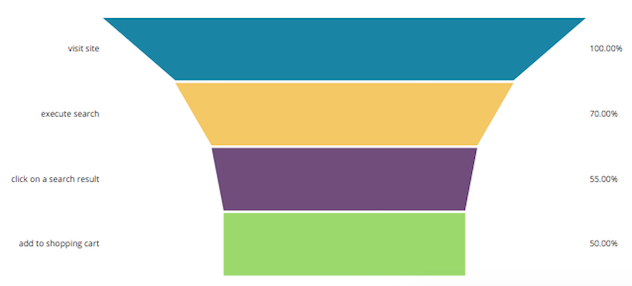
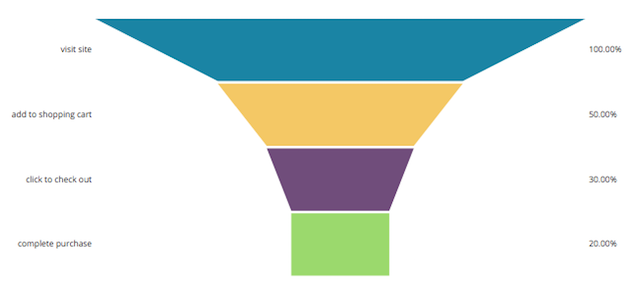
Website inflow 100% → Access to other pages/material request pages 50% → Form submission 2%
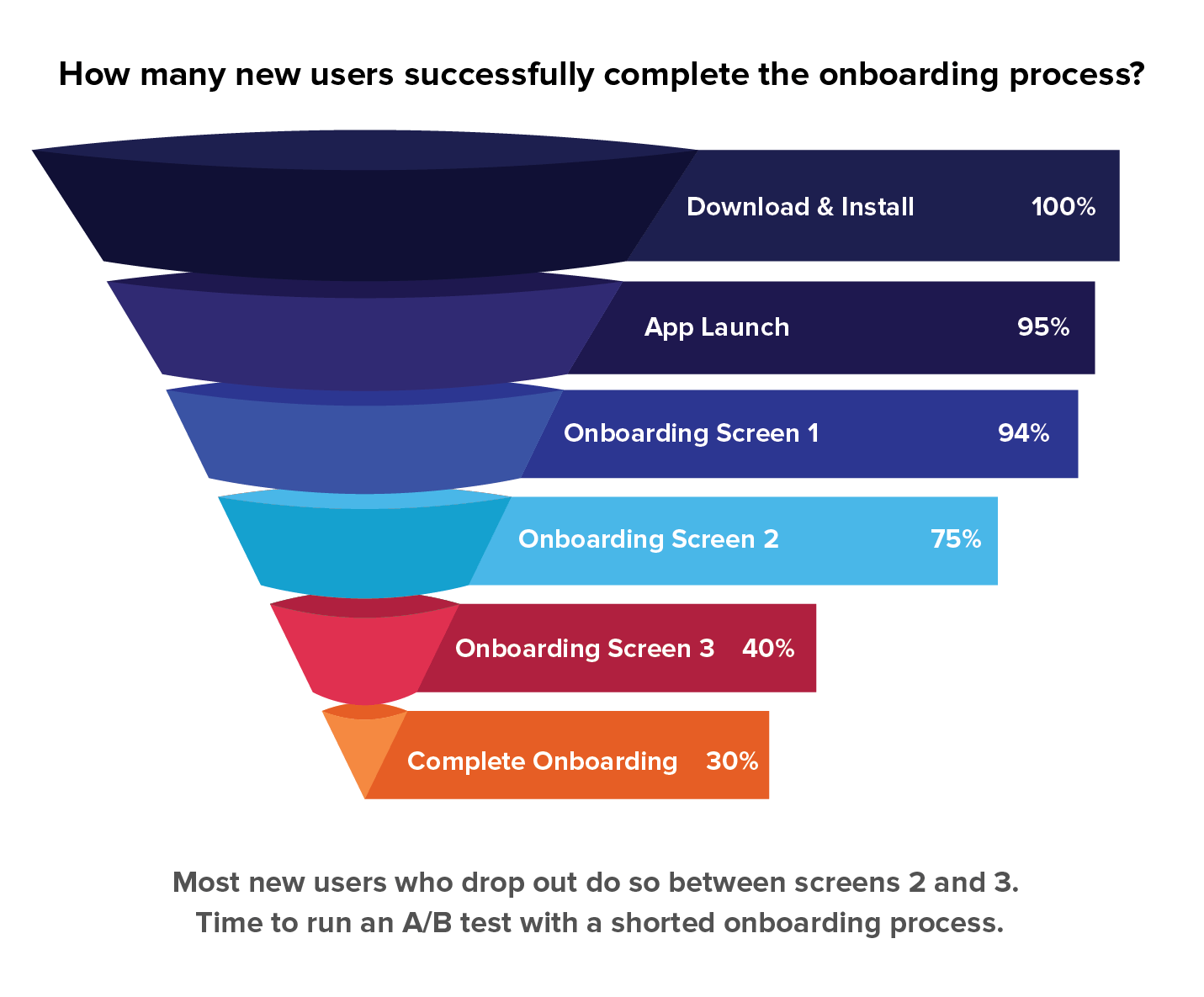
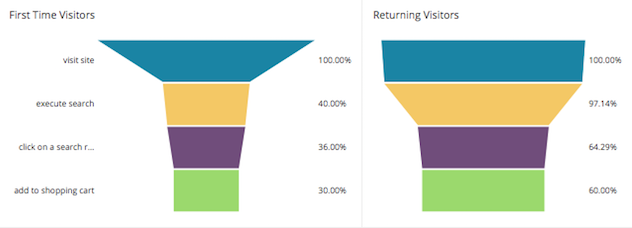
50% of users leave the website after accessing the website. This may be due to factors such as the information not matching the information the user was looking for, or the user not knowing where to find the information they were looking for. As an improvement measure, we will consider improving the content of the landing page and the leads to other pages (LPO). Additionally, 48% of users leave the site from accessing other pages/material request pages to submitting forms. If the main reason is that users left the information request page, it could be due to factors such as too many form entries, and we will consider improving entry items (EFO) as a possible improvement measure.
Funnel analysis is suitable for BtoB marketing
Funnel analysis is said to be unsuitable for BtoC, as users’ interests shift from one thing to another depending on their emotions. On the other hand, in BtoB, the decision to purchase a product or service is made after thorough consideration by multiple people within the company, so the process up to purchase (conversion) is linear, making it suitable for funnel analysis.
In addition, drop-off points can be clarified from user actions, and phases with high drop-off rates can be identified as bottlenecks, and verification and improvement measures can be carried out on a priority basis, making it possible to efficiently increase the number of users who convert. In addition, user actions found through funnel analysis can be reflected in personas and customer journeys, allowing you to create a higher-resolution image of your users. Funnel analysis is an effective analysis tool for understanding users, not only for bottlenecks in overall marketing, but also for improving conversions for each measure.
summary
- Funnel analysis is an analysis method that breaks down user actions leading up to conversion, finds drop-off points for users who did not convert, and eliminates bottlenecks in marketing measures.
- There are three types of funnels used in funnel analysis: purchase funnel, influence funnel, and double funnel.
- There are three steps to using funnel analysis: 1) Select a funnel to use for analysis, 2) Classify user actions into each phase, and 3) Consider factors and improvement measures.
- In BtoB, the decision to purchase a product or service is made after thorough consideration by multiple people within the company, so the process up to purchase (conversion) is a straight line, making it suitable for funnel analysis.