

The word “algorithm”, such as “Google search algorithm”, has become more common in everyday life.
Search engine
algorithms
are the “procedures and methods” used by search engine programs to post high-quality content in appropriate rankings.

How do search engines such as Google determine rankings? If rankings are based on some kind of scoring method, is there a way to mark high scores? I think you have many questions.
Let’s take a look at “algorithms” that we often hear about.
What is an “algorithm” that you often hear about?
There is a program on a certain national broadcaster where domino tiles, iron balls, etc. that have been calculated and placed collide one after another, and a logo called “XX Switch” is displayed at the goal, but the original theme was “algorithm”. Do you know that?
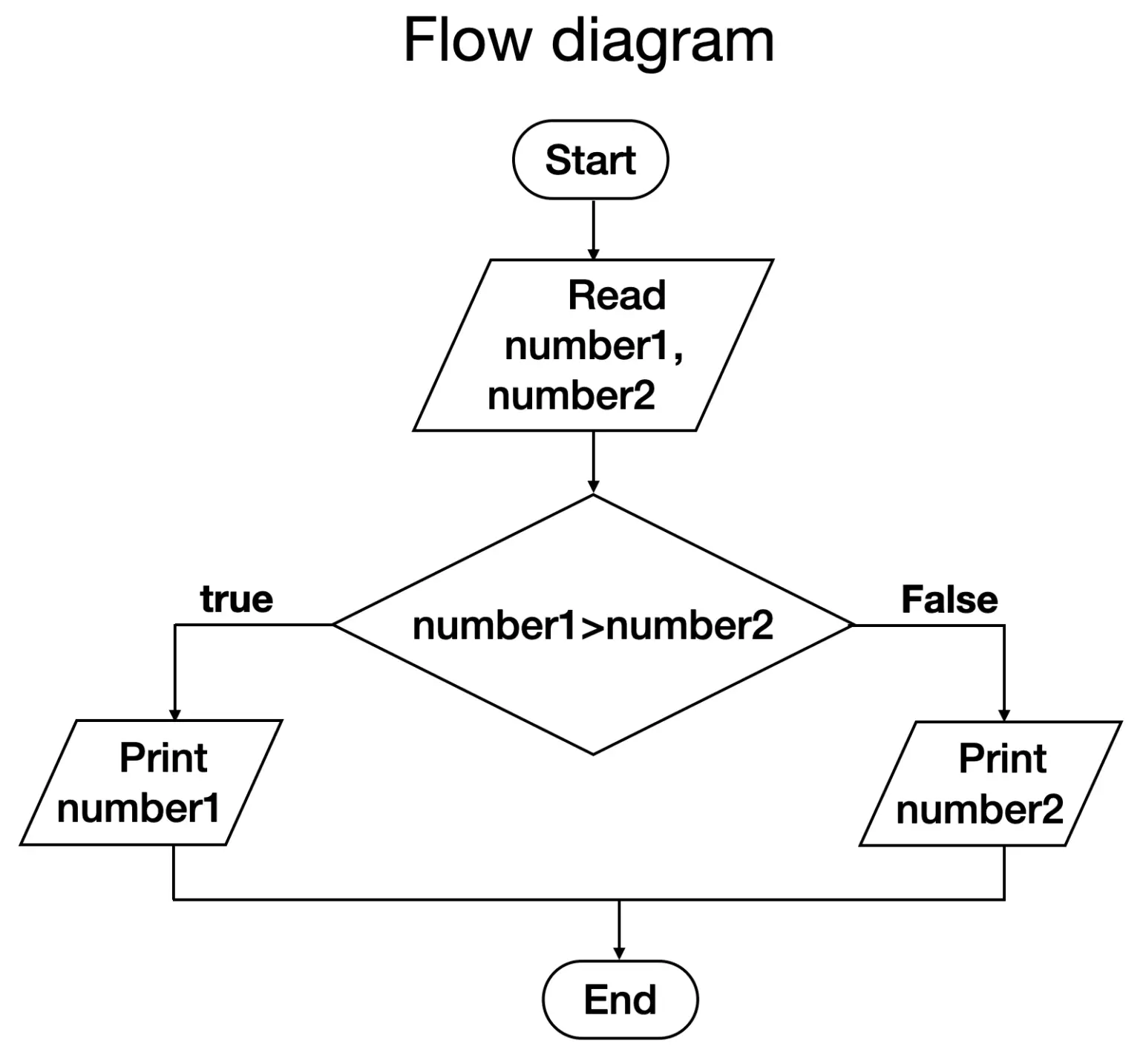
Is there a connection between domino tiles and wrecking balls and search engines? You may be wondering, but an “algorithm” originally meant “a formalized representation of the steps for solving a problem.” In the previous program, we calculated and combined various materials and actions to create a wrecking ball. etc. express the steps to reach the goal.
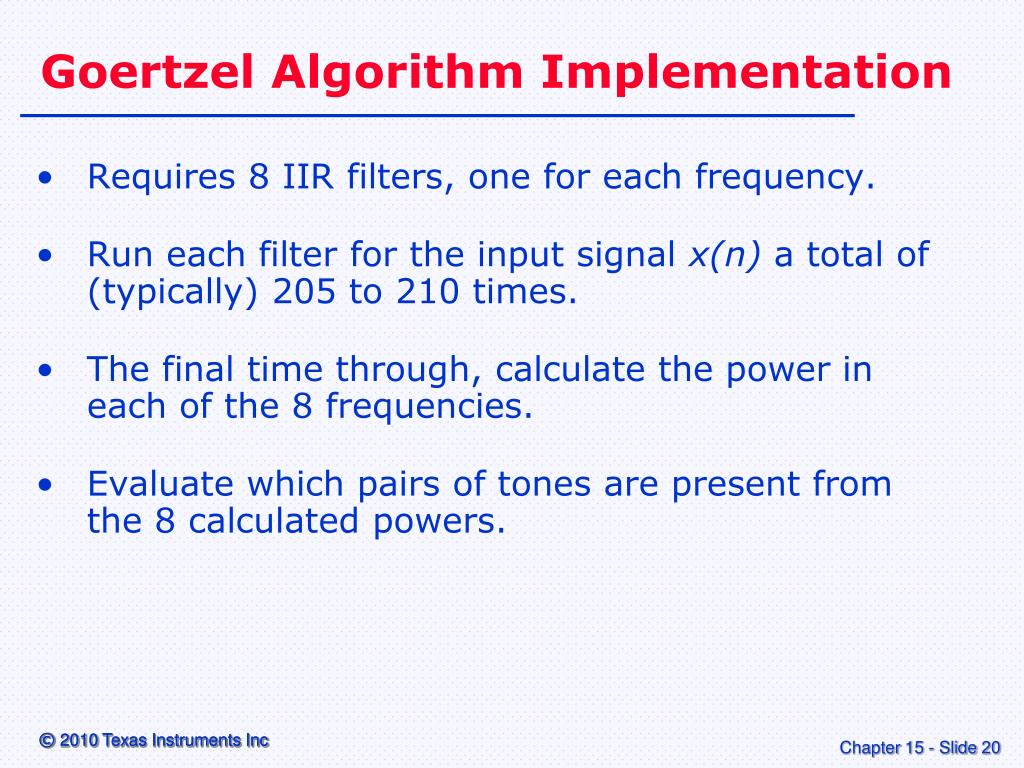
I’m off topic, but in SEO, an “algorithm” is a method used by search engines such as Google to “solve a problem (in order to display useful pages at the top of search results)” (within the search engine’s system). “expressed in a formalized form.”
Simply put, it is best to think of it as a standard for determining search rankings, and a method for deriving rankings based on those standards.
Search engines such as Google fine-tune their algorithms on a daily basis in order to display the high-quality, useful information that users need as high as possible and make it easier to use.
At times, they have made “large-scale algorithm changes” that overturn previous scoring standards, often confusing SEO professionals around the world.
So what criteria does Google use to set search rankings?
Outsiders like us don’t know what criteria Google uses to set search rankings, unless you’re an active engineer or director-level executive who is revising Google’s algorithms.
Because they don’t know, webmasters who aim to rank high in search pay huge amounts of advertising costs, and over 3 trillion yen in annual advertising costs end up in Google.
Even if he is a former Google employee, I don’t think he would know anything that goes into the core of the algorithm, and even if he did, he would be in a contract where he would have to pay a huge penalty if he revealed it. I’m sure it has.

For SEOs like us, if we look at the question “Why does Google keep updating its algorithm?” without being confused by information that is uncertain about truth or falsehood, we will end up with what Google calls “high-quality The shortest solution is to create content.
This is getting a bit abstract, but in addition to creating “high-quality content,” it might be interesting to think about, “If I were a Google engineer, what data would I use for scoring?”
If it were me, I wouldn’t use it as a scoring criterion if it was something like backlinks and link farms that seemed like a good scoring method but could easily be disguised.
If you want highly accurate data that is difficult to fabricate, it may be possible to use data from search consoles, analytics, etc. if you filter it through filters such as duplicate IP addresses.
The above is just a casual guess, but what is really important is to verify various data and find your own solution.
summary
Search engine algorithms are the “procedures and methods” used by search engine programs to post high-quality content in appropriate rankings.
Only Google knows the “procedures and methods” in the search engine program, so the shortest SEO solution is to aim for high-quality content recommended by Google, rather than skimpy SEO.