

“Unipos” allows employees to send “thank you” rewards to each other
–First of all, could you tell me about the service called “Unipos”?
Yanagawa’s
“Unipos” is a service that allows employees to send each other a small amount of performance pay called a “peer bonus.” When you want to thank your colleagues or praise their achievements, you can show consideration and encouragement to each other by sending a peer bonus along with a message such as “Thank you for everything.” Receiving a bonus, although small, has the effect of increasing employee engagement and job satisfaction.
It is used by everyone from venture companies to major companies such as Lion, and currently has approximately 200 companies and over 20,000 users.
–In recent years, an increasing number of companies have introduced “thank you cards” (cards in which employees write words of gratitude and hard work and send them to each other), but how is “Unipos” different?
YanagawaCustomers
sometimes ask, “Is there a web version of the Thank You Card?” Many companies have introduced thank you cards, but as they continue to operate, they become laborious and costly, and even employees who read the cards with interest at first gradually get used to them and end up becoming obsolete. There are times when I end up leaving it behind.
On the other hand, “Unipos” generates a bonus even if it is a small amount.
Therefore, it is hard to feel embarrassed when sending items, and the “delay points” that you receive are reset every Monday, so many people end up using them all at once on Friday if they feel like it’s a waste.
In addition, by implementing various mechanisms, we have created an “system that makes it easy to continue” without the need for HR personnel to “use points”.
In addition, the recipient will not only be able to say “thank you” but also receive a small reward, which will give them a strong feeling of being “recognized by the company.”
–What kind of companies are using it?
Yanagawa:
Recently, we have been receiving more and more inquiries from companies that have undergone complete work style reforms, such as office improvements and the introduction of telework. Many companies are considering Unipos as the next step to increase employee engagement and job satisfaction.
We have also received many inquiries from managers who want to foster an organizational culture that encourages taking on new challenges. Unipos is supported by managers who want to use Unipos to create an organizational culture that accepts new challenges for medium- to long-term corporate growth.


Introduction cases led to media coverage
――When the service was first released, what kind of media and methods did you use for marketing activities?
Yanagawa
:In the first place, the Unipos service itself was a completely new service, not one that could be classified into any existing product category, so there was no awareness of it and people couldn’t imagine what it was and what it was for. Marketing activities started from this state.
First of all, we need to spread awareness that “employees have bonuses that they can share with each other,” and also that “by introducing them, we can strengthen work satisfaction, teamwork, and increase engagement.” I had to go.
The first thing we worked on was a teaser site. We opened a site similar to a pre-site that did not provide any details about our services, and started acquiring leads from that site. When we opened a month before the release and issued a press release, we received about 300 inquiries in one day. The following month, we held a launch event with around 100 people and invited members of the media.
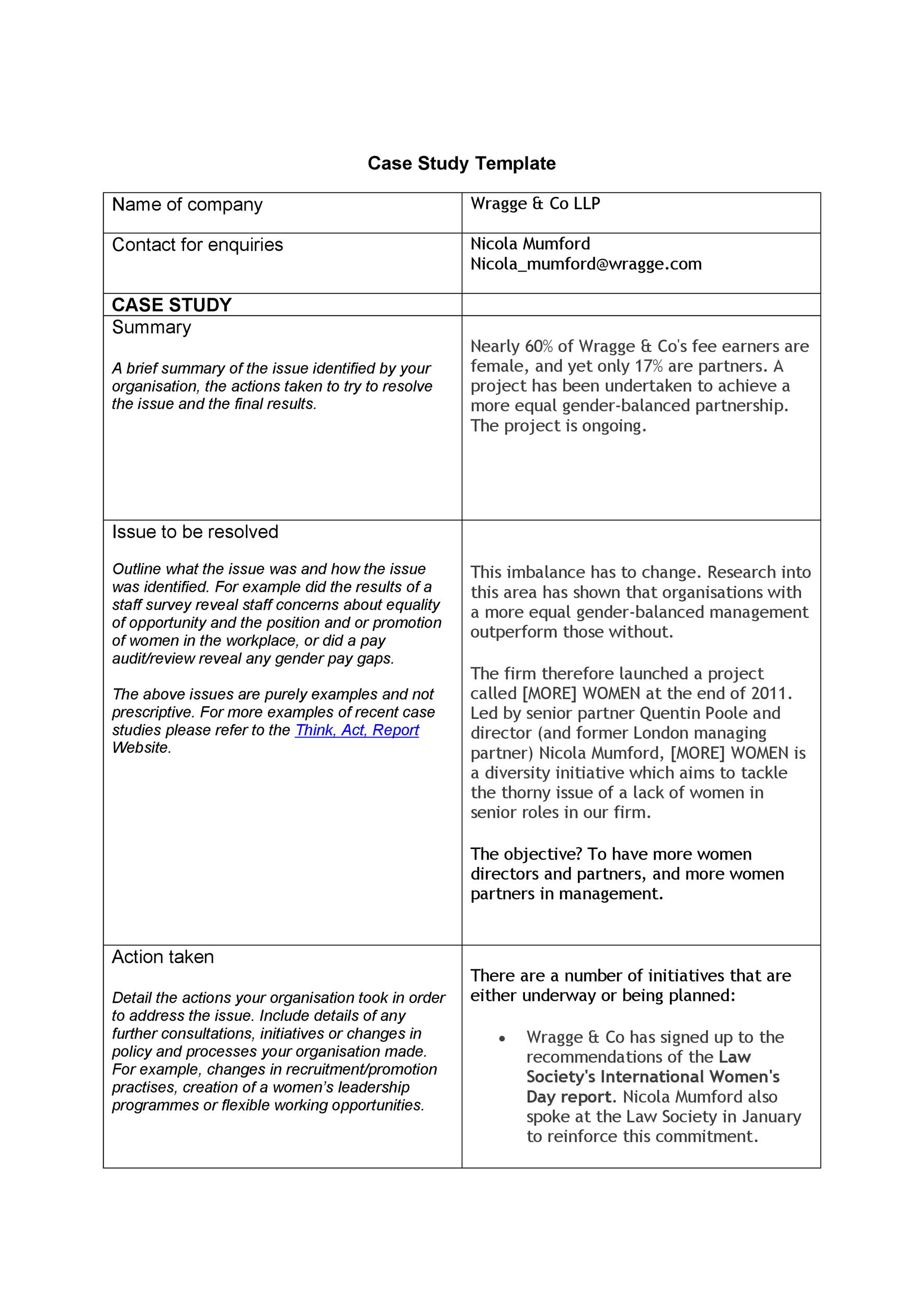
Marketing activities began in earnest from that event, with particular emphasis on creating implementation examples. We believed that there is nothing that will help our services grow more than hearing from our customers, asking them what challenges they had when introducing the service and how satisfied they were with it.
Through interviews, we gathered feedback on our services and continued to improve our products. At the same time, we had customers share our interview articles on social media, and we received inquiries from business owners who saw them and asked if they wanted to hear our story.
In addition to increasing awareness of the service through word of mouth, the service was also improved through customer feedback, which was a great example of implementing a measure that killed two birds with one stone.
Furthermore, after reading the articles on the introduction case study blog, media outlets sometimes interviewed the companies that adopted the system again about peer bonuses.
Additionally, we have seen an increase in the number of companies that have introduced Unipos to communicate about their initiatives using Unipos on their corporate sites and recruitment blogs. We would be very happy if we were able to contribute to our customers’ corporate branding through Unipos usage stories.
–How many implementation examples have you created?

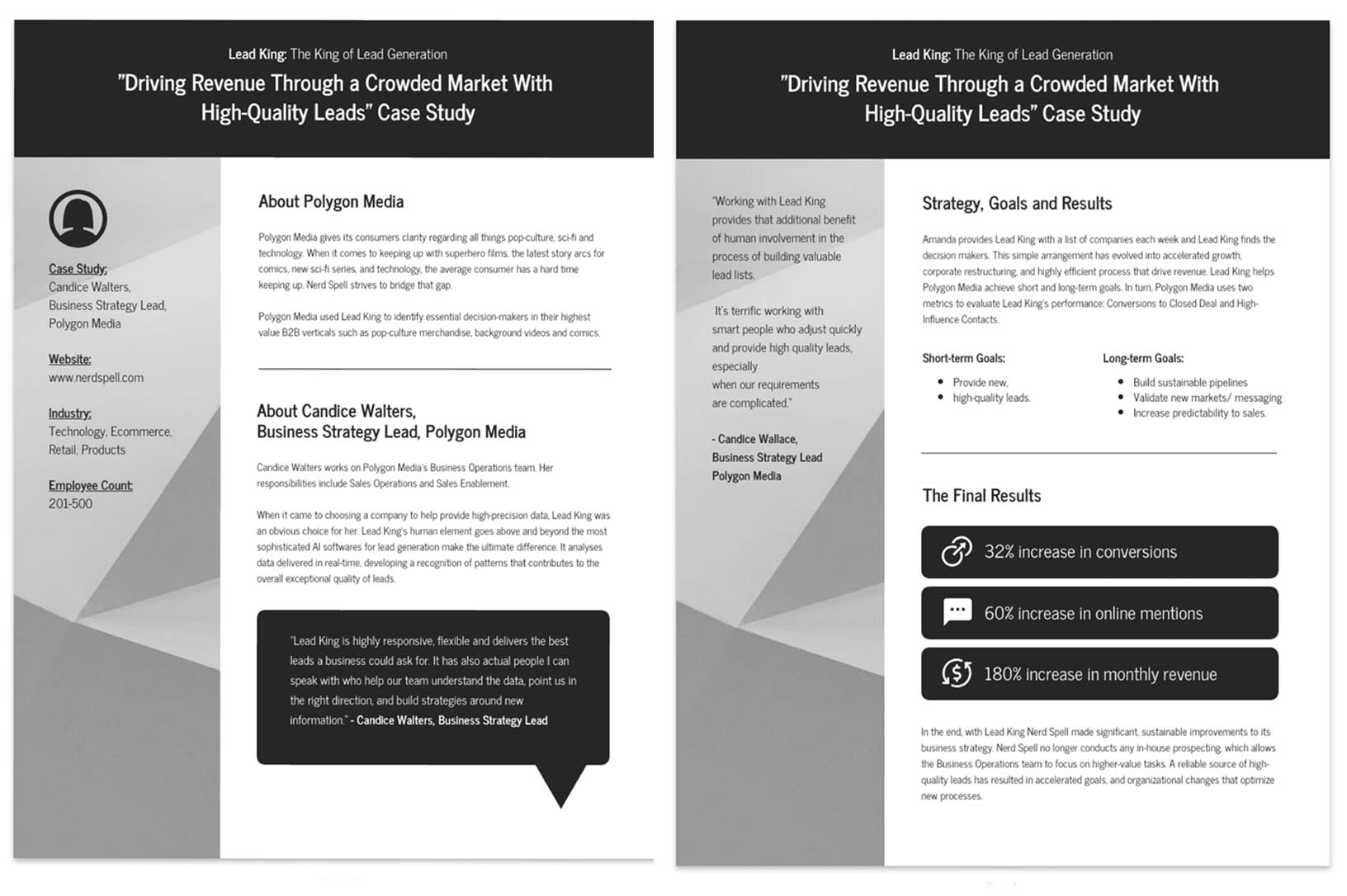
In less than two years since
Yanagawa’s
release, we have created more than 50 implementation examples. We used the web to reach customers in rural areas, visited customer sites that were not far away, and continued to create case studies without worrying that “BtoB is just a case study”.
–You have created a large number of case studies at a rate of several per month.
After posting
HR
Pro, inquiries from major companies increased.
–What led you to start promoting with HR Pro?
Yanagawa
: As I mentioned earlier, “Unipos” is a service that first became popular among venture companies, but major companies also have similar issues such as “wanting to increase productivity by increasing employee engagement and job satisfaction.” I felt that there was. Therefore, after searching for websites that are frequently viewed by HR personnel at major companies, I came across HR Pro and applied for listing.
――What kind of reaction did you get after actually posting it?
When
Yanagawa
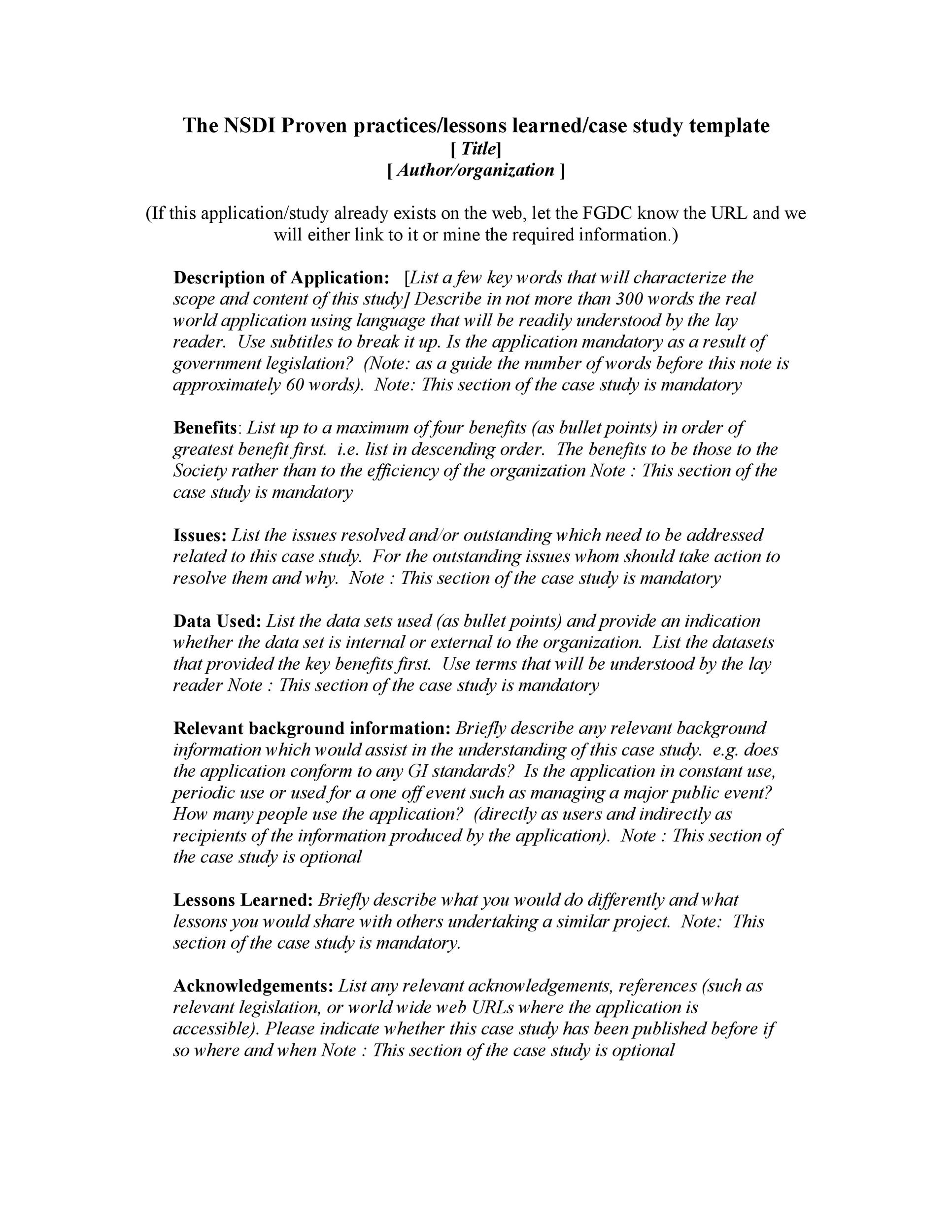
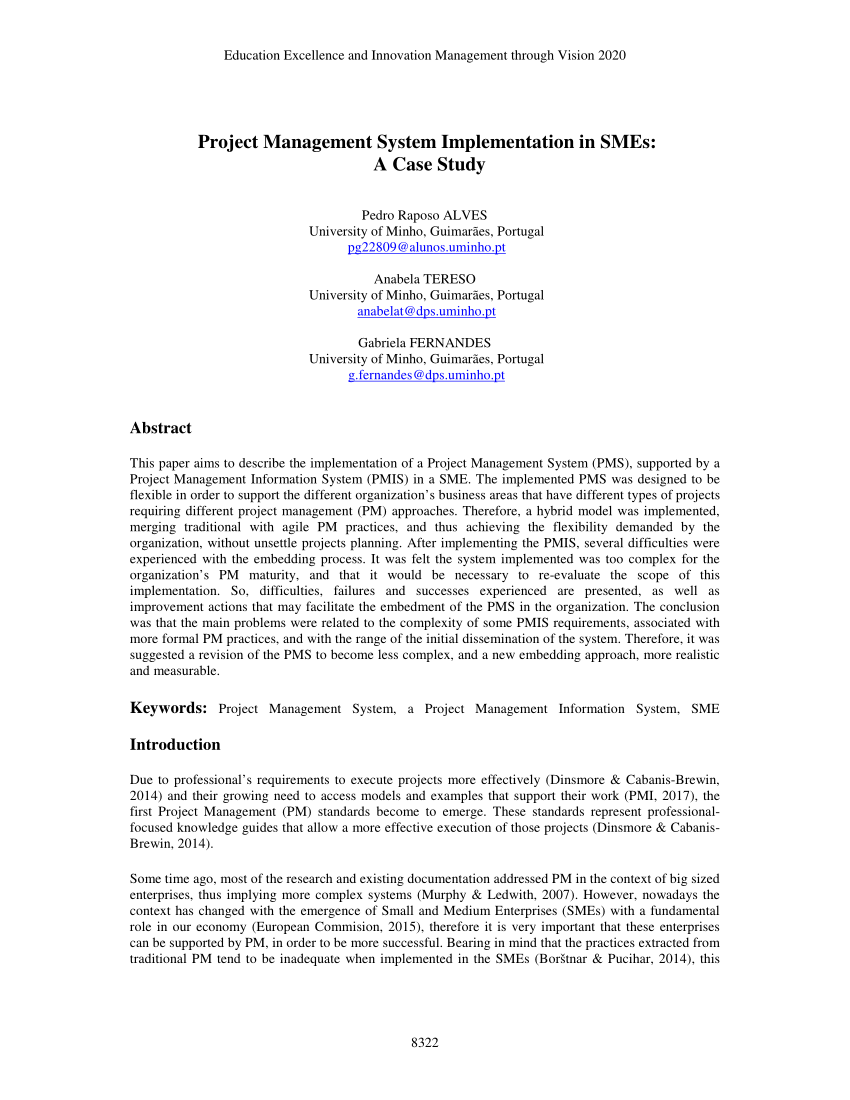
HR Pro posted an example of Mercari’s implementation in an email to members, the response was great. “Unipos” is a new service that does not exist in existing genres, so I was worried whether HR professional members would understand it or whether they would be interested in it.

――I think having a track record of implementation by major companies increases the credibility of the service itself, and it also makes it easier for members to get a concrete experience after implementing it.

Yanagawa
: That’s right. In addition to posting on HR Pro, out of all the external measures implemented throughout last year, HR Pro had the highest cost effectiveness and satisfaction. The target content rate was also very high, and the target lead acquisition cost was the lowest.
Through a series of initiatives with HR professionals, such as participating in offline HR summits and creating original content together, our recognition among major companies has definitely improved. Currently, we receive many inquiries from major companies.
Also, this was my first time using external media, and to be honest, I had the impression that it was a little cold compared to inbound downloads from our own website.
After seeing examples of implementations from companies such as Mercari, we received many enthusiastic inquiries such as “I was a little curious, so I decided to give them a call”, so we realized that leads acquired through external media still needed nurturing.
Later, after the inside sales department was established and a nurturing system was in place, things started to work well, and I strongly felt that nurturing was necessary in order to maximize the effects of external measures.

–What do you think about our sales staff and production staff?
The sales person in charge of
Yanagawa
reflects our brand image in the content surprisingly well and is committed to our goals. Thank you very much for always responding quickly to our requests.
I feel that they work extremely closely with the writers and designers who are producing the work.
The HR professional only needs to tell us the purpose of the project and major points to consider, and he quickly responds in accordance with our intentions, so currently we don’t have to deal with the details too much and leave everything to him.
–I am truly humbled to receive such kind words.
–Are there any measures you would like to take in the future?
Yanagawa:
In 2019, we plan to further expand the scale of our efforts and design marketing communications while further strengthening collaboration. We don’t just acquire leads, we also develop content with an eye toward subsequent nurturing and business negotiations.
I would definitely recommend HR Pro to BtoB companies. Thank you for your continued support.