

We don’t know the product as well as the systems department, and we don’t know the customers as well as the sales department.

When introducing a new service or product to the market, there must have been some impetus that led to its development. If the business development department or marketing department takes the initiative, it may come from an analysis of market needs and the environment, or an idea for a product or service derived from analysis of IoT information or Big Data. However, most of the time, the system department and sales department were doing other work, so isn’t this part also in demand elsewhere? Wouldn’t other people want this service too? I think it’s quite common for new products and services to be proposed as part of product development. There is no doubt that this is a valuable idea method based on empirical rules.

So, how should we in the marketing department participate in product-out ideas? People in the systems department probably don’t know the product as well as people do, and even if they know the market, they don’t know the customers as well as people in sales.
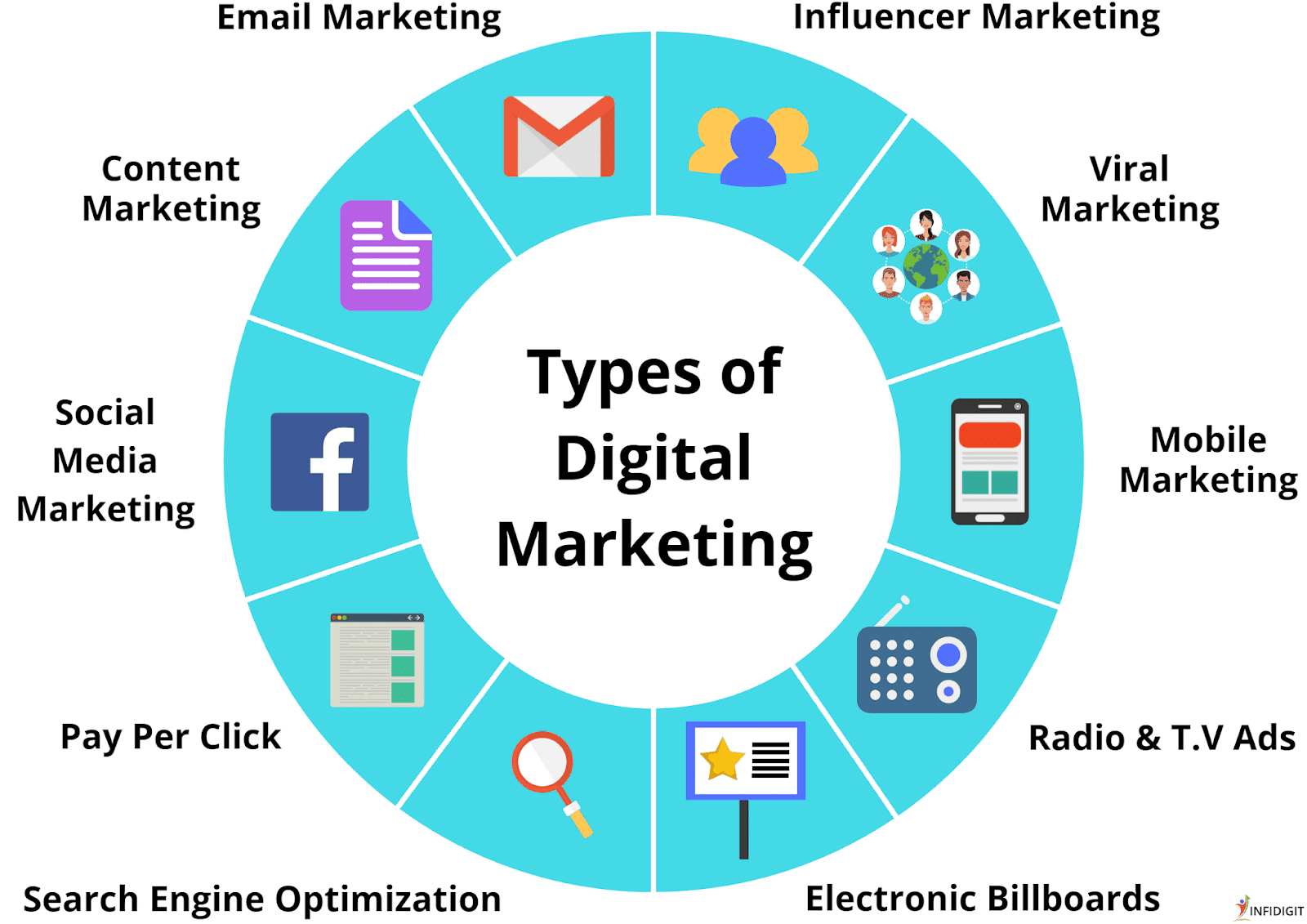
The trap that product-out thinking falls into
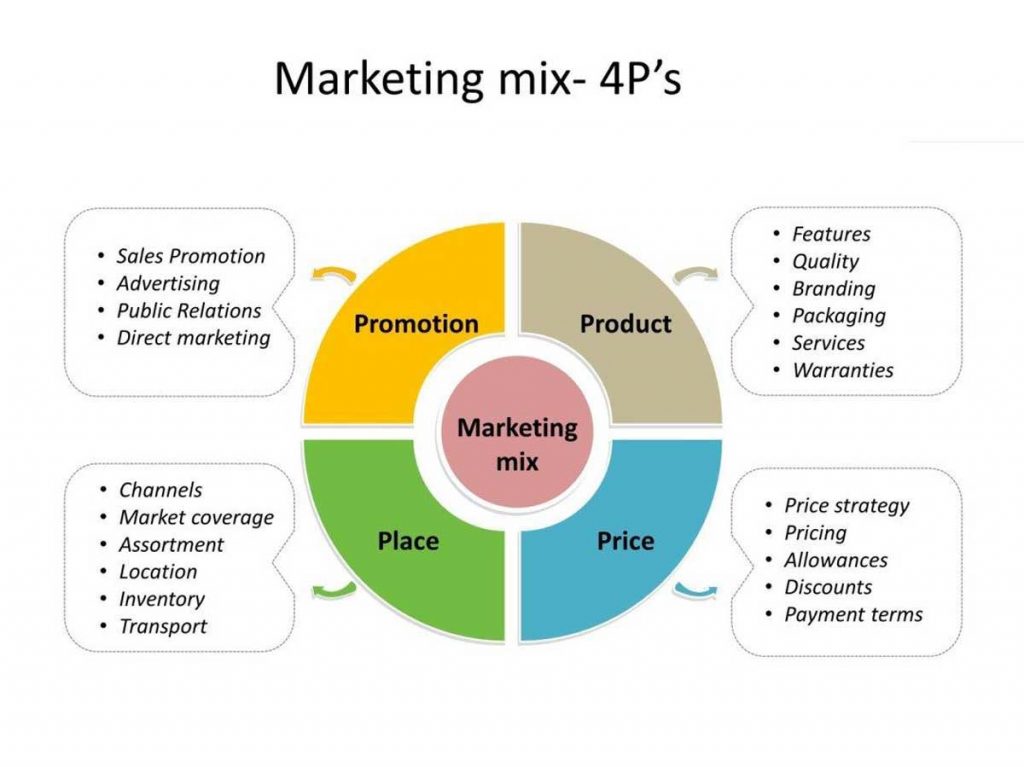
What often happens when an idea is proposed with a product-out mindset is that the idea is gathered with the full belief that it will definitely sell, or in other words, begins to create persuasive materials based on biased information. Isn’t it? I feel that this is especially common among business leaders and corporate managers when creating persuasive materials or building a business that is often biased. Also, you may decide that this is a very good product and that it will definitely sell based on the world you can see right now. Even if it is a product-out idea, there is no problem if the idea comes from an environment where we are located in the middle of the market and can see every corner, but in most cases In many cases, the world that we can see is only a part of the world centered around the market in which our company is located.
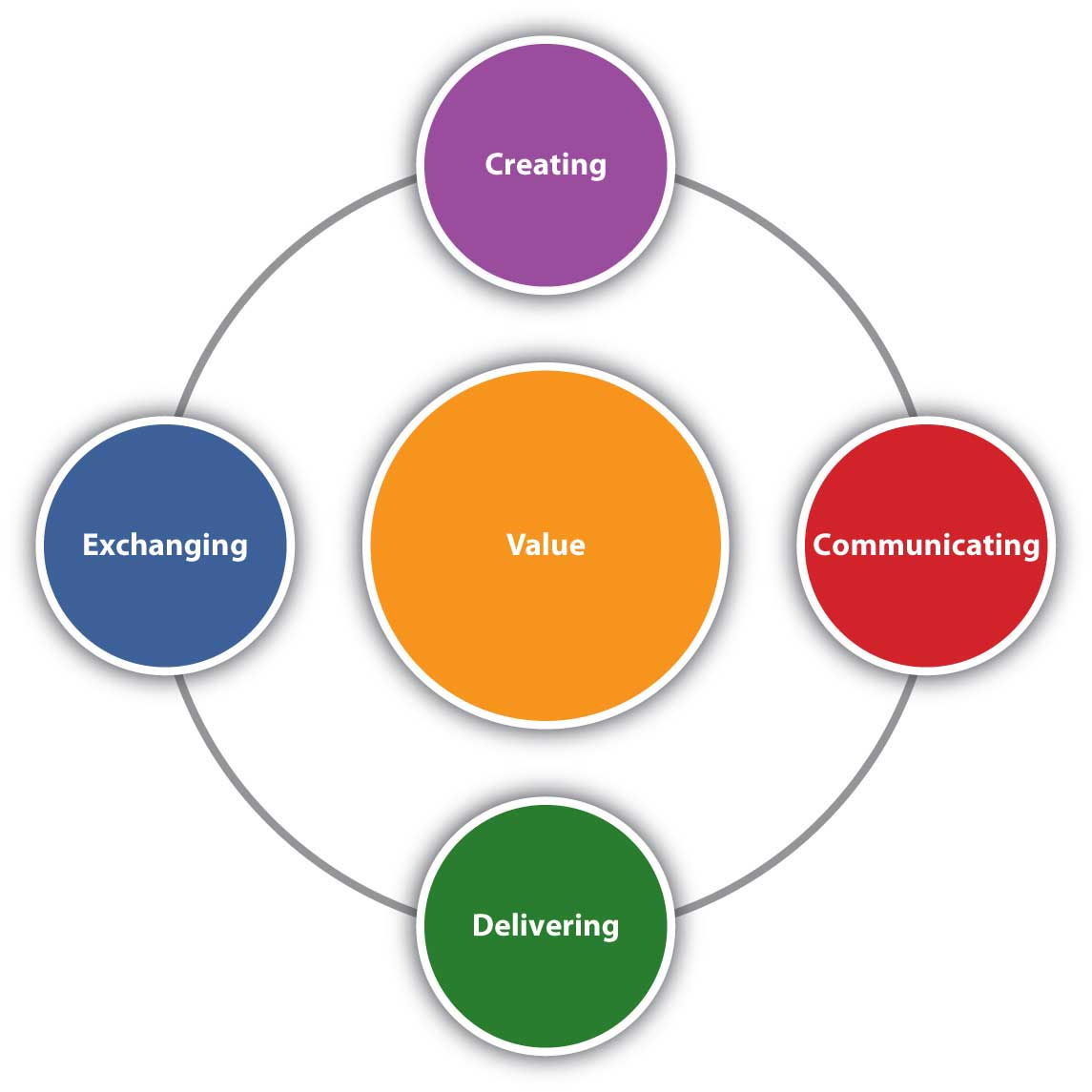
What marketing can do

They don’t know the product as well as the systems department, and they don’t know the customers as well as the sales department. This may be the case in the marketing department, but on the other hand, we have a wide information network both inside and outside the company that goes beyond the company and organization, and we have been learning techniques that allow us to use various frameworks to broaden our perspectives from multiple angles.

This ability is extremely effective for getting out of the trap that you often fall into with product-out ideas, as mentioned above. Rather than being influenced by the company/department-only atmosphere that is unfolding in front of us, we calmly judge the scope of what we can see and break through biased ideas and materials. By creating an opportunity to raise the perspectives of those involved, you will be able to raise the perspective of the entire project.
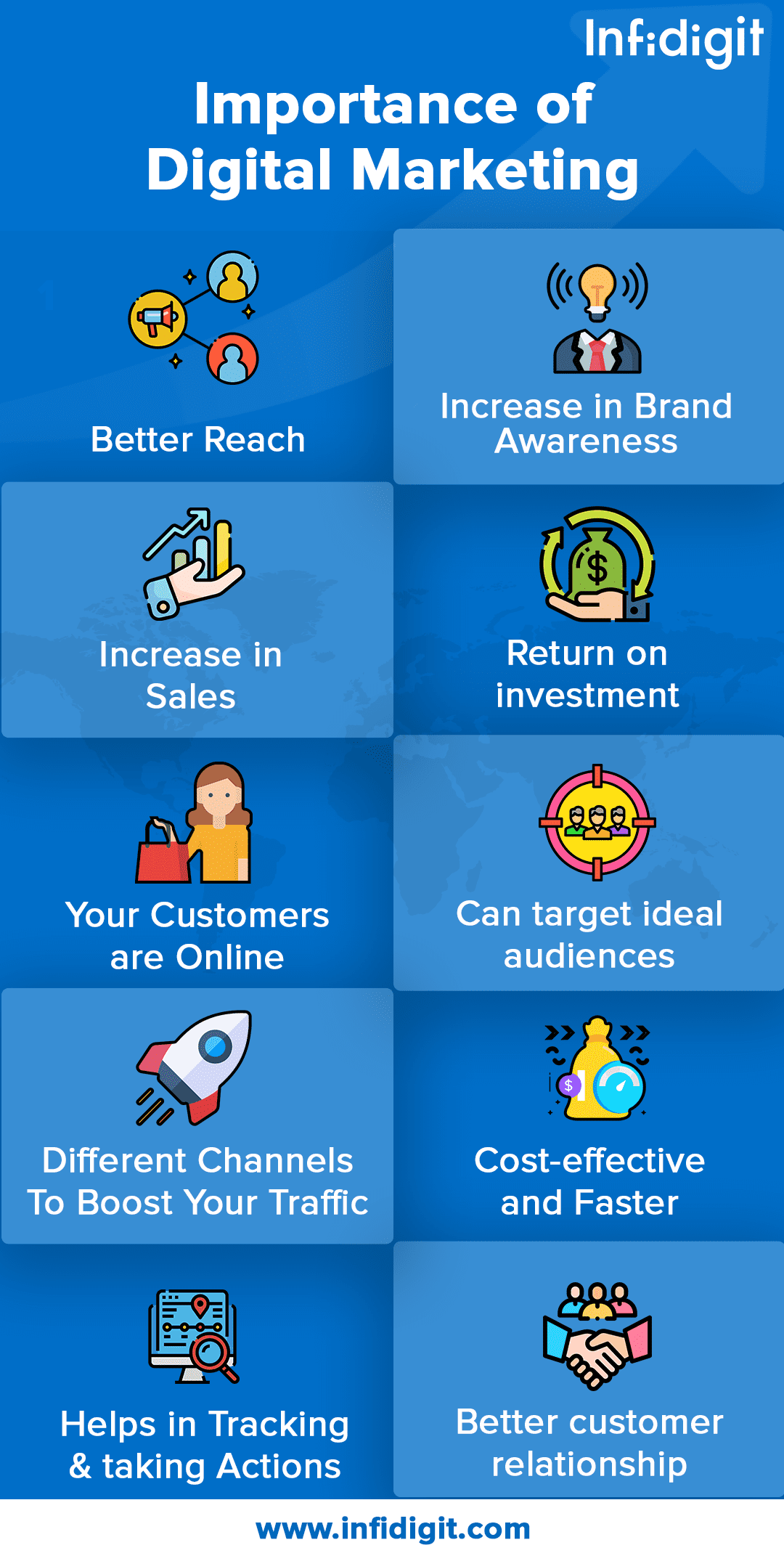
People who dig wide People who dig deep

Challenge industry and market changes and create new markets. And in order to be evaluated as an innovator, it is necessary to create new services and products. In doing so, we must not only unilaterally communicate the value we want to communicate to the outside world, such as our technologies and ideas, but also consider where in the market that value should be demonstrated and what will truly be accepted by the market. It is necessary to reconsider from a broader perspective who this product is made for.
When developing a product or service, the role of helping people think about these things throughout the project is extremely important, and I believe this is one of the things the marketing department is good at.

profile
ProFuture Co., Ltd. Marketing Solution Department Fellow Takayuki Matano
Joined Oracle Japan in October 2000. Since then, I have worked at the Marketing Headquarters for about 18 years.
In addition to being in charge of campaign marketing for products and services,
We have also promoted large-scale events and corporate events.
Currently working at TIS Corporation, he also serves as a fellow at ProFuture Corporation.
Launching a shared service program and in-house integrated marketing infrastructure;
Alliance marketing with partner companies, etc.
He is good at creating marketing “systems”.
If you have any planning or consultation questions, please contact ProFuture sales.