

Conversion design is a fundamental issue for marketers.
Conversion means “increasing the final results” of marketing activities. By designing conversions correctly, you can increase the effectiveness of your initiatives and aim for maximum results for your company.
In this article, we will explain the different types of conversions that can be used for various purposes, as well as measures that you should take immediately to improve results.
What is a conversion?
(CV) is a term meaning “conversion” or “conversion.” In marketing activities, it refers to the “final result,” and the conversion mission will change depending on what you want to achieve.
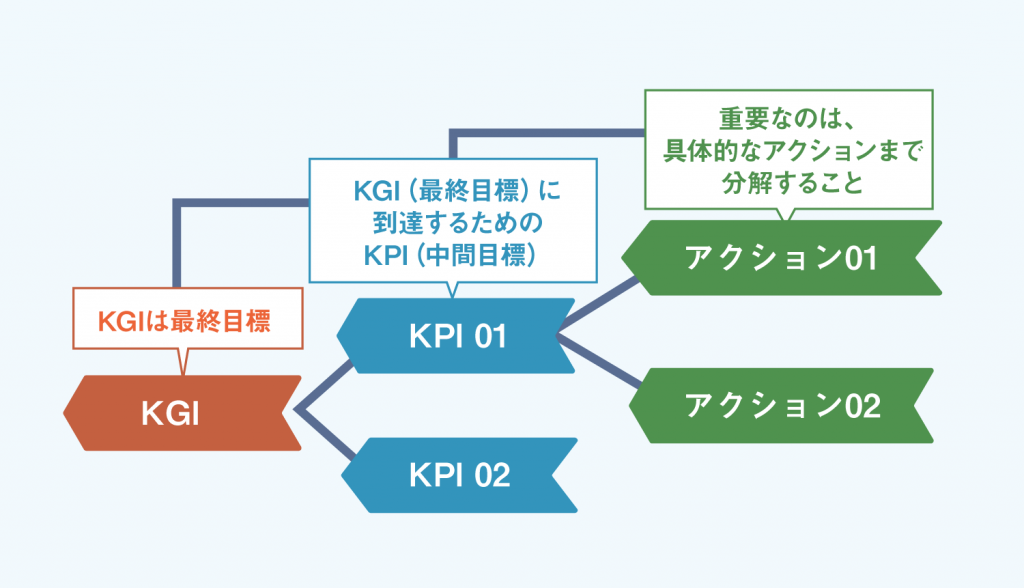
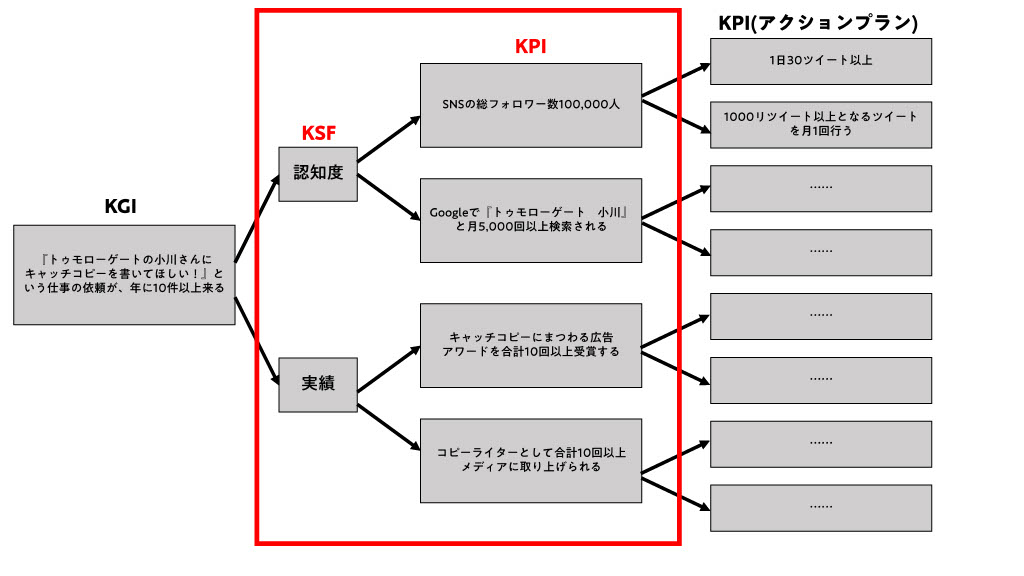
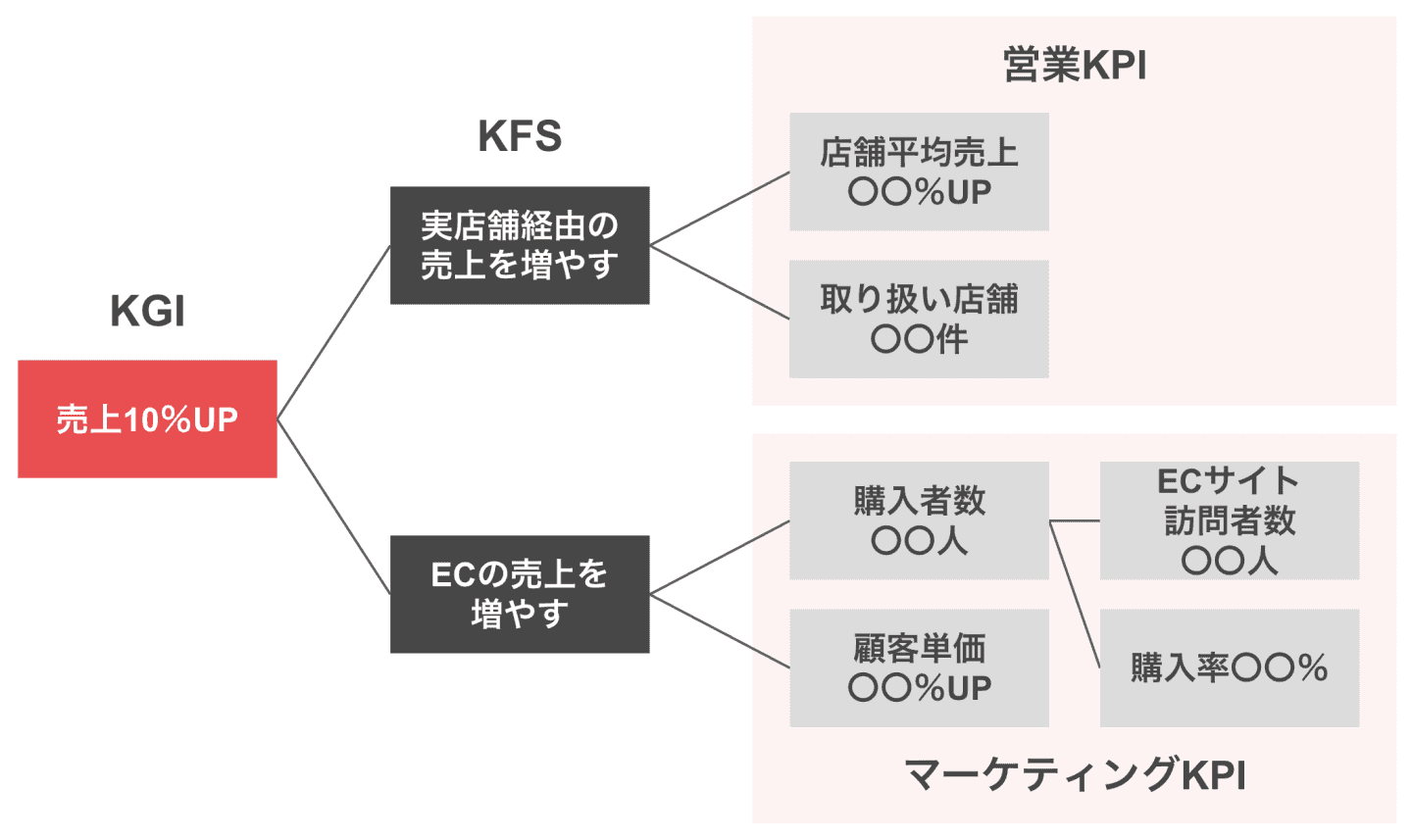
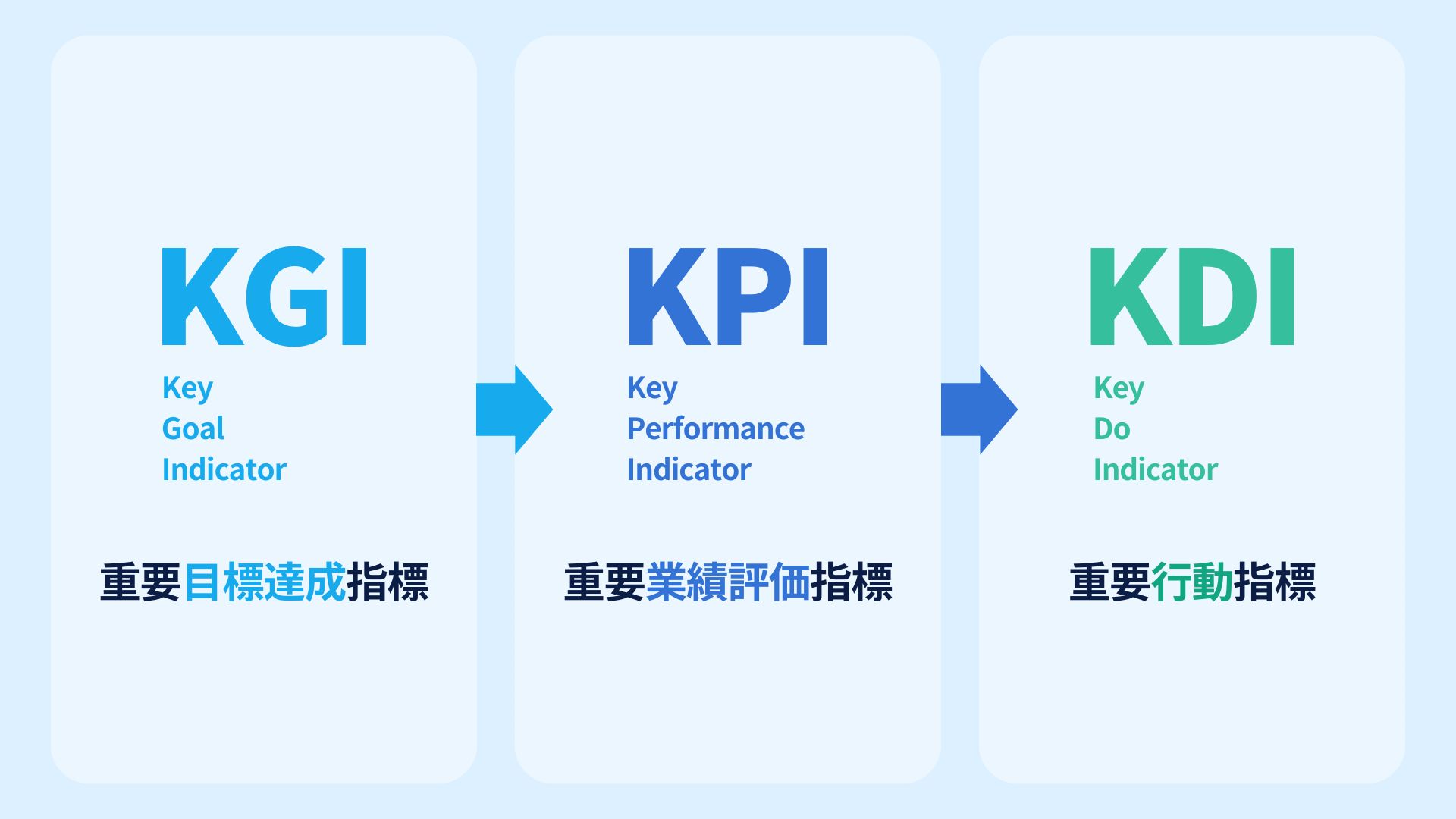
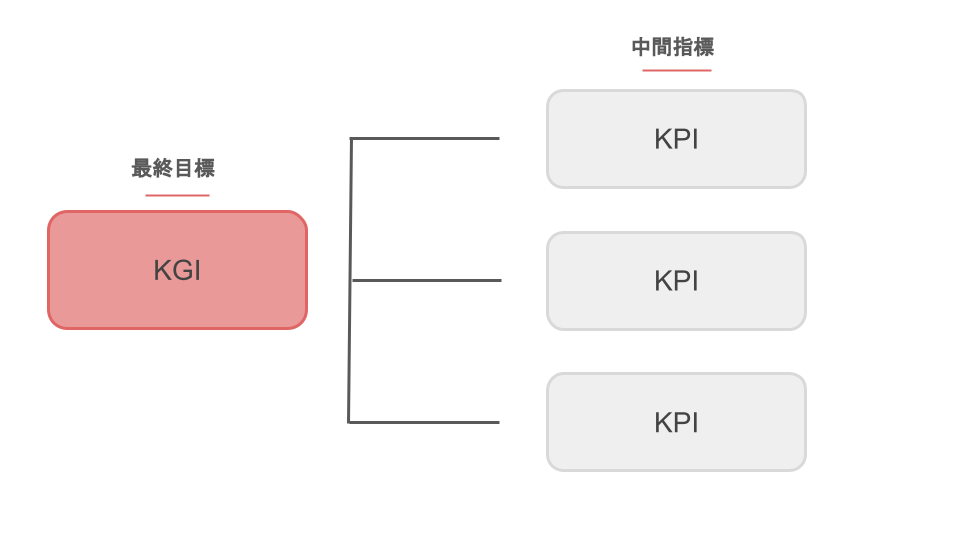
Similar indicators include the KGI (Key Goal Indicator), which is the final important goal, and the KPI (Key Performance Indicator), which is the progress goal.
Conversion is a marketing term that applies to both.
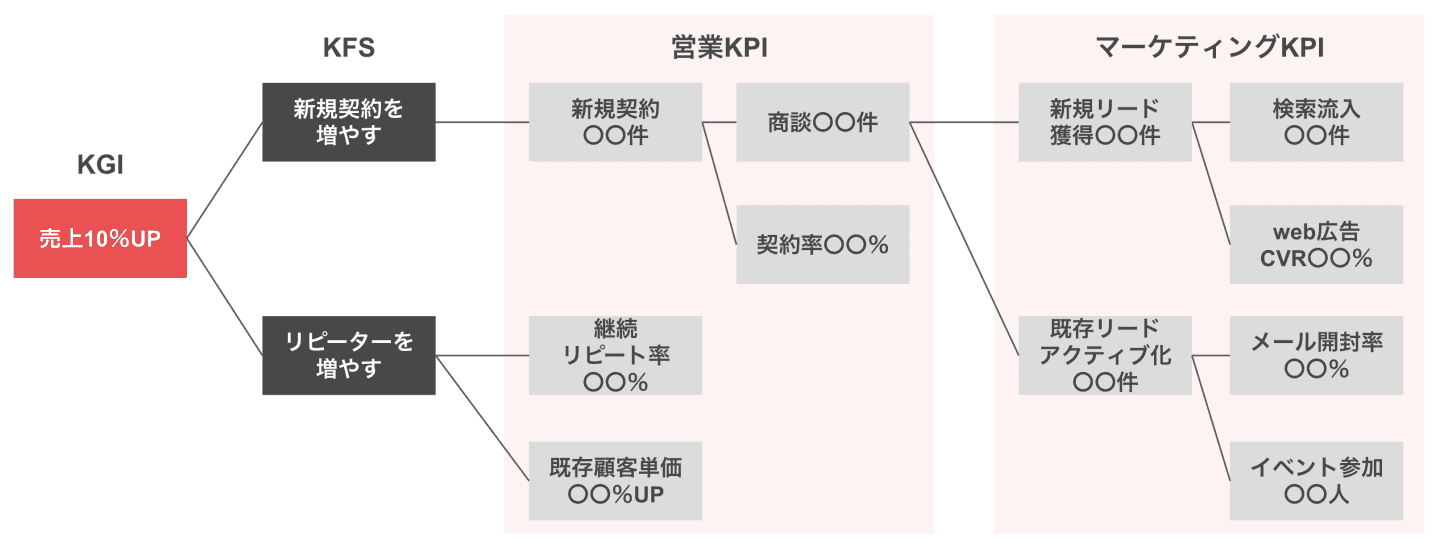
It is possible to quantify the results of each KGI and KPI by using something like “The current KGI is 500 conversions.”
In addition, the term that refers to the percentage of the total that is the verification result of conversion is the conversion rate called CVR. This can be said to be an important indicator as it shows the percentage of conversions.
Reference source:
Check out the types of conversions and recommended measures to increase them.

Understand different conversions
There are various types of conversions. Since it’s a marketing term that expresses the “end result” in numbers, anything can be a conversion.
For example, in the case of a physical store, conversion could be based on the number of visitors or the amount paid per person. No matter where you set it, you can safely call the final result a conversion.
It is also important to note that there are many different types of conversions.
“Direct conversions,” which are results achieved by consumers via advertisements, and “total conversions,” which represent the number of times consumers visited a site via the advertisements and achieved results.
Additionally, “indirect conversion” is when consumers who did not reach their goal on their first visit achieve results on their second visit.
Let’s also understand “click-through conversion,” which is related to clicking on an ad link, and “view-through conversion,” which is the result of video advertising.
Reference source:
Check out the types of conversions and recommended measures to increase them.
What are the measures to increase conversion?
In order to increase conversions, the key is to create clear goals within your organization, that is, to carefully consider “where to set conversions” at an early stage.
:max_bytes(150000):strip_icc()/Key-Performance-Indicators-e2cedcbe530c4440bb21a22bdf7dc63f.png)
It is important to come up with effective measures after determining key conversions, such as “increase the number of new visitors,” “increase sales by 20%,” and “increase the number of new product purchases.”

After deciding what the goal is, quantify the results and accurately measure them. If you set KGI/KPI in conjunction with conversion, you will be able to find more detailed issues and problems leading up to conversion, and you will be able to quickly improve your measures.
Reference source:
Check out the types of conversions and recommended measures to increase them.

summary
When it comes to conversion in marketing, it is important to first clarify goals and objectives and set them at the same time as KGIs and KPIs.
In order to increase conversion and achieve your goals, you will need to constantly check and analyze the numerical data. Regularly verify whether the marketing strategies you have developed are beneficial and make adjustments to ensure that they lead to the company’s final results.

Reference source:
Check out the types of conversions and recommended measures to increase them.