

Merchandising (MD) is one of the important elements in the distribution and retail industry. Merchandising has a wide range of meanings and there are many different types, so understanding it correctly will allow you to take more effective measures.
In this article, we will explain the overview and history of merchandising, as well as the purpose and types of merchandising. If you want to know the meaning, types, and effects of merchandising, please refer to this article.
What is merchandising?
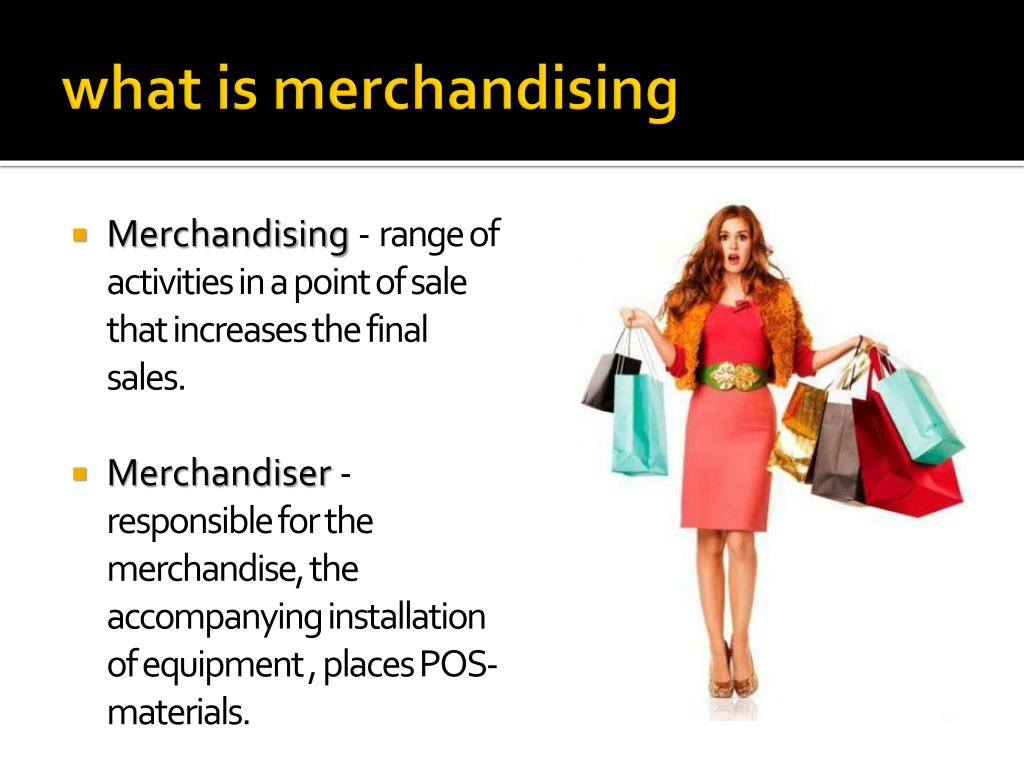
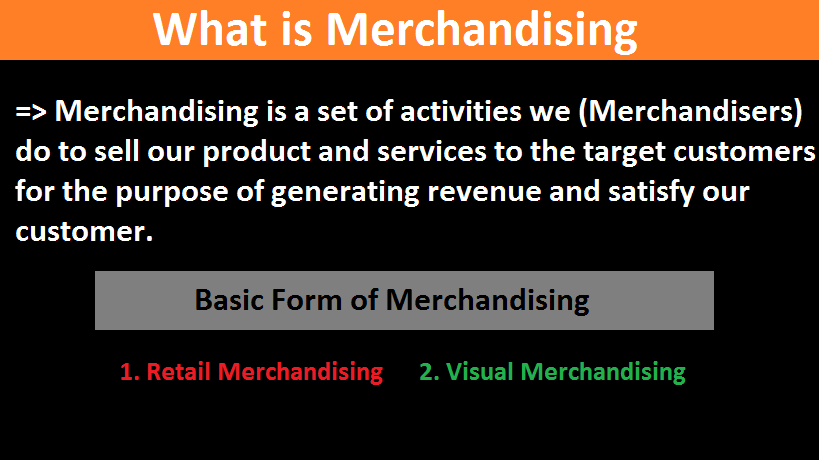
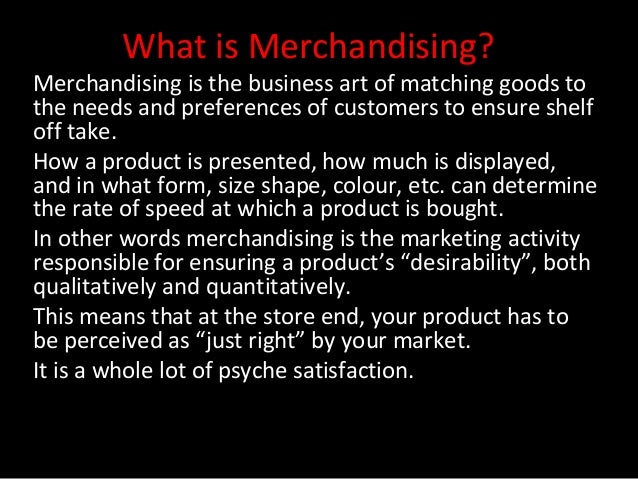
Merchandising (MD) is a marketing term that refers to one of the various strategies and methods for selling products.
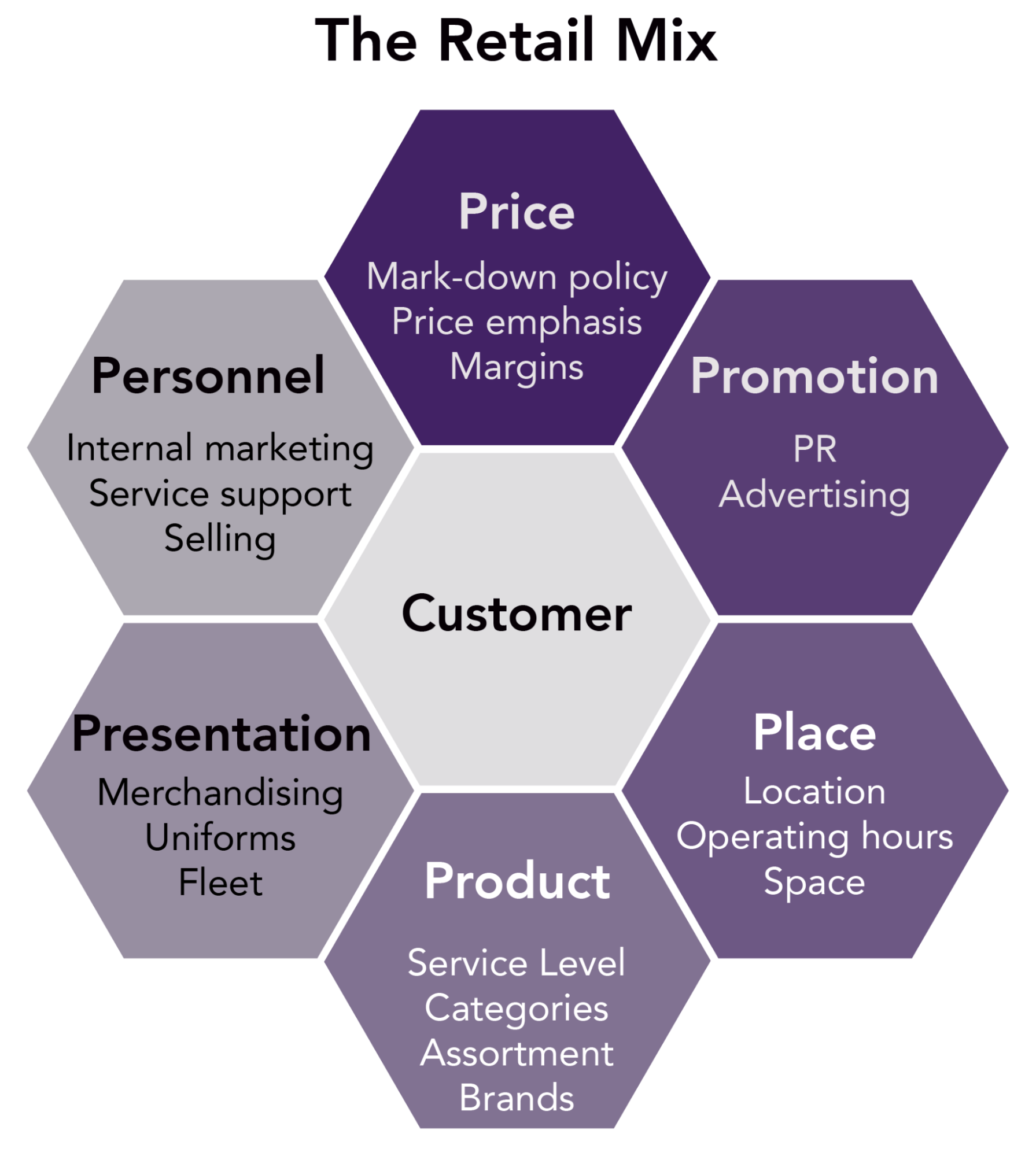
The meaning of merchandising is wide-ranging, including product selection, display, placement, pricing, and promotional activities, as well as the product planning process up until the consumer purchases it.
What merchandising refers to changes depending on the industry and context, so it is important to understand the definition and meaning of the term. Also, keep in mind that the process from purchasing products to selling them is sometimes called the merchandising cycle.

History of merchandising
Merchandising was developed from the following two backgrounds.
I will explain each in detail.
The advent of POS systems
A POS system is a system that uses barcodes to collect and manage data such as sales and inventory information in real time. With the advent of POS systems, it has become possible to quickly check sales and the number of remaining products, allowing you to accurately understand which products are selling well and which products are selling well.
As more data is collected before a product reaches the consumer, merchandising can now be carried out more efficiently.

Relationship with department stores
The characteristic of department stores, in which they carry a wide variety of products in one place, has led to major advances in merchandising.
Since department stores carry a wide variety of products in large stores, merchandising has developed because of the importance placed on product placement, display, pricing, and promotion. Unlike supermarkets and drugstores, there are many visitors to department stores who do not have the purpose of making a purchase.
Merchandising was further developed in response to the department store’s challenge of “how to get customers who have no desire to purchase to do so.”
For example, window displays and in-store displays at department stores not only highlight the products, but also create an atmosphere that motivates customers to make purchases. The above can be said to be merchandising to make department store customers, who have no intention of purchasing, want the product.
Purpose of merchandising
Merchandising has two main purposes:
I will explain each in detail.
Inspire purchasing intent
One of the important purposes of merchandising is to motivate consumers to purchase.
In order to increase customers’ desire to purchase, it is necessary to think strategically about various factors, such as the placement and display of products in a store, and the use of lighting and music.
For example, it is important to lower the hurdles for purchasing a product by designing product displays that are easy for consumers to pick up, and by providing pop-up information to explain the product. Additionally, changing the brightness of the lighting or playing music to match the image of the store or product are effective ways to motivate customers to purchase.
As in the examples above, merchandising is a combination of factors that motivates consumers to try products and continue shopping when they visit a store.
Merchandising is more than simply arranging products; it is a strategy that guides consumers’ purchasing behavior and ultimately increases sales.

advertise the product
Product promotion is also an important purpose of merchandising. Displaying and arranging products in a store helps to maximize the appeal of the products themselves and promotes them to customers. For example, if a new product is introduced, placing it in a prominent location in the store will make it more visible to customers.
It also organizes and arranges products by color, size, category, etc., making it easier for customers to find the products they are looking for. As mentioned above, merchandising is a means of “promoting” products, and by devising ways to handle products in stores and maximizing the value and appeal of products, merchandising is an important means of promoting products. play a role.
:max_bytes(150000):strip_icc()/the-5-most-important-elements-of-visual-merchandising-2890501-v3-HL-FINAL-5be99f80c9e77c00517b2727.png)
Three methods of merchandising
There are three methods of merchandising:
I will explain each in detail.
visual merchandising
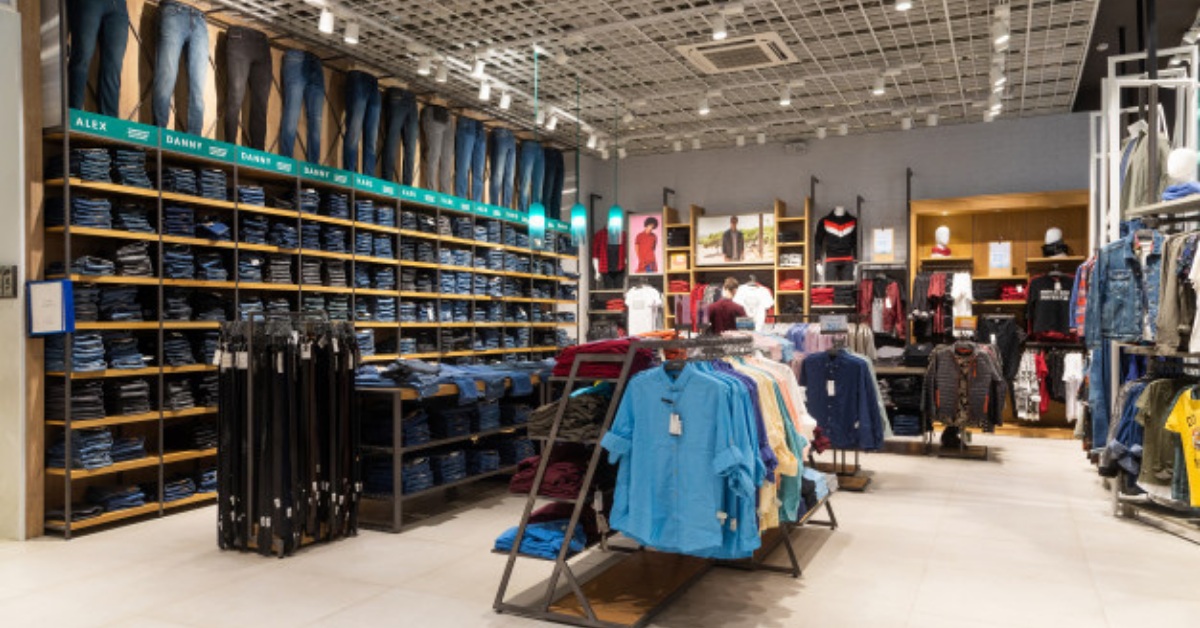
Visual merchandising is a merchandising method that uses visual elements to make products look appealing. Use visual means such as store design, product placement, lighting, color, signs and posters to motivate consumers to purchase.
Examples of visual merchandising include placing new products in prominent locations in the store or placing popular items near the cash register. In addition, important elements in visual merchandising include decorations to create a sense of the season and lighting to emphasize specific products.
Furthermore, visual merchandising has the role of unifying not only the products but also the overall image of the store and instilling an image of the store and brand in the minds of customers.
cross merchandising
Cross-merchandising is a merchandising method that encourages customers to purchase other products by displaying related products together. For example, placing pasta sauce near pasta in a supermarket, or displaying jam and butter near the bread section, can make it easier for customers to purchase pasta and pasta sauce, and bread and jam at the same time. It corresponds to merchandising.
In cross merchandising, it is important that the products are compatible with each other. By placing closely related products together, you can make it easier for customers to find the products they need and increase their purchase intent.
Cross-merchandising is also a very effective method for cross-selling.
lifestyle merchandising
Lifestyle merchandising is a method of displaying products tailored to specific lifestyles and life scenes.
For example, outdoor goods stores display items such as tents, barbecue grills, and sleeping bags to give people a concrete idea of what it would be like to enjoy camping.
Large furniture stores often display products in sections based on themes, such as children’s rooms for girls or modern rooms. As mentioned above, by displaying images of products in actual use at stores, consumers can easily imagine using the product after purchase, increasing their desire to purchase.
Lifestyle merchandising involves selling products by evoking the experiences and lifestyles that can be gained by using them. Lifestyle merchandising also aims to establish a brand image with consumers by emphasizing and displaying the experience and value that a product provides.

The importance of merchandising in retail
In retail, merchandising plays important roles such as:
I will explain each in detail.
Decide the offer price
It is important for consumers to recognize that the value of the product is commensurate with the price.
Pricing has a big impact on product sales and profits, but it does not mean that you can make a profit simply by raising the price.
By designing displays and displays to enhance the appeal of your products and convey the value of your products to customers, you can convey that the products are worth the price.
Another strength of merchandising is that by displaying inexpensive products alongside high-quality products, you can provide customers with a basis for price comparison and emphasize the appropriateness of the prices.
In other words, merchandising is not only about setting product prices, but also an important strategy for striking a balance between price and product value.
Assortment
In order to properly assemble products, it is necessary to select and display products according to customer needs. Additionally, by displaying your product lineup in a way that is easy to see and grab, it becomes easier for customers to find the products they want, increasing the likelihood that they will make a purchase.
If you don’t have the right selection, customers are more likely to look elsewhere. Also, if the products are not arranged properly, it may be difficult to find them or the appeal of the products may not be fully conveyed, so you need to pay attention to the assortment.
Decide on the quantity to offer
By determining the quantity to offer, you can balance the demand and supply of products and prevent unsold or sold out items. For example, if you offer fewer popular products, you may not be able to meet consumer expectations and miss out on sales.
Additionally, if you keep a large inventory of products that are not expected to sell well, you will incur inventory management costs. By appropriately determining the quantity to provide, you can manage inventory efficiently and increase sales.
Decide where to deploy
Where products are placed has a significant impact on customer purchasing behavior and purchase intent.
The impression consumers have of a product changes depending on where in the store the product is displayed.
For example, placing popular or new products where customers can see them, such as near the entrance, near the cash register, or at eye level, can help increase product sales.
In addition, by using the aforementioned “cross merchandising”, you can display related products nearby and sell them as a set, increasing the probability that the product will be purchased in addition to the desired product.
Decide when to deploy
For seasonal products, trends, products related to specific events, etc., “when to put them on sale” is also important. For example, products related to winter sports, summer beach goods, Halloween, and Christmas should be marketed according to the respective seasons.
On the other hand, when it comes to products such as seasonal ingredients or fashion trends, where the best time to eat or trends change in a short period of time, you can meet customer needs by staying ahead of trends and developing products.
Therefore, deciding when to deploy is an important merchandising element in order to provide products to customers at the right time and maximize sales.
summary
In this article, we explained the overview and history of merchandising, as well as the purpose and types of merchandising.
If you understand merchandising correctly, you will be able to develop effective
marketing strategies
and maximize sales. There are various types and purposes of merchandising, and the elements are subdivided, so be sure to take appropriate measures for each.
Please use this article to your advantage in merchandising.