

Year by year, the development of AI (artificial intelligence) is becoming more active on a global scale, and the number of companies actively developing AI not only overseas but also domestically is increasing. As time passes, the coexistence of AI and humans will enrich our lives, and we are entering an era in which AI will be integrated into our daily lives as a matter of course. With the spread of the Internet and smartphones, the introduction of AI has had a major impact on the web advertising market as well.
Here, we will explain what AI advertising is in an easy-to-understand manner, and discuss the relationship between popular platforms and AI, as well as examples of their use.
What is AI advertising?
AI means (artificial intelligence), and its official name is Artificial Intelligence. Although the definition of AI has not been set to date, it is said that AI has two main characteristics: autonomy and adaptability.
Autonomy refers to the ability to perform work tasks without constant human guidance, and adaptability refers to the ability to improve performance by learning from experience.
By combining AI with marketing, which focuses on these two points: independence and adaptability, it will become possible as a tool that creates infinite possibilities by bringing time-consuming processes and areas that are impossible in human work areas closer to possible. It has been attracting attention in recent years.
AI in web advertising includes AI that supports SEO measures, AI that automatically generates ad copy, and AI that performs simulations that reflect past learning data and experience to predict future results. It can be said that the development of cross-pollination is contributing to raising the level of market performance.
The modern advertising market is evolving and growing every day with an incredible amount of information and speed. As a result, marketers must convert a huge amount of information into results within a limited amount of time.
However, with the development of AI advertising based on AI’s unique independence and adaptability, it has become possible to significantly reduce the time and effort required to create conventional advertisements.
In addition to reducing costs, the development of AI advertising will allow marketers to uncover aspects that they themselves have not noticed or ideas that they have not thought of before. In addition, by entrusting part of marketing to AI processing, work efficiency will improve, human imagination and ideation will become even richer, and we can expect unprecedented synergistic effects by coexisting with AI advertising.
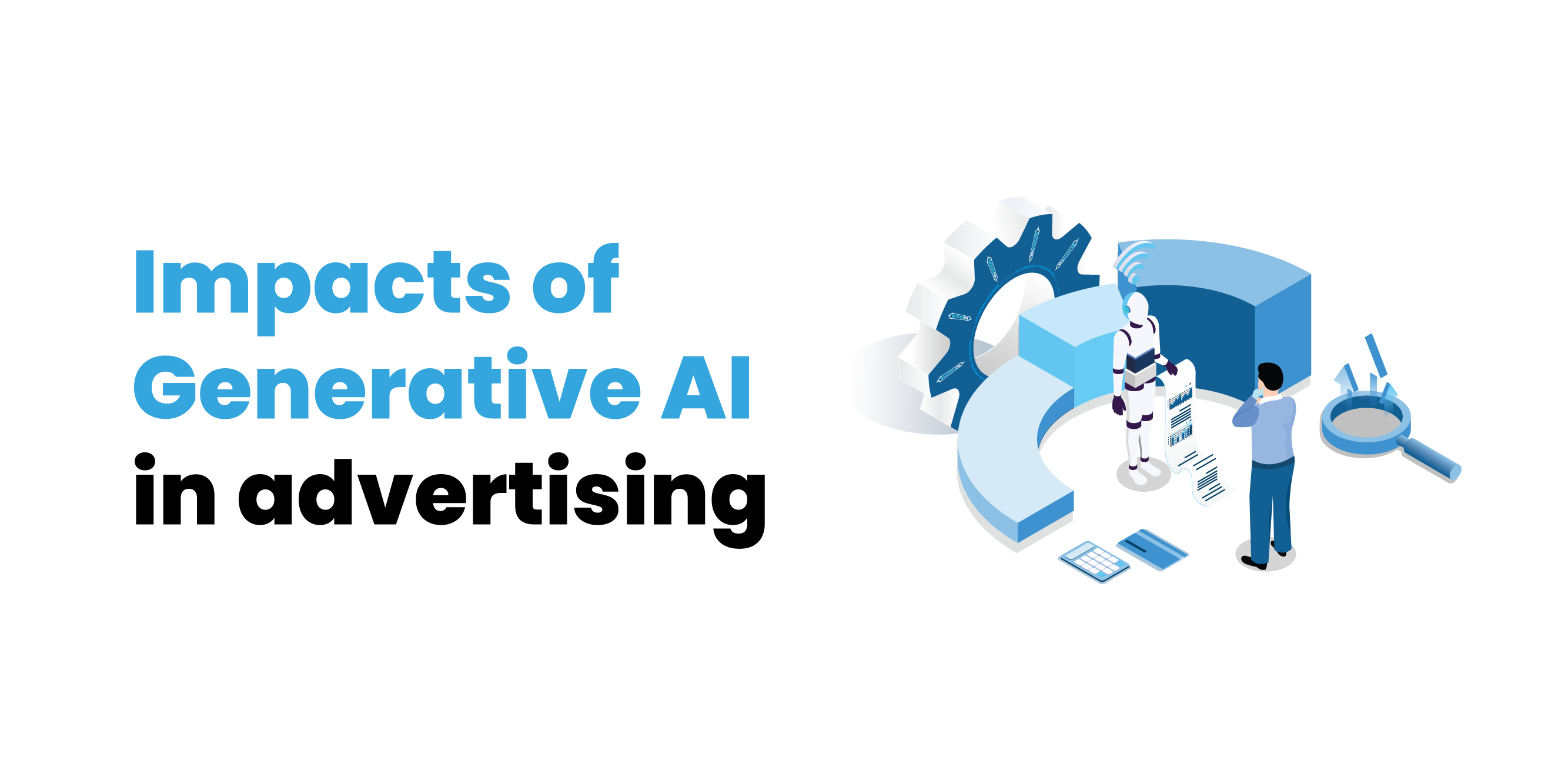
AI advertising case study
We will introduce the advertising automation service provided by Google, which is essential for AI advertising, and actual AI advertising examples from major domestic advertising agencies.

Google Ads Automation
Google is constantly increasing automation in ad creation. We continue to search for support that matches the skills of marketers, and every day we propose ways to expand business and improve efficiency in order to maximize effectiveness regardless of skill level.
The creation of advertising content, which used to be complex, has been significantly automated with the introduction of AI, making it easier than ever to create advertising.
According to the goals and budget set in advance, AI suggests optimization and leads to results. Using accumulated data and daily machine learning, it is also possible to set the most appropriate ad copy and message to the appropriate user through AI and display the ad without waste, making it highly cost-effective.
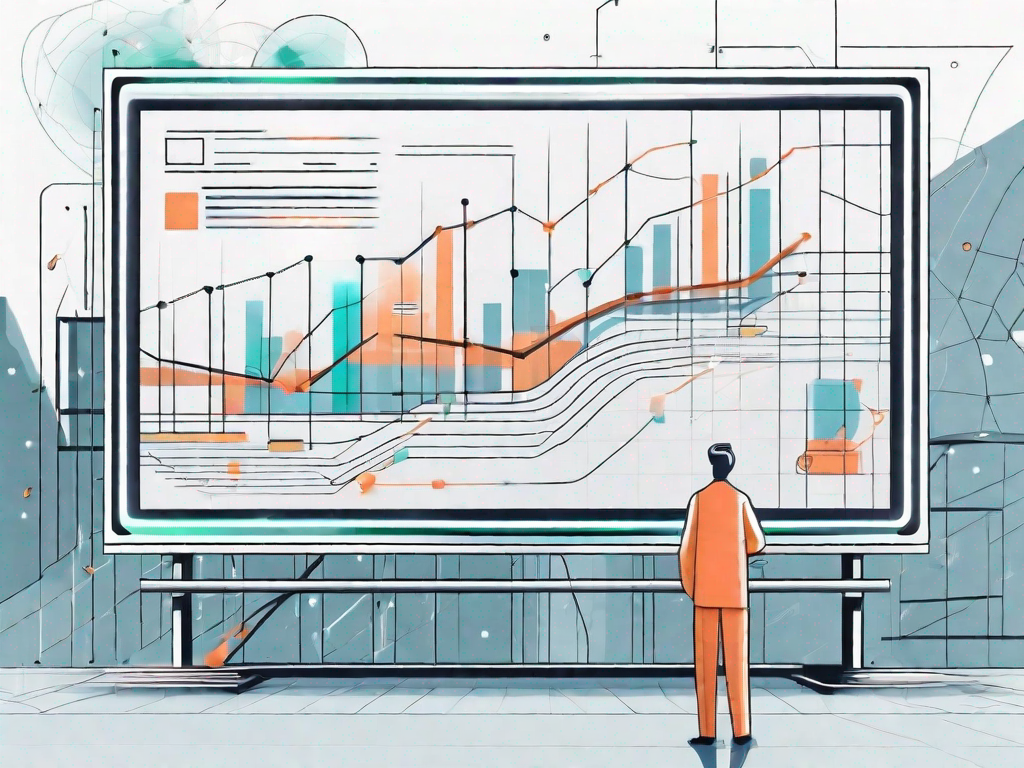
Hakuhodo “Face Targeting AD”
Hakuhodo, a major advertising agency, is known as one of the first companies to consider and give shape to the introduction of AI. In 2017, Hakuhodo announced “Face Targeting AD,” a revolutionary targeting ad distribution system that combines cloud AI and mirrors. “Face Targeting AD” is a system that reads the facial expressions of people standing in front of a mirror, and uses that facial expression as a reference to instantly determine and deliver the most appropriate advertisement.
The cloud AI “Azure AI” provided by Microsoft has the latest facial recognition and emotion recognition functions, and by utilizing this, it has become possible to identify and recognize human happiness, anger, sadness, and sadness. .
If the expression of the person reflected in the mirror is determined to be “tired,” we will issue an advertisement for an energy drink, or if we determine that the person looks “sad,” we will issue an ad to calm the person. It will be possible to advertise movies.

Dentsu “MONALISA”
In 2019, the Dentsu Group announced MONALISA, a tool that can predict the effectiveness of advertising materials before they are distributed.
In web advertising, the quality of advertising materials is an important element that is directly linked to advertising effectiveness. Until then, there had been no method for measuring advertising effectiveness in advance, so MONALISA was the birth of an extremely groundbreaking tool that attracted attention.
Compatible with video and still image ads from Instagram, Facebook, and Twitter, and by linking past ad distribution data with advertising materials, it is possible to predict users’ video viewing rates and banner click rates before ad distribution. It’s possible.
AI performs machine learning by quantifying the characteristics of advertising materials and linking them with ad distribution results. After that, the AI will learn again about the relationship with the actual effect, making it possible to further improve prediction accuracy.

CyberAgent “AI feed designer Plus”
CyberAgent is also famous for its use of AI in online advertising. Since 2020, we have been providing the effect prediction model “AI feed designer Plus,” which uses AI to optimize product images for dynamic retargeting ads.
Dynamic retargeting advertising is a method of targeting and delivering ads to people who have visited your site once. By combining product data and target behavior history, it is possible to display optimal advertisements for each user without waste.
Since AI selects ads with high advertising effectiveness and displays the optimal ones, the hurdles to conversion tend to be lowered, leading to improved cost effectiveness.
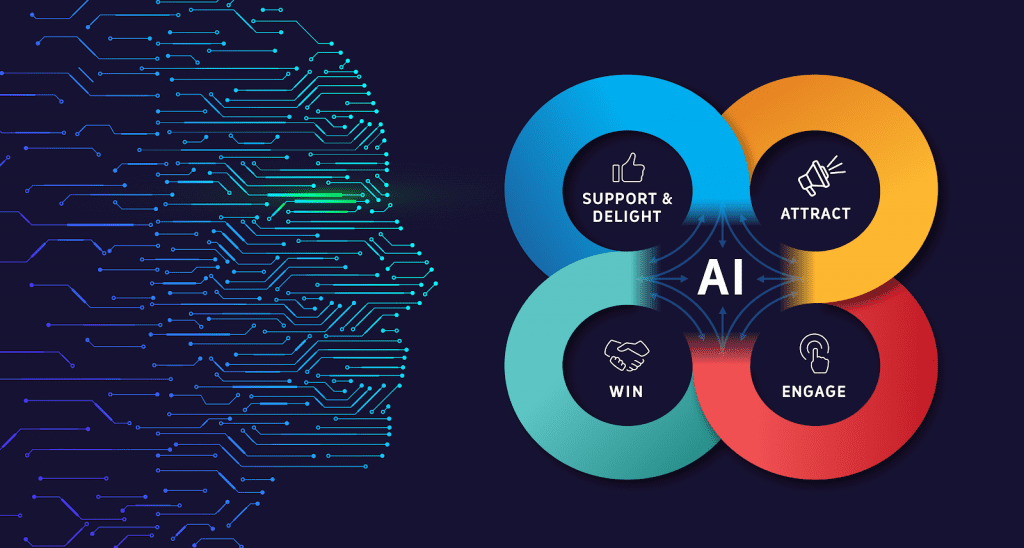
Relationship between YouTube ads and AI
YouTube ads allow you to display ads before or during viewing of YouTube videos, on the TOP page, search results pages, etc. AI has become an indispensable part of YouTube advertising, which continues to gain attention year by year.
YouTube ads use AI to perform machine learning based on data held by Google. By identifying age, gender, location information, etc., and determining the interests, interests, and hobbies of the users watching the video, ads that are displayed are customized and delivered according to the viewing users.
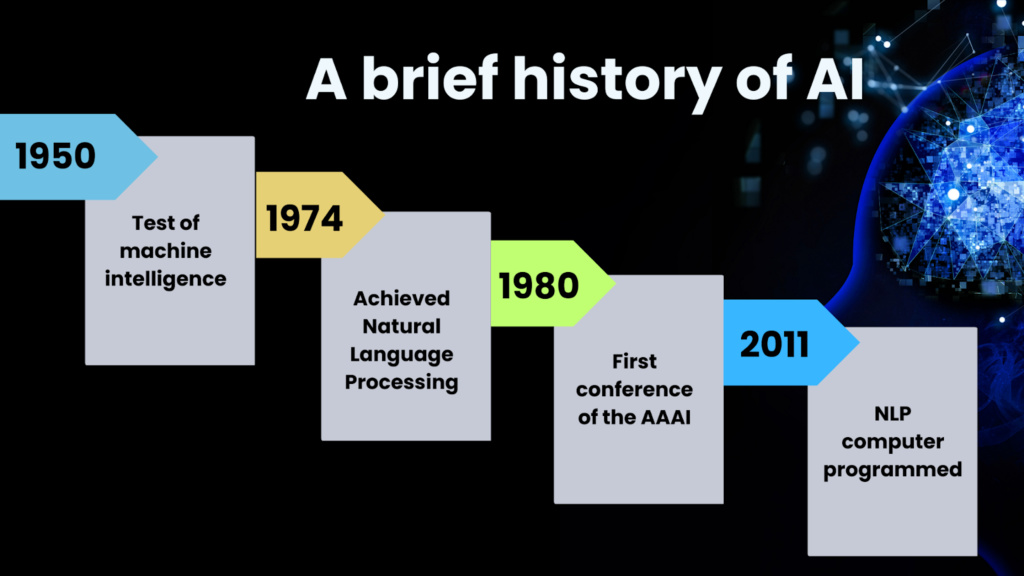
Relationship between Facebook ads and AI
Facebook is used by more than 2.9 billion monthly users worldwide, and has grown to become the world’s largest social networking platform. Currently, the number of monthly active users in Japan is 26 million, and it is used by many companies.
By using Facebook ads, it is possible to deliver ads to four destinations, including Facebook, Instagram, Messenger, and Audience Network. Such Facebook advertising also makes full use of AI, and when it receives the latest data, the AI automatically learns and optimizes advertising operations by making use of past accumulated data and experience.
To distribute Facebook ads, we use AI-powered machine learning and ad auctions, allowing us to decide where, to whom, and when to distribute them.
In addition, AI learns by repeatedly displaying advertisements, determines the optimal place and timing to display advertisements, and the users to display them, performs optimization while minimizing unit costs, and improves ad delivery performance. It has characteristics.
Relationship between Google Ads and AI
The automatic bidding function is a feature of Google Ads. Google’s automated bidding feature utilizes advanced AI to support marketers on a daily basis.
Below, we will explain the automatic bidding function of Google Ads based on the advantages and disadvantages of introducing automatic bidding function.
Google Ads automatic bidding function and AI
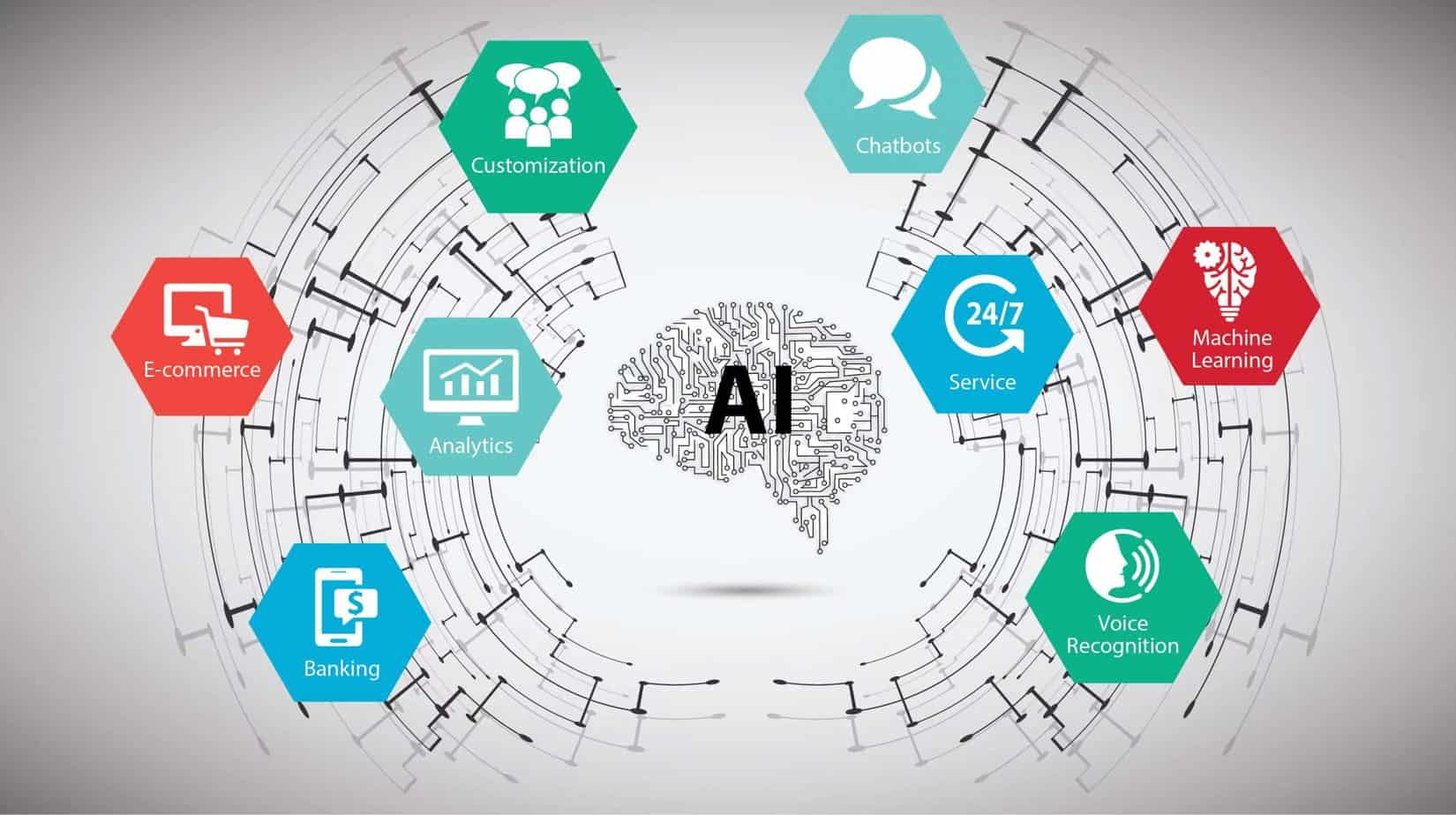
The automatic bidding function for listing ads uses Google’s proprietary advanced machine learning to automatically optimize bid prices, cost per click, conversion acquisition rate, etc. based on past accumulated data.
The effect of automatic bidding reduces the detailed manual work and settings, such as adjusting bids for each keyword and analyzing ad distribution results, and significantly reduces the man-hours required to create advertisements.
Bid optimization is performed in real time based on many user signals such as region, device, search keyword, place of residence, time of day, day of the week, etc., making it possible to uncover areas that manual analysis cannot keep up with and enable even more advanced targeting. It will be possible.
Advantages of Google Ads automatic bidding
By using the automatic bidding function, detailed and complex tasks such as adjusting ad groups and bids are greatly reduced. This gives marketers more time to develop creative ideas.
In addition, we leverage our past experience to pinpoint bids to users who are most likely to achieve good results, based on vast amounts of learning data and user signals. By trying to maximize the effect within the set goals while reducing unnecessary expenses, advertising results will increase and cost effectiveness will improve.
Disadvantages of Google Ads automatic bidding
Just like humans, AI grows through repeated failures and successes, and through learning.
Therefore, the bid price may rise immediately after an ad is placed, or when there is little accumulated data, or during the learning period (approximately 2 to 3 weeks). Since it tends to be difficult to maximize performance, it is important for marketers to manage their own budgets and monitor daily progress.
Additionally, when performing automatic bidding with the goal of maximizing the number of conversions, Google performs analysis based on past conversion data. Therefore, please be aware that if the number of past conversions is small, accurate analysis will not be possible and automatic bidding will not perform at its maximum performance.
Utilization of AI advertising
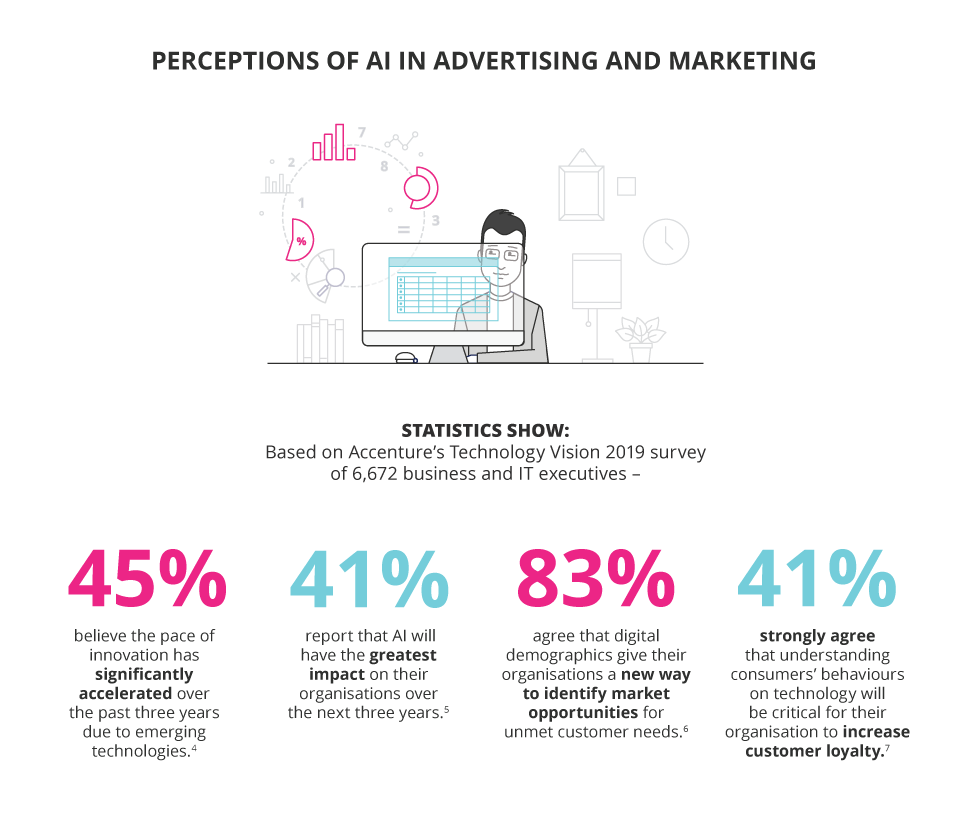
I will give two representative examples and explain how AI is actually used in advertising.
AI that automatically generates ad copy
Solutions are starting to emerge that allow advertisers to automatically generate advertisements based on past learning data and the latest data by simply inputting keywords related to the services or products they wish to promote into the system.
In some cases, highly complete ad copy that meets the advertiser’s ideals can be created, and in other ways, it can provide hints and inspiration when creating advertisements, such as by creating phrases that have never been thought of before and helping to support the advertiser. It becomes.
AI that automatically generates advertising creatives
Initiatives have also begun in which AI automatically generates advertising creatives such as images and advertising materials that are essential for advertising production. You may be troubled by the fact that creating advertising creatives, which determine the quality of advertising, takes a lot of man-hours and requires a huge amount of time and effort.
By using AI’s learning ability to perform such complex tasks, it is now possible to propose countless creative ideas in a short period of time.
Since the learning data often reflects the accumulated data of creatives produced in the past, the higher the data processing ability of AI, the more likely it will be useful.
summary
We have communicated the effects of AI’s unique artificial intelligence in various fields.
With the introduction of AI, the advertising industry is expected to improve convenience in many ways on a daily basis. It is expected that many companies will enter the AI advertising market and work on development in the future.
While the further automation of AI will make advertising creation more convenient, there are growing concerns that the jobs of advertising agencies and marketers will become completely automated and the profession itself will disappear. I am.
However, currently the advertising industry has only just taken the first step towards full automation, and is now on a parallel path to working collaboratively with AI.
Even if complete automation becomes a reality, “human power” in areas that only humans can perform may be essential in making final decisions and perfecting human imagination.
In fact, it is conceivable that strengthening collaboration with AI will lead to more inspiration than the effects of complete automation.
What will be important is how humans can control AI advertising and do so in order to bring out its maximum potential.
Even if AI advertising that shakes up the advertising industry is born in the future, we can imagine that the demand for advertising agencies and marketers whose strengths are collaboration with AI advertising will continue to increase.