

He mentioned that the percentage of acquired leads that immediately turn into business negotiations or projects is surprisingly low, and that after acquiring a lead, it should be nurtured using MA (marketing automation) to make the most of the lead.
Nurturing is the cultivation of leads (prospective customers), and specifically, it is a measure to increase awareness and understanding of your company’s services while leading to inquiries.
Email marketing is an effective method for nurturing. This time, we will introduce email marketing techniques for human resources managers.
What is email marketing? Its purpose and benefits
Email marketing literally refers to marketing activities using email.
Many people may have an image of MA (Marketing Automation), but even if it’s not MA, it includes things that use email software, and on the other hand, it can be distinguished from email newsletter distribution by segment distribution, step emails, etc. Some people refer to it as email marketing.
Here, marketing activities using email are collectively referred to as email marketing.
Email marketing is also a very effective nurturing method when targeting the human resources department of a company.
It takes a certain amount of time for a company’s human resources department to decide to introduce a new service or solution, as multiple people are involved and the decision is based on a variety of information.
In addition, the timing of consideration varies depending on the product and company, so it is necessary to maintain relationships that will serve as a basis for consideration when the time comes.
Email marketing allows you to approach multiple people, provide them with the information they need for consideration, and continue to build relationships, which is why email marketing is effective for lead nurturing.
Email marketing concept and three points
The important thing in email marketing is to provide the right person, the right timing, and the right content to the right person.
With that in mind, there are three points that corporate human resources managers should keep in mind.

1. Capture HR schedules and industry characteristics
Every company of a certain size has a human resources department, but many human resources personnel are responsible for a wide variety of tasks such as recruitment, education/training, and labor management, and depending on the time of year, they can be busy.
In that case, the person in charge may not be able to respond even if you are interested, so you need to know the annual schedule of the human resources person.
At the same time, consider the characteristics unique to the company’s industry.
Also, not only in the human resources department, but as the end of the fiscal year approaches, there is a movement to use up the annual budget, so at that time, we would like to inform you of services that can be delivered in a short period of time and confirm the next implementation plan. actions are possible.
2. Understand the characteristics of your own services and solutions
If the consideration period is fixed to some extent every year, such as new graduate recruitment or new graduate training, it is necessary to have regular communication with the customer before the next year’s consideration period.
By providing information outside the consideration period, such as research reports that show hiring trends at other companies and introductions to case studies, you can deepen understanding of your company’s services and solutions and increase expectations for receiving orders.
3. Maintain contact with the person in charge
Regardless of the company’s size, a company’s human resources department is subject to regular changes in personnel due to personnel changes or retirement.
If you send emails regularly, you will be able to notice the possibility of a person in charge retiring or changing from an address that cannot be connected, and you will be able to contact the company and create an opportunity for business negotiations with the successor person.
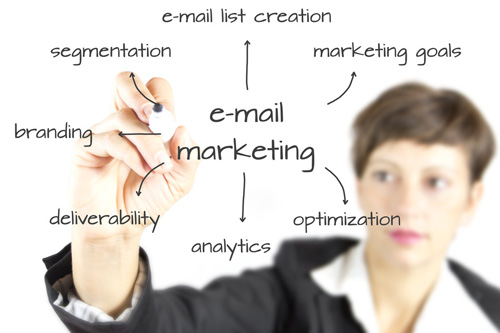
email marketing methods
Specifically, email marketing centers on sending to the right person, right timing, and right content, in other words, “Who? When? What?” .

◆Who do you send it to? 【segment】
Segment your leads based on democratic information such as employee size, region, HR field and position, and send different content to each lead, as well as engagement based on past inquiries, transaction status, recent visits to your company’s website, etc. There is also a way to do segments.
It is assumed that information held by leads such as company information and past transactions is centrally managed in SFA or CRM.

◆When? 【timing】
Depending on the timing of sending, the following email strategies are possible.
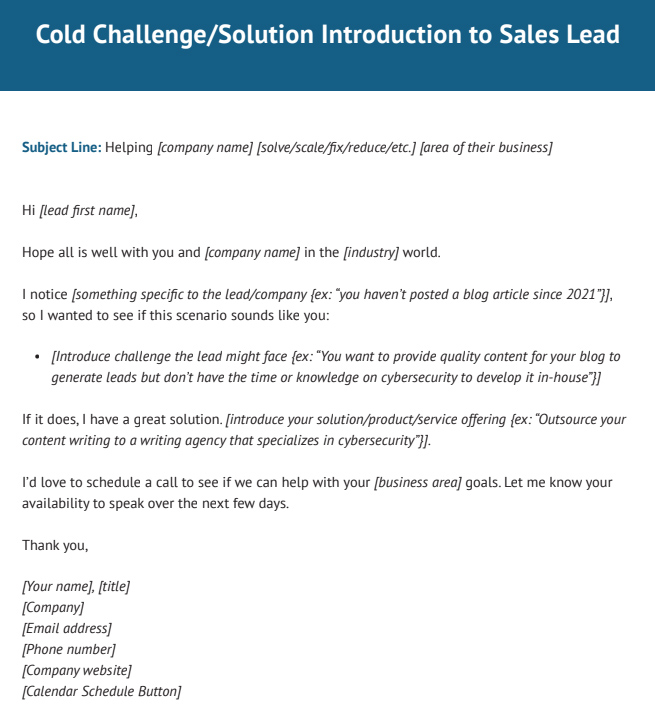
<Step Mail>
Starting with a thank you email after the action of registering for an e-mail newsletter or downloading materials, we will send content that promotes understanding of services and solutions at a certain frequency and encourage inquiries.
<Reminder email>
Send a campaign email to users who have visited a specific page, such as a service/solution page listing price lists or a service comparison page on your company’s website, encouraging them to make inquiries.
<1on1 email>
After an inside sales call, introduce useful content such as columns and downloadable materials in the thank-you email to increase awareness and understanding of your company’s services and solutions.
<CS Mail>
For the purpose of customer success and customer satisfaction, we will release new services to existing customers in addition to providing content specific to their concerns, and encourage inquiries and upsell.

◆What should I send? 【content】
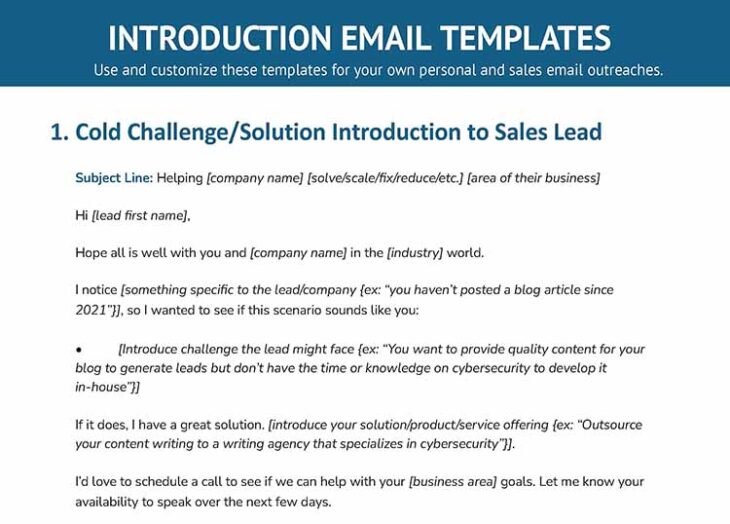
There are useful materials such as introductions to case studies and trend information, Q&As regarding services and solutions, and column introductions.
For more information,
Please take a look.
Setting KPIs and improving through PDCA
Email marketing has the advantage of keeping costs down and allowing PDCA in a short period of time.
By setting KPIs for each measure and making improvements using the PDCA cycle, you can expect early effects from email marketing.
◆Summary
◆E-mail marketing makes it possible to approach multiple personnel in the human resources department, provide information necessary for consideration, and continue to build relationships, which is why it is effective for lead nurturing.
◆E-mail marketing is centered around sending the right person, the right timing, and the right content (to whom? When? What?)
◆By setting KPIs for each measure and making improvements through the PDCA cycle, you can expect early effects from email marketing.