

In 2019, Google LLC, the Japanese subsidiary of the American company Google, proposed a new type of consumption behavior among Japanese people: “pulse-type consumption.”
Unlike the traditional customer journey model, which takes a certain amount of time to reach a purchase, customers discover a product by chance and purchase it instantly, which is thought to have an impact on marketing measures.

In this article, we will introduce the characteristics of customer journey type and pulse type consumption, and explain how recent consumption behavior is changing from customer journey type to pulse type consumption.
Characteristics of “customer journey type” and “pulse type consumption”
In recent years, online shops have become popular, and people can now easily enjoy online shopping anytime and anywhere using their smartphones.
As a result, for Japanese people today, the entire 24-hour period is when they consume, such as when they are looking at their smartphones in their free time.
Additionally, consumers are no longer hesitant to purchase products with names they have never heard of before.
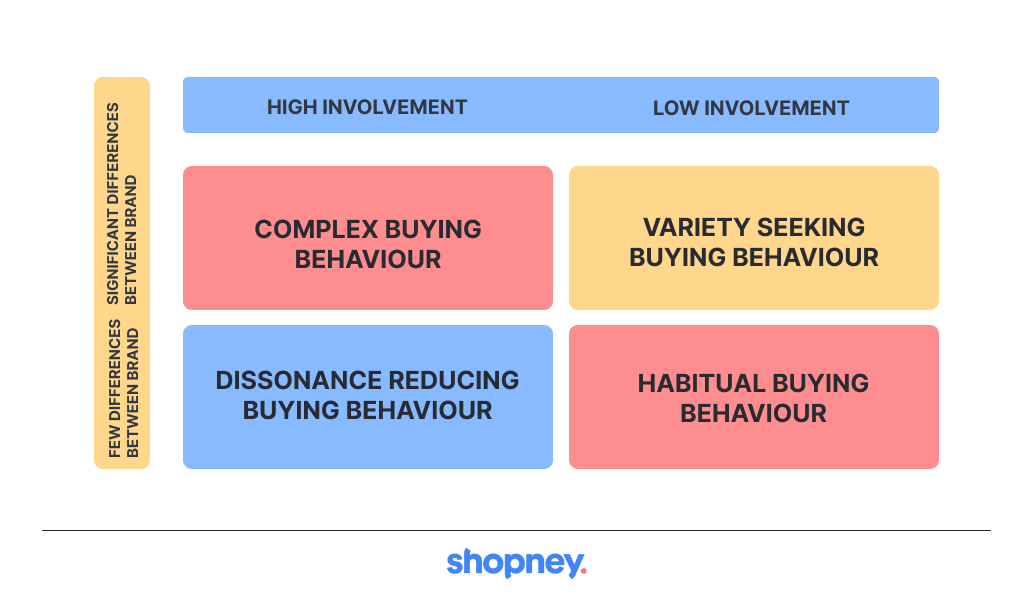
What is the intuitive sensor that affects pulse-type consumption?
According to Google, there are six “intuitive sensors” that trigger pulse-type consumption, and these sensors are thought to encourage consumers’ consumption behavior.

●6 intuition sensors
1. Safety
Intuitive sensors respond to “more safe and secure items” It is precisely because online shopping is difficult to understand the identity of the merchant that consumers want safer and more secure transactions.
2. For me
Intuitive sensor that responds to “what I think is the best fit for me” There are many products out there, but consumers want to buy the one that suits them best.
3. Cost save
Intuitive sensor that responds to “good deals” In online shopping, it is easy to compare prices, and consumers want to purchase products with better deals.
4. Follow
Intuitive sensor that responds to “what sells well” and “what is recommended by a third party” When consumers are thinking about purchasing, the opinions of third parties will support their consumption behavior.
5. Adventure
A sense of adventure and challenger spirit that makes us want to try new things is another reason why we purchase intuitive sensor products that respond to things we didn’t know about or things that pique our interest.

6. Power save
Intuitive sensors that respond to “reducing shopping effort” If online shopping is judged to be easier than in-store shopping, it will be easier to purchase.

Reference: Google
“To bring out the desire to buy – Tips for capturing pulse consumption (3)”

Consumption behavior shifts from customer journey type to pulse type consumption

It can be said that recent consumption behavior is changing from a customer journey type to a pulse type consumption.
Behind this is the spread of online shopping and smartphones.
The proportion of consumers purchasing products online is increasing year by year, and the ability to easily purchase items online without going to a store is thought to be promoting pulse-type consumption.
Traditional customer journey models require a certain amount of time to track the consumption behavior of personas over time.
However, with the proliferation of online shopping and smartphones, consumers are making purchasing decisions faster than ever before.
Marketing will also need to reflect this changing consumer behavior.
In order to conduct marketing that adapts to pulse-type consumption, the key is to engage the six intuitive sensors that trigger consumption behavior.
We must understand that pulse-type consumption is a completely different consumption behavior from the traditional consumption behavior in which consumers recognize and research a product before purchasing it, and incorporate this into marketing.
summary
◆Customer journey type is a method that represents the actions and thoughts of a persona in chronological order and visualizes the sequence of steps leading up to the purchase of a product.
◆Pulse-type consumption is a new type of consumption behavior in which the desire to purchase arises instantaneously, even without a clear reason, and leads to the purchase.

◆Pulse-type consumption is triggered by six intuitive sensors: “Safety”, “For Me”, “Cost Save”, “Follow”, “Adventure”, and “Power Save”.
◆The spread of internet shopping and smartphones has made it easier to purchase products, and consumers’ consumption behavior is changing from a customer journey-type to a pulse-type consumption. In marketing, it is necessary to implement measures that adapt to this new consumption behavior.