

Video advertising is advertising that utilizes video, and the video advertising market continues to grow year by year.
There are many ways to promote your company’s products and services in your marketing activities, and one of them is to focus on SEO, such as the mainstream Facebook ads and listing ads. Video advertising is also a type of advertising, and familiar examples include ads that play while watching YouTube videos or ads that play in apps.
There are several types of video ads, such as “in-stream ads,” “in-banner ads,” “in-lead ads,” and “in-feed ads.” There may be some people who are interested but don’t have a clear idea of how video advertising works. In this article, we will introduce the types and characteristics of video ads, their benefits, and points to note when operating them.
Main types of video ads and their characteristics
There are many video advertisements, but there are two main types depending on the distribution location (inside or outside the video): in-stream advertisements and out-stream advertisements. “Outstream advertising” is mainly divided into “in-banner advertising” and “in-lead advertising.” It is important to fully understand the nature of the media to be used when selecting advertisements.
In-stream video ads
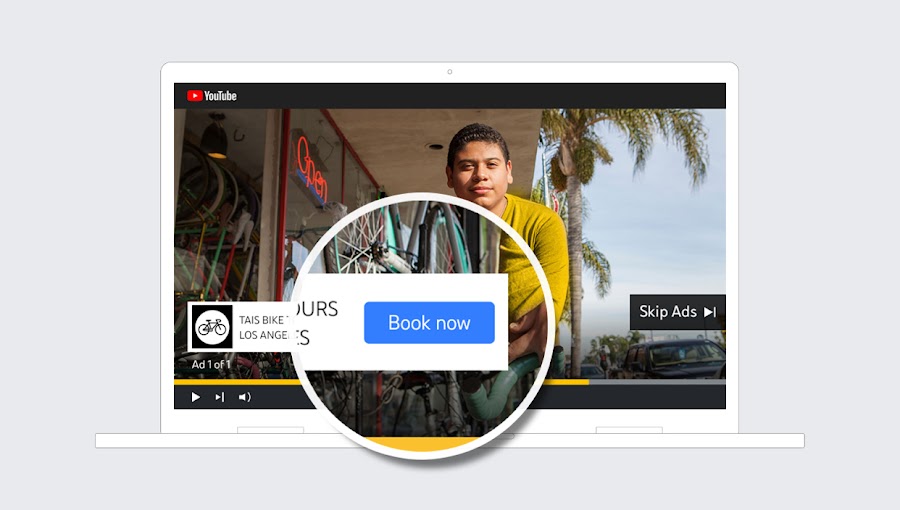
In-stream video ads are the type of ads that run when you watch a video on a video site such as YouTube (before, during, or after playing the video). It is the most used video advertisement.
For example, it is easy to understand if you imagine an advertisement that plays while playing a YouTube video, but there are some that can be skipped after 5 seconds, and some that do not move until you watch the ad to the end. Ads that cannot be skipped are called “bumper ads,” but most video ads on YouTube are in-stream video ads that can be skipped. The disadvantage of long video ads is that they tend to be skipped.
In-banner video ads
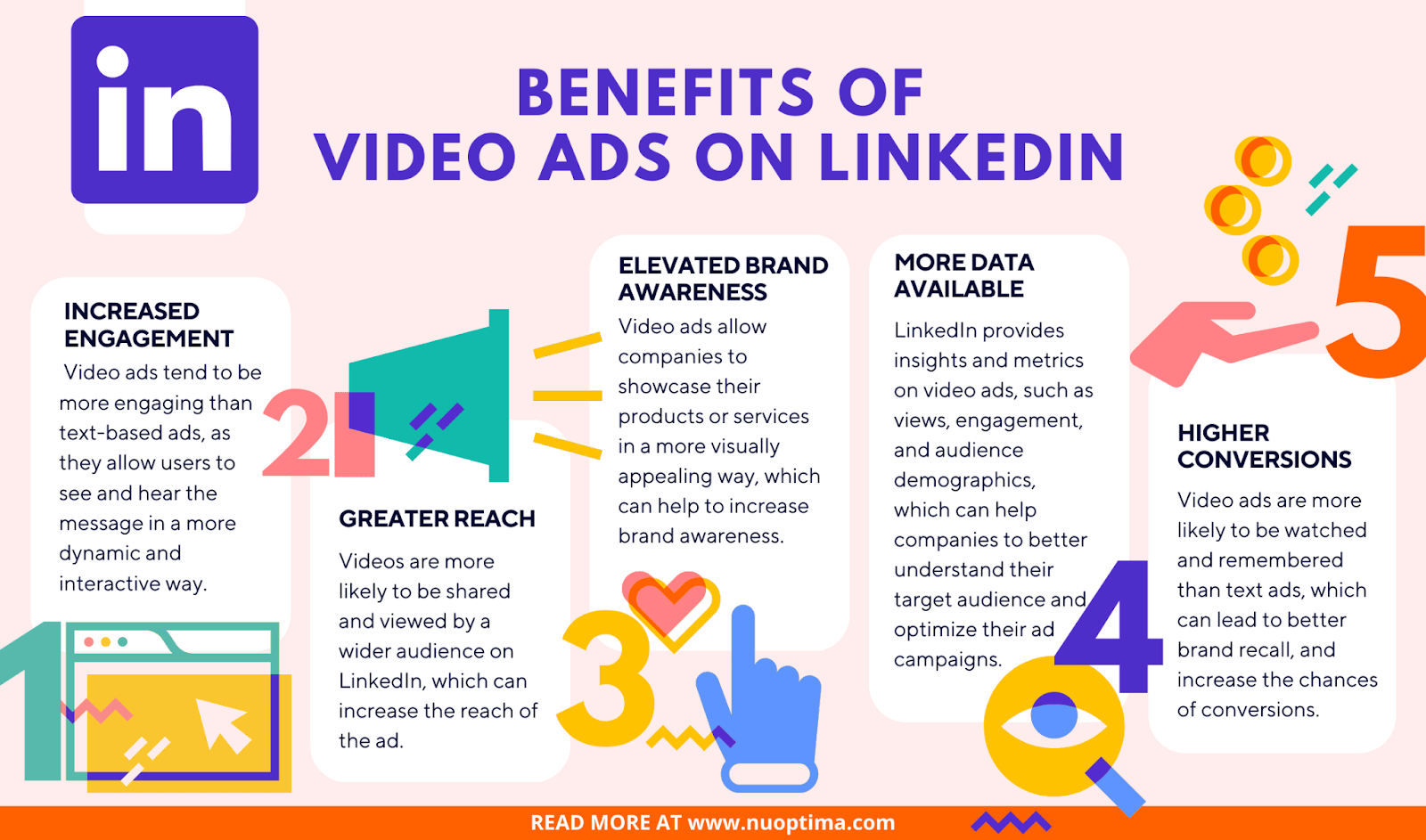
In-banner video ads are a type of video ads that are distributed in traditional banner ad space on each platform. Sometimes called in-display advertising.
While video ads can be distributed on sites other than video sites, compared to in-stream ads, they are not played while watching the video, so fewer users can promote them.
However, the strength of this ad is that it can be targeted like display ads and can be delivered to ad spaces other than video sites using DSP, so you can deliver video ads to target users of your services and products.
Although the number of views is lower than in-stream advertising, it is attractive because it appeals to the target audience and has a high conversion rate.

Inlead video ads
In-lead video ads are video ads that automatically play when a video appears on the screen while scrolling through an article. As a familiar example, when you are viewing articles on a news summary site or app, do you ever see video advertisements running between the contents? That is in-lead video advertising.
The difference from in-banner ads is the timing of video playback. In-banner ads are played regardless of whether the ad is displayed on the screen, but in-lead video ads are not played unless they are displayed on the screen.
The feature is that not all users of news summary sites and apps can watch it. However, since in-lead video ads are designed to attract users’ interest, they are more likely to be viewed by users who read the article content to the end, so it is an effective promotion that allows you to approach your target audience. .
In the future, it is expected that it will be used mainly for promotions for smartphones.
Infeed ads
In-feed ads are ads that are displayed in a format similar to the content between feed (timeline) type content on social media such as Facebook and Twitter or mobile sites. The definition of advertising is broader than in-lead advertising, as advertising formats are not limited to videos but also include still images. Online advertisements have the risk of giving users an unpleasant impression, but in-feed advertisements are displayed in accordance with the page content, so they can appeal naturally.

Should I use in-stream video ads first?
We have introduced the types of video ads so far, but we recommend in-stream ads for first-time users. The reason for this is that the number of users who see ads is large and the CTA for ads that interest them is high.
CTA is an abbreviation for “Call-To-Action”, which means a call to action when translated into Japanese. In-stream ads are said to be able to guide users who see them to take specific actions, and directly influence them.
The attractive point of this advertisement is that many users receive video advertisements passively, but you can promote them to a large number of users.
Even if a user thinks that “YouTube ad videos are a nuisance,” if the ad is relevant to them, they are more likely to be absorbed in it or take action, such as visiting a website after seeing the ad.
The purpose of video advertising varies depending on whether you want to get people to know about your company’s services or products or to get them to use them.
Video ads have performance that can be used for both purposes, so if you are considering using them, you may want to try in-stream video ads first.

Advantages of video advertising
For those who don’t really understand the benefits of video advertising, we will introduce three benefits below.
It conveys more information than still images and can be remembered by users.
The first advantage is that it is easier to convey more information than images or text. Ads in videos stay visible to viewers for at least 5 seconds if they are not skippable. With text, the more information there is, the longer it takes to read, and there is a limit to what can be conveyed in just 5 seconds.
On the other hand, with videos, you can add movement and emphasis to what you want to convey, making it easier to draw users into your ads. If the video has a fast tempo, users can watch it in a short amount of time, making it less boring and conveying a lot of information in an appropriate manner.
You can carry out promotions that can be expected to spread the word.
This means that it has a promotional effect because it is seen by many users.
The demand for videos is increasing to the point where it is said that the “5G (video) era” has arrived. Recently, it has been said that advertising revenue from YouTube and other video services is higher than advertising revenue from TV programs.
One possible reason is that young people are moving away from television. As a result, the demand for videos will become even higher in the future.
In addition, with ads distributed on video platforms such as YouTube, if a user thinks it’s a product or service they want to use, they can easily use it with one click, which can easily lead to conversions.
Furthermore, since you can handle everything from service awareness to sales, if you use video advertising well, it will likely lead to an increase in sales.
Additionally, advertising videos posted on SNS such as Twitter and Facebook have the characteristic that if they are liked by users, they can be expected to have a viral effect.
If you can create innovative videos that appeal to users, such as humorous and interesting videos, videos with high impact and empathy, you can attract attention not only in Japan but also around the world.
Reduces costs
Finally, the third point is that the unit cost of running video ads is low. For example, when operating in-stream video ads on YouTube, there is a fee structure in which there is no charge unless the viewer plays the ad for 30 seconds or more.
Even if there is a cost, it is relatively cheap at around 3 to 20 yen per playback. Since it is inexpensive to start, even people who have never used it before can try running video ads, and it is important to actually try it out. The costs will be explained later in the billing format for video ads.

What are the points to keep in mind when operating video ads?
There are two things to keep in mind when using video ads.
do targeting
If it is not clear who the video ad is aimed at, the ad will be hard to convert and difficult to understand.
Unless you clearly define your target audience, such as who you want to recommend your product or service to, and create videos aimed at the target audience, you will not be able to convert.
Before creating a video, clarify which users match your product or service and carefully set your targeting. Then, keep in mind that you will be working on video production.
First of all, you need to upload videos and improve the quality.
It is important to “first upload a video.” When operating video ads, you need to create high-quality videos to get people to watch them. Most of the costs associated with operating video ads include video production costs.
If you can produce videos in-house, you can keep costs down accordingly, but low-quality videos with difficult to understand structure and messages will not increase the number of viewers even if you start using them, and of course will slow down conversions. It also becomes difficult.
So, first of all, when you create a video, be conscious of making it as high quality and easy to watch as possible. You need to aim for videos that will capture the interest of your target audience and won’t be skipped.

Is video advertising in Japan lagging behind compared to other countries?
Generally speaking, in the web marketing industry, it is said that trends in the United States start to become popular in Japan two to three years later, but when it comes to video advertising, it seems that it has been delayed for more than five years and has only recently become popular. It can be said that it is.
First, the easiest issue to address when it comes to video production is the cost and resources (advertiser side) involved in video production. Of course, producing video content is costly and time consuming. It would be different if someone had experience producing TV commercials for a major company, but small and medium-sized enterprises with only experience with listings and banner ads and no production know-how would have to go through the major process of creating video ads before they can be distributed. There’s a wall.
Furthermore, even if they were a major company, Japan’s uniquely complex copyright structure made it difficult to use content used in TV commercials on the web as is. We are now starting to see signs of improvements in content distribution, albeit slowly.
Second, advertisers were unable to fully grasp the effectiveness of video ads and considered them to be the same as other web ads. This is based on evaluations based solely on direct CV and CPA; video advertising is good at branding, and its position is different from traditional web advertising. The issues faced by advertising media companies and advertising agencies on the sales side include not being able to properly evaluate the effectiveness of video advertising, which is different from traditional web advertising, and not being able to convey branding indicators that advertisers can understand. I’ll think about it.

The “video advertising” market will continue to grow
Nowadays, almost everyone has a smartphone and can access information on the Internet. We are now in an era where you can easily use videos. Due to this historical background, the market size of video advertising is rapidly expanding and is expected to continue accelerating in the future.
According to research results released by CyberAgent Co., Ltd. in December 2020, the video advertising market in the same year will reach 295.4 billion yen, 114% from the previous year. Furthermore, it is reported that the future forecast is that it is expected to increase to 388.9 billion yen in 2021 and 685.6 billion yen in 2024.
The research report also shows that smartphones account for the majority (89%) of demand in the overall video advertising market. In 2020, demand for smartphone video ads is expected to increase by 114.8% compared to the previous year.
The rapidly growing video advertising market is expected to grow further, and the market size of smartphone video advertising alone is expected to reach 639.6 billion yen in 2024. As the growth and spread of ICT continues to accelerate, the state of the video advertising market in the corporate advertising and marketing field is expected to expand in scale, and will likely attract more and more attention.

Video advertising billing format
There are three billing methods for video ads: “CPV”, “CPM”, and “CPC”.
The first type of CPV is a billing method in which a fee is charged for each playback. The length of viewing time, such as how many seconds a video must be viewed to be counted as the number of views, varies depending on the publication medium. Basically, users who skip an ad are not counted, so users who view the ad are charged, making it a highly cost-effective form of advertising. There is also a variant called CPCV, where users are charged only if they play the video to the end.
The second type, CPM, is a billing method in which you are charged every 1,000 times an ad is displayed. Due to the nature of the format, even if the user skips, it will be counted, so it works well with short video ads. This billing method is suitable when you want more people to see your ad for the purpose of recognition rather than conversion, but the disadvantage is that it is difficult to accurately evaluate the effectiveness of your ads.
The third type, CPC, is a billing method in which you are charged for each click. CPC is a bidding system, and the cost per click is determined by the keywords associated with the ad and the search volume. Therefore, if you try to publish with settings that have a lot of competition, the unit price will be high, so it is necessary to set appropriate keywords that do not overlap with the competition as much as possible. The advantage is that it is easy to understand the effectiveness of advertisements, so it is suitable for SNS advertisements and banner advertisements.
Take advantage of YouTube video ads
The number of monthly users of YouTube is said to be over 65 million people (as of September 2020), and the usage rate among 18- to 19-year-olds is over 90%, making it popular among many people in that age group.
In addition to young people, the usage rate of YouTube among Internet users aged 18 to 64 is 82%, and you can use YouTube ads to reach a wide range of generations to promote your company’s services and products.
In addition to having a wide variety of advertising menus to suit your needs, YouTube ads can be targeted based on area, online interests, and behavioral trends.
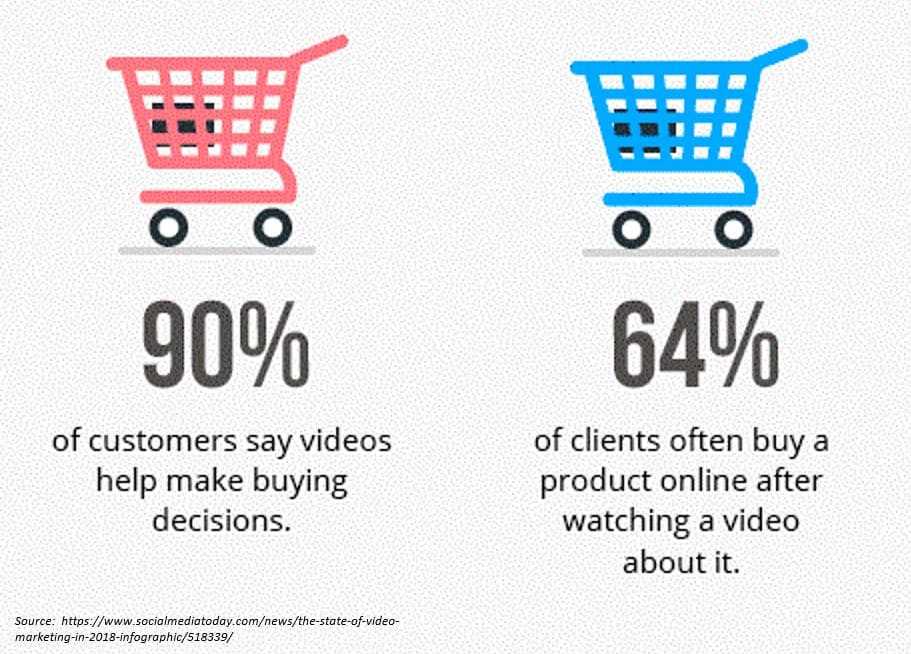
In fact, data shows that nearly 40% of users have purchased a product they found on YouTube, and 55% of users return to YouTube to learn more about the product after learning about it.
The key point is how to approach the product according to the user’s purchasing intent.
《Advantages of distributing video ads on YouTube》
① You can measure results ② You can reach the right users ③ You can place ads with movement and sound
YouTube advertising is synonymous with video advertising, but to be honest, we are still not very familiar with it. I think you can use it if it meets your company’s goals.
However, if you start shooting and editing videos from scratch for video advertising, it is actually not recommended when considering the total cost. So, even if you currently have the materials for video creation on hand and are running search ads or display ads, if you have the budget or want to try something new, this is definitely a good option. I would like you to consider this as well.

summary
In this article, we have introduced the types, characteristics, benefits, and precautions of video ads. This is an advertising method that can contribute to improving corporate recognition and sales by effectively utilizing video advertising, which is expected to grow.
Clarify your purpose, take advantage of the characteristics of each video ad, and choose an operation method that matches your company’s services and products. In this case, please pay attention to the precautions during operation.