


In the previous DSP column (
), we talked about the areas of ad technology such as ad networks and DSP.
This time, I would like to explain the preparation, cost, and effect measurement when actually placing an advertisement on DSP.
The path to DSP distribution, from vendor selection to distribution
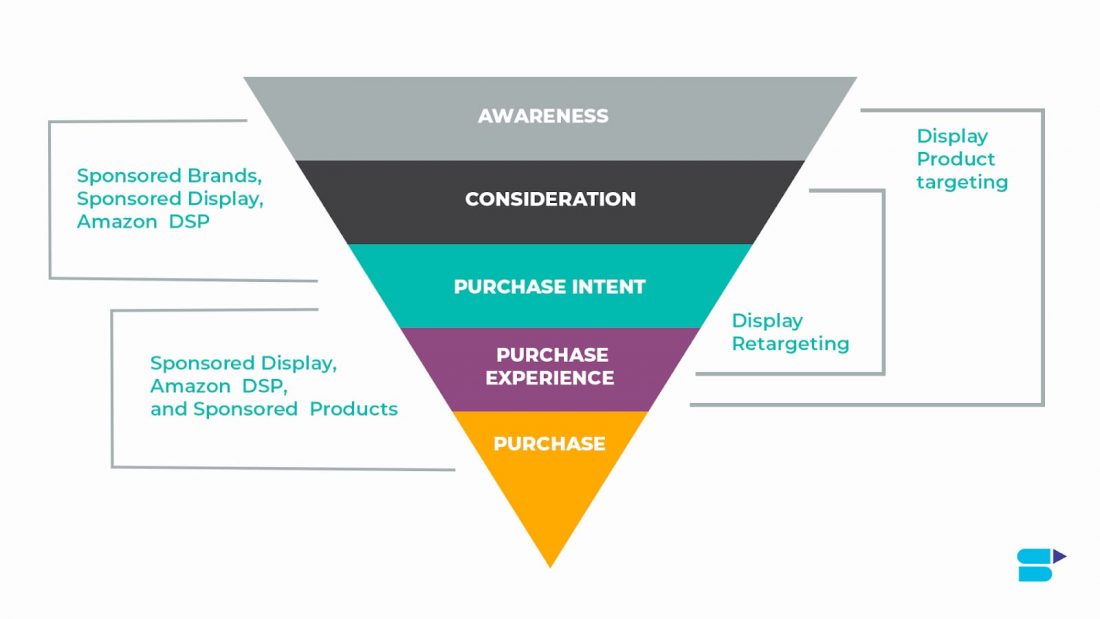
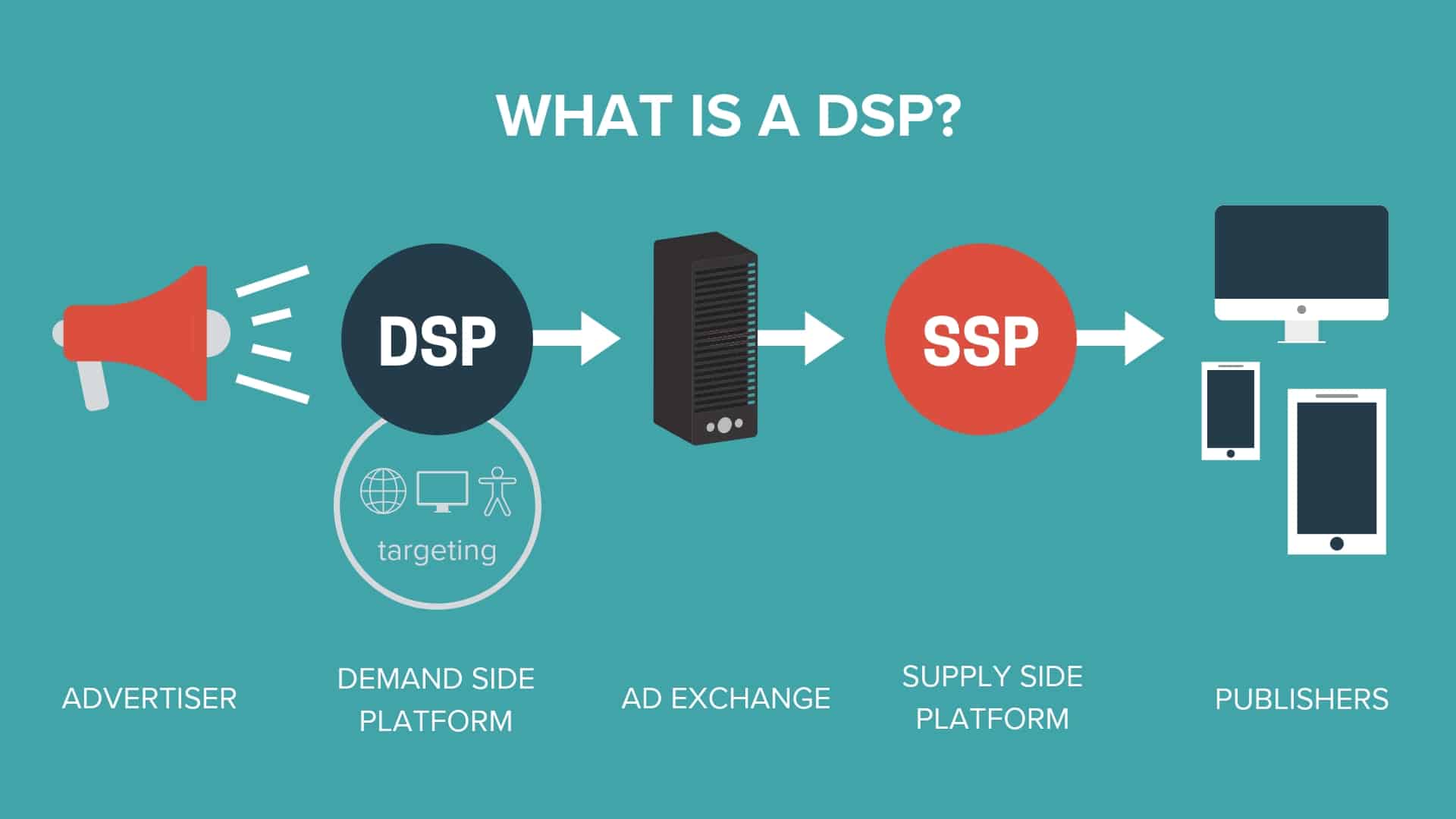
The flow of DSP distribution is as follows.
1. Selection of distribution layer and target
First of all, in order to solve the products and issues faced during the campaign, we will think about the targets and distribution aspects, but I think the purposes of distribution can be broadly divided into the following two.
The objective is to get people to take action such as making a purchase (increase click-through rate)
, and
the objective is to get more people to see it (increase the number of impressions)
.
If you focus on acquisition objectives, the more you narrow down your target audience and distribution, the less you will be able to generate distribution volume, but the click-through rate may increase. (I can’t tell you how many times it’s viewed, but it’s highly likely that it will reach the people who need it.)
If you focus on the recognition purpose, the volume will increase and contribute to increasing awareness, but while the volume is increasing, the click rate may be low. (Although you can get more impressions, there is a high possibility that it will reach people who don’t need it.)
2. Proposal and selection of vendor companies
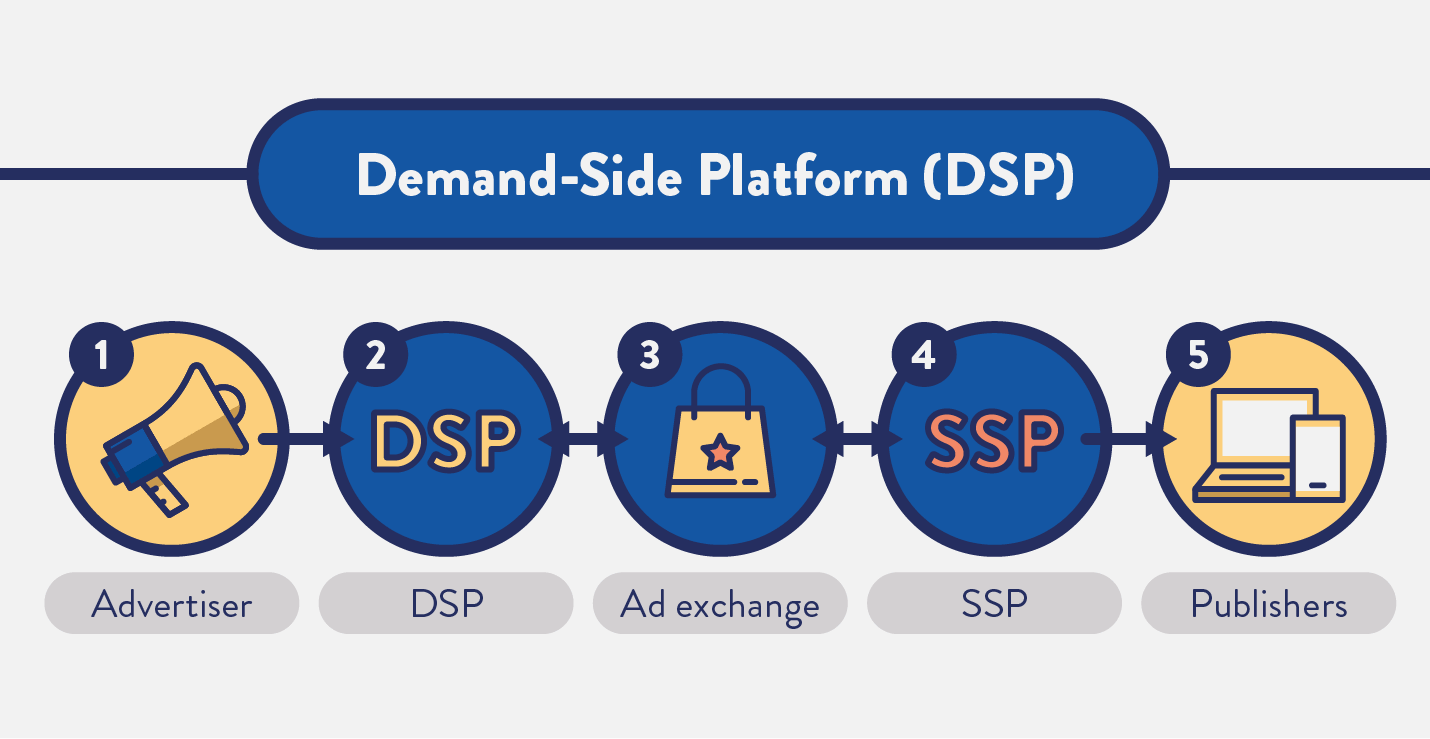
Once you have narrowed down the distribution layer and aspects to a certain extent, select a vendor that can distribute to that target.
Using our company as an example, if we want to distribute to human resources personnel, we have a product called HRDSP, and if we want to distribute to management, we have a product called Executive DSP.
Also, if you want to distribute business media to a target audience, you can display ads when the target user visits the media.

3. Confirm billing method, contract period and contract amount
Most DSPs use CPM billing (billing based on the number of impressions), but some can be paid per click.
Determine the distribution volume (period and amount) while checking the billing method.
The contract amount and period vary depending on the vendor, but I think you can generally place an ad for a few tens of thousands of yen to a few hundred thousand yen per month.
4. Create creative
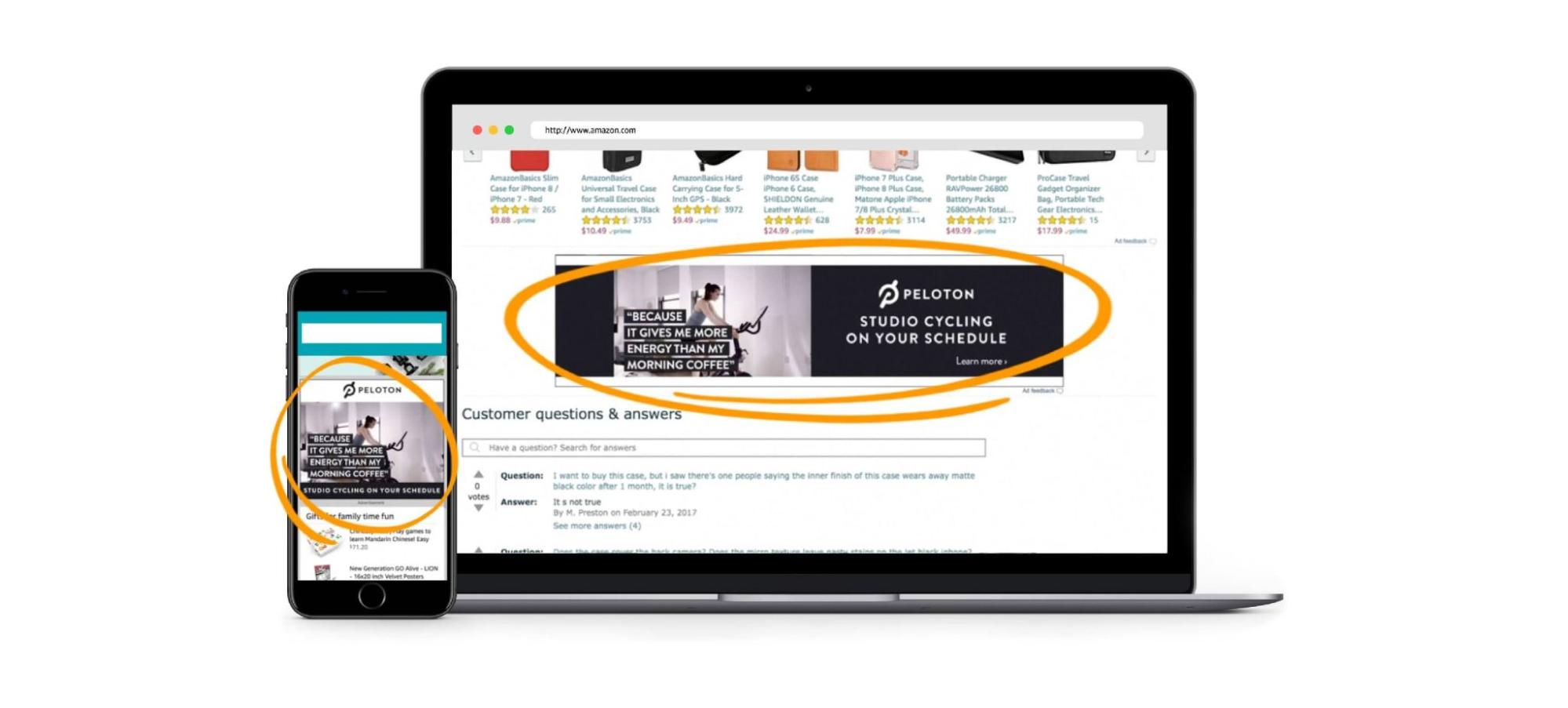
We create and submit creatives (advertising materials) of the size specified by the vendor.
It is not necessary to create all of the specified items, but I think it is a good idea to prepare three items: 300 x 250 or 300, 728 x 90, and 468 x 60.

5.Embed tags
Once distribution preparations are complete, insert the tag issued by the vendor into the relevant landing page in order to measure the effectiveness of distribution.
Conversion points (objective achievement points) can be measured by placing different tags in each campaign.
6.Start distribution
Once the tag has been embedded, distribution will begin.
The frequency varies depending on the vendor, but after that, delivery reports will be submitted every day, once every three days, or once a week.
Examine the delivery results and consider next actions.
Points to note from the start of distribution to the end of distribution
We would like to be relieved that distribution has started successfully, but we need to closely monitor the situation.
This is because if you set the distribution tier, distribution aspect, bid price (billing price), and daily/monthly maximum amount before distribution, it will be used automatically.

As explained in the previous column (
), the DSP itself is a tool and a mechanism, so the conversion trends and expected ad unit price changes after distribution starts. I think it would be a good idea to look at the information and order from the vendor each time.
Even if you leave it for a while after distribution, the distribution will not stop or it will not be distributed to users who were clearly not intended for it, but it will be very difficult to expect good results and it will be expensive. Since it takes a long time, I think it’s a good idea to always order while studying.
summary
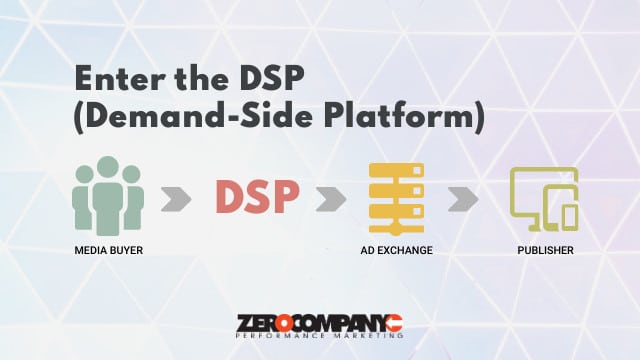
◆Prior to DSP ad distribution, distribution begins after determining the target and distribution aspects, selecting a vendor, confirming the billing method, determining the contract period and contract amount, and embedding the tag.
◆Even after distribution begins, it is necessary to constantly submit daily reports to the vendor’s personnel regarding ad price optimization and conversion progress.