
When considering business development by building
a homepage
or EC site, there are a wide variety of construction methods. Although ASP (Application Service Provider) is broadly defined, there is no problem if you think of it as a method of building a homepage or EC site.
In this article, we will provide an overview of ASP, provide representative examples of services, and explain the characteristics of ASP. We will also explain the differences between ASP and other services such as
SaaS
, so please refer to it.
What is ASP (Application Service Provider)?
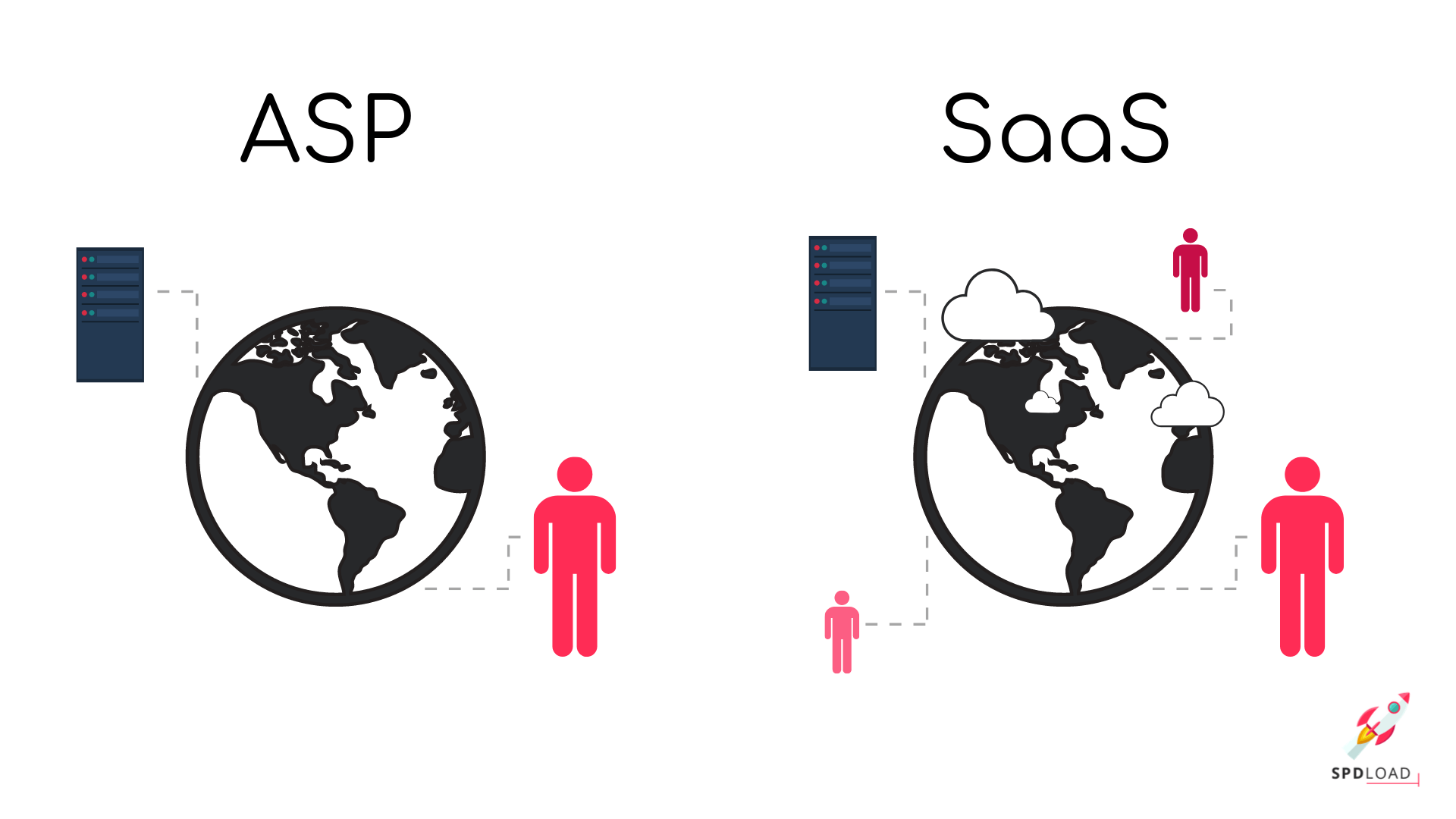
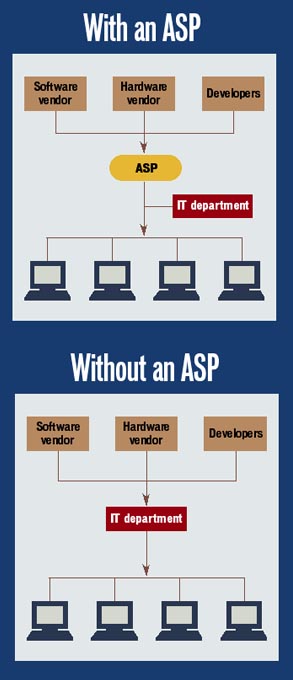
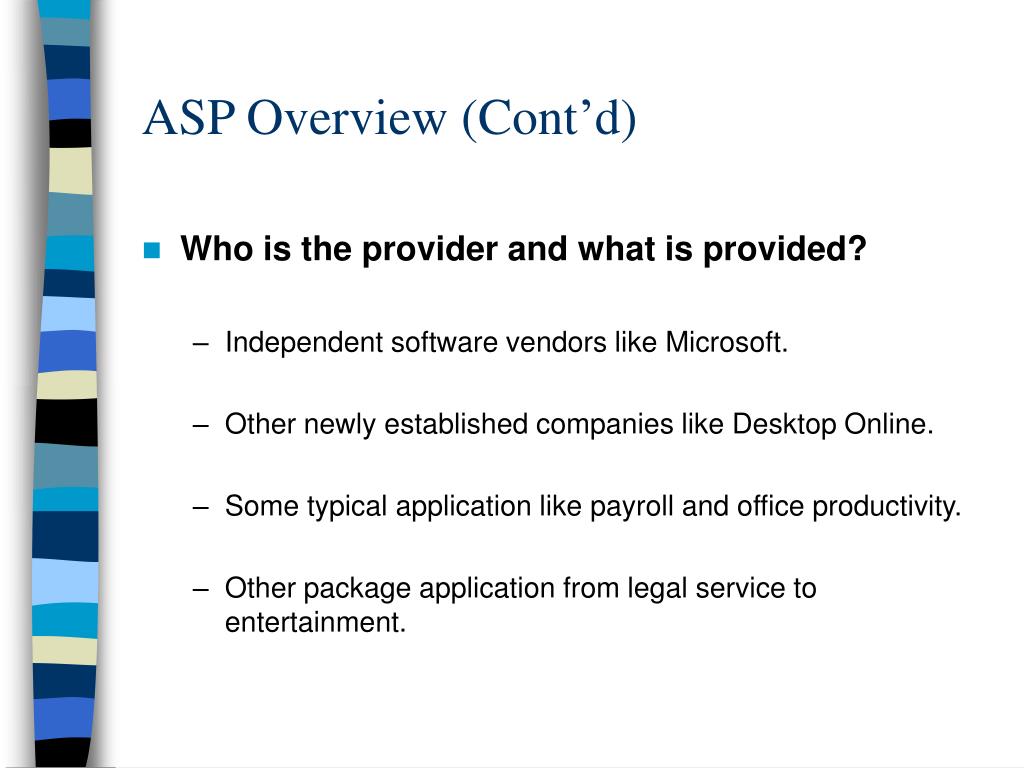
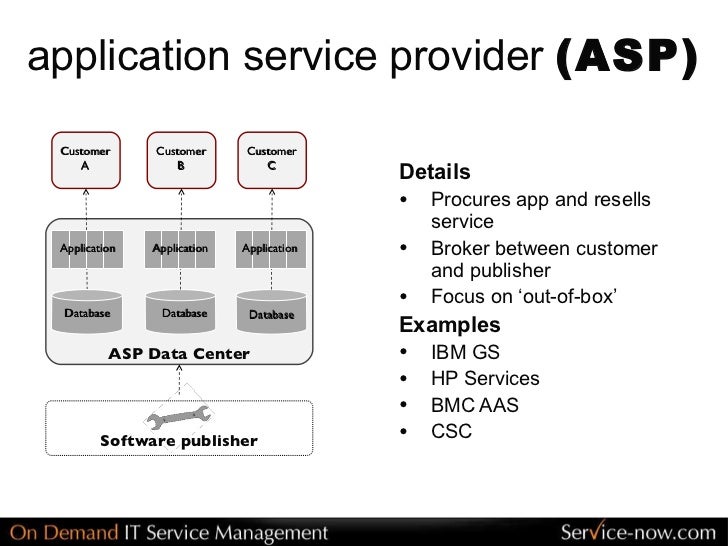
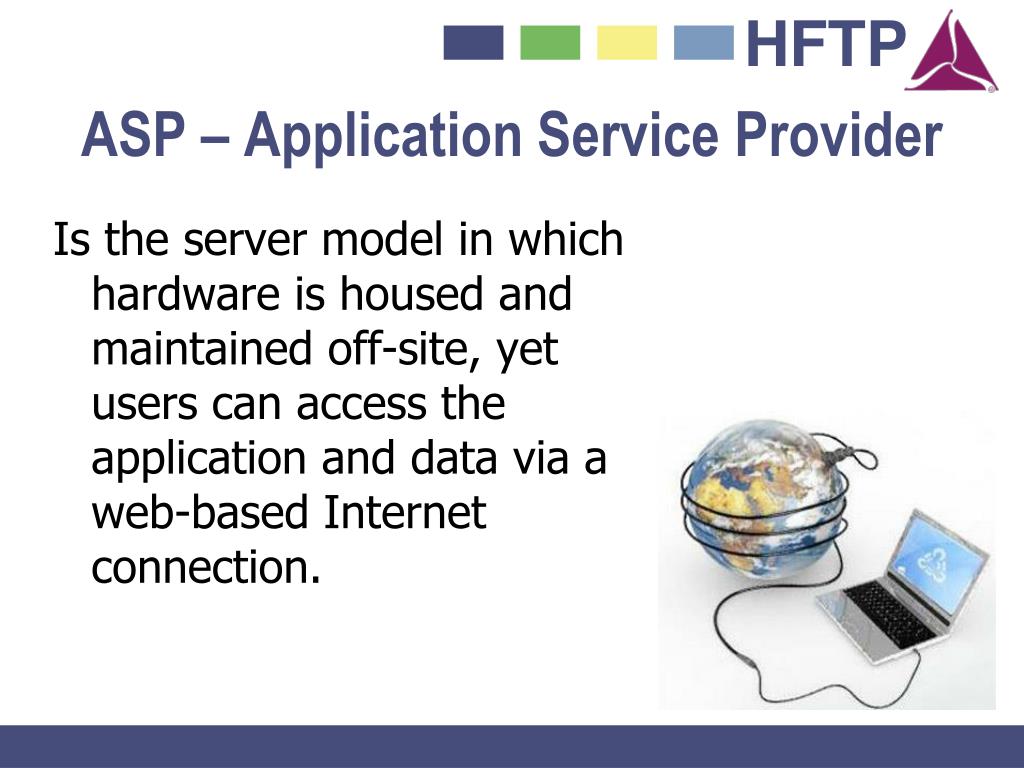
First, let’s start with an overview of ASP (Application Service Provider). An ASP is a business that provides software and the environment in which it runs via the Internet.
In addition, the service itself provided by a business operator is sometimes called an ASP, and the service itself provided on the Internet is sometimes called an ASP. Additionally, when developing e-commerce services, the construction of an e-commerce site using ASP services is often referred to as an “ASP cart.” Examples of ASP carts include BASE, STORES, and Shopify.
Similarly, ASP (Active Server Pages) is a different story. Active Server Pages refers to a technology for creating web pages, so please understand that it has nothing to do with ASP in this article.
Typical examples of ASP (Application Service Provider) services
Earlier, I gave an overview of ASP (Application Service Provider). Here we introduce representative examples of ASP services.
- Webmail
-
cloud
service - financial accounting system
- household account book
- Internal SNS
- inventory management
- groupware
- Payroll calculation
As you can see above, it is used in a very wide range of situations. In particular, financial accounting, inventory management, system payroll calculation, etc. are directly linked to improving the efficiency of a company’s operations.
ASP is said to be indispensable in the era of
digital marketing
and DX because it does not require much human intervention.
Characteristics of ASP (Application Service Provider)
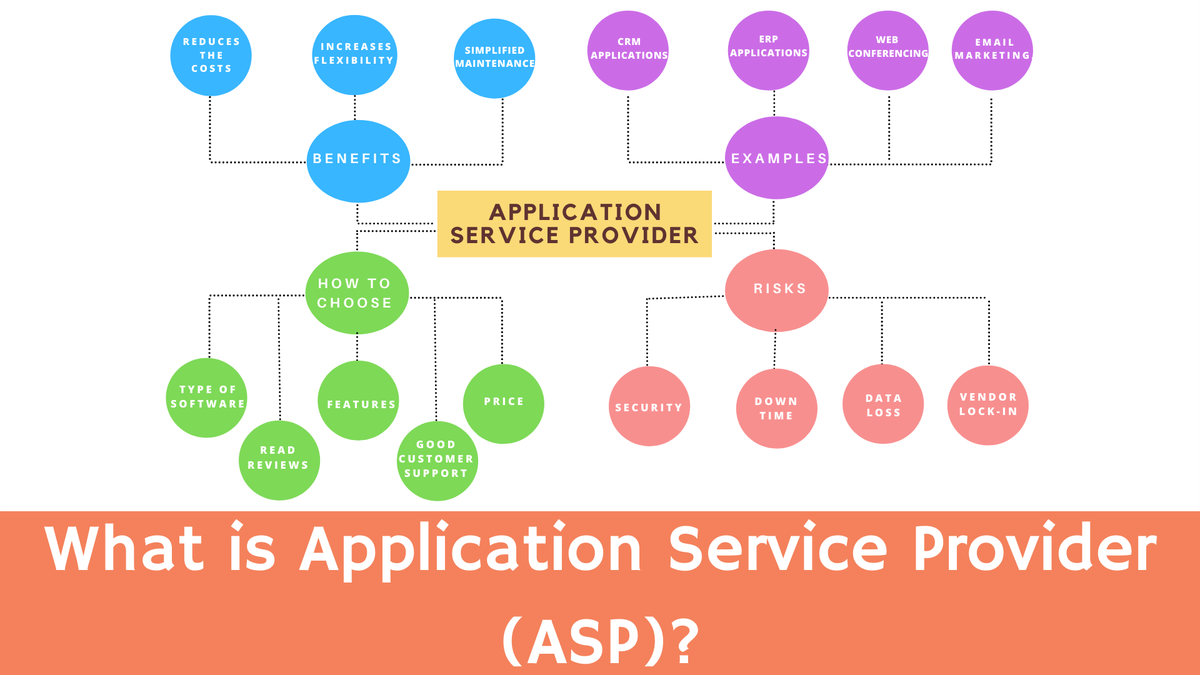
From here, we will introduce six characteristics of ASP (Application Service Provider).
- Can reduce initial costs
- Can reduce running costs
- There is no need for your company to update the version
- Can be entrusted with backup
- Difficult to customize
- There may be risks due to shared use.
Let’s look at each in turn.

Can reduce initial costs
Normally, when creating a site such as an EC site, an initial cost of several hundred thousand yen is required no matter how much you try to reduce costs. In addition to the initial budgetary cost, there is also the time cost of the development period.
On the other hand, when creating an e-commerce site using ASP, the initial cost can be kept to around tens of thousands of yen. If you use existing templates, the development period will only take about one week, which has the advantage of allowing you to quickly expand your business.
If you want to expand your Internet services while keeping initial costs low, you may want to consider ASP as your top priority.
Can reduce running costs
Next, ASP has the feature of reducing running costs. Although the available functions are limited, it is no exaggeration to say that it has all the basic functions necessary for operation.
Normally, when using an in-house developed e-commerce site or accounting system, there are many cases in which monthly
server
and system fees alone cost tens of thousands of yen to more than 100,000 yen. By using ASP, it is possible to significantly reduce these running costs.
There is no need for your company to update the version
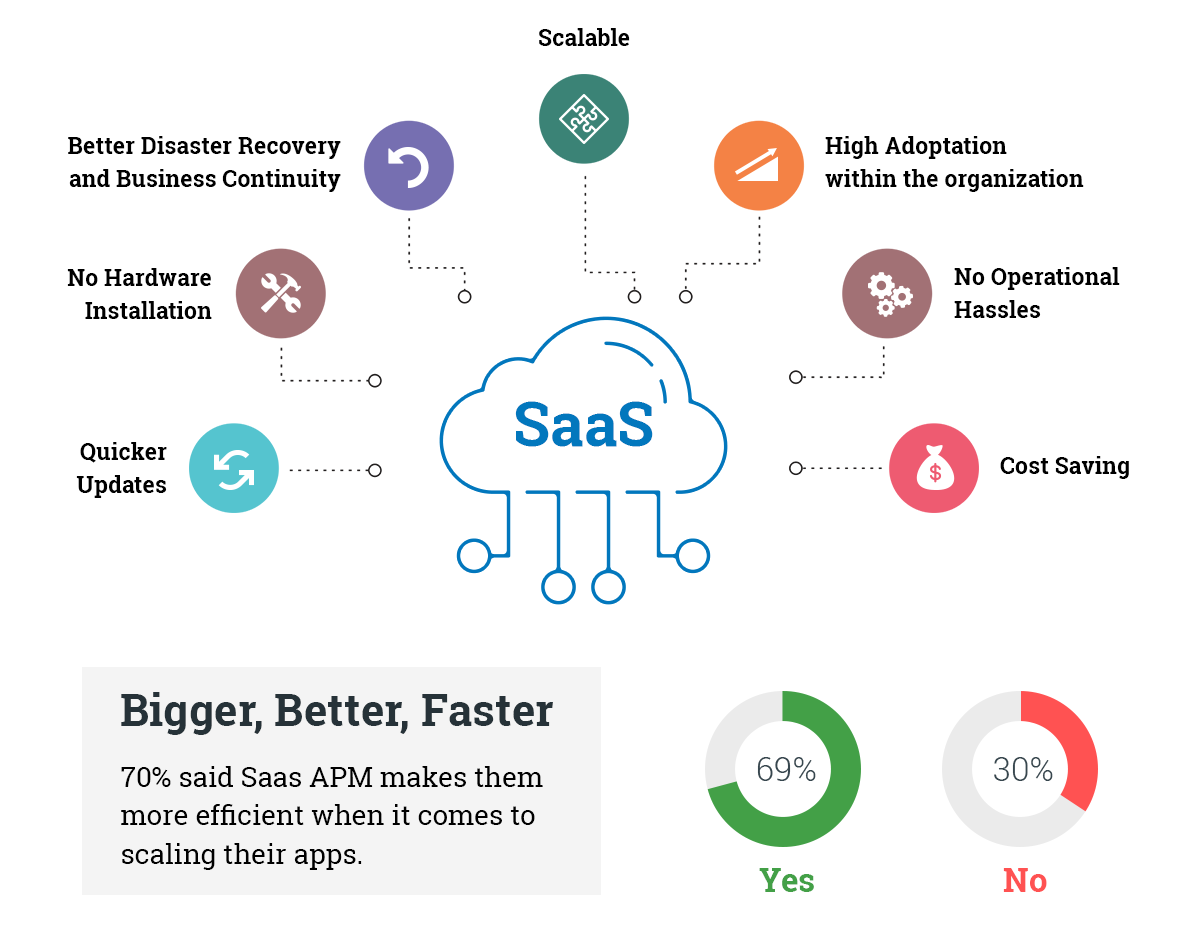
There are different cases depending on the plan, but with ASP, there is no need to update the version yourself. Therefore, you can feel safe in terms of security and reduce the cost of version upgrades.
In particular, if you upgrade the version without your own knowledge, there will be great security concerns. On that point, if you hire an ASP that can handle all version updates, your company can focus only on essential operations.
Can be entrusted with backup
Another feature of ASP is that it is often entrusted with backup. Backup refers to the work of managing data on systems and sites, restoring data and updating information as necessary.
Backup is a part of security measures, and along with the version upgrade mentioned above, it is one of the very important tasks. If backup takes a long time or is performed by an inexperienced person, there is a risk that the data itself may be damaged in the worst case scenario.
On the other hand, since ASP can be entrusted with backups, it has the advantage of reducing the risks mentioned above.
Difficult to customize
Although ASP has various advantages, it is difficult to customize it in-house. This is because in most cases a pre-prepared template is used on the ASP side, and there may be restrictions on customization.
Therefore, there are many cases where the design is similar to services using similar ASP. In addition, it cannot be said that the functionality is highly extensible, and it is possible that the functionality that your company wants is not included.
In order to reduce the above disadvantages as much as possible, we recommend that you compare and consider multiple ASPs in advance and choose the one that is equipped with the functions that your company is most looking for.

There may be risks due to shared use.
The reason why ASP can be used at such a low cost is that multiple users (companies) use the same server. Management costs are low because ASP does not need to prepare a server for each user.
However, due to the above background, it is necessary to be careful about the possibility of corporate data and personal information being leaked because the same server is used jointly. Additionally, if the ASP itself goes bankrupt or its services end, there is of course a risk that your company’s data will be lost as well.
Therefore, it is important to accept the risks described above when using ASP.
ASP (Application Service Provider) and other differences
So far, we have explained the characteristics of ASP (Application Service Provider). From here, I will explain the following three differences between ASP and ASP.
- SaaS (Software as a Service)
- ISP (Internet Service Provider)
- Cloud
Let’s look at each in turn.
Difference from SaaS (Software as a Service)
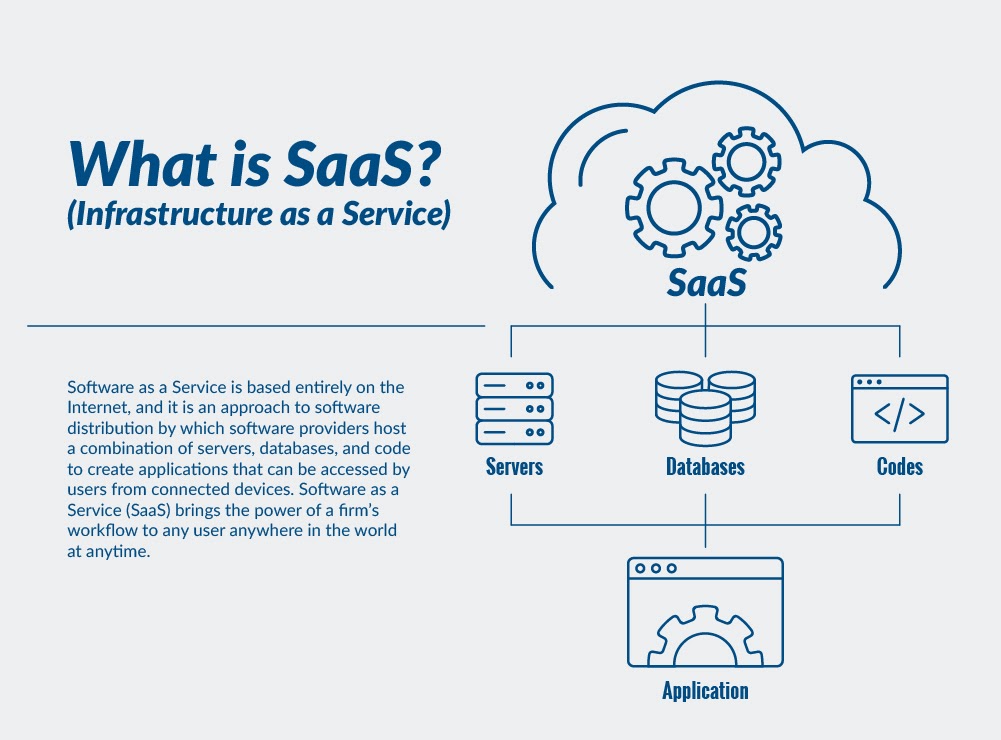
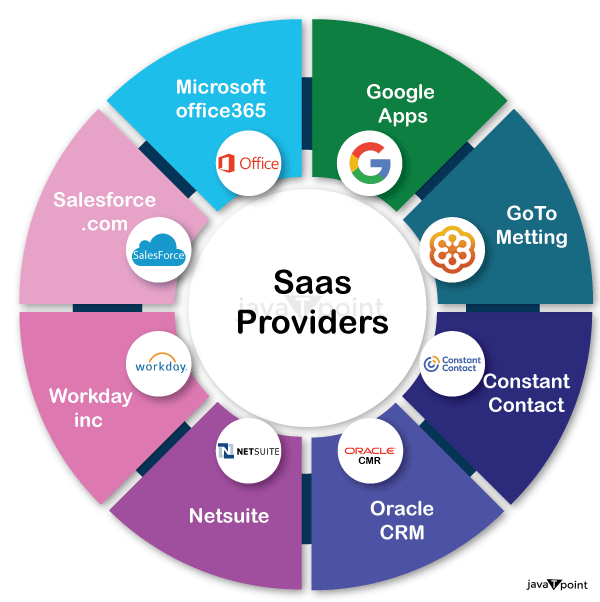
SaaS (Software as a Service) is software provided on the cloud. There is no big difference in meaning from ASP, and there is no problem in considering it as the same thing.
However, you need to be careful as some vendors treat SaaS as a different entity. For example, an ASP is viewed as a service provider, and SaaS is viewed as the software itself.
As mentioned above, the way things are perceived may differ depending on the case, so checking in advance how things are perceived will help eliminate any discrepancies in understanding.
Difference from ISP (Internet Service Provider)
An ISP (Internet Service Provider) is a company that provides services that enable Internet connectivity. Specific examples include OCN, BIGLOBE, etc.
An ISP is a business that enables Internet connections, and an ASP is a business or software that provides services using the Internet. Therefore, it can be said that ASP cannot be provided without using an ISP.
Difference with Cloud
Cloud refers to a system of services provided via the Internet. Therefore, there is no problem if you consider that ASP and SaaS themselves are built on the cloud. For example, the file sharing service “Dropbox” is a typical example of cloud computing.
summary
In this article, we have explained about ASP (Application Service Provider). ASP is used in various services on the Internet, such as G-mail, financial accounting, and shopping carts on e-commerce sites.
ASP can reduce both initial costs and running costs, and since there is no need for your company to perform version upgrades, it also saves management effort. If you are considering improving your business efficiency or want to create an e-commerce site while reducing costs, why not try actively implementing it?