

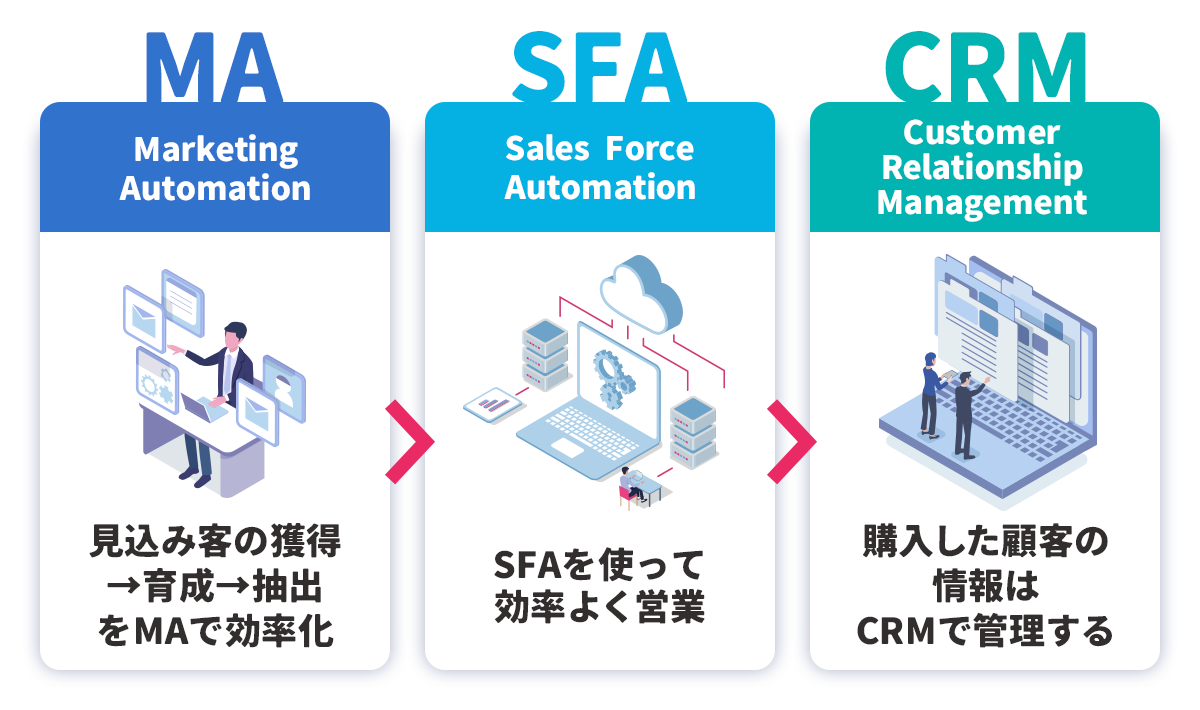
In recent years, “CRM” has become indispensable for companies to build good relationships with increasingly diverse customers.
Its market share as a system for managing customer information is rapidly expanding, and it is being used by marketers to formulate strategic measures. ”, many companies are unable to measure the effects.
In what specific situations is CRM used, and what can be achieved by implementing it?
We will provide an easy-to-understand explanation of the meaning of the word CRM, its basic role, and the differences from SFA that you should keep in mind.
Related materials:
What is CRM?

“CRM” is important for companies to carry out marketing activities.
CRM
is an abbreviation for “Customer Relationship Management” and refers to the overall management of building better relationships between companies and customers.
In addition to data management, it is also useful for “nurturing prospective customers and loyal customers” and “increasing customer satisfaction and building relationships of trust” based on the collected customer information.
CRM may refer to activities that aim to improve mutual relationships between customers and companies, or it may refer to an IT tool called a CRM system or what can be accomplished with that tool.
It is important to understand that the term CRM has a wide range of meanings, from customer management concepts to IT systems.
- History of CRM

The world’s first CRM system was born in the 1990s. The concept was born in the United States, and the CRM system was also proposed in Japan. The background to the birth of CRM is that as we entered the information society and consumers became more diverse, we could no longer expect great results from the same strategies as before, and there was a growing need to provide products that met customer needs from the customer’s perspective. Examples include things that have happened.
In the late 1990s, the original concept of customer management became even more important, and in order to outperform competitors, companies began using their own customer information through a “One to One marketing strategy” (marketing strategy tailored to each individual). The idea of making even more use of it has begun to attract attention.
In the early 2000s, the introduction of CRM systems expanded in Japan, especially among large companies. Since around this time, it can be said that activities aimed at maximizing corporate profits by collecting, analyzing, and managing customer information have become mainstream.
Specifically, the key points are to be able to use data to approach customers in the order of their highest potential, and to be able to perform regular after-sales follow-up and customer discovery work efficiently.
By sharing the latest information using a CRM system, you can smoothly respond to customer inquiries throughout your organization, ensuring you don’t miss any business timing.
If you can consistently provide high-quality service, you can expect to improve your brand reputation and improve customer loyalty (trust and attachment to your brand). If your company’s brand power improves, it will be easier to create an atmosphere of improving customer satisfaction within your company.
The larger the company, the more important it becomes to view business on a customer-by-customer basis. In addition to activities to acquire diversifying new customers, it is important to focus on “Customer Retention” and aim to improve “Customer Satisfaction” among those who are already customers. is.
If you can consistently build a good relationship with your customers, you can expect them to repurchase the same product or purchase other products you offer. By utilizing customer information from CRM systems, companies will be able to come up with measures to gain long-term profits.

What can be achieved with CRM?
CRM refers to the management of collecting, analyzing, and managing customer information, and is a marketing method aimed at maximizing corporate profits, but what can companies actually achieve by implementing an IT system? .
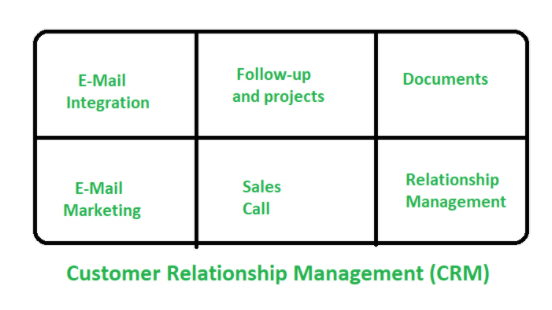
The basic functions installed in CRM tools and usage examples are listed below.
- Promotion function (campaign management)

The promotion function of CRM tools allows you to automatically send targeted emails at the right time, time zone, and content. You can also manage and analyze click rates and open rates after distribution. You can also analyze access to websites (homepages) and create, distribute, and manage event information such as seminars. As a measure to encourage people to become fans of your company, make use of features such as linking with SNS accounts.
Typical CRM tools include “Oracle CRM,” “Microsoft Dynamics 365,” “Salesforce Sales Cloud,” “SATORI,” “kintone,” and “Zoho CRM.”
How is it different from SFA?

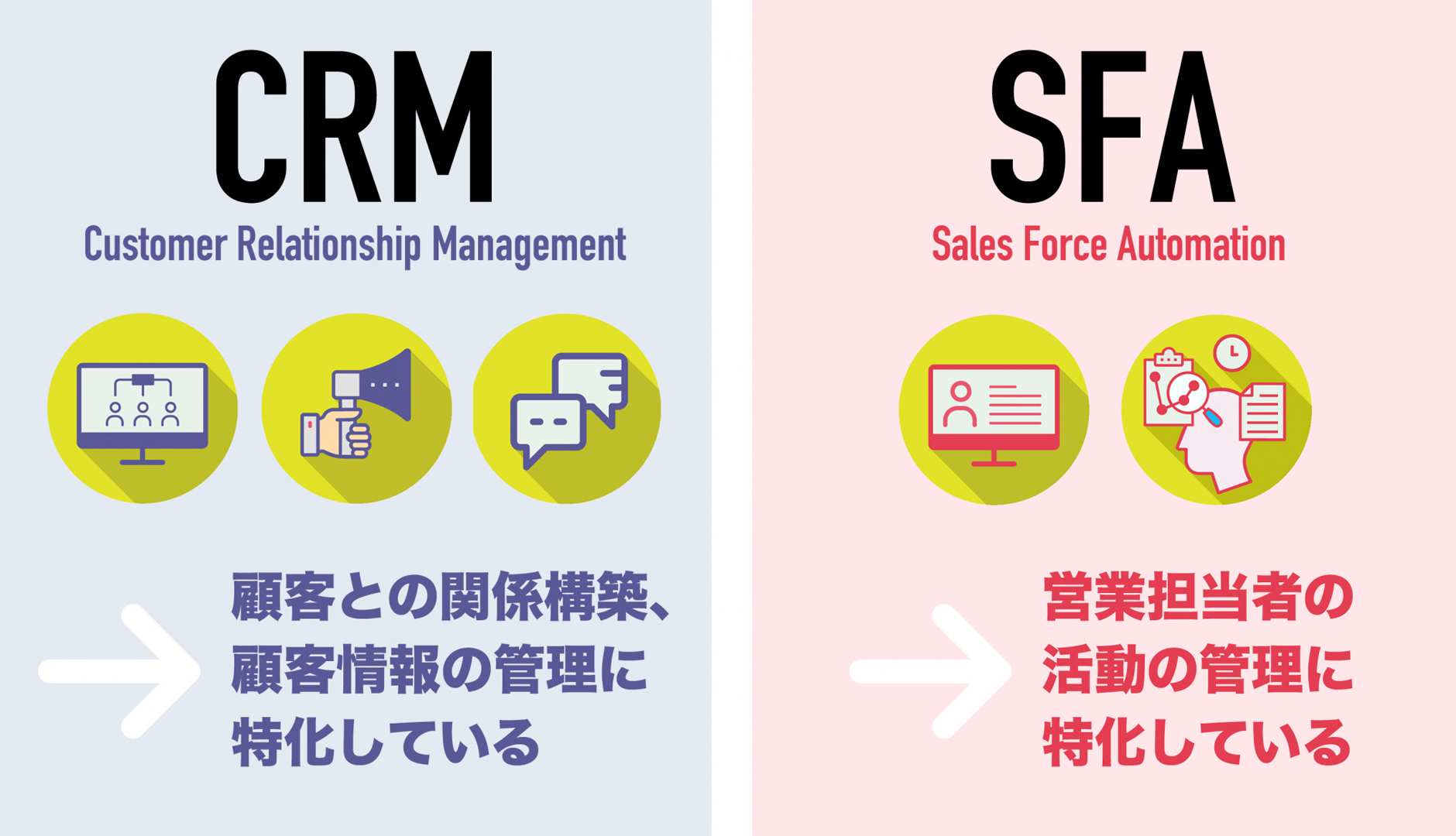
When learning what CRM is, “SFA” is often heard as an IT tool used by companies.
SFA is an abbreviation for “Sales Force Automation”, which translates to “Sales Support System” in Japanese.
CRM and SFA are often compared, but the major difference that you should keep in mind is the role of the two.
While CRM systems are specialized tools for “customer management,” SFA systems are specialized for “sales support” and are tools for streamlining the work of sales departments and staff.
Let’s take a look at the main features of SFA below.
- Support for sales activities
By using SFA’s report management function and sales management function, you can automatically create records of sales activities (daily reports) and reports. You can choose the optimal layout display from templates, and smoothly create documents for sharing data and formulating strategies within departments. The key point is that desk work, which has been a burden to salespeople, will be reduced, making it easier for them to focus on their primary role.
SFA can truly be described as a system for successful sales.
Typical SFA tools include “Sales Cloud,” “Dynamics 365 sales,” “cyzen,” “eSales Manager,” and “Chikyu.”
What are the points to keep in mind when implementing CRM?
CRM is a management method that collects, analyzes and manages customer information to increase profits, but simply introducing IT tools will not lead to increased profits for your company.
What is important is how companies utilize the data collected and analyzed using CRM tools. In order to resolve past issues with CRM, the key is to build good relationships with customers through measures based on data.
Also, it is important to understand that even if you spend money on implementing a CRM tool, you will not see immediate results. It is important to start by accumulating the necessary data and gradually analyze and implement processes to maximize profits.

summary

CRM is a management method for centrally managing diversifying customer information and creating better relationships. CRM systems have become indispensable for creating measures to improve customer satisfaction and customer loyalty, which have become important in recent years. First, it is important to understand what CRM is and how it differs from SFA, and then choose the tool that suits your company.
In order to accelerate corporate growth, it is necessary to clarify the vision of “what kind of relationship we want to build with customers.” In order to realize this vision, a key point will be how each company utilizes the data collected and analyzed through CRM.