

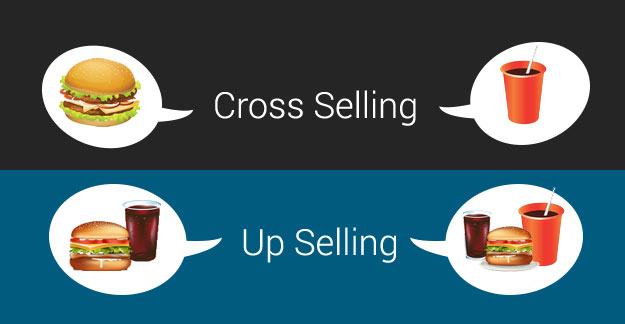
Many people have probably had the experience of buying a hamburger at a hamburger shop and being asked by the staff to buy fries and a drink.
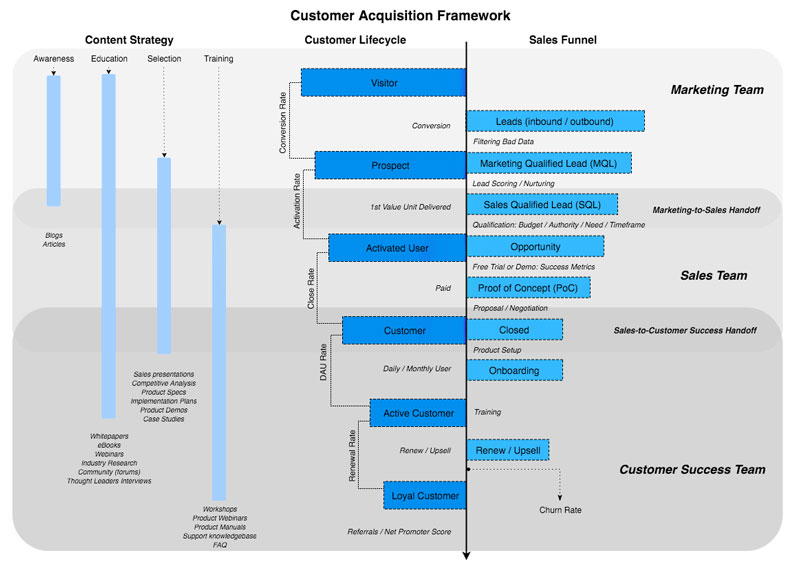
This process of recommending products and services related to customer needs is called cross-selling.
Nowadays, it is becoming difficult to acquire new customers, so cross-selling is used to increase the cost per customer, but what are some ways to utilize it?
We will explain this with specific examples of applying cross-selling.
What is cross-selling?
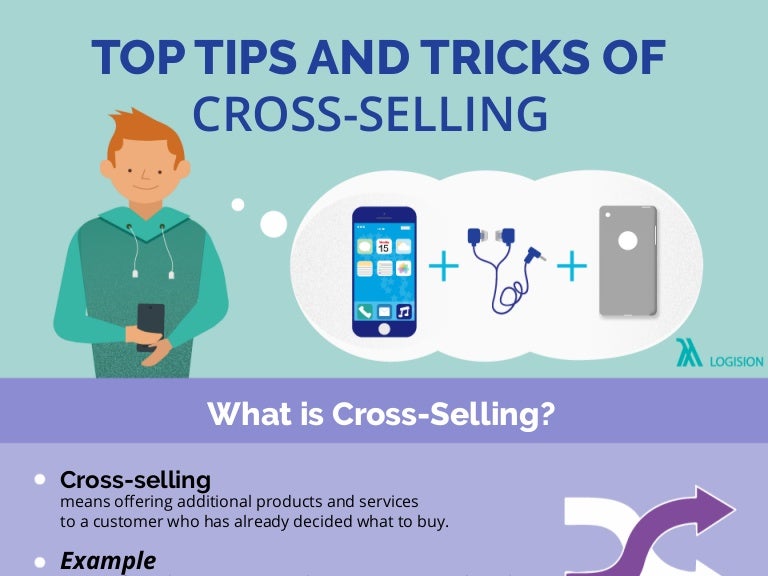
Cross selling refers to the simultaneous recommendation and sale of related products to customers who are considering purchasing or have already purchased a product or service.
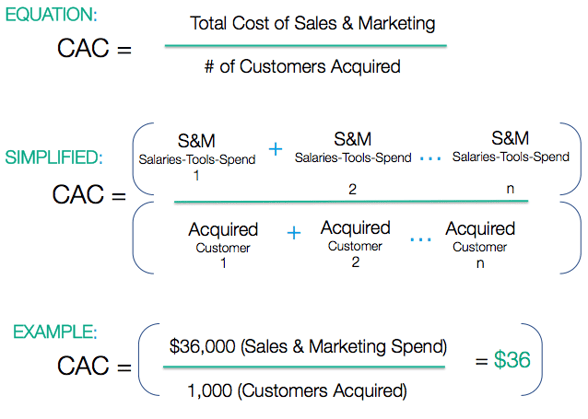
Cross-selling at a hamburger shop is a well-known example, and it is a sales method that can increase the cost per customer by identifying customers’ latent requests and issues and presenting solutions in a timely manner.
Although cross-selling is often used for general consumers, it can also be applied to B to B.
Developing new customers takes time and effort, and requires aggressive advertising, which is costly.
In order to increase sales under these circumstances, increasing the unit price for existing customers is a very efficient way.
Also, let’s explain some words that often come up related to cross-selling.
・Upsell
<br/> Upsell is a sales technique that recommends a more expensive version of the same product or service.
A well-known example is credit cards. Credit cards are often divided into card grades (ranks), such as regular cards, gold cards, and platinum cards, and most credit card companies recommend upgrading cards depending on the customer’s credit score and amount spent. I’ll come. Upgrades change the card’s services and spending limits, but in most cases the annual fee also increases, which leads to an increase in the cost per customer.
In the case of B to B, upsells include recommending materials with greater durability and performance in order to improve the performance of a customer’s products.
・Downsell
<br/>Downsell is often used when you want to dispose of inventory.
For example, in car sales, a new model is about to be released and you want to sell off the old model quickly.
By lowering selling prices and increasing customer willingness to purchase, we reduce the risk of holding inventory.
At supermarkets, the prices of fresh foods may be reduced near closing time, and this is also a downsell to avoid waste.
Advantages and disadvantages of cross-selling
The advantages of cross-selling are very clear, but what are the disadvantages?
Let’s take a look at the advantages and disadvantages of cross-selling.
・Advantages
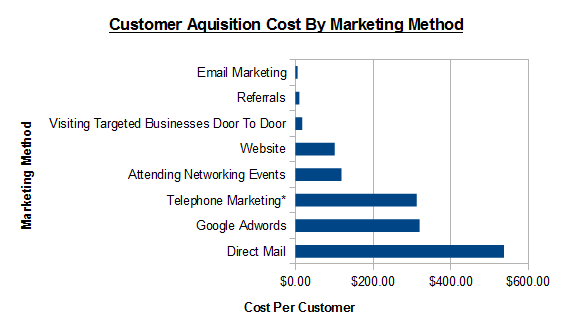
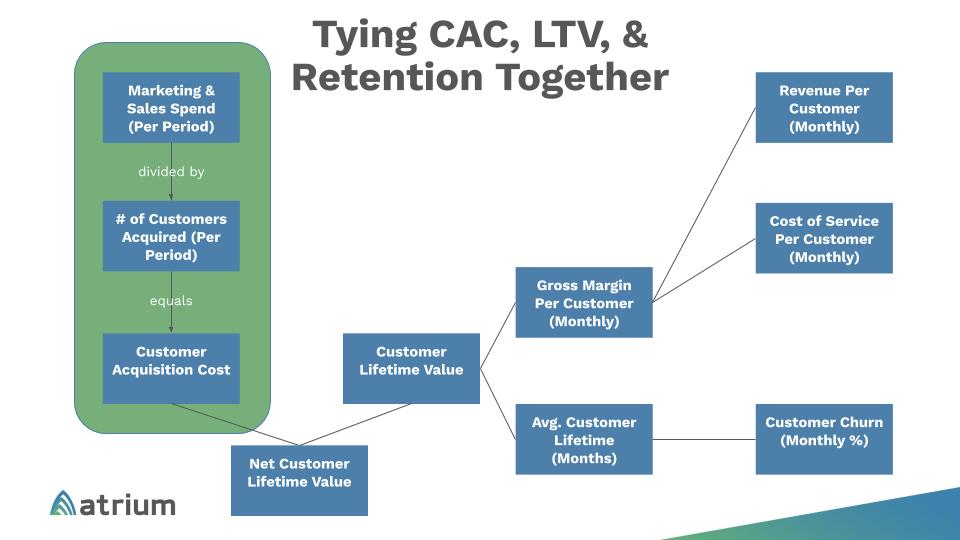
While it is difficult to acquire new customers due to intensifying market competition, it is better to treat existing customers with care and maintain long-term relationships to increase LTV (lifetime value) rather than spending a lot of money to acquire new customers. ) has become mainstream (relationship marketing).
The biggest advantage is that cross-selling and up-selling can increase the unit price per customer, which in turn leads to increased sales.
Also, if you can highlight your company’s superiority through cross-selling, you can expect repeat business.
・Disadvantages
<br/>The disadvantage of cross-selling is that if you persistently recommend products or services that the customer does not want and worsen the relationship, you may cause the customer to leave.
It is important to clearly demonstrate the benefits from the customer’s perspective, rather than imposing products and services on your company.
How to utilize cross-selling
Even if you are trying to utilize cross-selling, you cannot forcefully combine your own products.
Proposals from a seeds perspective without considering the benefits to the customer will only result in the disadvantages of cross-selling mentioned above.
To avoid this, it is important to keep cross-selling in mind from the planning stage of products and services.
Usually, analysis of customer needs is done at the planning stage, and at that time, in addition to the main product, other products that the customer might need are also considered.
If you think about cross-selling products after the fact, you will be behind the curve, but if you can promote cross-selling to customers at the same time as the release of your main product, you will differentiate yourself from other companies.

Specific example of cross-selling
・Cross-selling at Amazon, a major online retailer Amazon
, the world’s leading online retailer, utilizes cross-selling in two directions.
First, for users who buy products on Amazon, when they search for a certain product, it recommends similar products such as “Customers who checked this product also checked these products” and “Products that are often purchased together.” We also clearly promote cross-selling.

In addition, for business users who list products on Amazon, we have a program (fulfillment) that provides a one-set service from “inventory management” to “order acceptance”, “product delivery”, and “payment collection.” Masu. We provide exactly the services that our users need through cross-selling.
The key to successful cross-selling is understanding customer needs in a broad sense.
The fulfillment service provided by Amazon is a good example of using cross-selling for B to B.

summary
◆Cross-selling is one of the ways to increase the price per customer.
◆By utilizing cross-selling, you can differentiate yourself from other companies.

◆Cross-selling begins with understanding customer needs in a broad sense.
◆It is important to carry out cross-selling from the customer’s perspective