

Design is an integral part of everything that customers come into contact with, such as websites, banner ads, white papers, and product/service introduction materials. When we think of design, we tend to think of eye-catching ornate decorations, but the design required for marketing is aimed at increasing customer convenience.
The former is called “decorative design” and the latter is called “functional design.” This time, we will introduce the points that marketers should keep in mind regarding the design direction required of them through “decorative design” and “functional design.”
What is decorative design and functional design?
There are two main types of web design. Functional design and decorative design.
Functional design specifically refers to information design and information organization. This includes product/service personas, customer journeys, website
wireframes
, etc. Functional design is about properly organizing the information you want to convey in order to convey it to customers in an easy-to-understand manner.
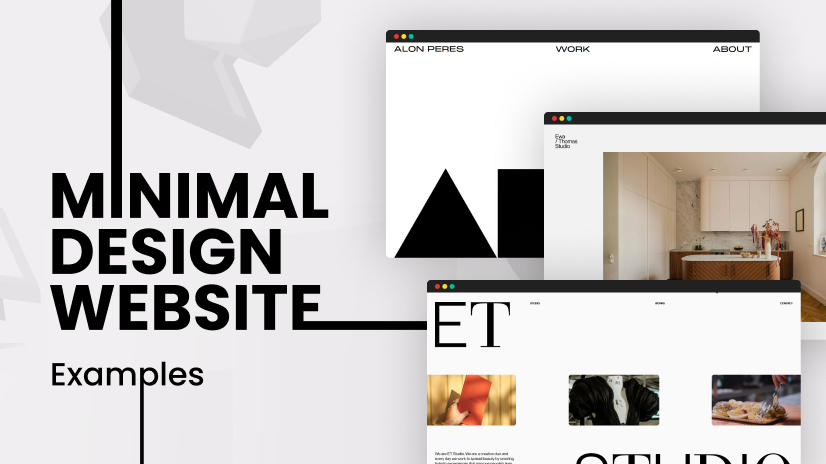
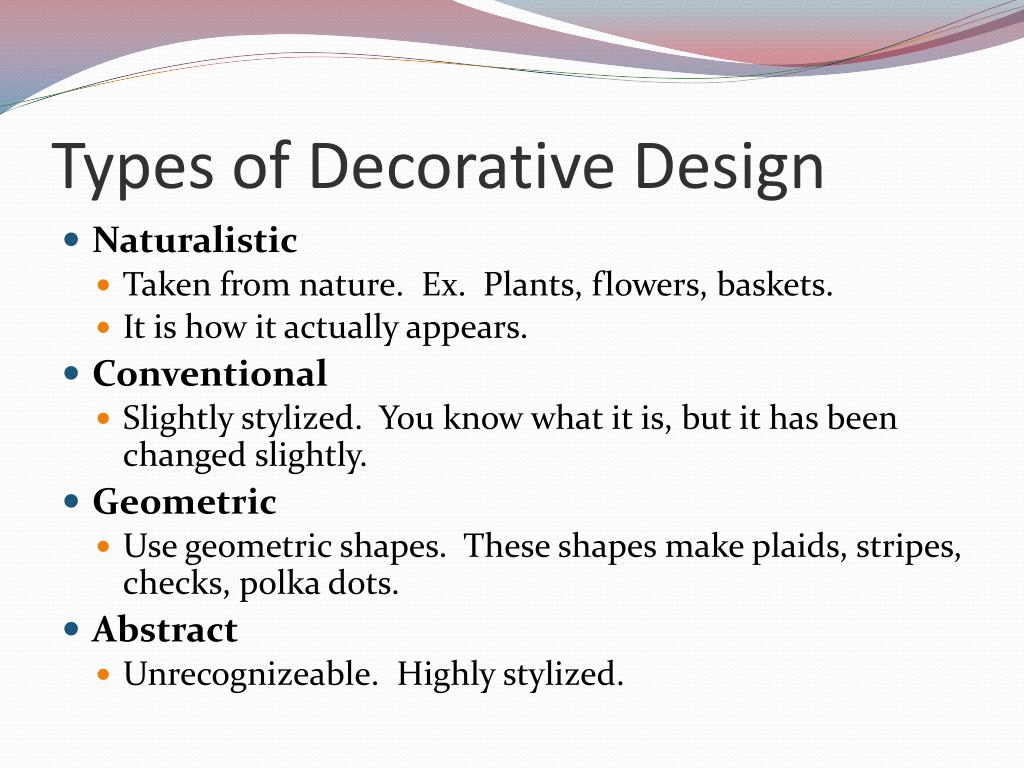
On the other hand, decorative design refers to decorations such as colors, layout, and fonts. We do the exact opposite of organizing information, such as making the text larger and creating gradations with unique colors.
However, intentionally making things stand out is effective in achieving the goals of “impressing” and “being remembered.” Decorative design plays a role in improving customer convenience and can be seen as part of functional design.
A word similar to functional design is “UI (user interface).” UI is all the visual information that users see and see, such as the site top design and fonts displayed on their desktops and smartphones.
Like the “Material Design” announced by Google in 2014, functional design and UI are required to follow certain rules such as color scheme and button design to improve customer convenience. .
Design direction required by marketers
Designers are the ones who actually design websites and banner ads. When creating in-house or working directly with an outside designer, you will need to compile and organize the information you want to convey to the target audience, share it with the designer, and have them produce it.
Direction work is not necessary when working with a production company, but a certain amount of information organization and sharing is necessary when communicating with the production company’s director.
Of the two types of design: “functional design” and “decorative design,” marketers and directors are often in charge of “functional design,” and designers are often in charge of “decorative design.” Although we may review and provide opinions on each other’s areas of responsibility in a mutually complementary manner, our main roles do not change significantly.
If you leave the information design entirely to the designer, you will end up with something that is far from the finished product you had in mind, which is extremely dangerous. Marketers appropriately judge how much information should be organized and give direction to the designers and directors they request.
Key points and flow of design direction
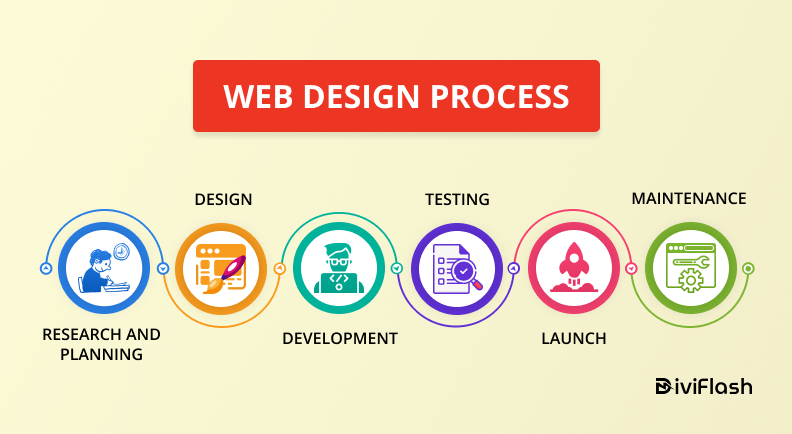
In design direction, we must manage and be responsible for all processes until the product is completed. We decide the direction of the design of the production, give instructions to the director and designer, and manage progress at the same time.
Communication with the director and designer is extremely important in order to create a design that is better than you imagined. Especially when first sharing a project or reviewing the first draft, be careful and communicate carefully.
The general flow of design direction is as follows.
①Share the purpose, persona, and concept of the work
We decide in advance the purpose of the production, such as a website or banner ad, what we want to achieve, the target persona, and the overall concept of the production, and share it with the director and designer.

② Decide what content to post and its priority
We will decide on the content to be included in the production. Decide specifically what to include, and if there are multiple items to include, decide which one to highlight and prioritize. If there is no director, we will have to make our own decisions.
③Determine the overall impression such as tone and color scheme
We decide on the overall color and tone of the work. If it is a website, we will set it to match the image color of the company, product, or service. This is also a good idea if you don’t have a director.
④ Request the design to the designer and complete it after modification
Share the details decided in steps 1 to 3 with the designer and request a design. Once the first draft design is submitted by the designer, we will check and review it, make corrections, and then finalize it.
Notes on design direction
In order to improve the quality of the design, there are four points that must be kept in mind when designing the design direction.
① Flexible schedule
A schedule with some leeway is necessary to ensure quality. If you proceed with a last-minute schedule, you will not be able to respond smoothly if a problem occurs, and there is a risk that the delivery will be delayed.

②Clear and specific requests and instructions
Be sure to give clear and specific instructions and requests to the designer. Ambiguous instructions cause designers to have trouble figuring out where to add strengths and weaknesses and how to make corrections. We will clarify the priority of the parts you want to highlight and the changes to be made, and give specific instructions and requests.

③Sharing the design intent and background of modifications
Sharing not only specific instructions and requests, but also the intent of the design and the background behind the modifications will make it easier for the designer to move forward. Also, if you verbalize the target and purpose of your work and have a common understanding, you will be able to understand each instruction and request, and you will be able to create a higher quality design.
④ Careful confirmation of every detail
When you receive the first draft design from the designer, be sure to carefully check every detail. We carefully check and review whether the design atmosphere is as requested, whether there are any typos or omissions, and whether there are any omissions in the content. In order to minimize reversals, we carefully review the first draft.
summary
- Web design includes functional design and decorative design. Functional design refers to properly organizing the information you want to convey in order to convey it to customers in an easy-to-understand manner, while decorative design refers to decorations such as colors, layout, and fonts.
- Of the two types of design: “functional design” and “decorative design,” marketers and directors are responsible for “functional design,” and designers are responsible for “decorative design.”
- Communication with the director and designer is very important in order to create a design that is better than you imagined.
- In order to improve the quality of the design, pay attention to a flexible schedule, clear and specific requests and instructions, sharing the design intent and background behind modifications, and carefully checking every detail.