

In manufacturing, the concept of “HCD (Human Centered Design)” is important, considering ease of use and user requirements for products and systems.
This is a process of reviewing and developing technologies and problems centered on “people” rather than “things,” but there are many cases where an understanding of what principles actually apply is not permeated within the organization. Probably.
In this article, we will explain in detail what exactly HCD is, its overview, and points to consider when designing it.
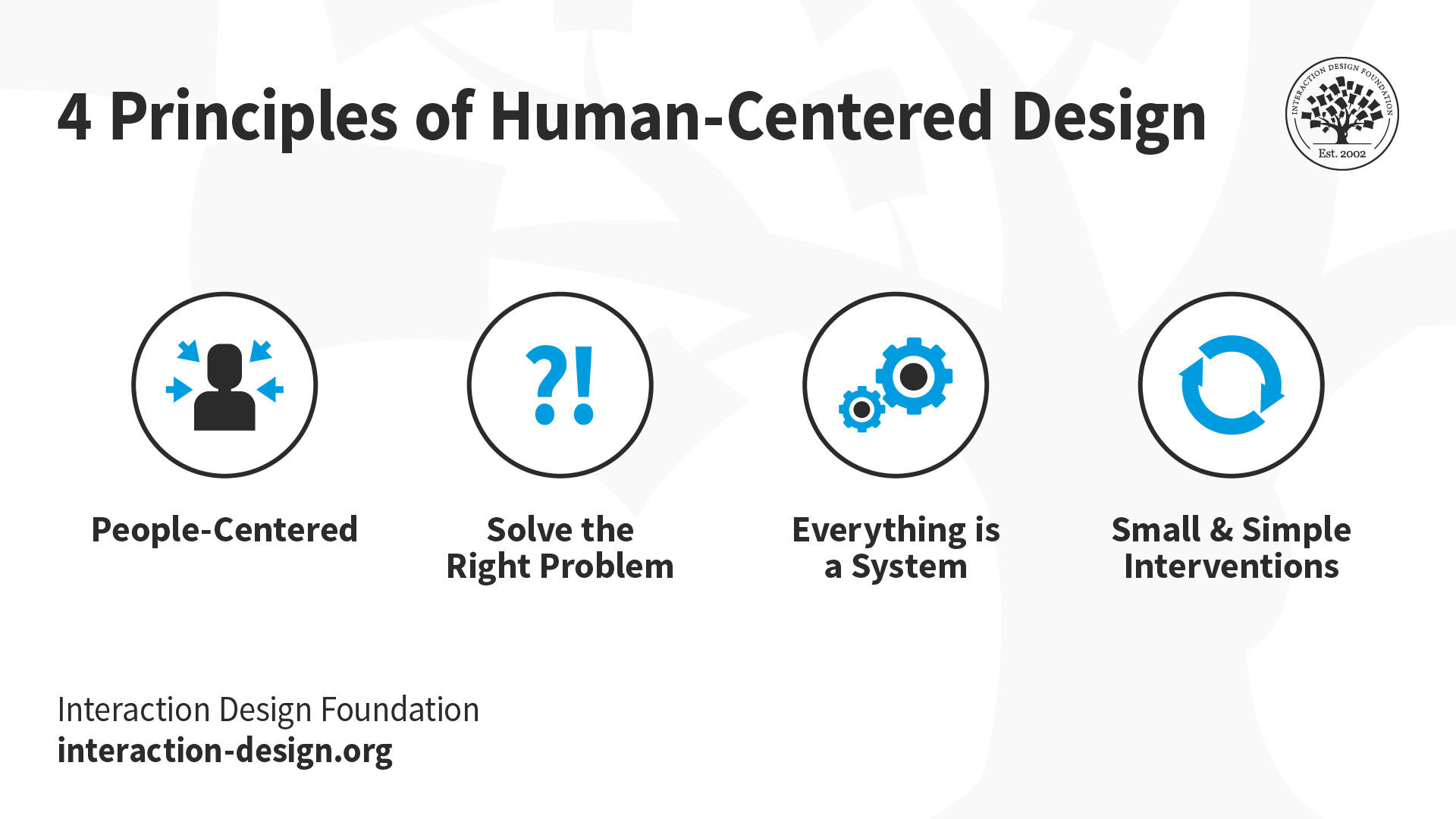
Reference source:
What is human-centered design? 6 principles and 4 steps [Basic knowledge you need to know when learning design/UX]
What is HCD?
The process of “HCD (Human Centered Design)”, which is essential for manufacturing, is the process of designing products and systems with a focus on good “usability” and “the user’s perspective.” It is to do.
Before developing a product or system, the key is to observe people, fully understand their characteristics and thoughts, and then create designs and models.
In order to create products and systems that provide a rich user experience, it is necessary to design them in accordance with the principles of the international standard HCD. The principles are summarized below.
Reference source:
What is human-centered design? 6 principles and 4 steps [Basic knowledge you need to know when learning design/UX]
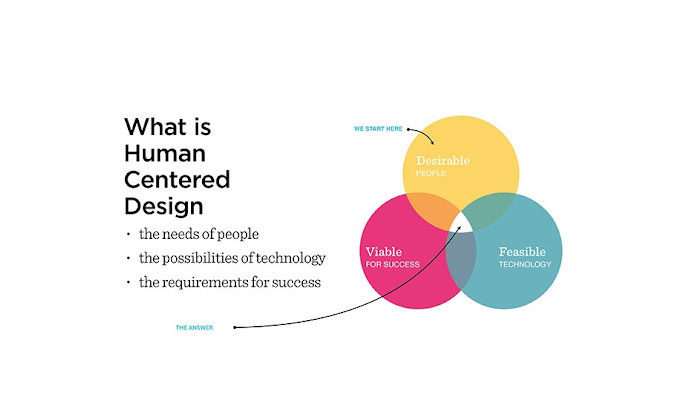
What are the principles of HCD?

The HCD principles established by the International Organization for Standardization (ISO9241-210:2010) include the following six points.
- Design based on understanding the task, environment, and user

Understand the entire user population, including the reasons for using the product or system and their circumstances.
- Implementation and refinement of user-centered design
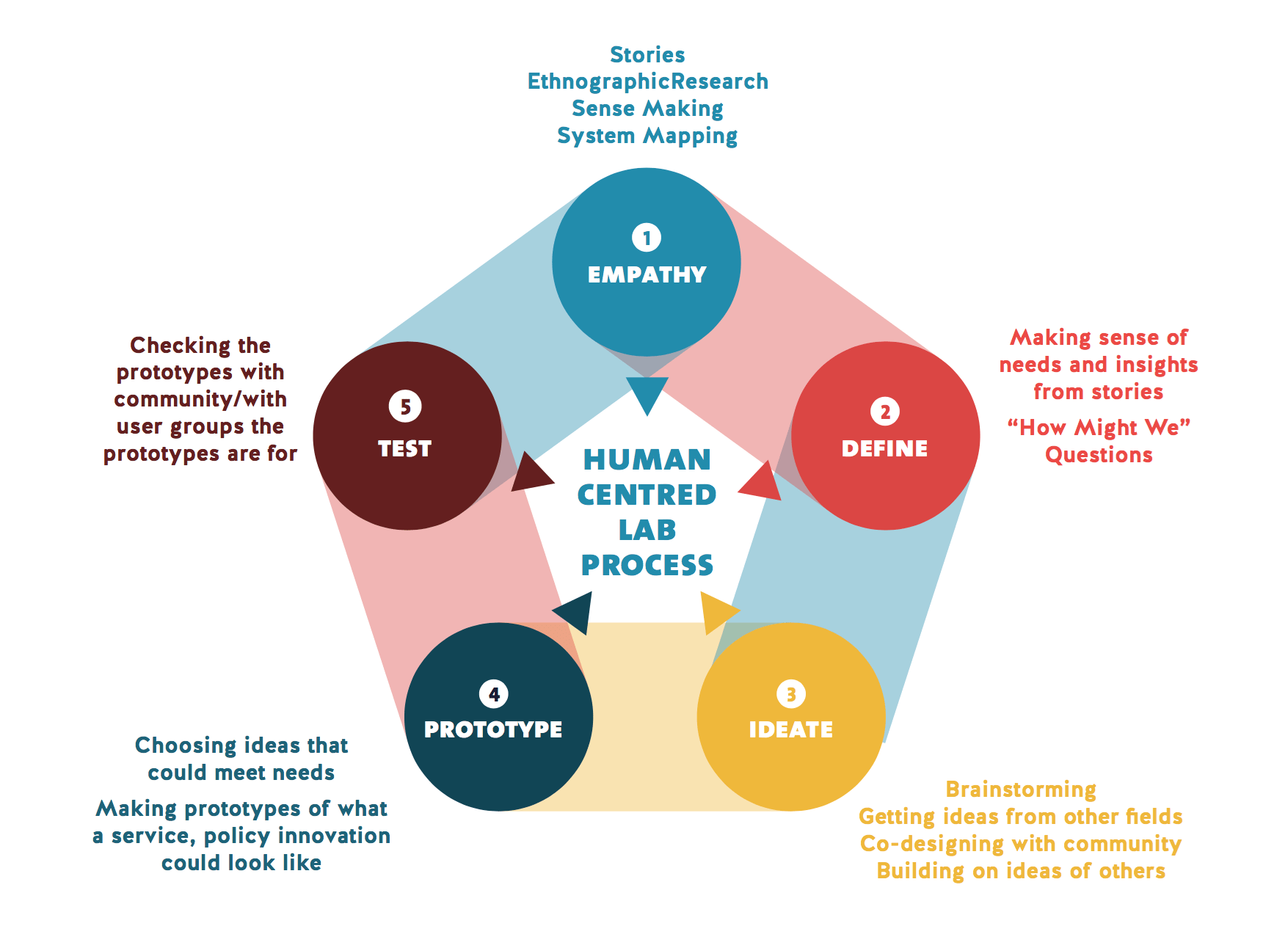
Users should be the center of all designs, and designs should be refined based on user feedback.
- repeat the process
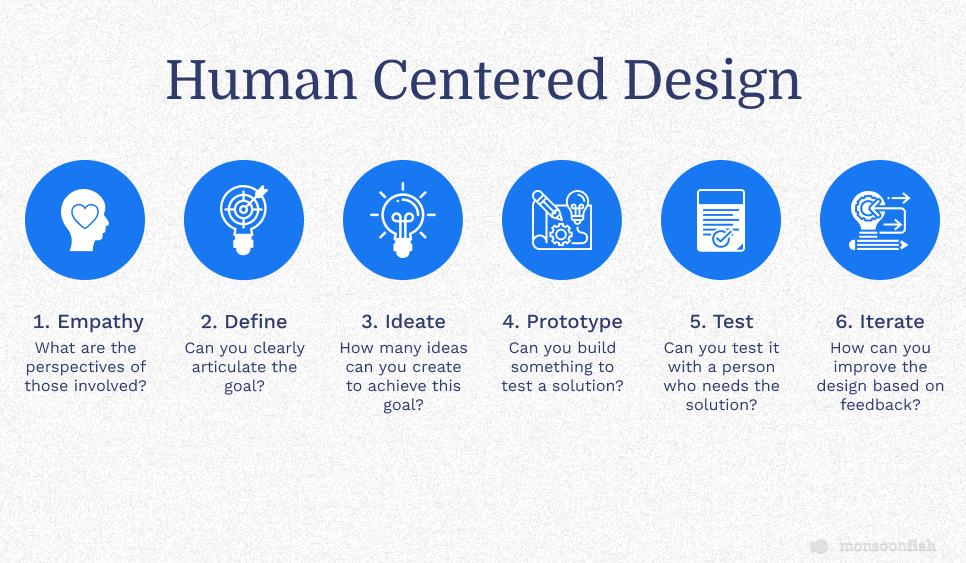
Perform PDCA repeatedly and obtain evaluations from users over and over again.
It is necessary to design products and systems with the user in mind while paying close attention to the above points.
Reference source:
What is human-centered design? 6 principles and 4 steps [Basic knowledge you need to know when learning design/UX]

What is the point of HCD?
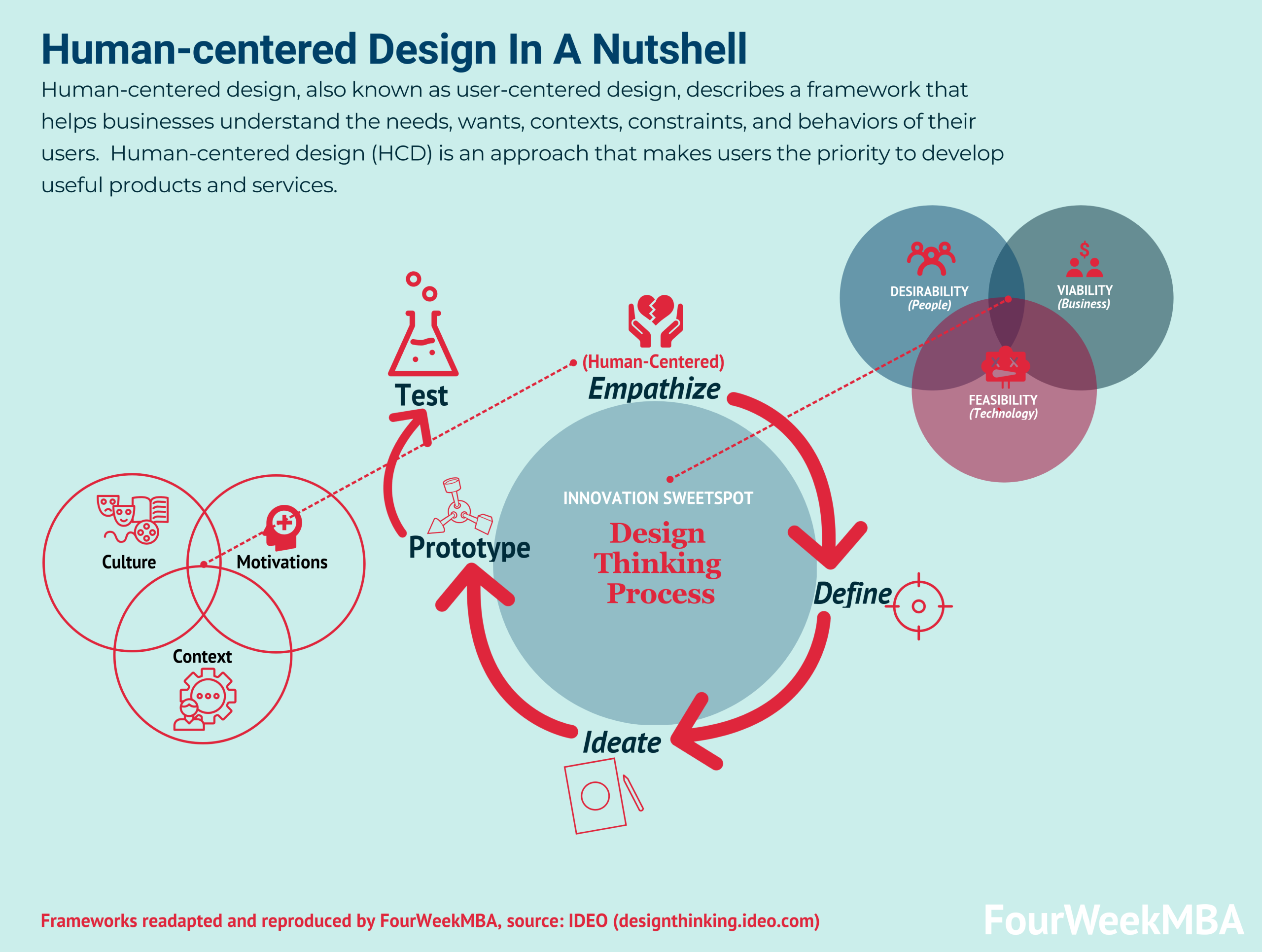
Following the principles of HCD, the following points are necessary for manufacturing products that please users.
Even if we put great emphasis on usability when designing an HCD, if the needs themselves are incorrect, we will not be able to build the products and systems that users want.
The challenge is to accurately grasp what kind of products and systems are truly needed.
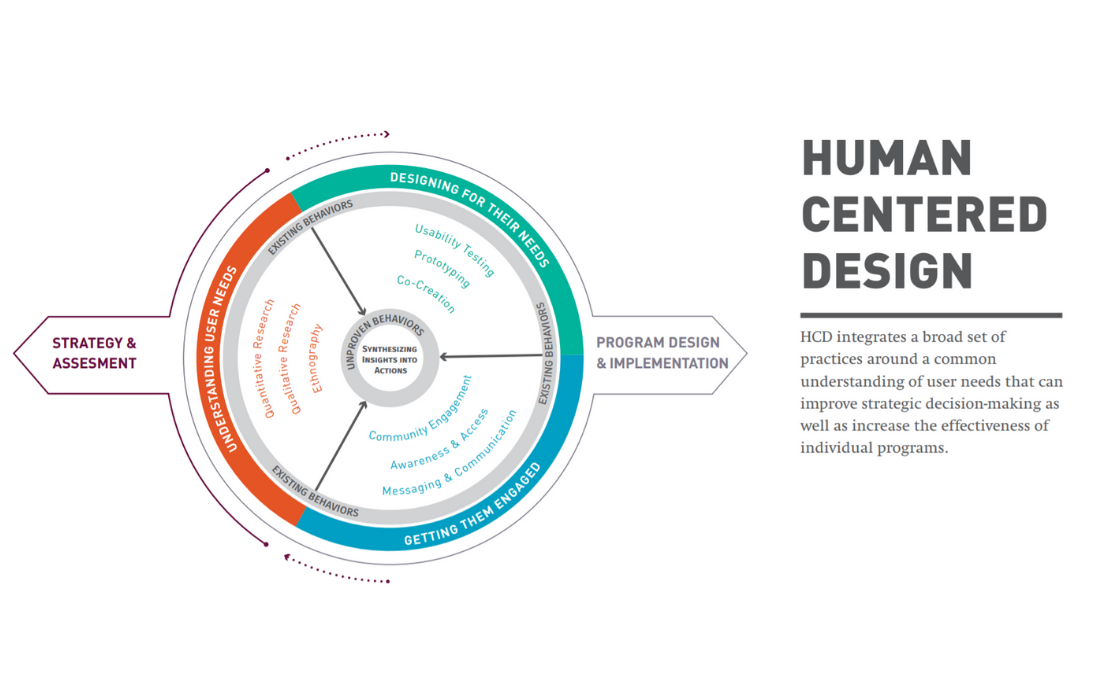
For example, users who originally thought that the smartphones we use today would be more convenient if they had a larger screen for viewing the web, the ability to make video calls, and the ability to use Excel and Word at work. There are probably many.

However, I don’t think any of them could have envisioned a smartphone that could combine all of these needs into a touch panel and solve all of them.
New products and systems are created by embodying and shaping the vague needs and demands of users. Innovation comes from what users want.
When designing an HCD, it is essential to gather people with expertise in all fields and create a team that can understand the diverse needs of users. The key is to repeatedly analyze and create designs that create UX from various perspectives.
Reference source:
What is human-centered design? 6 principles and 4 steps [Basic knowledge you need to know when learning design/UX]

summary
When creating products and systems, it is important to develop products from the user’s perspective based on the principles of HCD. It is important to gather people with skills in various fields to form a team and repeat the PDCA cycle over and over again to aim for better manufacturing.
Reference source:
What is human-centered design? 6 principles and 4 steps [Basic knowledge you need to know when learning design/UX]