

The various routes used to attract customers are called channels, and omnichannel is attracting attention as a marketing method that satisfies customer satisfaction. A detailed explanation of the meaning and strategic points of omnichannel, which has been adopted by famous companies from early on. If you are a company that is planning to focus on marketing from now on, please use it for your strategic measures.
What is omnichannel?
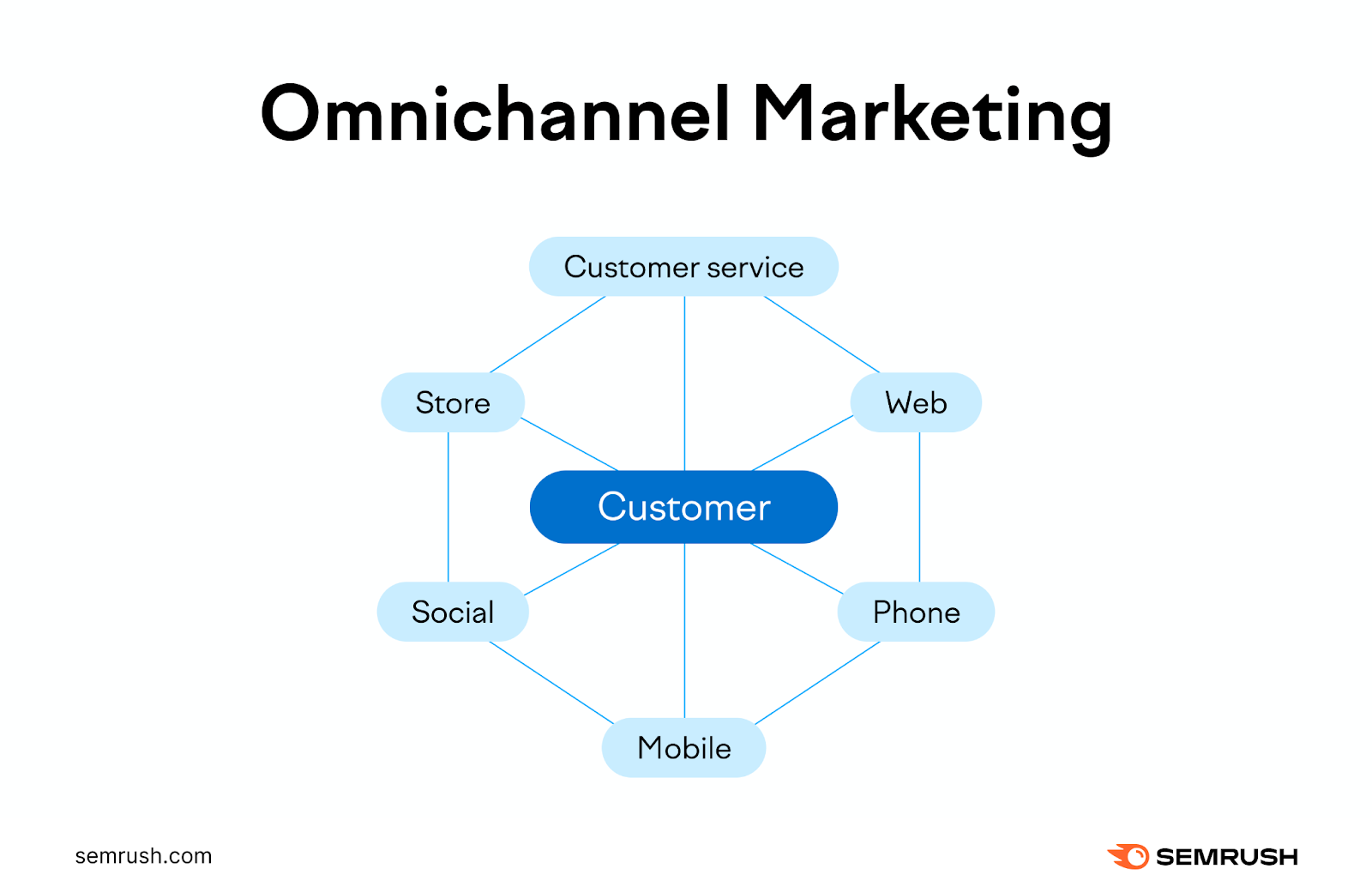
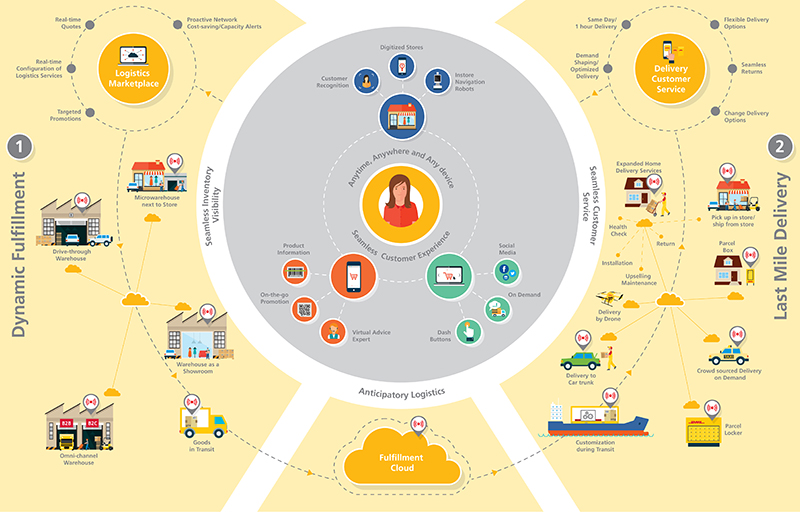
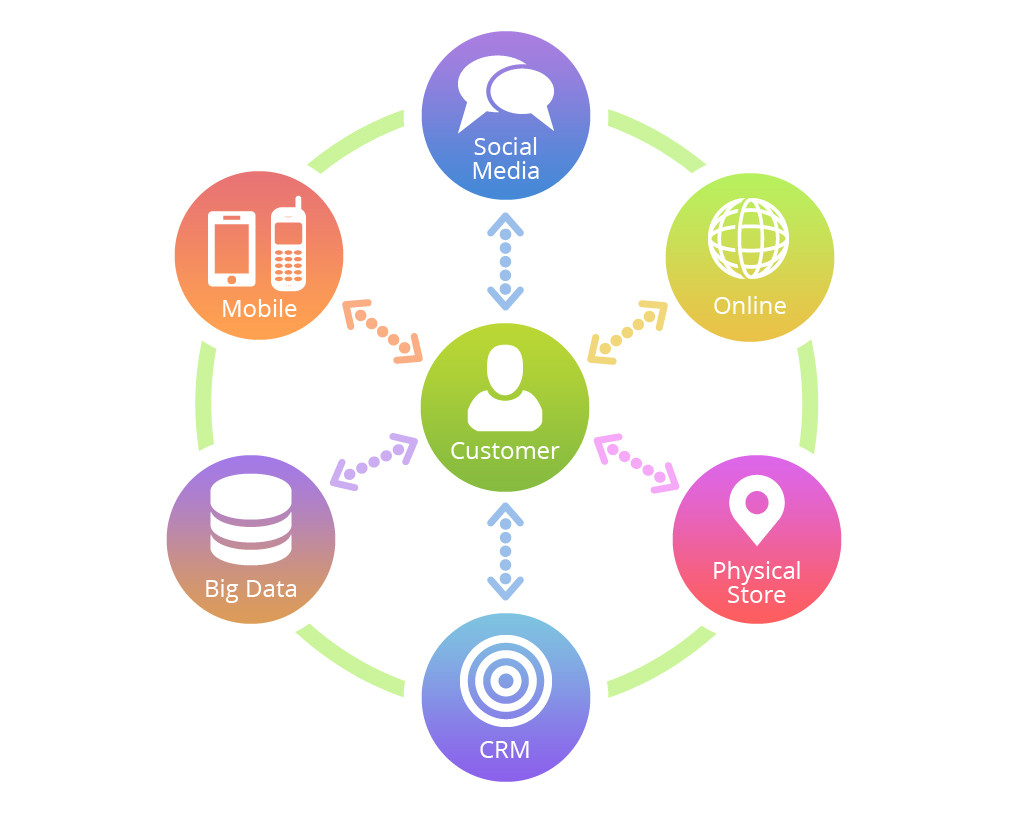
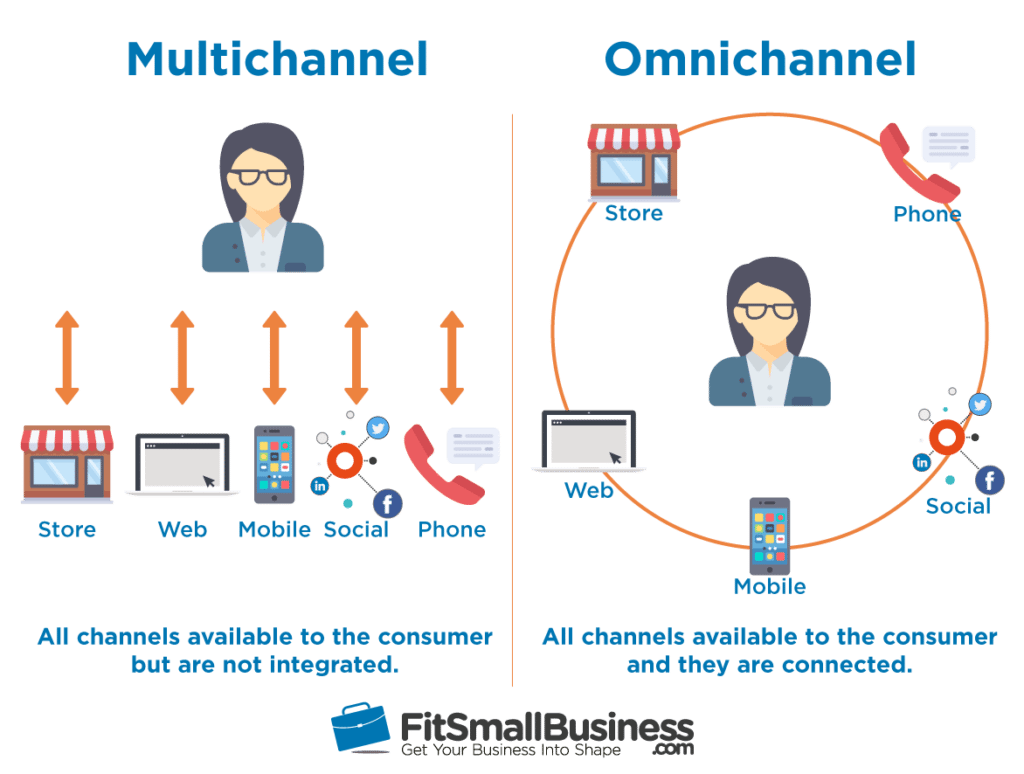
Omnichannel is a sales strategy that approaches customers by “linking and integrating” various channels (sales channels) that serve as points of contact between companies and customers. This strategy aims to increase sales by utilizing all channels, both online and offline, such as stores, e-commerce sites, SNS, and apps.

Background to the focus on omnichannel
Omnichannel is a popular marketing strategy that reflects the needs of the times. Here we will explain the background behind the emphasis on omnichannel as a sales strategy.
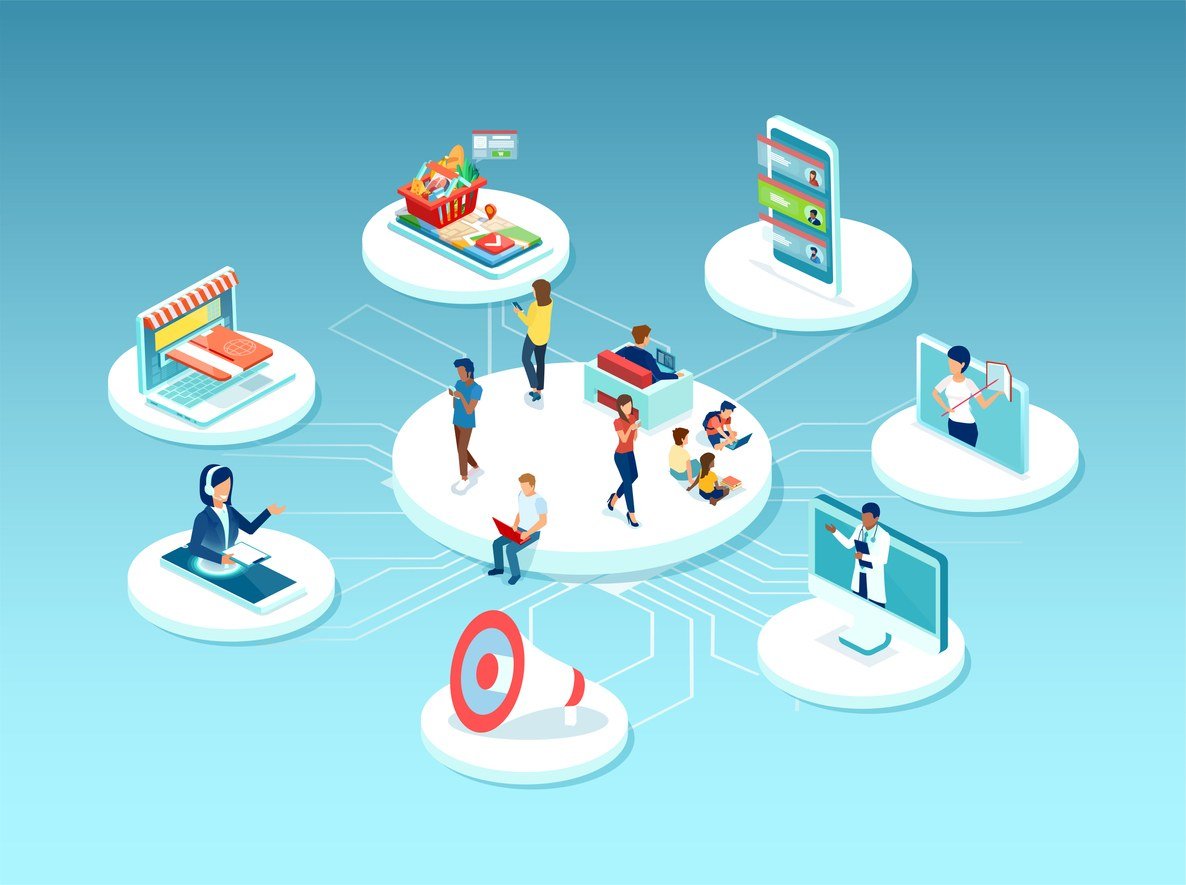
Popularization of smartphones and SNS
The number one reason why omnichannel is attracting attention is the change in consumer behavior due to the spread of smartphones and SNS. Customers are now using a variety of channels, such as searching for reviews on social media and searching for the cheapest products through price comparisons.
Additionally, according to an internet research company, more than 40% of people used smartphones to shop online in 2020. This is four times the number seven years ago, and shopping using e-commerce sites is becoming commonplace.
As a strategy to adapt to these changes in consumption behavior, it is necessary to create a system that allows customers to purchase at the time they want by providing multiple sales channels (=omnichannelization).

Evolution of IT technology
In part, advances in technology have accelerated the shift to omnichannel. It has become easier to utilize big data and introduce access analysis tools, etc., making it possible to accurately understand customer trends. As a result, it has become easier to decide which channels to prepare, which channels to focus on, and what measures to take for each channel, promoting omnichannelization.
In addition, even on e-commerce sites, platforms are increasingly becoming self-service. This makes it easy to implement websites, SNS, linkage with intermediary sites, payment, shipping ecosystem, etc., making it easy for anyone to start an online business or move their business online.
These advances in IT technology have made it possible not only to introduce online business, but also to simplify marketing measures.
Benefits of omnichannel
-
Improving customer accessibility and satisfaction
-
Achieving selection and concentration by optimizing marketing strategies
-
Increase sales opportunities and reduce opportunity losses by creating customer contact points
-
Improving work efficiency by reducing man-hours
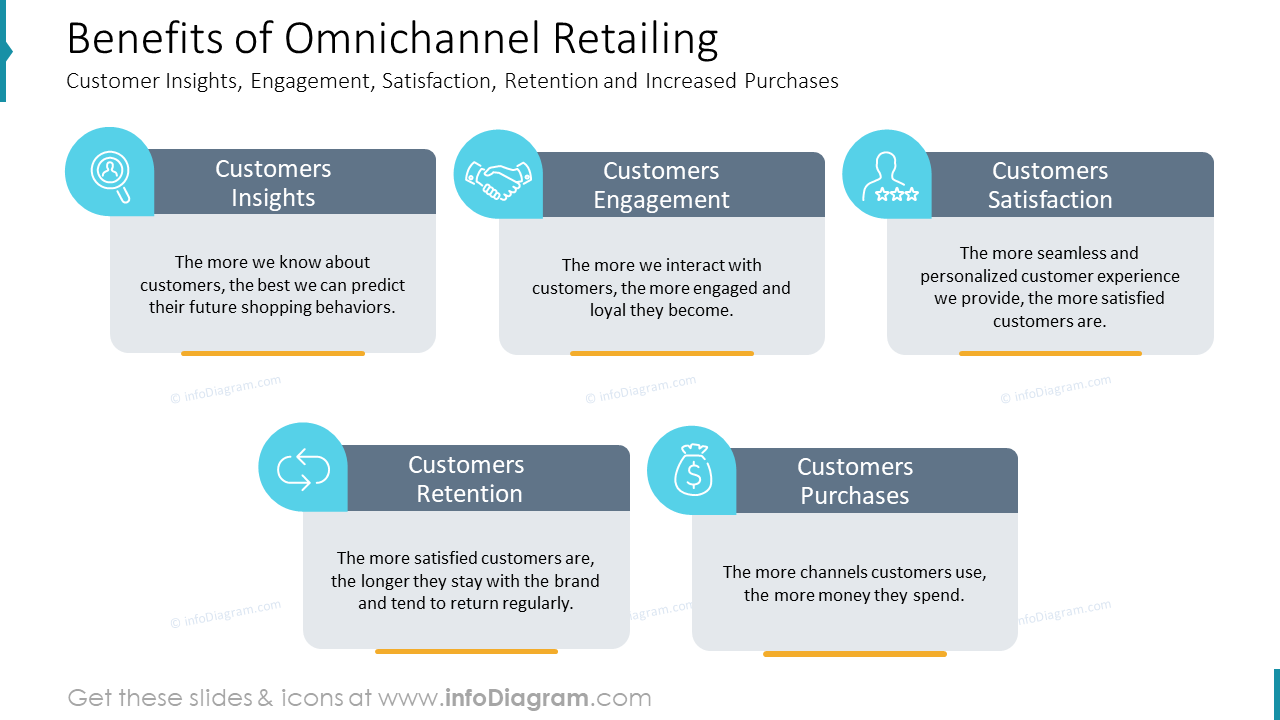
There are four main benefits to adopting omnichannel as a marketing strategy. I will explain it in detail below.
Improving customer accessibility and satisfaction
By linking all channels such as physical stores, e-commerce sites, and SNS, you can provide products and services to customers without missing the timing when they want to purchase. Furthermore, by improving customer accessibility, such as providing detailed information and payment and pickup options online, we can encourage consumers to purchase. A smooth consumption experience improves customer satisfaction, making it easier to develop repeat customers and potential customers.
Achieving selection and concentration by optimizing marketing strategies
By making omnichannel sales channels such as physical stores, e-commerce sites, and SNS, it is possible to centrally manage customer data and sales trends. By analyzing the consolidated data, it becomes easier to construct marketing strategies that meet customer needs, and it is also possible to select and focus on measures.
Increase sales opportunities and reduce opportunity losses by creating customer contact points
Another advantage of omnichannel is that having multiple channels increases the number of opportunities consumers see, leading to the creation of points of contact. Therefore, it will be possible to avoid the loss of opportunities due to a lack of coordination between inventory management between physical stores and online shops.
Improving work efficiency by reducing man-hours
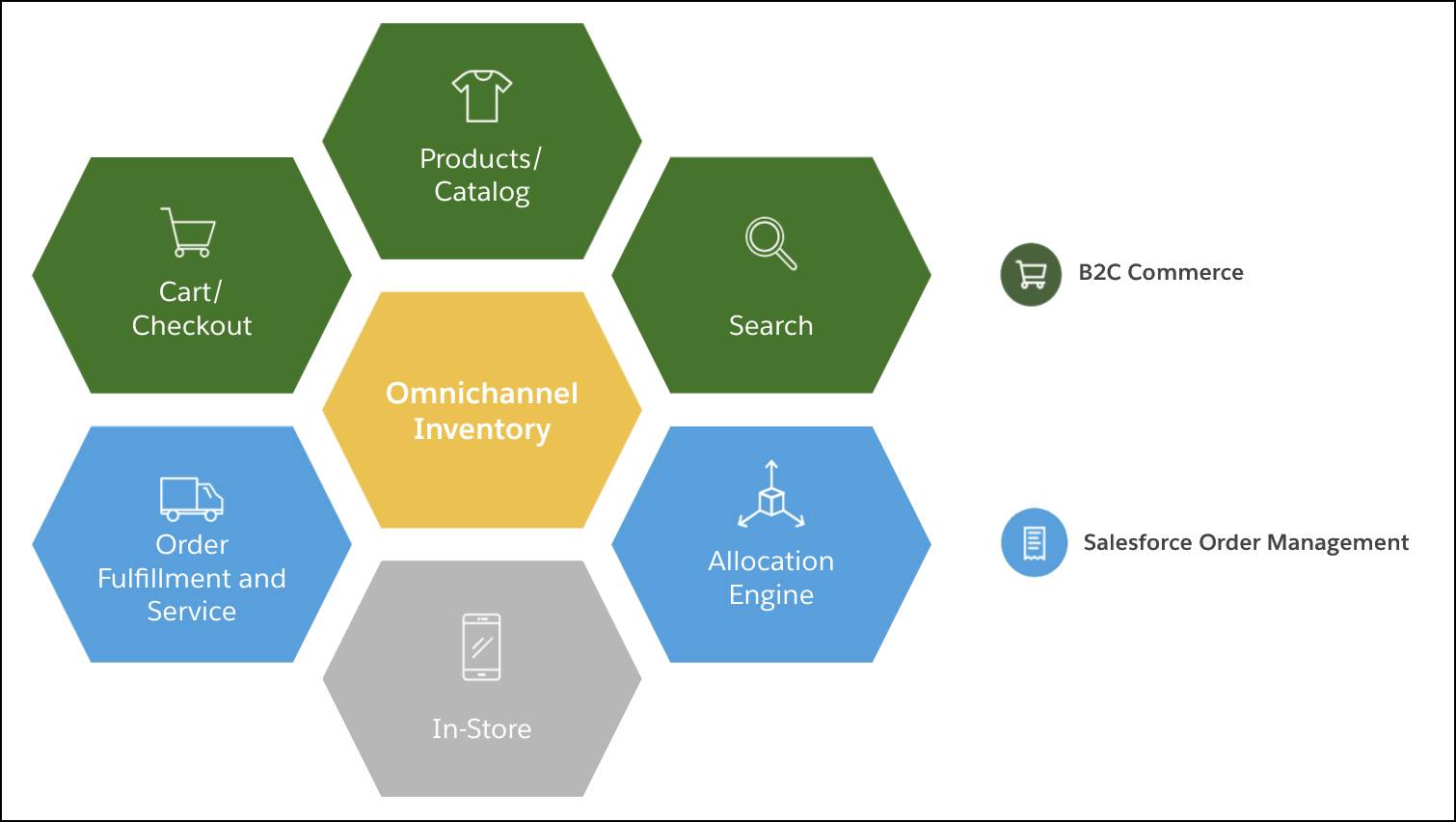
Omni-channelization enables efficient operations by coordinating inventory management, unifying order management operations, organizing man-hours related to sales such as receiving, inspection, and shipping, and centralizing operations. By centrally managing sales channels, you can improve productivity, reduce operational costs, and ultimately improve customer satisfaction.
Omnichannel success story
Omnichannel is a marketing technique that today’s most successful and well-known businesses have been implementing for several years. You will see four case studies of typical companies implementing omnichannel implementation.
Uniqlo
Uniqlo was one of the first companies in the apparel industry to use omnichannel, operating its physical stores, smartphone app, and e-commerce site in parallel. Uniqlo’s app has introduced customer service using an AI chatbot. We not only reduce costs through IT, but also improve customer convenience and satisfaction.
UNIQLO uses RFID tags that can be read without contact, which eliminates the need for inventory and allows for individual tag identification, improving work efficiency and real-time data sharing. By building this kind of ecosystem, we are also speeding up coordination with the supply chain so that new products can quickly reach stores.
Muji
MUJI specializes in omnichannel shopping experiences through apps. The mobile app called “MUJI Passport” is an interactive infrastructure where you can not only purchase products, but also post comments and read reviews.
In addition, we are improving the customer consumption experience by seamlessly linking online and offline, such as checking inventory and earning mileage.
AEON group
Aeon Group has been promoting the expansion and diversification of sales channels, such as entering Yahoo Shopping. Aeon’s most unique attempt at omnichannelization is the app “Take! Info” introduced at Aeon Makuhari Shintoshin store.
The recipe is displayed when you hold the camera over the pop-up inside the store. In addition, if a product is out of stock at a store, you can check the stock on the e-commerce site, and once the payment is completed at the store, it will be delivered to your home, creating a seamless omnichannel system.
Tokyu Department Store
Tokyu Department Store has introduced a department store app that is linked to Twitter, Facebook, etc. With the app, you can view store information and floors, and purchase products. Coupons will also be distributed via SNS. There is data that shows that the conversion rate is more than four times higher than paper distribution, and it can be said to be a successful example of marketing that has become easier to reach consumers by becoming omnichannel.
Differences between omnichannel and other marketing terms
-
multichannel
-
cross channel
-
O2O
-
OMO
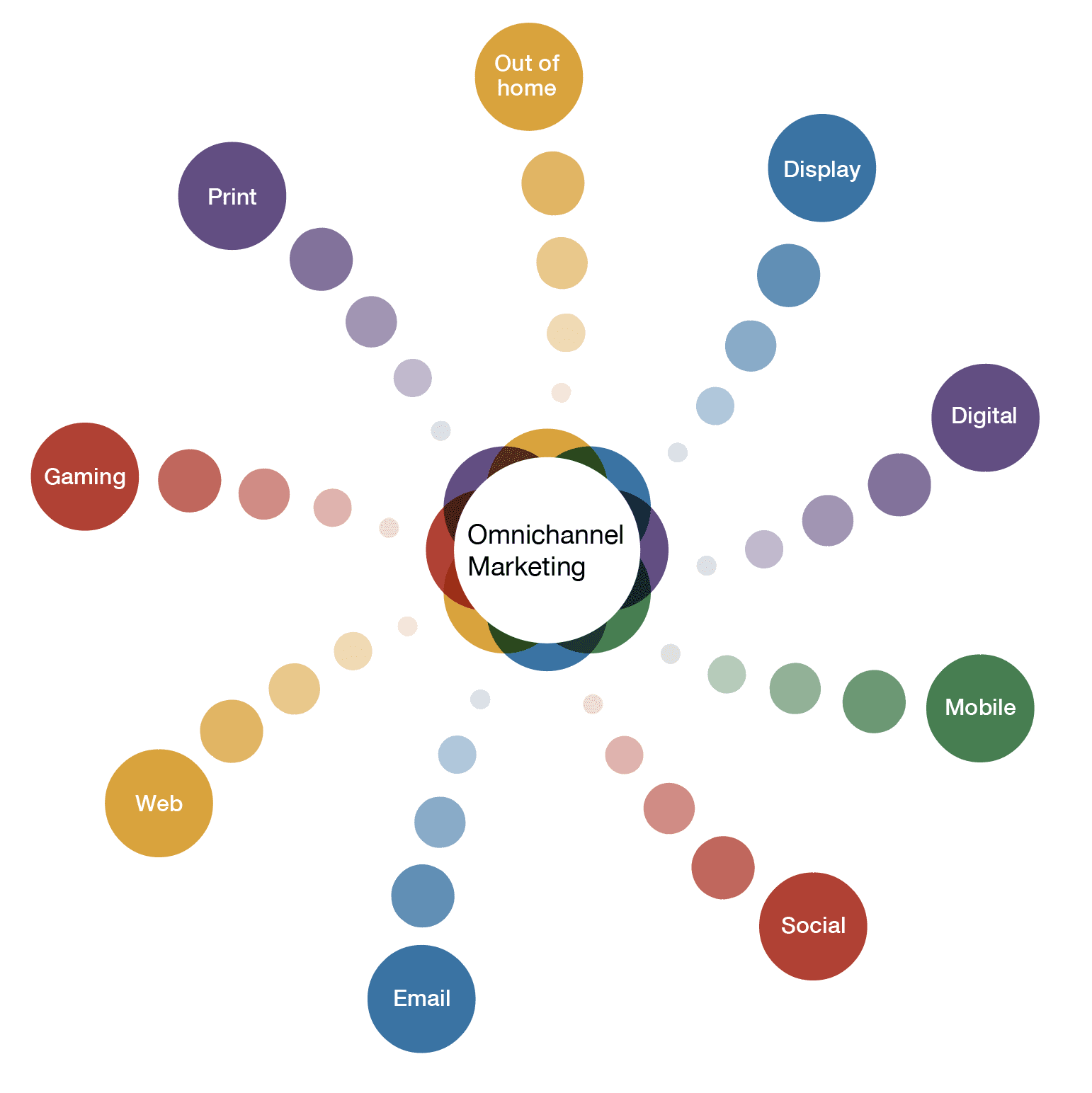
Omnichannel is not the only strategic term that can be implemented in marketing strategies. Here we will explain four marketing terms that are often compared to omnichannel.
multichannel
Multi-channel means operating multiple media that can attract customers. It is known as a strategy to approach customers by preparing multiple sales channels such as e-commerce sites, SNS, and email. Each channel is independent, so customer information, inventory, etc. are managed independently.
Differences between omnichannel and multichannel
⇨
Whether each channel is linked and integrated
cross channel
Cross-channel is an infrastructure that has multiple media and system data is interconnected. It can be said to be an evolved version of multi-channel, and it is a strategy that makes it easier to centralize and optimize information due to the connectedness of management.
Differences between omnichannel and cross-channel
⇨
Omnichannel is a further development of cross-channel
O2O
O2O (Online to Offline) is a marketing method that directs consumers from online to offline and vice versa. O2O is a flow in which coupons are issued online and can be used at physical stores.
Different points between omnichannel and O2O
⇨
Presence or absence of guidance between channels
OMO
OMO (Online Mergers with Offline) is a type of marketing that is based on the concept that customers have a consumption experience that spans online and offline. In the example of a fishing gear store, some are developing marketing that includes incentives such as scanning the store’s product barcode and paying on the e-commerce site, or adding points when a posted photo gets a reaction.
Differences between omnichannel and O2O
⇨
Whether the purpose is to improve the customer experience by merging online and offline
Key points for a successful omnichannel strategy
-
Pave the way for introduction
-
Developing a customer journey
-
System development and unified recognition within the organization
-
Data linkage/system integration
-
Repeat PDAC cycle
When it comes to omnichannel, there are several points to keep in mind for successful implementation. Below are five points to keep in mind.
Pave the way for introduction
In order to smoothly introduce omnichannel, we first clarify the path by creating a schedule and roadmap to reach the goal. Make sure to have a clear plan for each category, including timeline, omnichannel objectives, and final goal settings. In the process of formulating a roadmap, analysis of the environment surrounding your company, competitive trends, customer needs, purchasing patterns, etc. will also be important decision materials.
Developing a customer journey
It is also important to visualize the customer journey, where the target persona learns about the product or service and understands their actions, thoughts, and emotions up to the point of purchase. This will give you hints on how to take measures depending on the depth of the relationship, such as potential customers, first-time purchasers, repeat customers, etc.
System development and unified recognition within the organization
Omnichannel is a unified marketing method. By solidifying a unified mindset between channels before implementation, smooth operations can be achieved. When introducing omnichannel, it is effective to organize all touchpoints, such as improving management systems within departments and reconsidering infrastructure.
Data linkage/system integration
When transitioning to omnichannel, it is also important to build an infrastructure that can unify and share data. Marketing automation systems, commonly known as “MA tools”, have been attracting attention in recent years. This is a good opportunity to review the application of infrastructure in line with the needs of the times, including the adoption of tools and software, and the fundamental digitalization of systems.
Repeating the PDCA cycle
After linking channels, it is necessary to measure the effectiveness against the assumed customer journey. Let’s once again collect data from the PDCA cycle of P (plan), D (execution), C (evaluation), and A (improvement) and strive to build an omnichannel that is suitable for your company’s marketing.
Points to note when moving to omnichannel
-
Competition for customers across channels
-
initial cost
-
Time to take effect
-
Measures to be recognized by customers
Competition for customers across channels
There are cases where omnichannelization causes consumers to concentrate on e-commerce sites, which in turn reduces sales at physical stores. Instead of turning your store into a showroom, come up with ways to provide a reciprocal customer experience.
initial cost
Omnichannel requires initial investment. In particular, infrastructure construction, such as adding new sales channels or developing systems to link channels together, can be expensive. Be sure to have a rough idea of how much investment you need, including the expected return.
Time to take effect
Even if you adopt omnichannel, you won’t see dramatic results right away. Omnichannel effectiveness can also be reflected in increased customer satisfaction and brand loyalty. Until you achieve your goals, it is important to keep going through the PDCA cycle and proceed in a well-balanced manner while also checking the company’s resources and physical strength.
Measures to be recognized by customers
Omnichannelization will not lead to sales if it is not recognized by customers. We will frequently disseminate information both online and offline. In addition to communicating at your physical store, you can also devise ways of disclosing your information to be recognized, such as advertising on SNS and SEO measures using web search engines.
Summary: Providing a more interactive consumption experience with omnichannel
With the evolution of mobile devices, it has become commonplace for consumers to gather information and shop online. This movement is proof that a seamless consumption experience increases purchasing intent. Adopt omnichannel to provide a more interactive and comfortable consumption experience to improve your company’s performance. If you want to do marketing but don’t have the knowledge, time, or know-how, please feel free to contact us.