

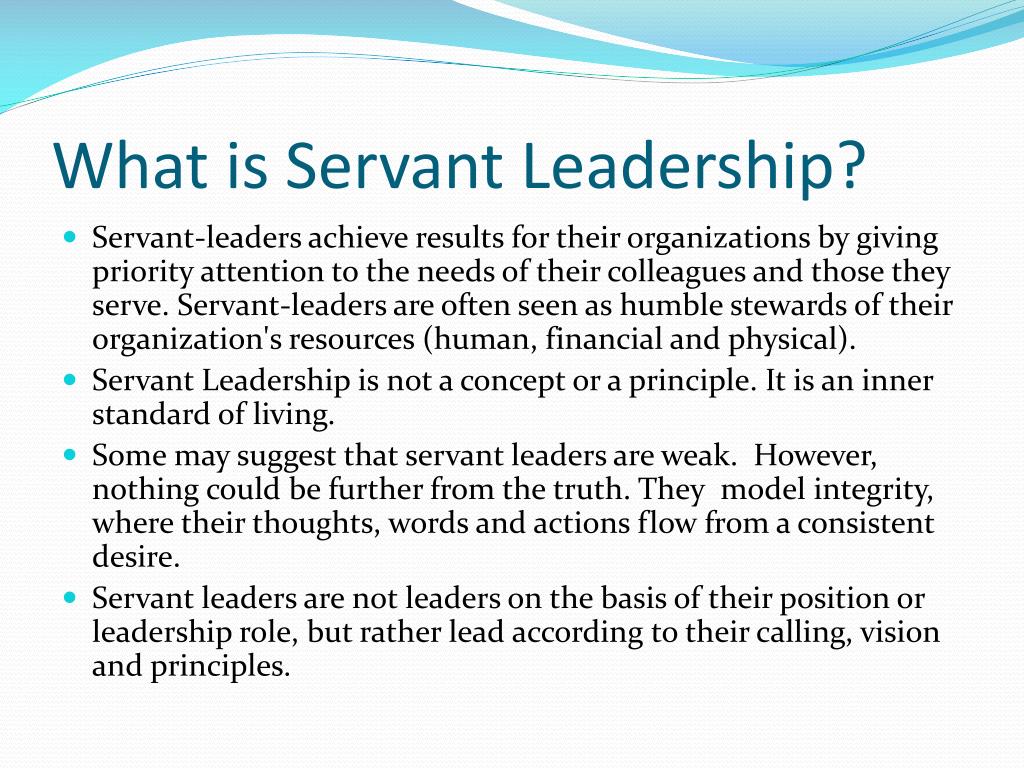
In recent years, the characteristics required of “leaders” who organize organizations and lead members within companies have been changing. The idea of “servant leadership,” which is tailored to the environment of the new era, is attracting attention.
What kind of leader is servant leadership, which encourages members within an organization to work independently?
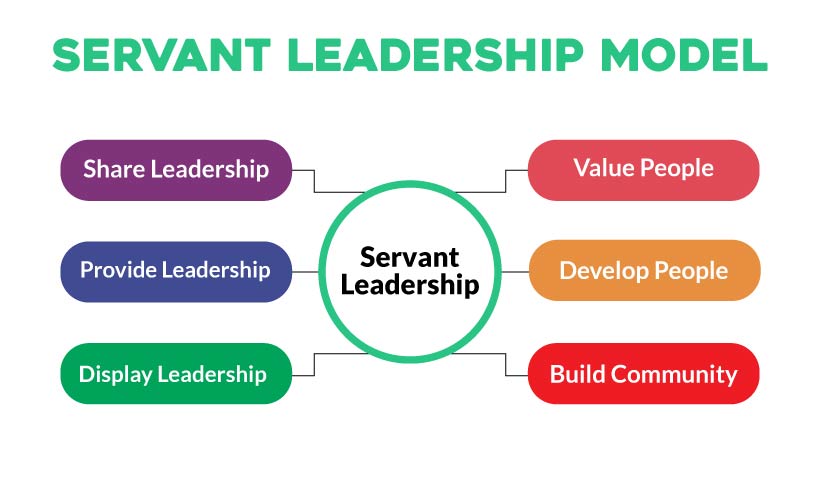
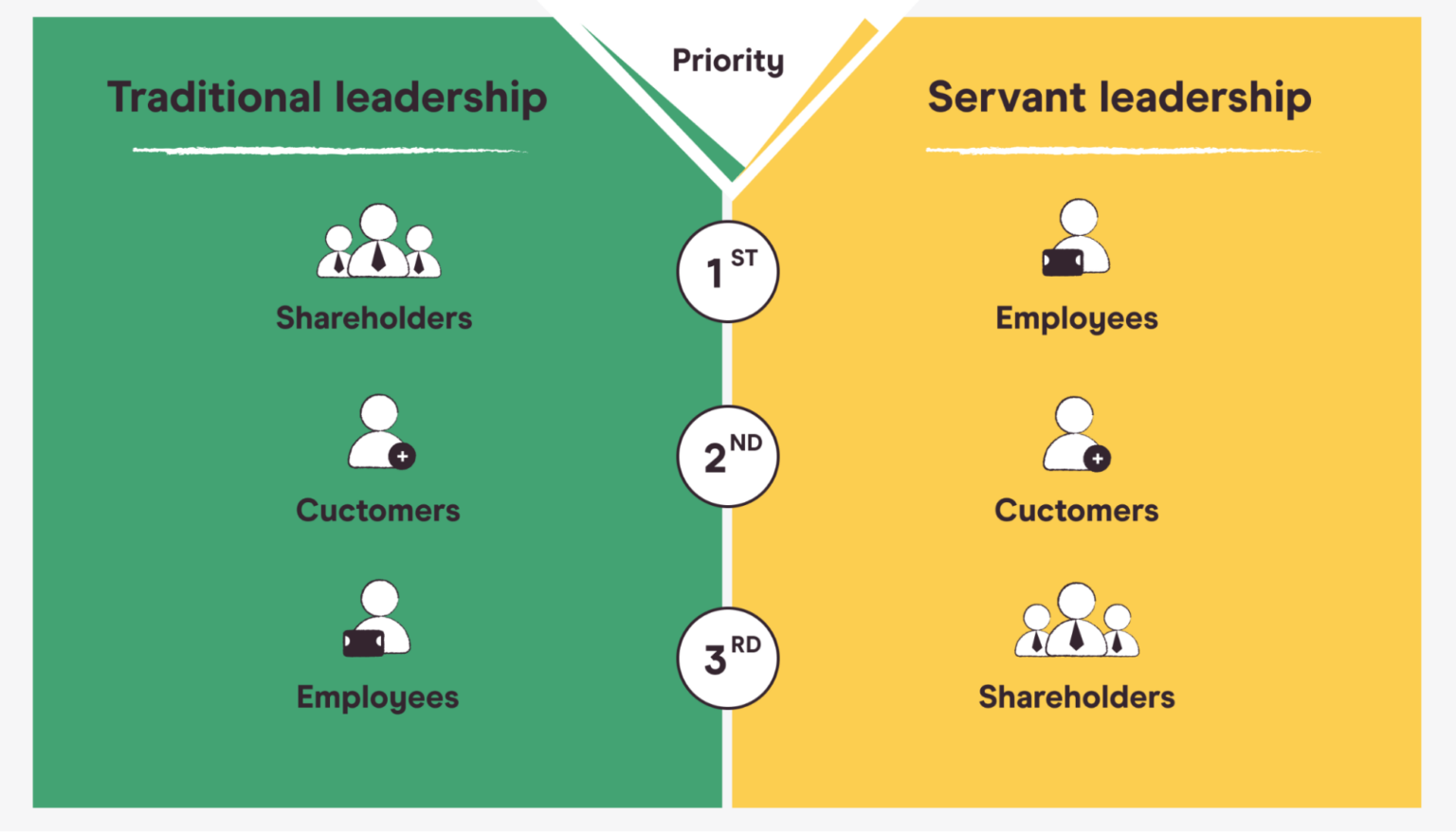
We will also explain the differences from traditional leaders, the impact it has on the organization, and the advantages and disadvantages of adopting servant leadership.
What is servant leadership?
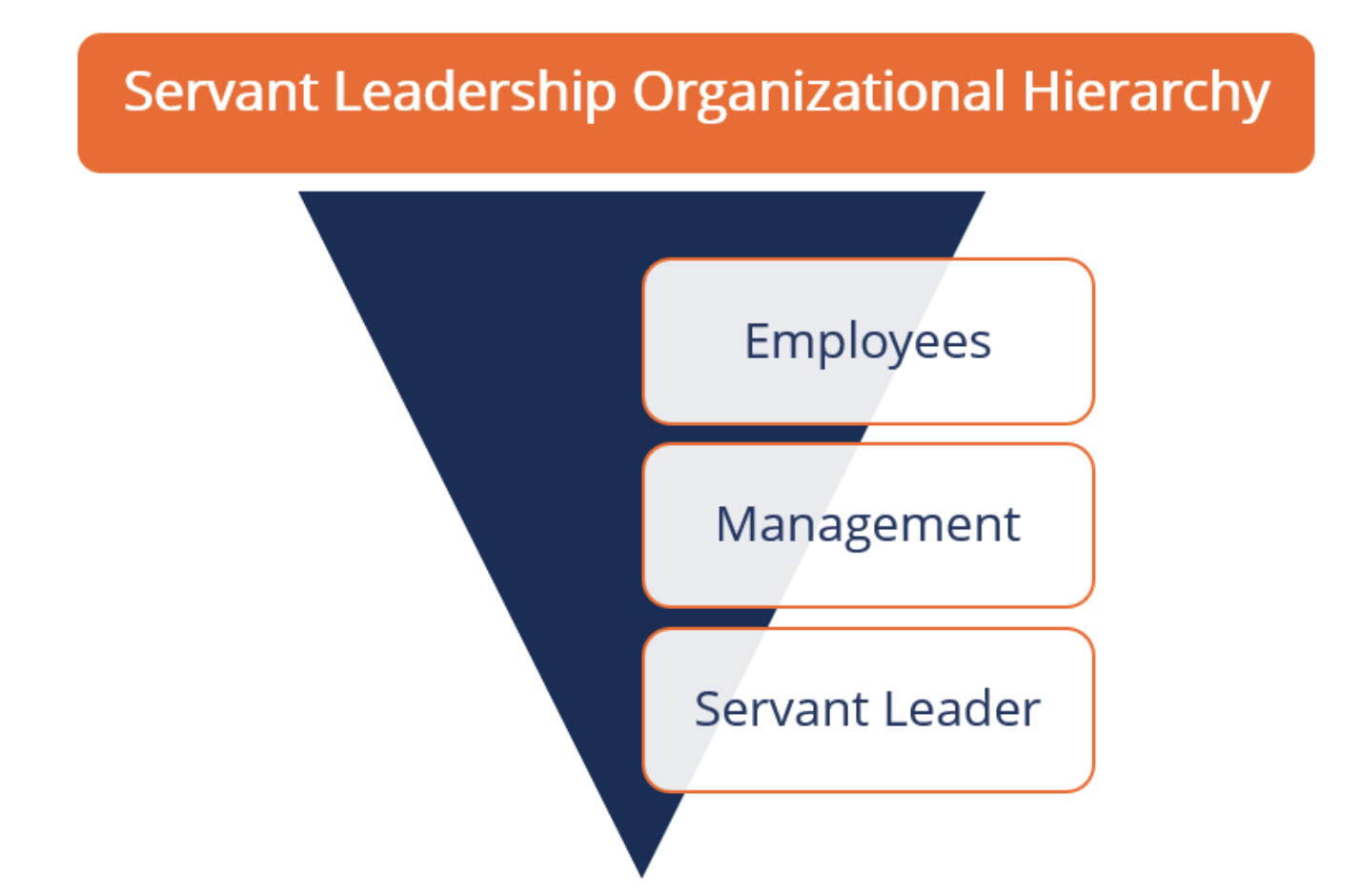
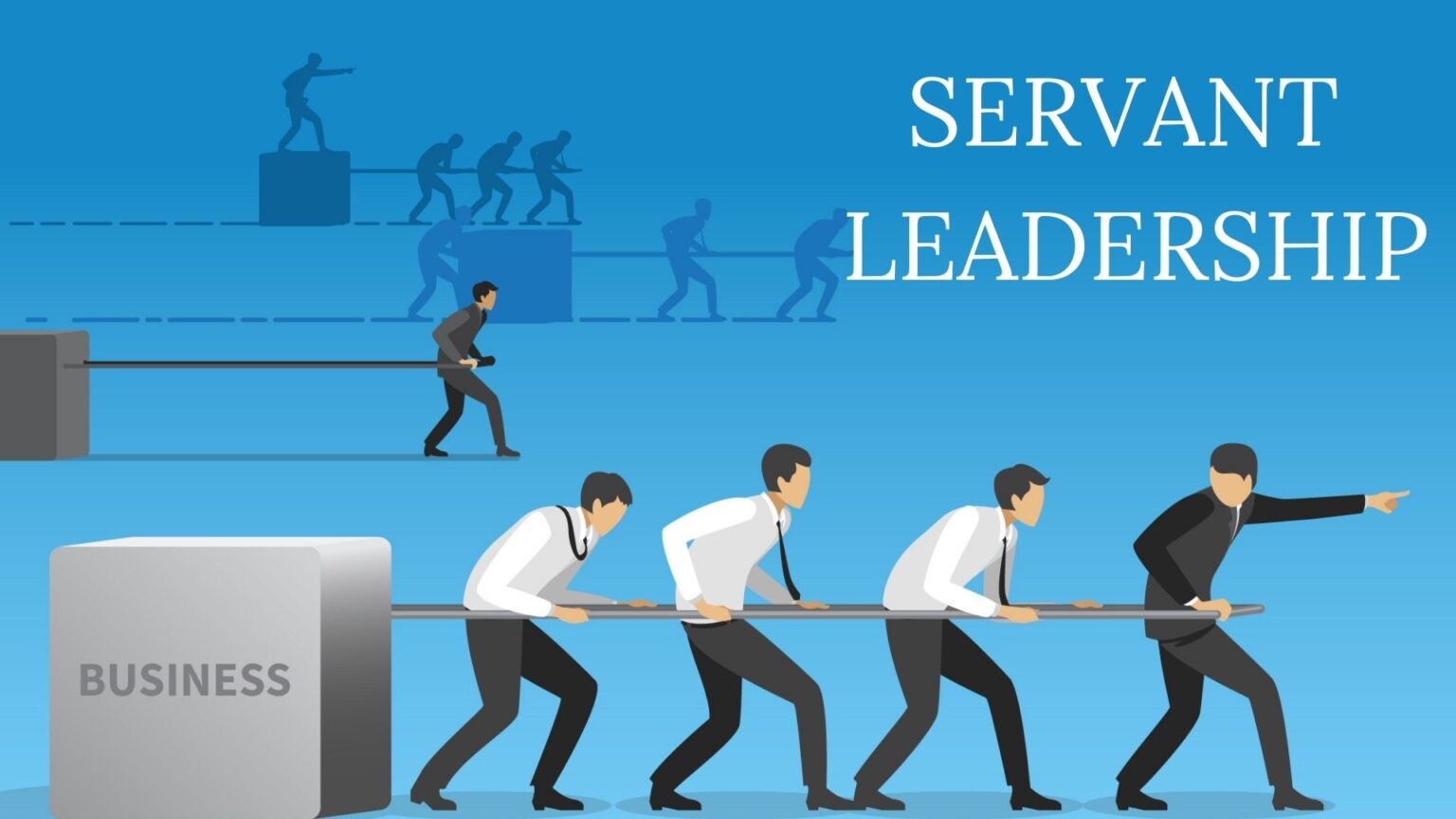
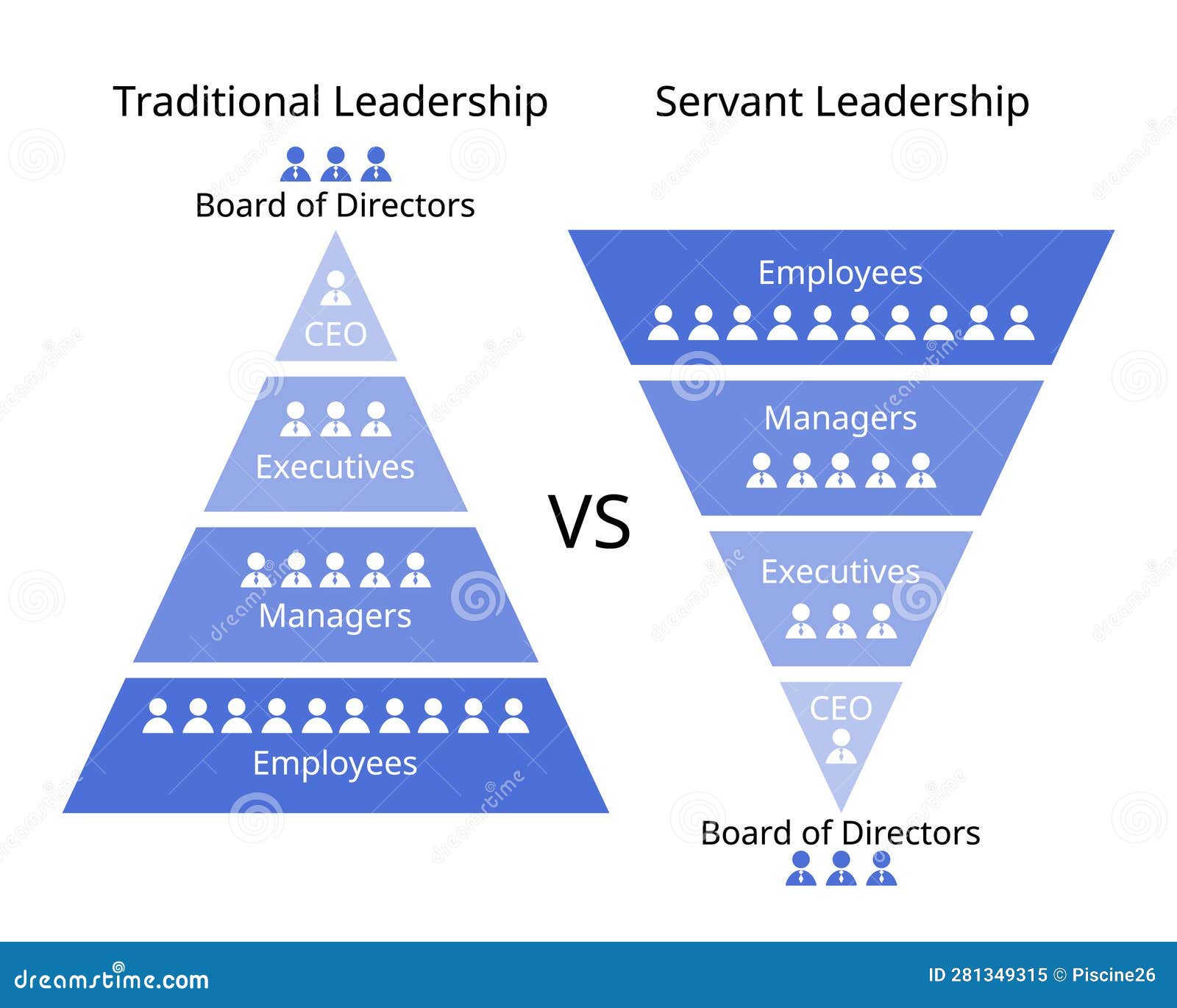
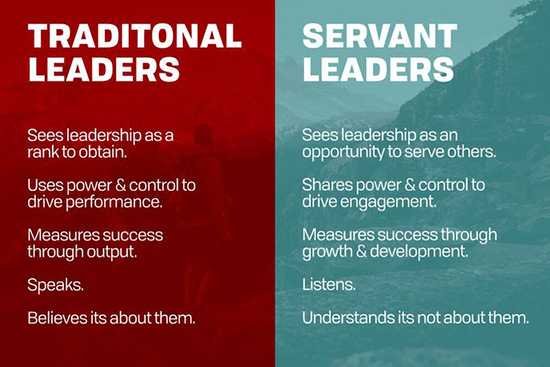
Servant leadership is attracting attention as an image of a leader who can overcome hardships and create a comfortable environment in the complex organizations of modern society. “Servant” is an English word that refers to a servant, and rather than a superior telling subordinates to do work or ordering them, the basic idea is to bring out the best in subordinates and provide support, and to create an environment that develops the characteristics of each subordinate. It refers to the image of a leader who is committed to achieving excellence.
Due to recent changes in social conditions and globalization, the values of workers and consumers are diversifying, and various companies are becoming increasingly aware of volatility, uncertainty, complexity, and ambiguity.
In the modern era, which is referred to as the era of VUCA, an acronym for the English words “Volatility, Uncertainty, Complexity, and Ambiguity,” many unpredictable and unexpected events can occur.
In an age where the optimal answer cannot easily be found due to unexpected circumstances, leaders need to make use of the abilities of their subordinates, who have a variety of values and characteristics.
If a leader runs the organization alone and there is a mistake in the policies decided unilaterally, this could lead to a major mislead of the company as a whole. No matter how great a leader is, if he or she is not a supportive leader who recognizes the performance of his colleagues and helps the organization grow, running a company will become difficult.

Reference source:
What is servant leadership? Introducing a new form of enterprise
Benefits of servant leadership
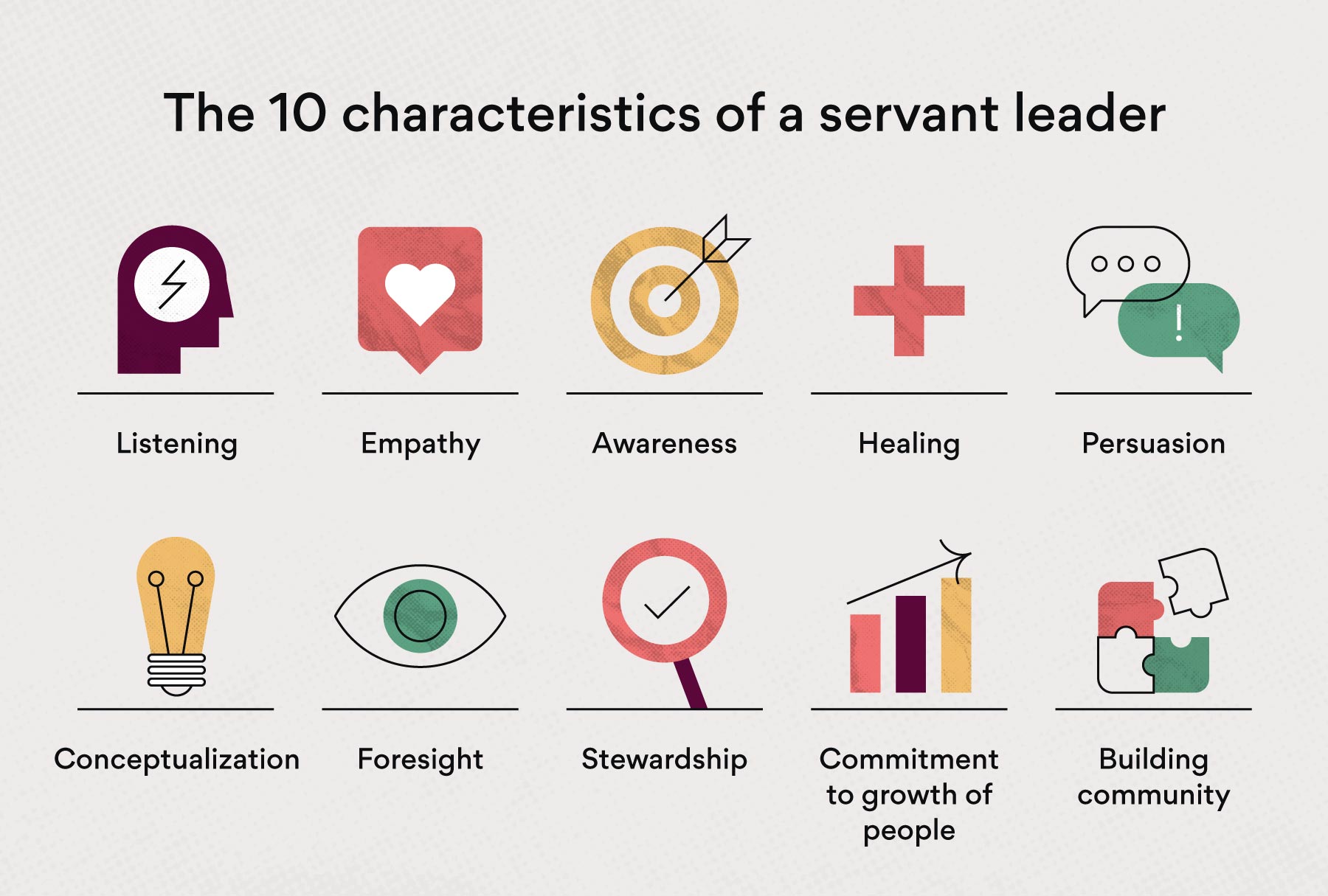
Servant leadership, which can be called the “unsung hero,” is about believing in your subordinates and supporting them in their work challenges and self-fulfillment aspirations. He not only shares the vision, but also listens to the ideas and suggestions of his subordinates and creates an environment in which they can be utilized to their full potential.
If servant leadership is realized, the productivity of members working in an organization will increase and their sense of belonging will increase. The atmosphere within the organization should be positive and communication should be active.
The “order-based” leadership style that tends to occur under traditional values, in which subordinates wait for instructions from their superiors, will be improved, and this will lead to improved “independence” among subordinates. There is also hope for the “flexible division of roles” that is required in modern corporate management.

Disadvantages of servant leadership
Servant leadership, which is a type of supportive leadership suited to modern times, may also have disadvantages depending on the situation.
For example, it takes a lot of time to listen to the ideas and thoughts of all subordinates, summarize them, and incorporate them into measures. In servant leadership, it is expected that the process leading up to decision-making may not go smoothly. When the opinions of superiors and subordinates become extremely divided, it is also important to decide where to approach the issue. Leaders need to make decisions with a sense of speed while considering a variety of opinions.

Additionally, servant leadership may not necessarily be the best choice in cases where independent opinions are difficult to express within a company, or in organizations where the path forward is unclear.
Reference source:
What is servant leadership? Introducing a new form of enterprise
summary
As each company requires a new type of leadership tailored to its operations, an increasing number of companies are incorporating servant leadership into their companies.
In corporate management, as a new way of being a leader, it is important to use “servant leadership that can respond flexibly” and traditional “leadership that pulls the organization” depending on the situation, and connect them to the growth of the company. is.
Reference source:
What is servant leadership? Introducing a new form of enterprise