

In order to achieve results in marketing, it is important to understand customers’ purchasing trends from various information such as product purchase price and frequency, and to effectively approach customers who are likely to purchase the product.
Decile analysis and RFM analysis are methods used to analyze customers and help companies make purchasing forecasts.
In this article, we will explain the difference between decile analysis and RFM analysis, as well as introduce ways to use them in marketing and specific usage examples.
Difference between decile analysis and RFM analysis

What is decile analysis?
Decile analysis is a method that divides all customers into 10 equal parts in order of product purchase amount and deciphers the purchasing data of each group.
It is a relatively simple method and is also called the first step in customer analysis.
What is RFM analysis?
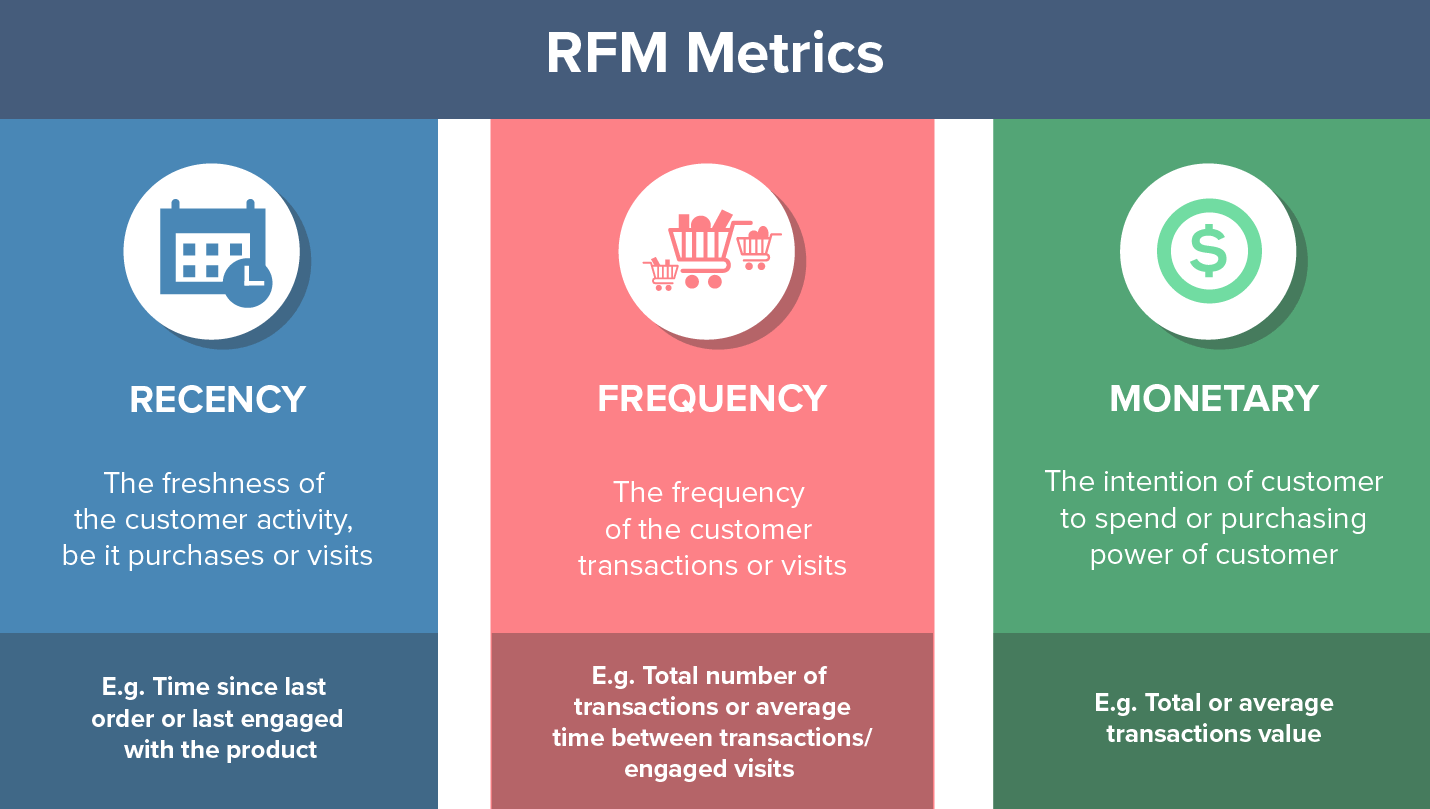
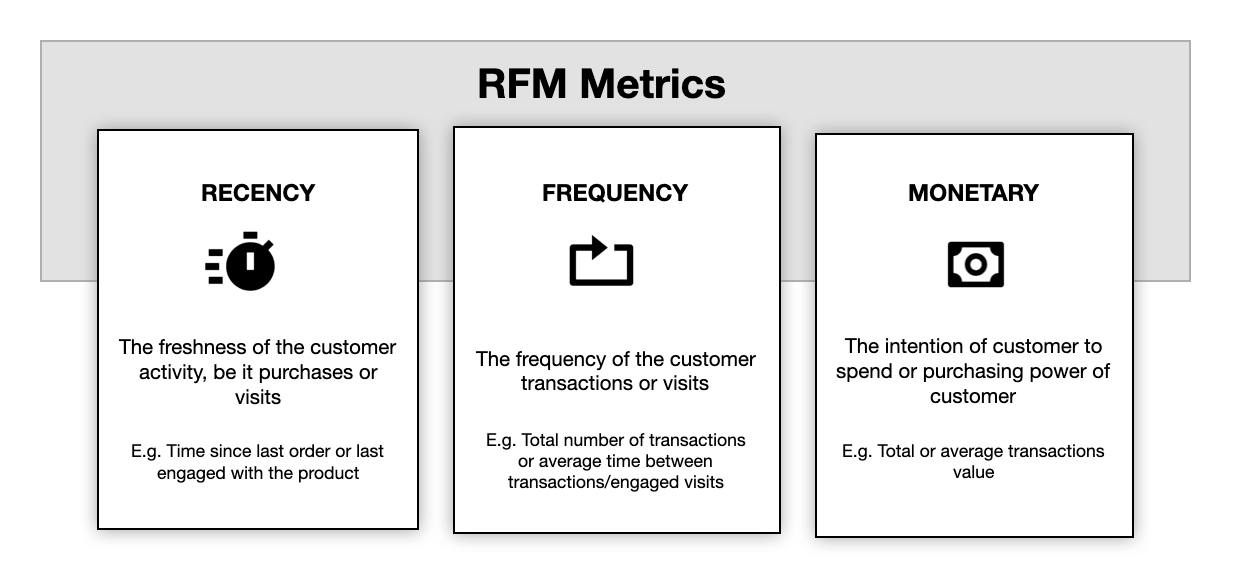
RFM analysis
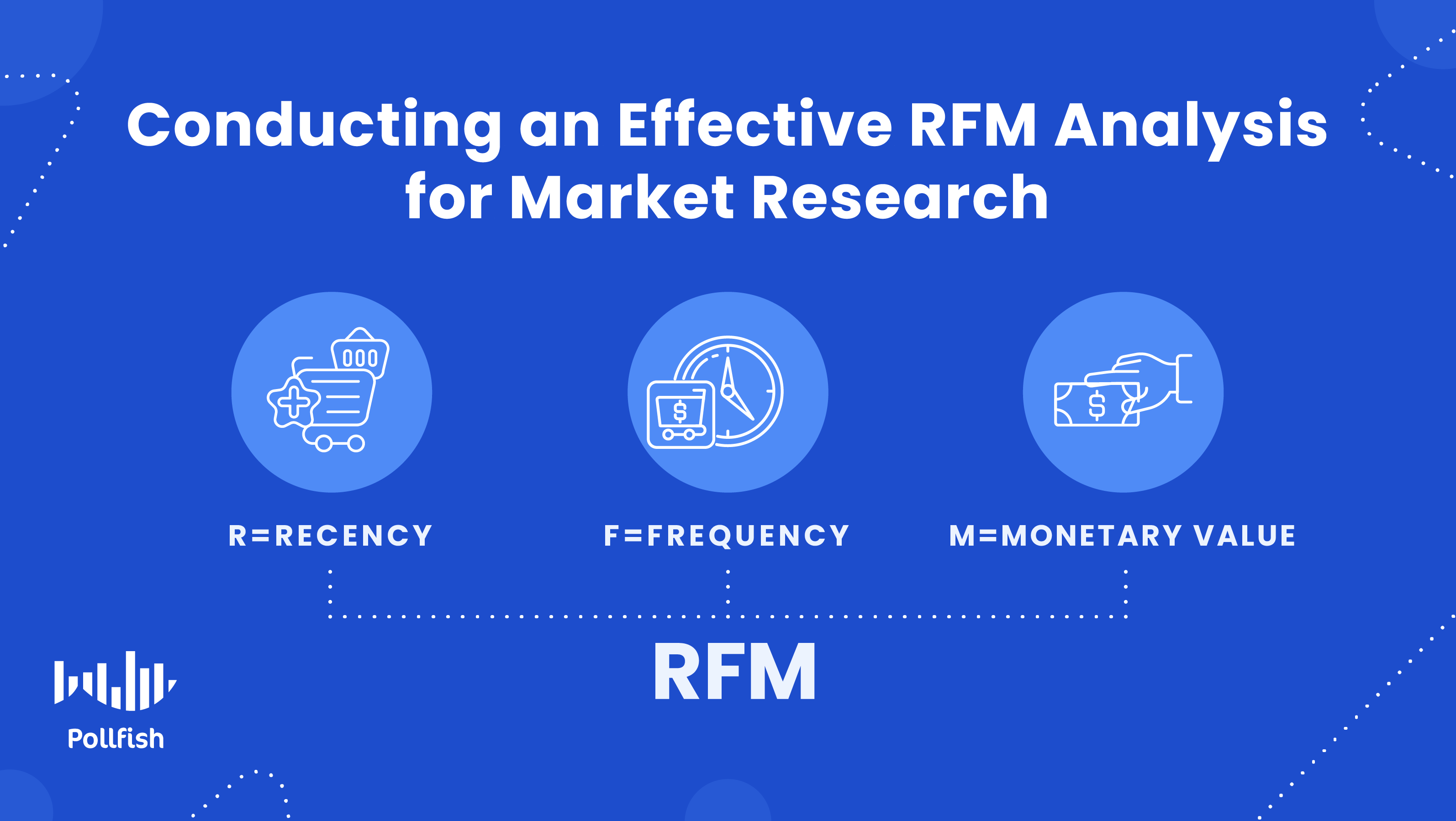
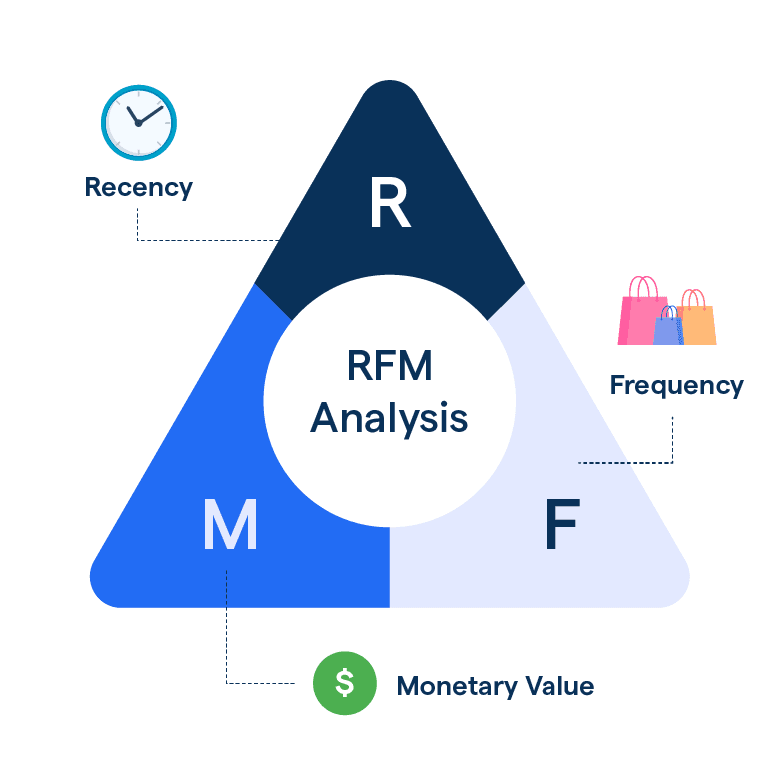
is a method that interprets data from three indicators: customer purchase amount, purchase frequency, and last purchase date.
The greater the number of indicators, the more accurate customer analysis is possible.
What is the difference between decile analysis and RFM analysis?
First, the decile analysis has only the “purchase amount” as an indicator, whereas the RFM analysis has multiple indicators such as “purchase amount,” “purchase frequency,” and “last purchase date.”
Although decile analysis has the advantage of making data analysis easy because it uses only one indicator, the lack of accuracy in the analysis results cannot be ignored.
On the other hand, since RFM analysis has many indicators, it is possible to perform more accurate data analysis than decile analysis.
However, it is not as simple as decile analysis, and is quite complex data analysis, so it may be difficult without some experience.
If you are a beginner, we recommend starting with decile analysis, and once you get used to it, try incorporating RFM analysis.
How to utilize decile analysis and RFM analysis
Decile analysis and RFM analysis are methods to decipher customer purchasing trends and make purchasing predictions, and are used in the marketing field in the following ways.
How to utilize decile analysis
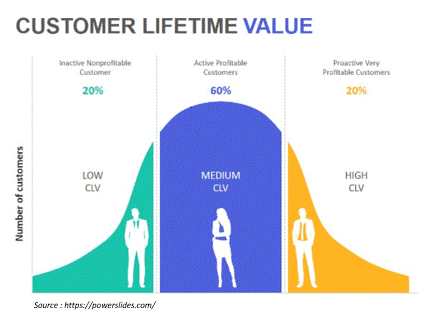
Decile analysis calculates the percentage of total sales for each group divided into 10 equal parts in order of purchase amount.
Although there are variations depending on various factors such as industry and regional characteristics, basically the group with the higher purchase price has purchasing power and is considered to be contributing to the company’s sales.
Even if promotions are carried out at the same cost and content, there is a high possibility that it will not have a large effect on lower-level groups with lower purchasing power, and cost performance will decline.
In other words, by using decile analysis to identify and surround the top groups with purchasing power, it is possible to carry out stronger measures more intensively than groups with lower purchasing power.
How to utilize RFM analysis
RFM analysis has more indicators of customer analysis than decile analysis, so it is more accurate and allows for more detailed promotional measures.
Therefore, it is used when you want to accurately understand the actual situation of your customers.
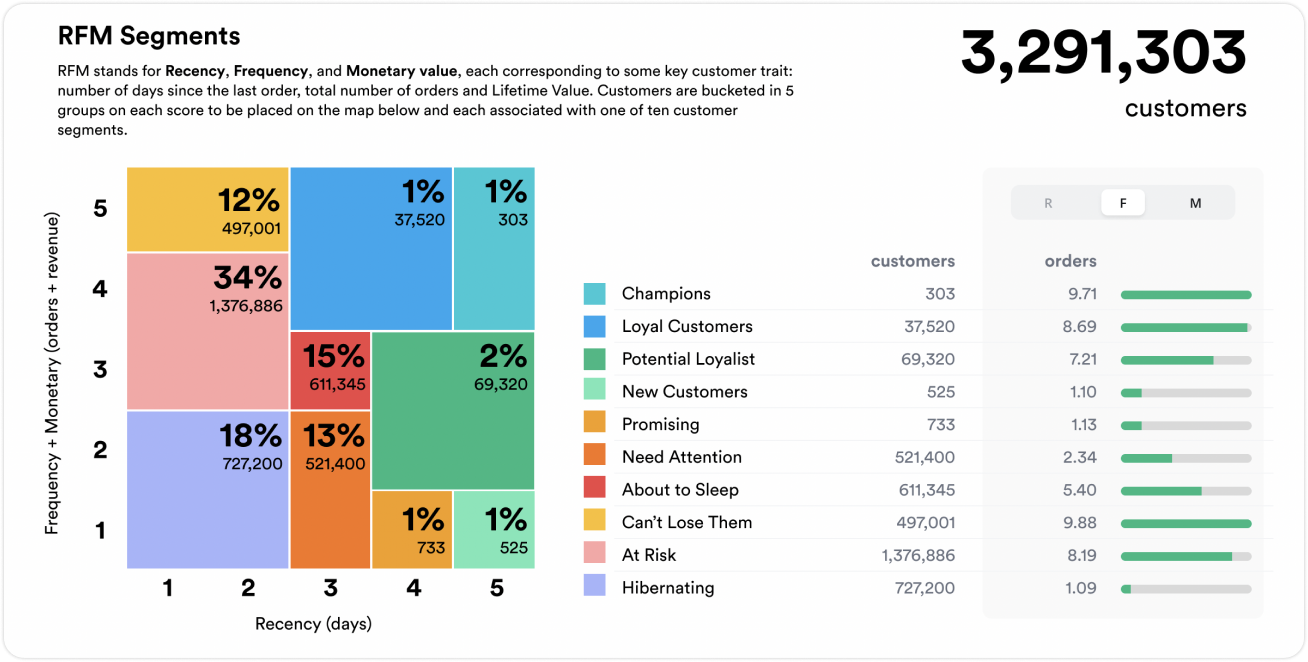
Data on only purchase amount can only measure the purchasing power of customers, but with data on purchase frequency and last purchase date, it is possible to analyze not only good customers but also new customers, dormant customers, defective customers, etc.
You will be able to develop a strategy that is tailored to each customer’s needs.
Specific examples of decile analysis and RFM analysis
We will introduce specific examples of how decile analysis and RFM analysis are used.
Specific example of decile analysis
Flow of decile analysis
1. Prepare purchasing data for all customers or the customers you want to analyze.
2. Sort the data in order of purchase amount and divide into 10 equal parts.
3. Calculate what percentage of total sales for all customers each group accounts for.
4. Develop different promotional measures for each group
If there are 600 customers
<br/> First, create groups of 60 people in order of purchase amount, totaling 10 items.
Next, we calculated what percentage of total sales each group accounted for, and found that groups 1-5 accounted for 80% of total sales, and groups 6-10 accounted for 20%.
In this case, the number of people in the top five groups and the bottom five groups is the same, 300 people each, but you can see that there is a large difference in purchasing power.
Therefore, it is a good idea to focus your promotional activities on the top 300 customers and increase the repeat rate.
Specific examples of RFM analysis
RFM analysis flow
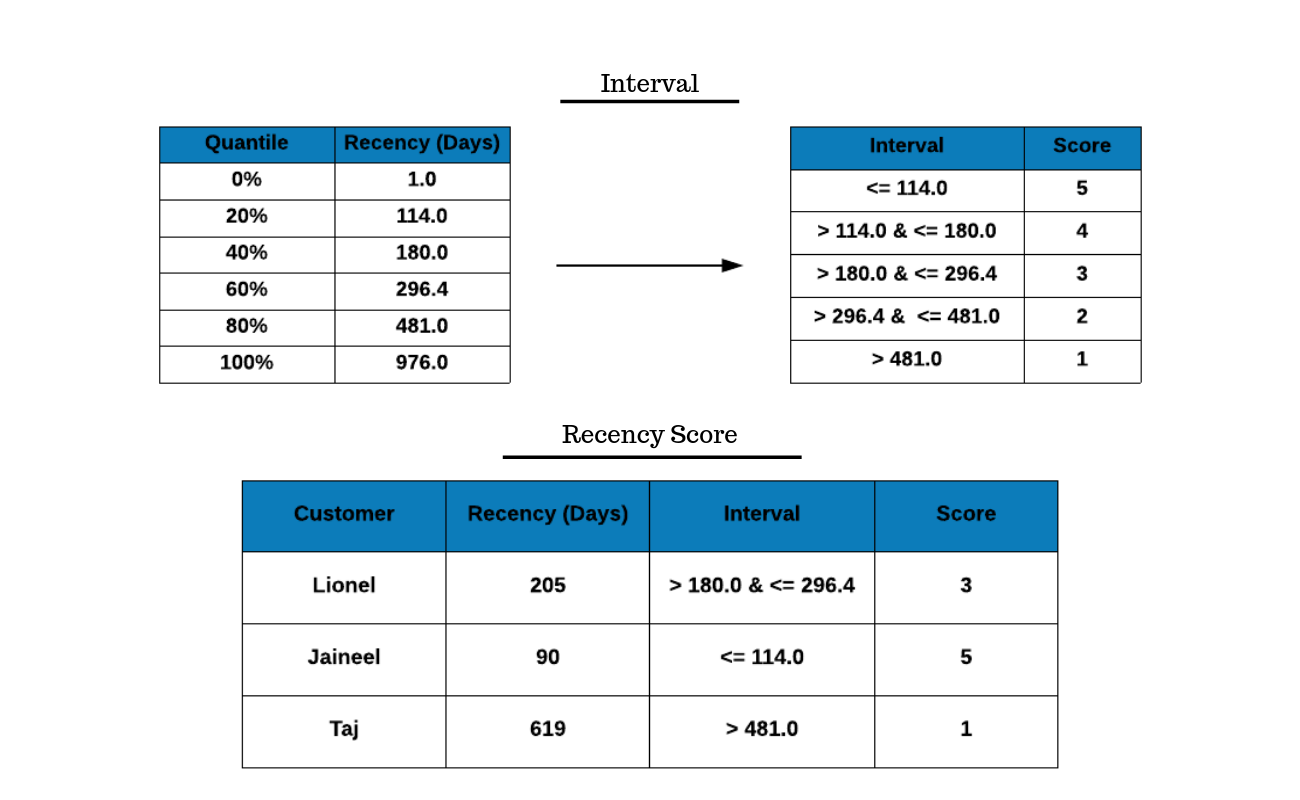
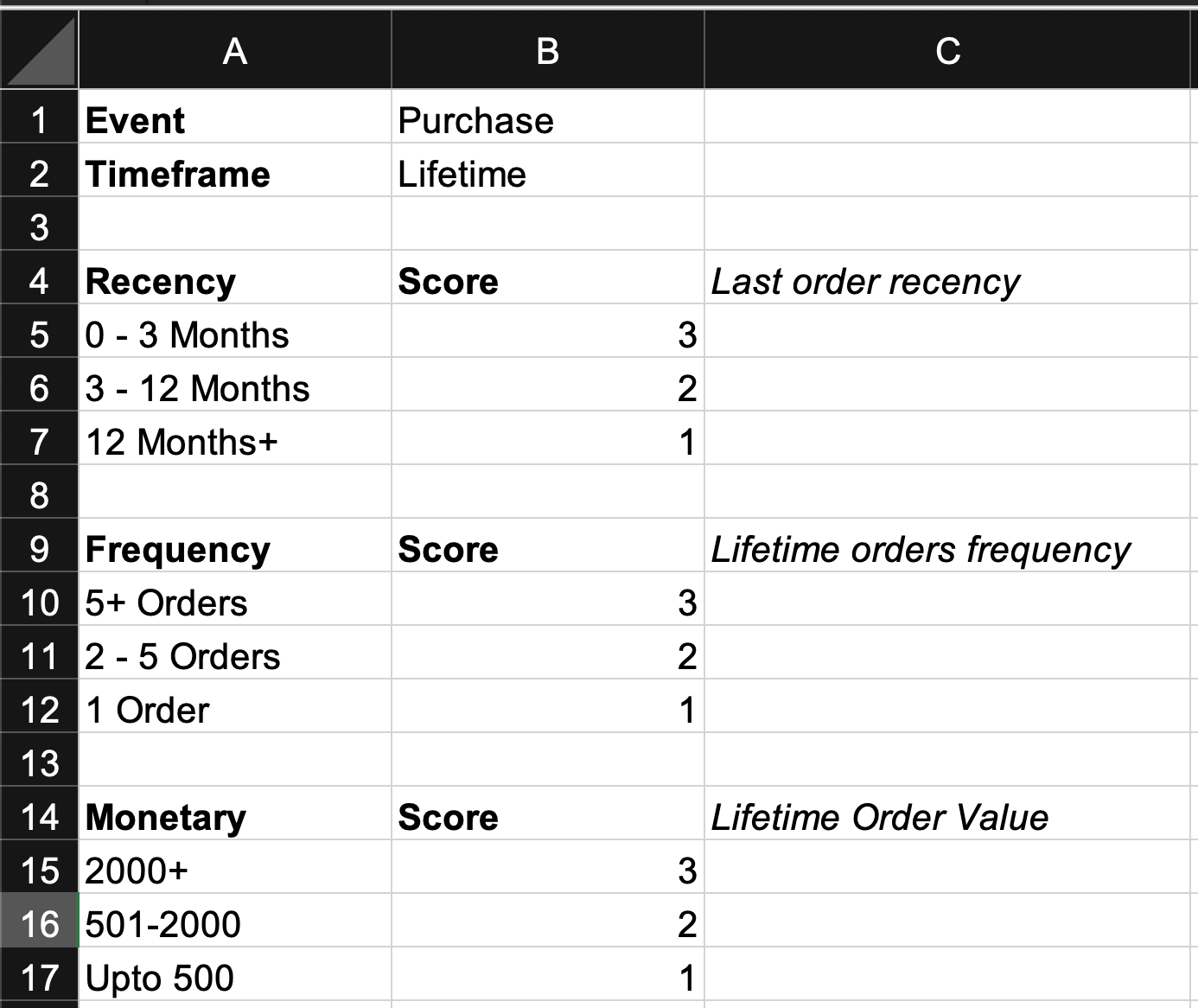
1. Prepare “R: Last purchase date,” “F: Purchase frequency,” and “M: Purchase amount” data for all customers or the customers you want to analyze.
2. Evaluate customer purchasing behavior on a 5-level scale based on 3 indicators and divide customers according to their rating.
3. Develop different promotional measures for each group
When RFM=5:5:5
They received the highest ratings in all three indicators, indicating that they are truly loyal customers.
When RFM=3:3:3
The evaluation is average in all three indicators, and the reality is that there are many people in the middle class.
You will need to find customers who can become good customers from among these and devise a strategy for how to get closer to a 5:5:5 ratio.

When RFM = 5:1:1
<br/> Last purchase date (R) is high and other indicators are low, indicating that the customer is a new customer.
In order to increase the frequency and amount of purchases, we would like to increase the customer’s desire to purchase by aiming for repeat purchases through direct mail and distributing coupons.

summary
◆Decile analysis/RFM analysis is a method of customer analysis, which is mainly used to develop marketing strategies based on customer purchasing behavior.
◆Decile analysis is a method for creating groups by dividing customers into 10 groups in order of purchase amount and conducting marketing according to the needs of each group.
◆What is RFM analysis? A method that evaluates and categorizes customers into five levels based on data such as “R: Last purchase date,” “F: Purchase frequency,” and “M: Purchase amount,” and conducts marketing according to the needs of each group. is
◆Decyl analysis is simple but lacks accuracy, while RFM analysis is accurate but requires complex data analysis.