

So far, we have touched on SEO for attracting users.
However, SEO alone is not enough to ultimately lead to desired actions such as inquiries and requests for information.
When it comes to UI/usability, it is necessary to consider whether the site is easy for users to use.
This time, we will discuss UI/usability in detail and consider the impact on SEO.
What is UI/usability?
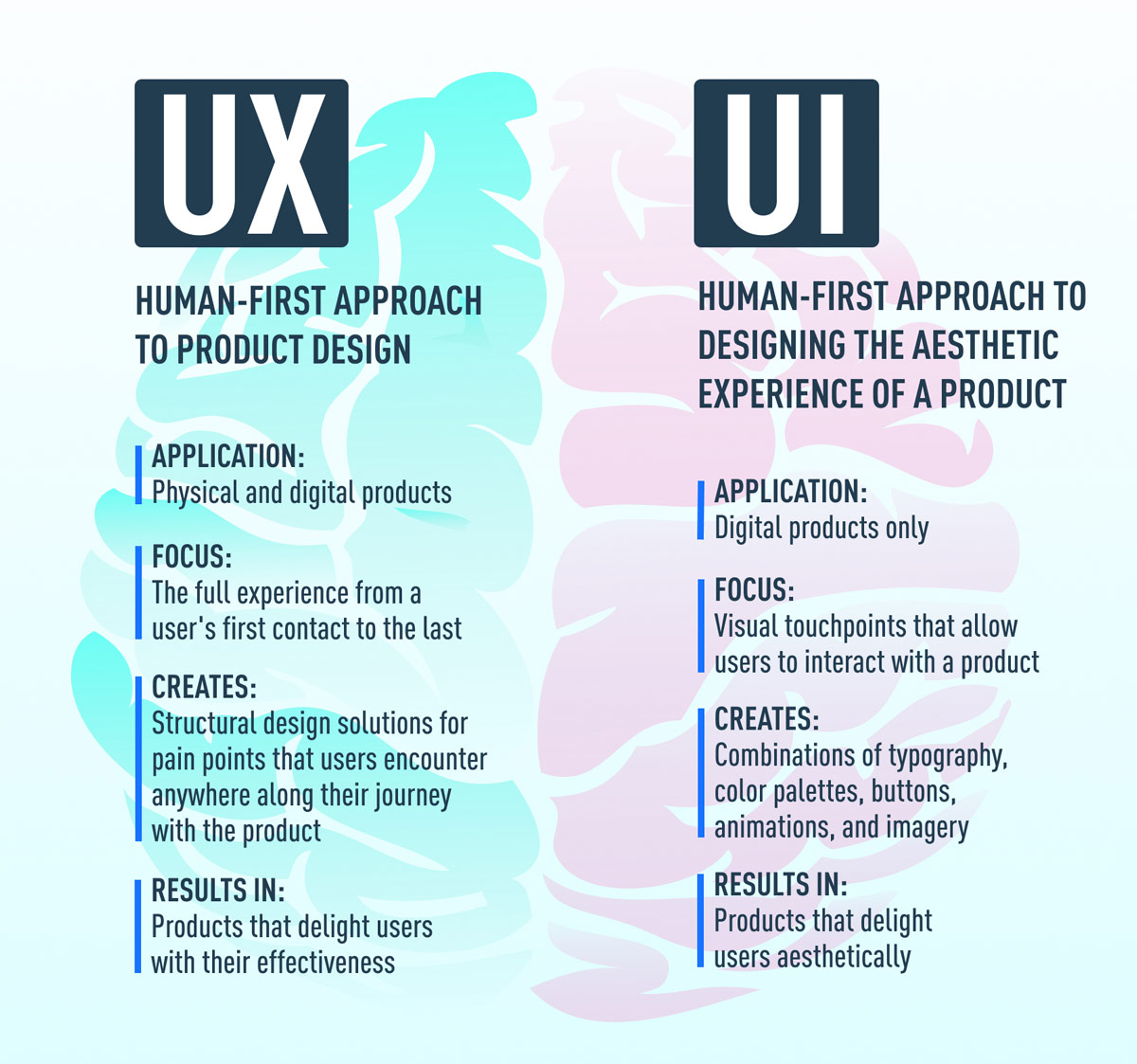
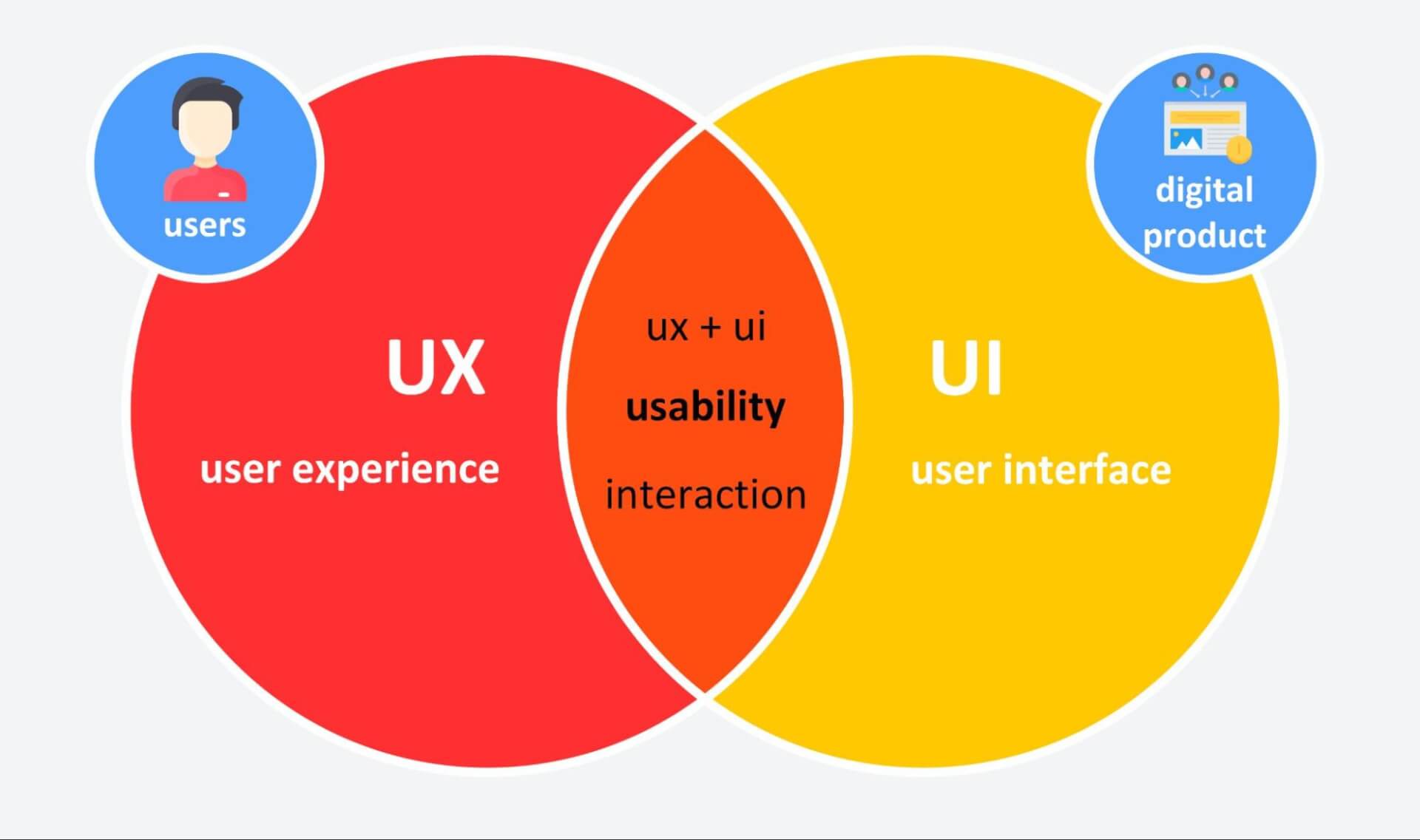
UI (user interface) and usability are the pillars that determine whether a site is easy for users to use. Each has a different meaning, so I will explain it.

▪️UI
UI is an abbreviation for User Interface.
Interface means “boundary surface or point of contact (between two parties),” and literally translated, UI is the boundary surface or point of contact between users. The UI is the site that users see and interact with.
Specifically, UI is all the visual information displayed on desktops and smartphones, such as the site top design and fonts.
▪️Usability
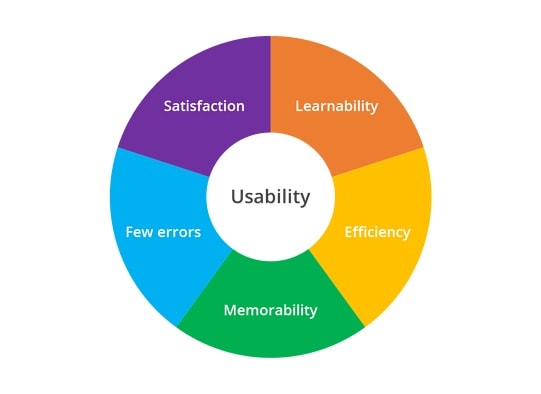
Usability means “convenience, usefulness, ease of use, and ease of use.”

There are various elements of usability, but especially when it comes to websites, we use “ease of learning”, “efficiency”, “ease of remembering”, “errors”, and “subjectivity” as defined by Jacob Nielsen, a leading researcher on the subject. It is easy to understand the level of customer satisfaction.
Additionally, these factors are influenced by the site design, site structure, and connections with other pages.
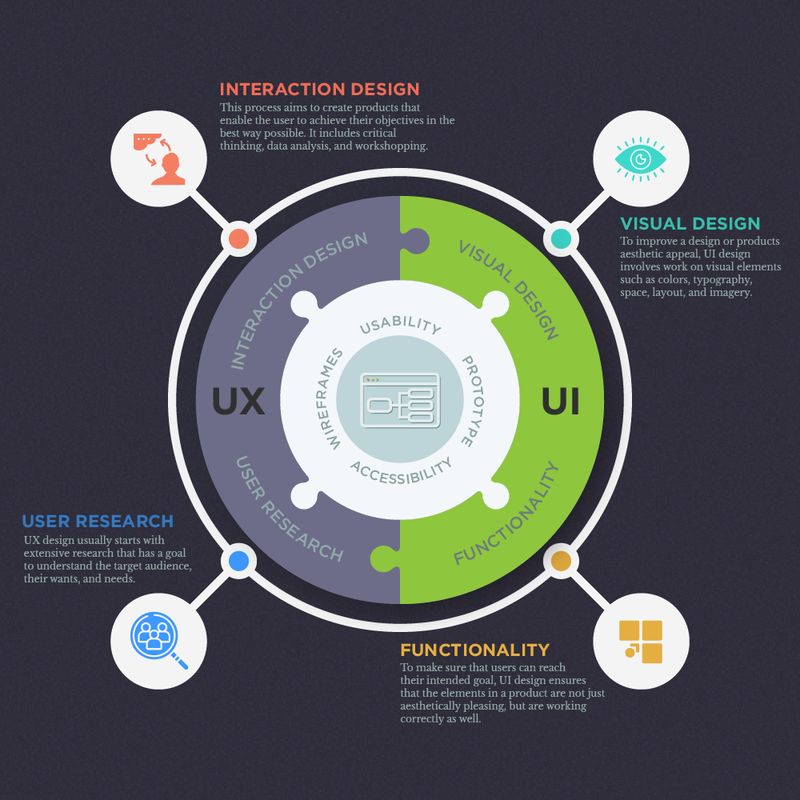
Roughly speaking, UI is the part that the user can see, and usability is the part that the user moves with their hands.
In common, this is the axis that determines whether your company’s website is easy to use for the users who visit it.

The respective roles of UI/usability and SEO
UI/usability and SEO are effective in increasing the efficiency of your site.
In particular, each is effective in the following points.
▪️
What you can do with SEO measures…
Attract users
▪️
What can be done by improving UI/usability…
Providing content to users (increasing the site circulation rate), increasing the number of inquiries and requests for materials
SEO is effective for attracting customers to your site, and improving UI/usability is effective for taking actions within the site after attracting customers.
UI/usability and SEO may not be compatible!
UI/usability and SEO each have an effect on your own site, but the effects of each measure may work against each other, so you need to be careful.
For example, in an effort to improve the UI/usability of a company’s website in order to make it look simpler and easier to understand, there are cases in which the amount of information on the site is reduced, and as a result, crawlers determine that the amount of information is small, which affects search results.
On the other hand, even if you post a lot of content for SEO purposes, the content may not be categorized on the site and become scattered, which may affect the UI/usability.
UI/usability improvements are carried out on the assumption that your site is attracting users, so if you are not attracting enough users, SEO measures should be prioritized.
It is best to consider UI/usability after attracting users.
What is “mobile-first indexing” in UI/usability?
On March 27, 2018, Google announced the transition to “mobile-first indexing,” marking the start of a shift from a desktop-based search display to a mobile-based search display.

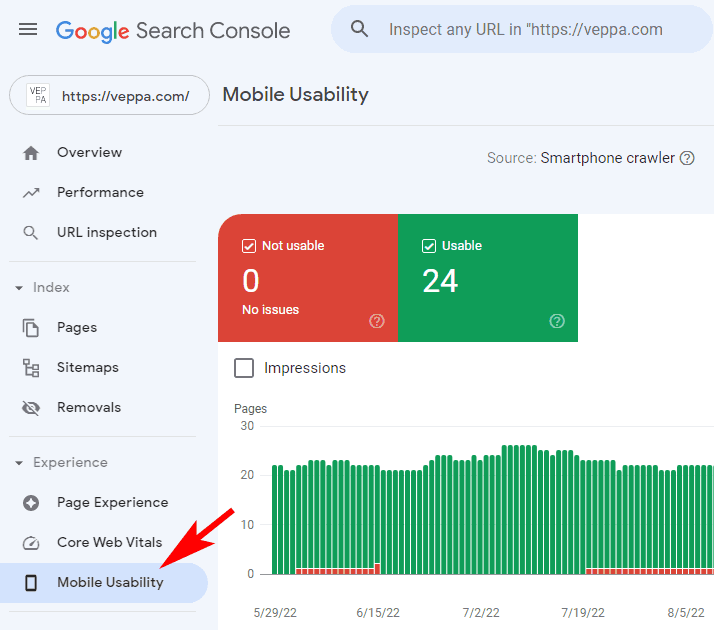
This means that UI/usability for mobile users impacts SEO.
In the future, it is likely that search engine algorithms will continue to change in consideration of UI/usability, so improving UI/usability will likely have a greater impact on SEO.
If you are interested, please read this as well.

summary
◆UI/usability is the axis that determines whether a company’s website is easy to use for the users who visit it.
◆SEO has an effect on attracting users, and UI/usability has an effect on final actions such as providing content to users and making inquiries.
◆Like mobile-first indexing, improvements in UI/usability are likely to have a large impact on SEO.