

When a company creates a website, they want to keep costs as low as possible while creating something that meets their objectives and has a high quality design. In such cases, if there is no human resources in-house to do web design, you need to consider whether web design should be done in-house or outsourced, and the scope of in-house or outsourced work.
Here are some tips to help you decide whether to do your web design in-house or outsource it.
What is the role of a web designer?
Especially if your company doesn’t have anyone capable of web design, you may have no idea what kind of content a web designer will be responsible for. By knowing the role of a general web designer, it will be easier to understand the prospects for in-house production or outsourcing.
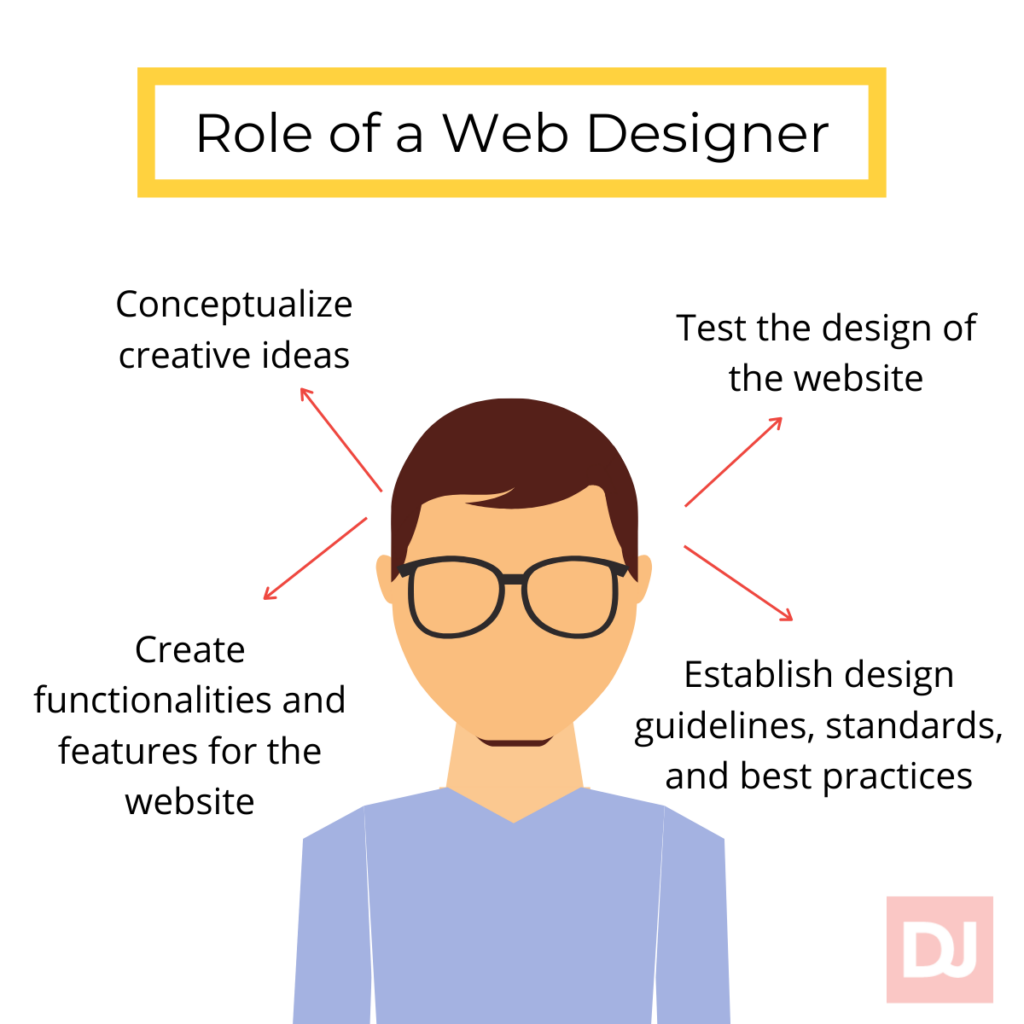
In conclusion, the definition of a web designer is not clear, and there is no correct answer. In a narrow sense, we only do web layout design and graphic production, but in a broader sense, we also provide support that includes coding using HTML and CSS, SEO measures, and the installation and configuration of CMS such as WordPress. I will.
Even when we say design, the meaning of design is wide-ranging, and because web technology and the degree of freedom of expression are increasing day by day, the meaning of web design is thought to be evolving.

With that in mind, it’s best to understand that the basic role of a typical web designer is to design website layouts and
wireframes,
create graphics, and code.
Advantages and disadvantages of outsourcing to a web designer
Now that you know the role of a web designer, the next thing to think about is whether or not you should hire that web designer to design your web. Here we will introduce the advantages and disadvantages of outsourcing to a web designer.
Considering these advantages and disadvantages, it seems that the best thing to do is to carefully distinguish between in-house production and outsourcing according to the company’s situation.
How to properly differentiate between in-house and outsourced web design

So, how can we effectively differentiate between in-house production and outsourcing? First of all, it depends on the range of skills and knowledge levels within the company.
If you have no IT or web knowledge, it is more efficient to outsource 100%. In that case, instead of just giving it away, it is important to not only convey the purpose, image, and issues of the website to the production company, but also to discuss issues such as the layout, framework, design, composition, images, manuscripts, and delivery time. It is important to organize the matters in advance and have a thorough meeting to avoid this.
If you have personnel with knowledge and skills in-house and are able to produce to some extent, you can expect to optimize costs by narrowing down the scope of outsourcing and producing the rest in-house, depending on the level of production. The first step is to determine the scope of what your company can produce in-house.
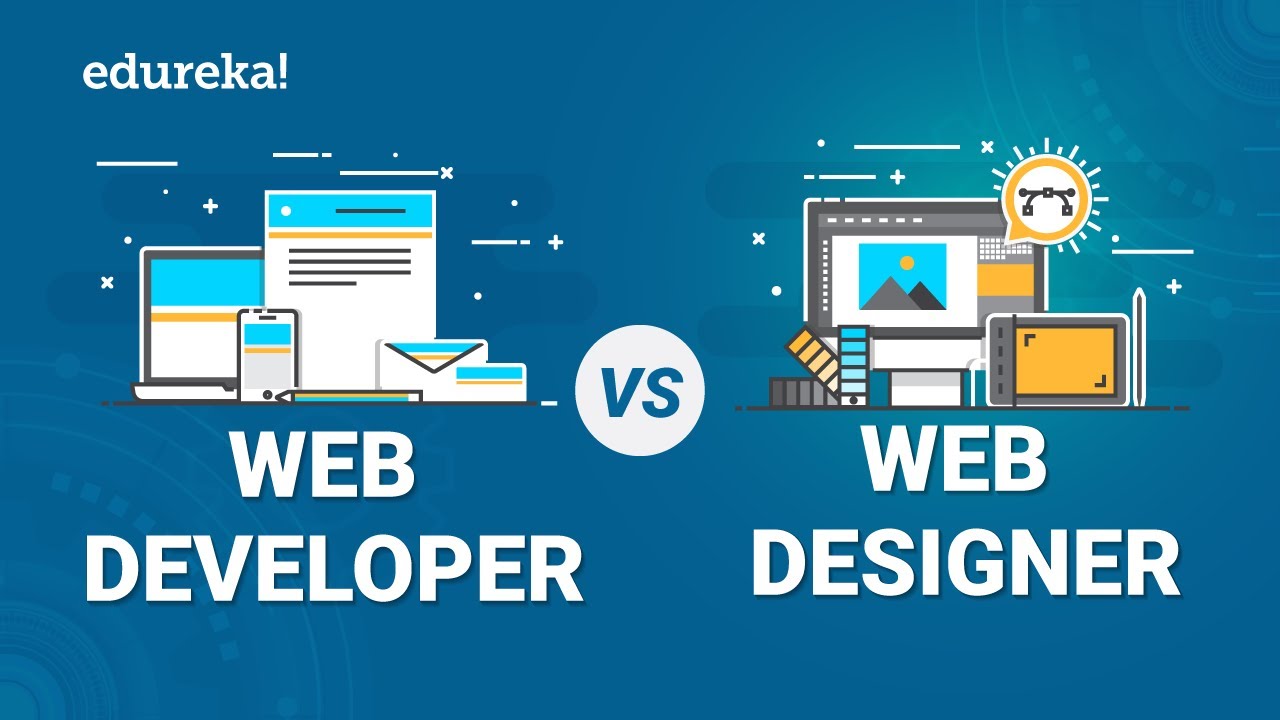
For reference, let’s look at an example of the separation pattern between in-house production and outsourcing.
- Draw a rough design in-house and have an outsourced web designer create it
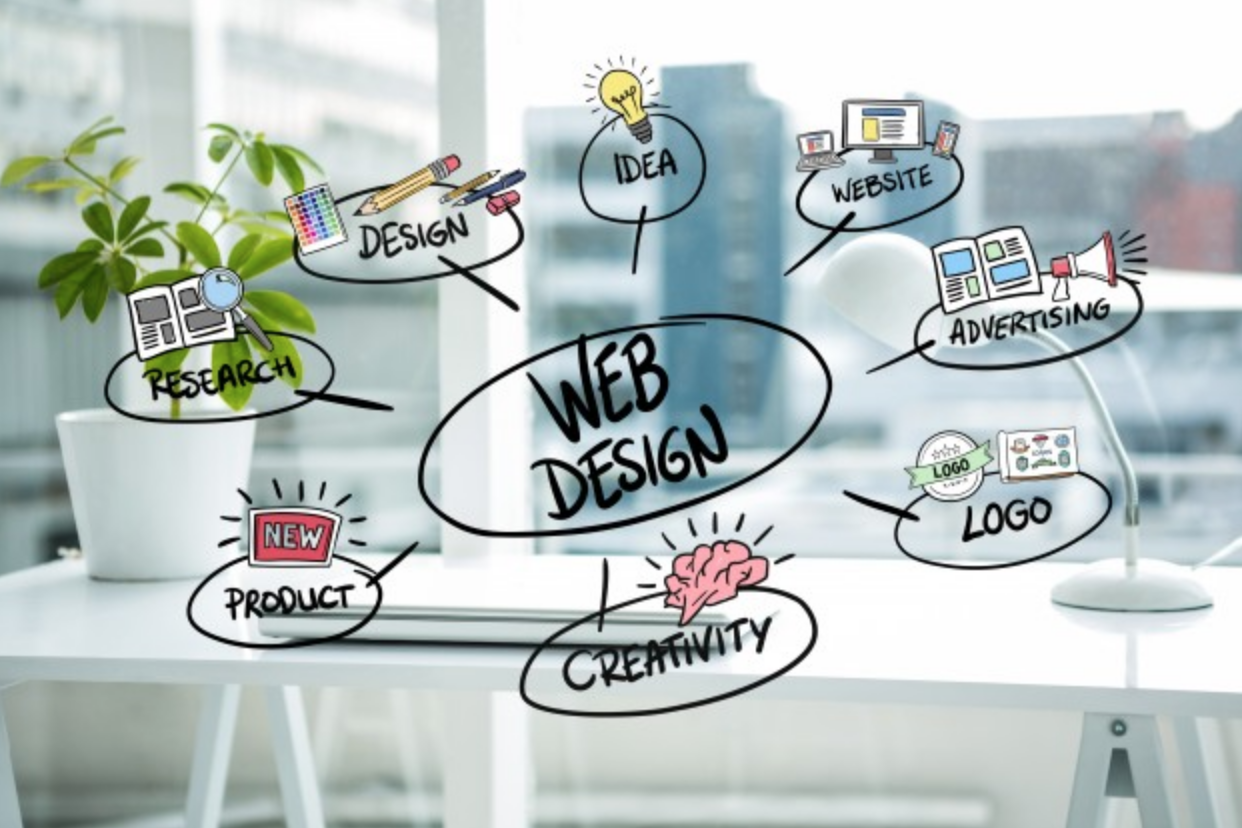
Rather than requesting everything from scratch to the design, there is a way to clarify the layout and framework in advance by drawing it yourself, and have them create the website as is. My impression is that you only pay the technical fee, rather than paying everything. Once the design is finalized, we can maximize cost performance by checking whether it meets the company’s wishes and improving accuracy by issuing correction instructions.
- Use a website production service to do the production in-house and outsource only the graphic production.
If you want to prioritize speed, you can also build your website in-house using a website production service that allows anyone to build a website with simple operations. It can be made with a little knowledge. It is common to use templates for design, but parts such as the company logo and the main visual image on the top page should be original. Therefore, there is a method of outsourcing only the parts production to a graphic designer.

summary
◆The role of a web designer generally includes website layout, wireframe design, graphic production, and coding.

◆The advantage of outsourcing to a web designer is that you can have them create a website for you even if you have no knowledge of website creation, and you can utilize professional design sense and technology for your own website. The disadvantages are that it is more expensive than in-house production, and there is a risk that the quality may not be worth the price.
◆Dividing patterns between in-house production and outsourcing: “Draw a rough design in-house and have an outsourced web designer create it,” “Have only the base of the website created and operate it in-house,” and “Use a website production service.” You can use them to produce them in-house, and outsource only the graphic production, and it is a good idea to divide them according to your company’s skill and knowledge level.