

In today’s world, where the amount of media and other information has increased dramatically due to the spread of the Internet, DSP advertising has become one of the essential tools for corporate growth.
It is important for marketers to correctly understand the meaning of DSP and SSP and utilize them in order to deliver advertisements that aim for maximum effectiveness while minimizing costs to a diversifying user base.
In this article, we will explain in detail what exactly DSP is, from the mechanism of DSP advertising to the relationship with SSP and media that you should know.
What is DSP?
“DSP” has grown dramatically in recent years and many companies are introducing it.
DSP is an abbreviation for “Demand-Side Platform” and is a tool that automatically optimizes the distribution of Internet advertisements. By automatically performing the manual work traditionally required for advertisers to distribute advertisements, this program reduces the effort and time required for operation, and enables highly cost-effective advertisement distribution.
Features of DSP
DSP can optimize all processes related to ad distribution, such as clear targeting according to desired conditions, creative management and analysis, bidding for advertising space in media, and adjusting and setting bid prices. It’s a feature.
If an advertiser introduces DSP and registers their own budget, target group, creative text and images, and target CPA (Cost Per Acquisition: cost per conversion), etc. Advertising can be distributed.
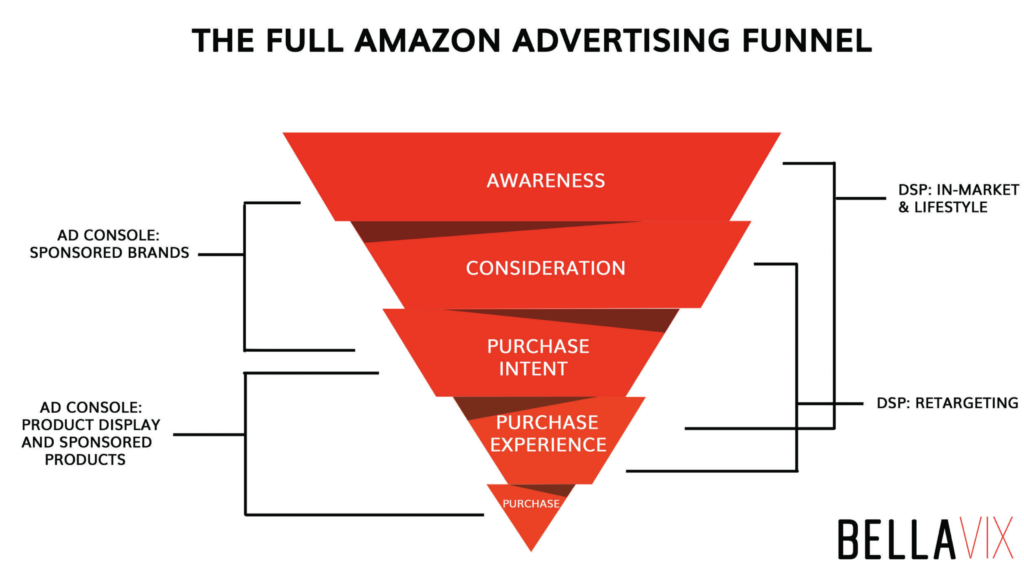
The key point of DSP is that it not only automatically purchases ad space, but also delivers to each target, which increases advertising effectiveness. It can be said that it is a distribution method that uses a unique algorithm to provide optimal advertisements to modern Internet users, whose lifestyles and consumption behaviors are becoming more diverse and complex.
What is SSP?
DSP is a platform for advertisers to increase the cost effectiveness of advertising, but on the other hand, SSP is a platform that aims to maximize profits for the media that provides advertising space. It will be.
SSP
is an abbreviation for “Supply-Side Platform.” Media companies such as Google and Yahoo! set in advance how much their advertising space will be sold to which advertisers and at what price. It’s a tool to keep. It is important to understand that the role of SSP is to automatically deliver the most suitable advertisement that matches the setting conditions.
It has a deep relationship with DSP, and advertisement distribution is performed by connecting and working together with SSP and DSP. Let’s take a closer look at the relationship between DSP and SSP below.
Relationship between DSP and SSP
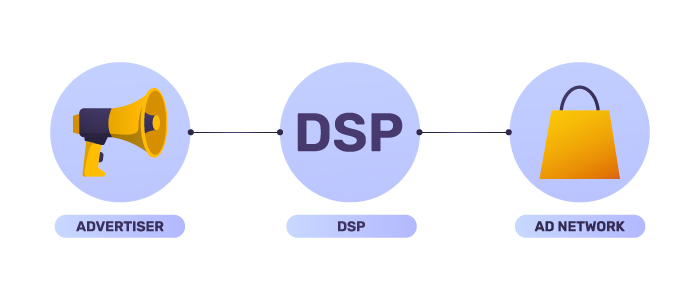
For SSPs, DSP is an indispensable management system for conducting transactions related to web advertising. Advertisers who want to purchase web advertising space at the lowest possible price set the amount of advertising in advance on the DSP and place an order. On the other hand, the media side receives advertisement orders and automatically displays the most expensive advertisement that meets the conditions through SSP.
The important point is that SSP and DSP have a relationship of receiving and placing orders, and that the service maximizes the profits of both advertisers and media.
What is RTB?
A platform called “RTB” is essential for trading between DSP and SSP. RTB is an abbreviation for “Real Time Bidding” and is also called “Real Time Bidding”. Located between DSP and SSP, it centrally manages information for advertisers and media. It is a system for aligning and balancing the interests of each party. The basic mechanism of RTB is as follows.
① A user visits a media that has advertising space.
②The media requests advertisements from the SSP based on the user’s information and behavior history.
③DSP receives a request from SSP through RTB and analyzes the information. Make a bid.
④ SSP determines the highest advertisement among the bidding conditions received from DSP through RTB. Distribute the confirmed DSP advertisement to the media and display it on the user’s screen.
Bidding is done each time an impression (displayed on a browser) occurs for advertising space, and it is said that the time required for each RTB is less than 0.1 seconds from the user visit (1).
Understand that by utilizing RTB’s high-speed processing system, we can maximize the profits of both advertisers and media, and deliver advertisements at the optimal price.

What is the difference between DSP and ad network?
An ad network is a network that aggregates advertising space from various media such as websites and SNS, and has the ability to distribute advertisements in bulk. Let’s take a look at a specific overview of ad networks below.
What is an ad network?
For example, one of the famous ad networks is “Google AdSense”. If you go through the procedures to place an ad on this network, you can distribute it to multiple registered media at once, so advertisers who want to place many ads in all types of media can conduct marketing activities without spending much time or effort. It has the advantage of being possible.
Although this ad distribution method is often confused with DSP, it is important to be careful as their roles are very different. It is important to understand that an ad network is a “network” that collects ad spaces that can be provided, and a DSP is a “tool” that allows advertisers to use ad networks efficiently. Sho.

What is an ad exchange?
Along with ad networks, another system you should keep in mind is ad exchanges. An ad exchange is a mechanism that allows you to exchange advertising space in media held by multiple ad networks.
For example, ad exchange can centrally manage all ad network ad spaces, such as being able to handle both ad space for media registered in ad network A and ad space for media registered in ad network B. to do. To put it simply, ad exchanges have opened up the frameworks of each network and made it possible to freely cross them.
Various mechanisms, such as ad (banner) size and capacity, billing format, etc., which differed depending on the network, have been unified. You can think of an ad exchange as a huge “marketplace” of advertising space that bundles multiple ad networks.

Advantages and disadvantages of DSP advertising
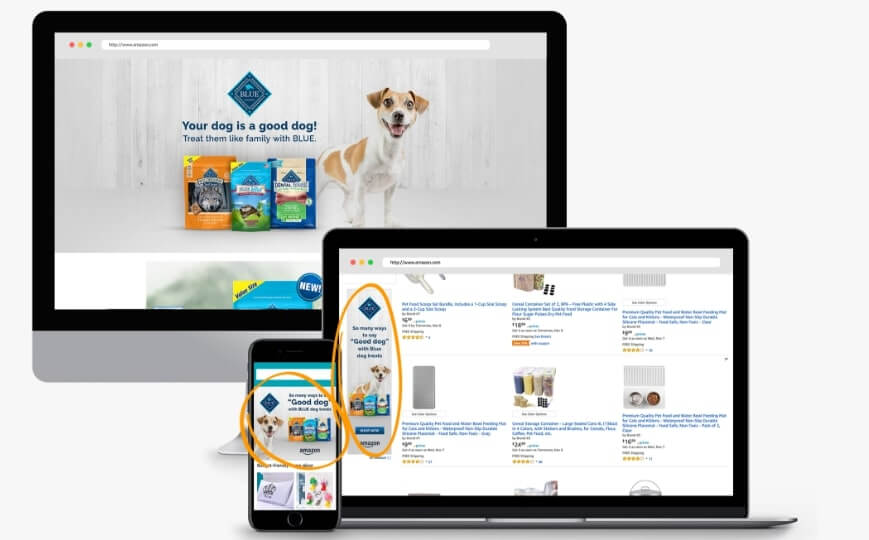
DSP advertising is display advertising delivered to media such as websites and apps through DSP. Since DSP has a mechanism to analyze user data and set detailed targets, it can be said that DSP advertising can provide the most suitable advertisements tailored to the user.
DSP advertising has many advantages, but what are the possible disadvantages? Check out the specific advantages and disadvantages of DSP advertising below.
Advantages of DSP advertising
A major advantage of DSP advertising is that it can analyze the user’s behavior history and select and deliver the most suitable advertisement for each individual user.
Traditional Internet advertising is a type of advertisement that is placed in so-called “frames” and targets users based on their age, gender, area of residence, etc. However, in recent years, with the introduction of analysis of behavioral history in addition to detailed attributes of users, the criteria for targeting has changed from “frames” to “people.”
The biggest advantage of this is that by clearly setting the types of users to whom companies should deliver advertisements, they can reduce unnecessary advertising costs and approach them in a pinpoint manner.
Additionally, DSP advertising can automatically bid at the optimal price for each impression. Tasks that would take time and effort to do manually, such as analyzing user data and determining bid prices, can be done in an instant, allowing advertisers to spend more time on creative initiatives.
Disadvantages of DSP advertising
The disadvantage of DSP advertising is the initial cost and fees when introducing the service. The amount and period vary depending on the company providing DSP, so you need to carefully consider your company’s budget and CPA before implementing the service.
Additionally, not knowing in advance where ads will be delivered may make it difficult for a company to plan measures. Since bidding is done in real time for DSP ads, it is not possible to know exactly where the media will appear. Companies may not be able to collect the data they want, making it difficult to come up with next measures and ideas.
The challenge for companies is to choose from among the multiple DSP service vendors (sellers) the company that provides the best service for them. Marketers should compare the features and functions of services and select a DSP service that suits their company’s objectives.

summary
DSP is a platform that automatically optimizes the distribution of Internet advertisements. The key point of this tool is that it not only automatically bids ads, but also allows for clear targeting, making it a tool that can provide optimal advertising to increasingly diverse and complex users.
While DSP is a tool for increasing cost efficiency for advertisers, SSP is a tool for maximizing profits for media. SSP and DSP work together in order to receive and place orders, and real-time bidding called RTB is conducted for each impression.
As internet advertising technology continues to evolve day by day, it is important for corporate marketers to know what DSP advertising is, its outline and specific mechanisms. Let’s properly understand the advantages and disadvantages of DSP and utilize it in our marketing activities.