


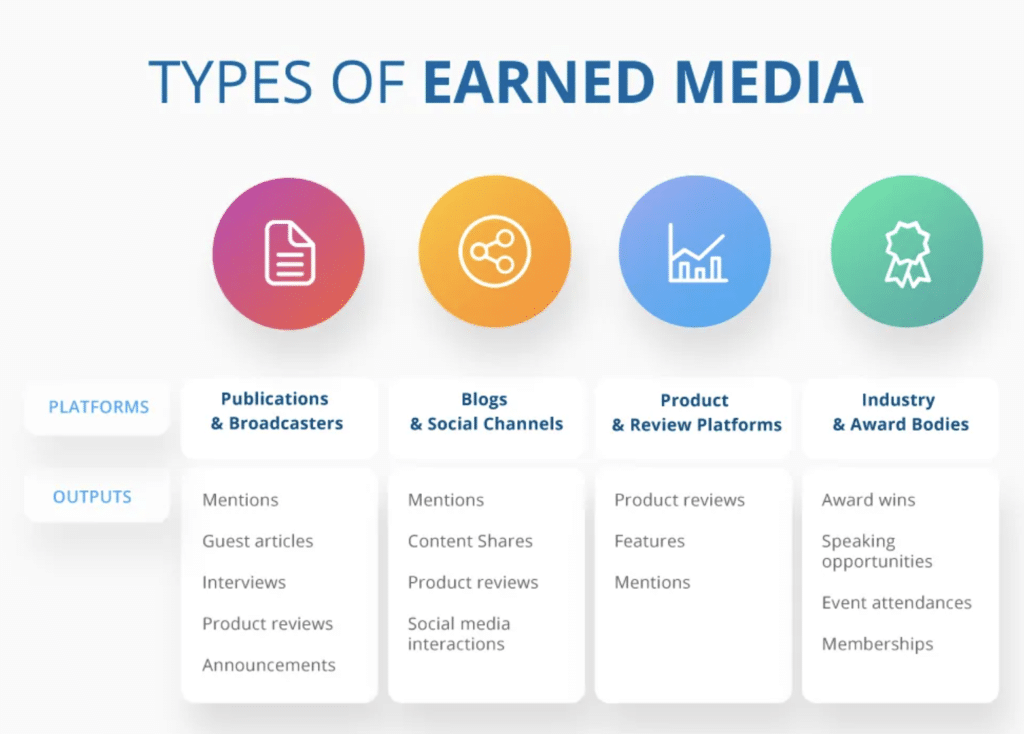
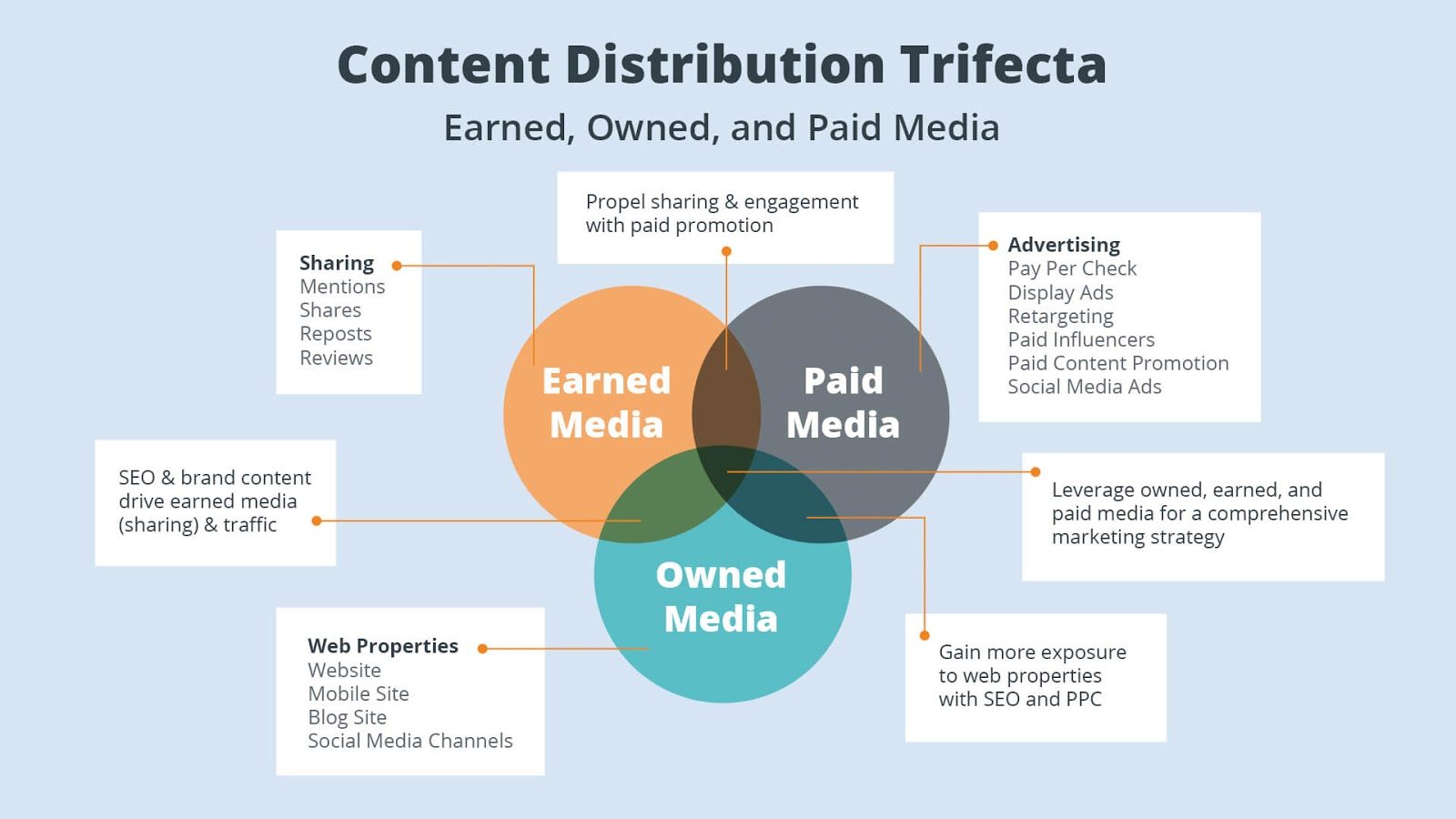
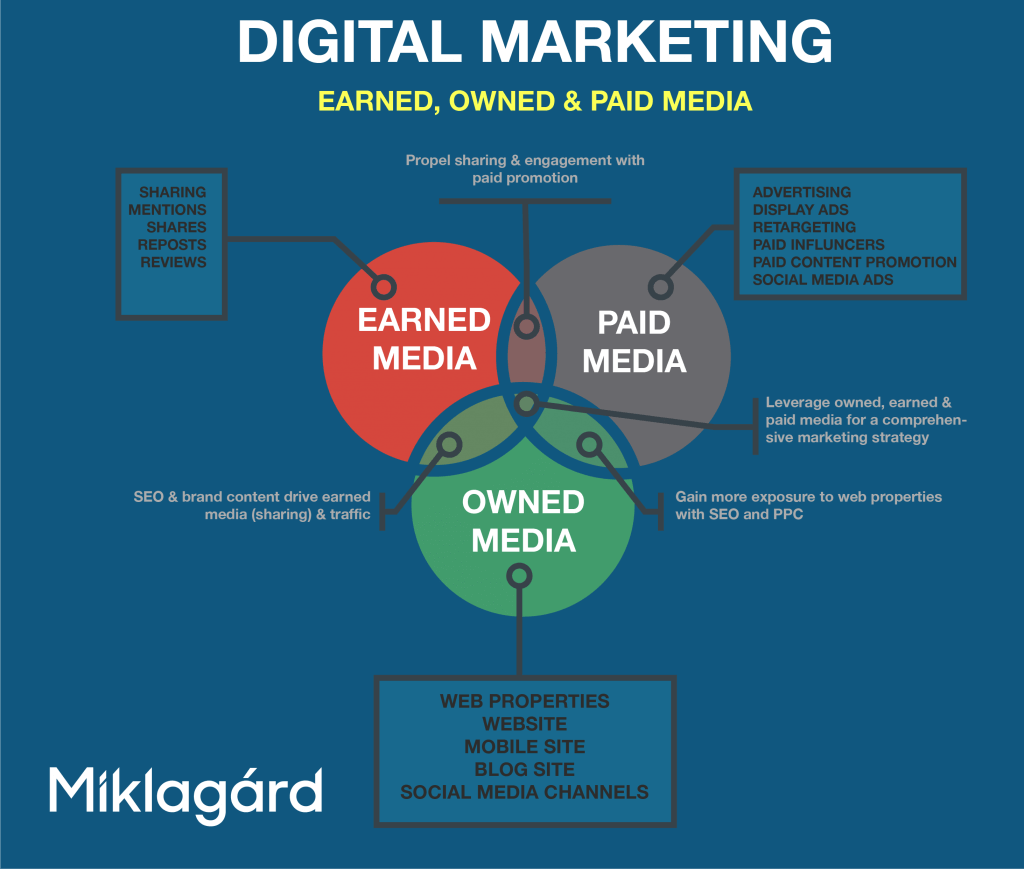
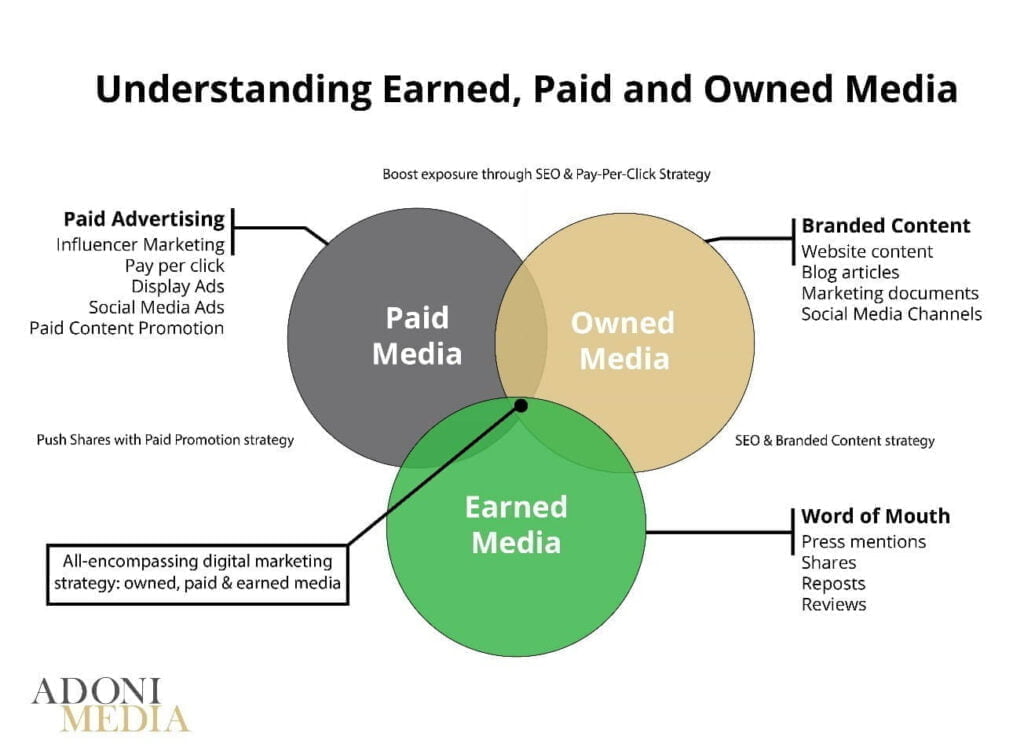
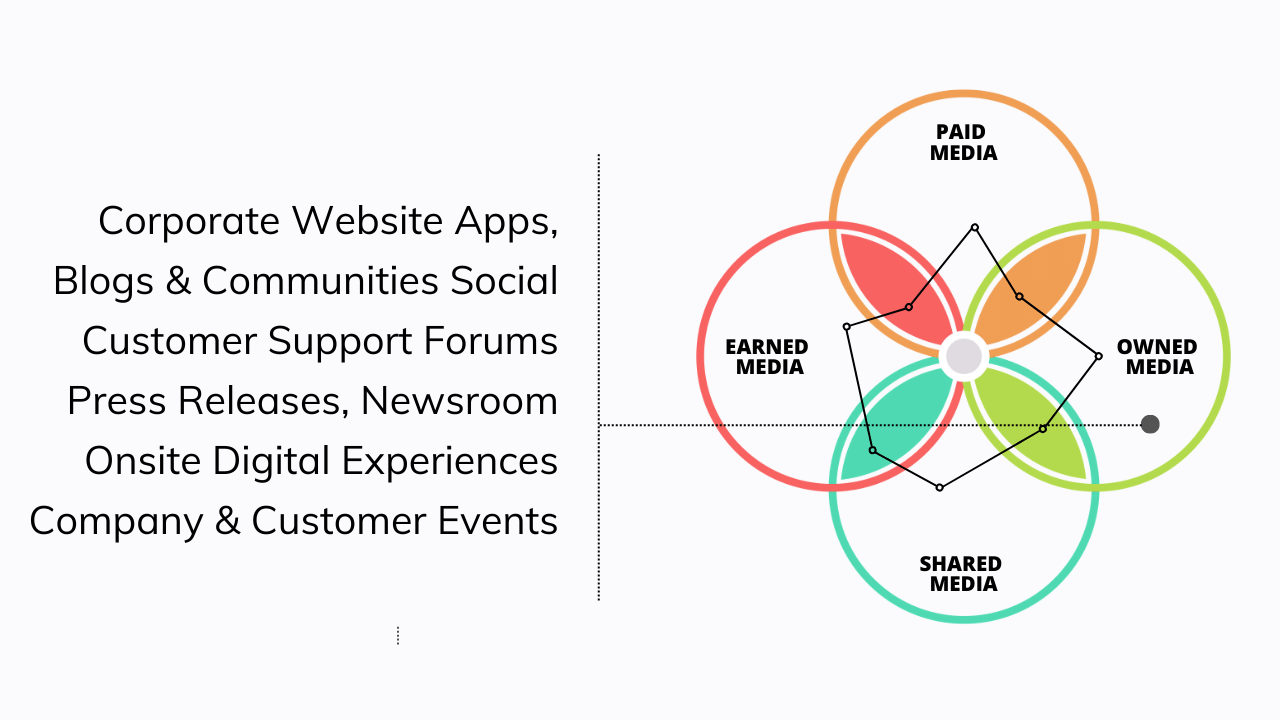
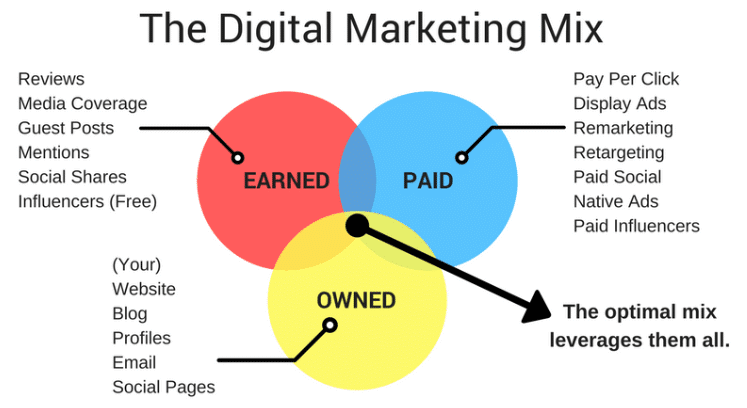
Owned media refers to media owned and operated by a company for the purpose of making users aware of the company’s products and services. Owned media allows companies to freely disseminate the information they want to deliver to users, but does that content really lead to the final conversions (results) that companies are looking for?
In this article, we will use the example of Recruit Sumai Company, which provides the real estate information site SUUMO, to explain whether article content from owned media contributes to conversion.
Does owned media article content contribute to conversion?
Recruit Sumai Company Co., Ltd., which provides the real estate information site SUUMO, operates a variety of owned media that disseminates useful information and the latest news regarding housing.
In the case of Recruit Sumai Company, conversions are traffic to the SUUMO portal site and ultimately the conclusion of real estate sales and rental contracts. However, most of the article content published in owned media is useful information about housing, and does not necessarily seek immediate results.
According to Recruit Sumai Company, there was some skepticism within the company as to whether content marketing really had any meaning. It is true that content marketing using owned media does not produce immediate results, and its aim is different from that which leads to immediate conversions from search traffic.
However, owned media has the advantage of delivering information and new discoveries that readers did not know before, which are difficult to find through searches alone. The content marketing undertaken by Recruit Sumai Company aims to acquire long-term fans by disseminating high-quality content.
However, creating article content to be distributed through owned media is costly. It is only natural that you would want a return commensurate with the cost of personnel and budget.
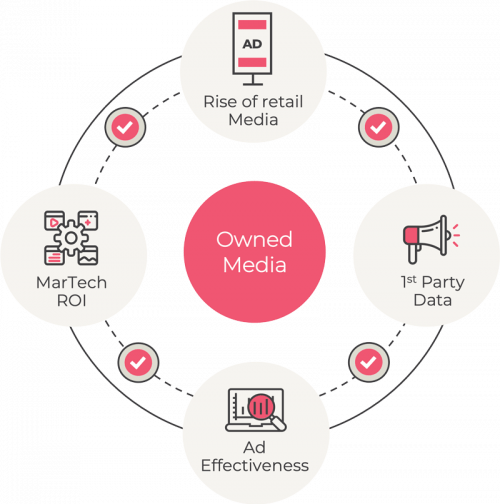
Therefore, Google proposed to verify marketing effectiveness and visualize the contribution to the last click that leads to conversion.
Visualize digital marketing effects with Google’s suggestions
Recruit Sumai Company adopted the “Find Campaign” and “Causal Impact Analysis” proposed by Google to verify marketing effectiveness.
Find Campaign is a service that allows you to place advertisements on “Google Discover” displayed on the Google smartphone app, YouTube’s home field, and Google’s email service “Gmail”. A statistical analysis called “Causal Impact Analysis” was developed to verify this marketing effect.
Recruit Sumai Company has set the target audience for advertising as follows.
- I am thinking of building a custom home in the future.
- I have never accessed the SUUMO portal site in the past.
In other words, we target users who are potential customers of SUUMO but have never visited the site in past searches. Recruit Sumai Company used existing articles on owned media as the initial point of contact, and by posting a feed that would naturally draw in readers who wanted to read the article, we tried to see if readers of the article content would convert, such as requesting information. That’s what it means.
This time, in order to verify marketing effectiveness, we divided Japan into two areas, A and B, distributed article content feeds (advertisement summaries) only to area A, and compared conversions with area B. did. As a result, we were able to obtain approximately 35% more conversions in area A where the feed was distributed compared to area B where it was not distributed.
Furthermore, since it was confirmed that conversions decreased after discontinuing distribution, it can be said that the article content had a large influence on the increase in conversions.
However, placing ads in Google campaigns and analyzing their effectiveness is only possible if you have owned media and article content. In this case, since the initial point of contact was existing content already in owned media, we must not forget that verification is only possible with high-quality article content.
Achieve more effective content marketing by reviewing your marketing strategy
According to Recruit Sumai Company, being able to demonstrate and visualize the content marketing effects of owned media was a good opportunity to review future marketing strategies. While verifying the effectiveness, it became clear that conflict with article content had a significant impact on conversion, reaffirming the importance of owned media and content marketing.

Furthermore, it reaffirmed the importance of disseminating information to users who have not yet decided to purchase a home and are still in the consideration stage. Even if it doesn’t directly lead to conversions, if you continue to provide useful information to users, you will create new opportunities to expand your customer base.
As in the case of Recruit Sumai Company, visualizing the results of marketing effectiveness verification will make it easier to formulate future budgets and strategies. In order to clarify the basis for continuing content marketing, and to promote more effective marketing strategies that contribute to conversions, why not incorporate verification of marketing effectiveness as in this case study? Is it?
summary

◆The aim of content marketing conducted through owned media is different from that which leads to immediate conversions from search traffic.

◆Recruit Sumai Company, which operates the real estate information site SUUMO, implemented an initiative to visualize marketing effects based on Google’s suggestions. As a result, conversions increased by approximately 35% in the advertising distribution area, demonstrating the effectiveness of content marketing. gender has been proven.
◆The demonstration and visualization of marketing effects not only provided an opportunity to review future digital marketing strategies, but also reaffirmed the importance of disseminating information to users who are still in the consideration stage.