

In Japan, Google has the largest share of the search engine market for both computers and smartphones, followed by Yahoo!. Among them, just as many people trust and use Google’s search engine, Google’s search engine also strives to ensure that the advertisements displayed are safe and reliable.

While society is in turmoil due to the spread of the new coronavirus infection, many malicious advertisements have appeared that take advantage of the situation. In particular, advertisements setting unreasonably high prices were seen here and there for sanitary products such as masks and disinfectants, whose demand has increased due to the spread of infection. Google takes various measures to block malicious ads to protect users, advertisers, and publishers.
In this article, we will introduce how Google responds to malicious ads, its mechanisms to protect users, and its efforts to ensure the safety of its ecosystem.
Responses to malicious advertisements related to the new coronavirus infection

From the beginning of the coronavirus outbreak, Google has been working to protect users from malicious ads that take advantage of the coronavirus pandemic. We established a dedicated organization called the “New Coronavirus Infection Task Force” from an early stage and are working 24 hours a day to find and block malicious advertisements.

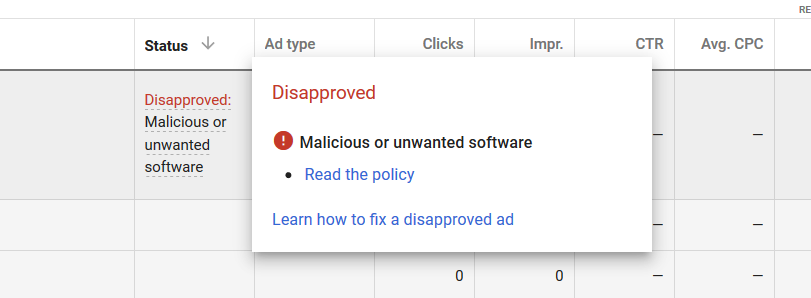
The rapid increase in demand for masks has led to an increase in poor advertisements, such as those that set prices higher than the market price or disguise the quality of the products. In order to protect consumers from companies attempting such malicious business, the task force is developing new detection technologies and improving systems on a daily basis. As of May 2020, the number of ads that violate our policies has been removed in the tens of millions, and we are working to prevent consumers from being guided by malicious ads.
On the other hand, Google is also taking measures to prioritize the display of public service announcements from non-governmental organizations, governments, and hospitals so that they are more visible to consumers. In the midst of the coronavirus pandemic, where the future is uncertain, the new coronavirus infection has become a daily and long-term topic for consumers. In addition to responding to malicious advertisements, we are ensuring that important information from reliable advertisers reaches consumers.

Mechanism to protect users from malicious advertisements

Google takes the following measures to protect users from malicious ads.
-
Regulation of phishing advertisements and fraudulent click inducement
Frequent policy violations include phishing ads and fraudulent clicks.
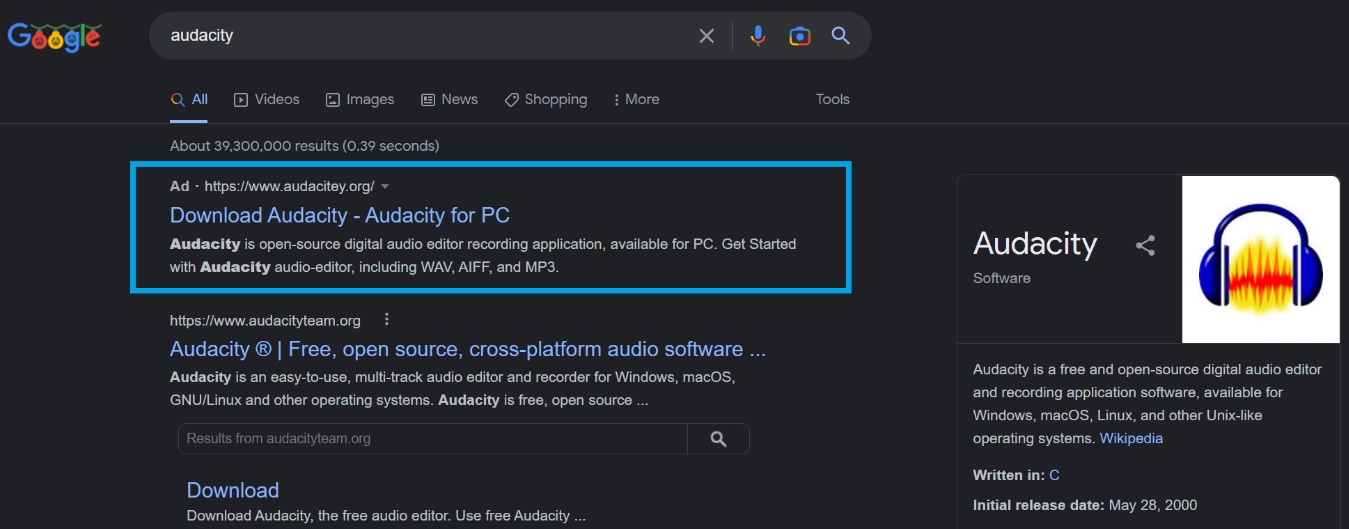
Phishing is the act of impersonating a user to obtain personal information. In 2019, phishing advertisements targeting passport renewals were published, and there was an increase in attempts to illegally obtain personal information such as credit card numbers from users. On the other hand, fraudulent click guidance is the act of deceiving users with seemingly benign links (such as links that say “Click here”) and directing them to the linked destination. Both actions violate advertising policies and are strictly prohibited by Google.

Google can predict these repeated violations and take effective countermeasures. We’ve created a new organization to track patterns and signals of violations so we can more quickly identify and address illegal advertising. As a result, in 2019 alone, we blocked more than 35 million phishing ads and 19 million fraudulent clicks, and the number of fraudulent ads placed in this area decreased by nearly 50% compared to the previous year.
Google has changed its advertising policies to allow loan ads to run on websites or mobile apps as long as the advertiser lists all costs, risks, and benefits. Due to changes in advertising policy, 9.6 million personal loan advertisements were removed in 2019, double the number from the previous year.
To continue providing a safe advertising ecosystem
Thousands of employees across Google work to protect users from bad ads and provide a safe ad ecosystem. In 2019, we removed more than 5,000 malicious ads every minute, totaling 2.7 billion, and suspended nearly 1 million advertiser accounts for violating our policies. In cases of repeated or serious violations, we suspend not only individual ads but also the account itself.
Google believes that blocking malicious ads and maintaining the quality of ads on our platform is one of the most important tasks we do every day. As the world is in turmoil due to the spread of the new coronavirus infection, countermeasures against malicious acts that take advantage of users are a top priority. Google says it will continue to work to protect all users, including advertisers and publishers, from malicious activity across all advertising platforms.
Reference:
Google “To protect users from malicious advertisements”
summary
◆While society is in turmoil due to the spread of the new coronavirus infection, many malicious advertisements have appeared that take advantage of the situation.
◆Google set up a dedicated organization called the “New Coronavirus Infection Task Force” from an early stage, and is working around the clock to find and block malicious ads.
◆In order to reliably protect users from malicious ads, Google is constantly implementing measures such as regulating phishing ads and fraudulent clicks, and changing its advertising policies.
◆Google believes that blocking malicious ads and maintaining the quality of ads on its platform is one of the most important tasks in its daily activities.