
“4C” and “4C analysis” are important elements when planning a company’s
marketing strategy
. 4C and 4C analysis are characterized by conducting
marketing
from the customer’s perspective in order to respond to diversifying needs.
What kind of problems do the products and services offered by companies solve?In recent years, when customer value has become more and more sought after, how can companies use the 4Cs to aim for business growth? Is it?
In this article, we will explain in detail the basic meaning of the 4Cs, how to use them, and the differences from the 3Cs, 5Cs, and 4Ps.
4C analysis is a marketing analysis method from the customer perspective.
As market competition intensifies, the four factors that have a major influence on customers’ product selection and purchase are known as the 4Cs.
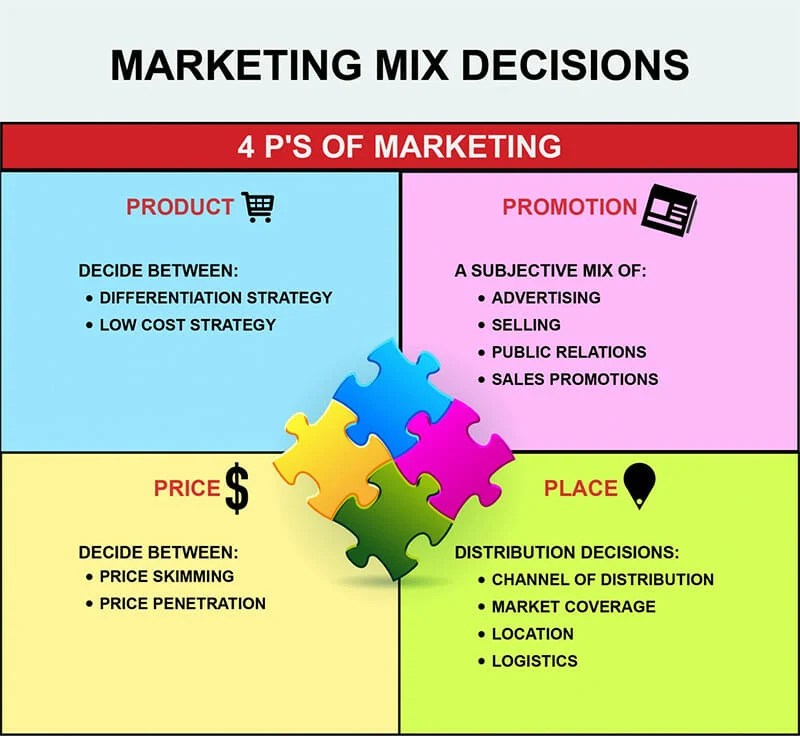
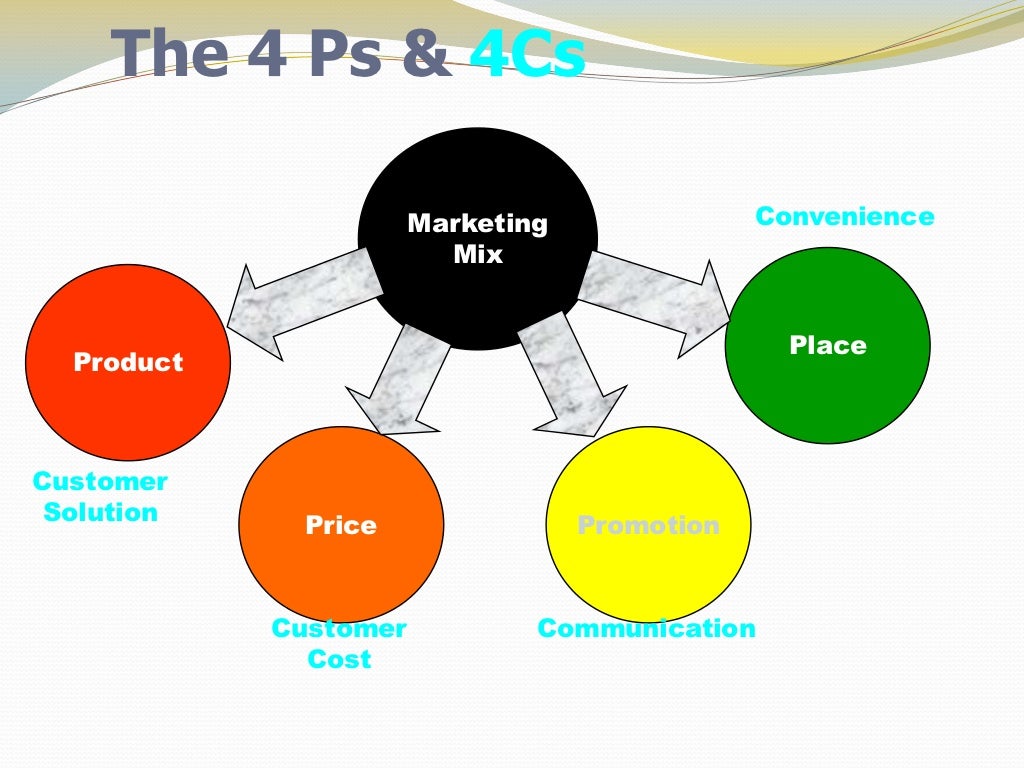
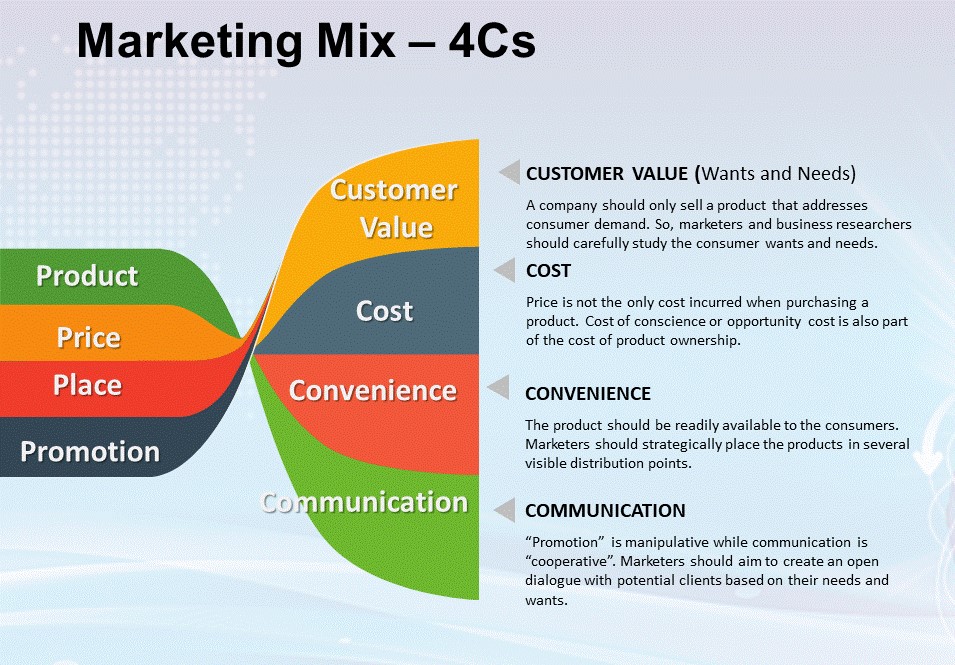
Before the birth of the 4Cs, business activities were dominated by the concept of the “4Ps” defined by Edmund Jerome McCarthy in 1960: “Product/Service,” “Price,” and “Distribution Channel (Place).” We considered the four elements of “advertisement/promotion” from the “seller’s perspective.”
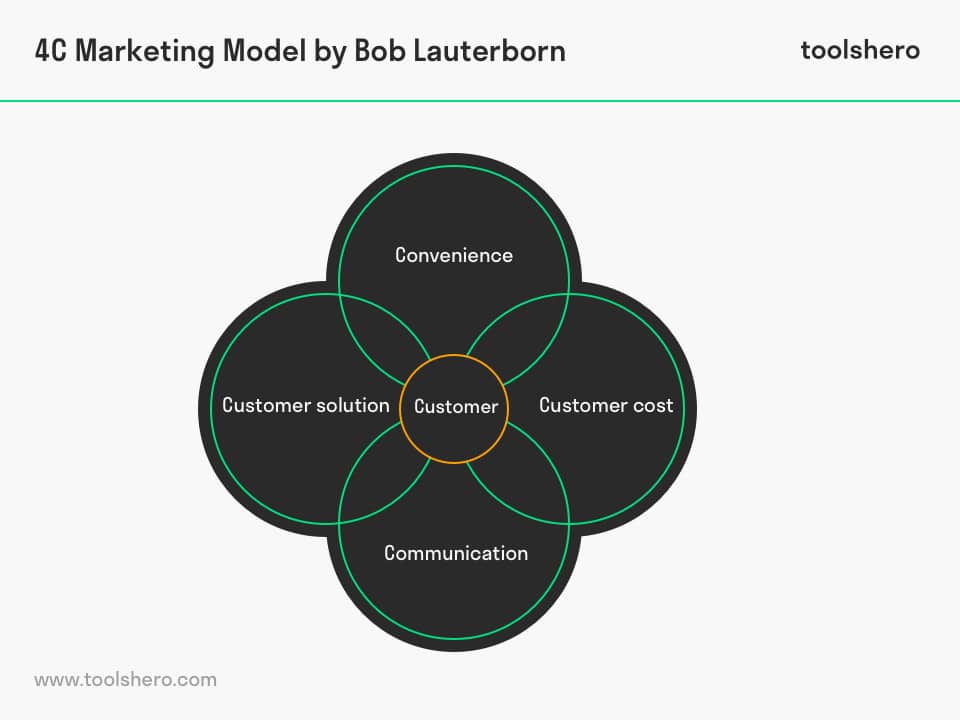
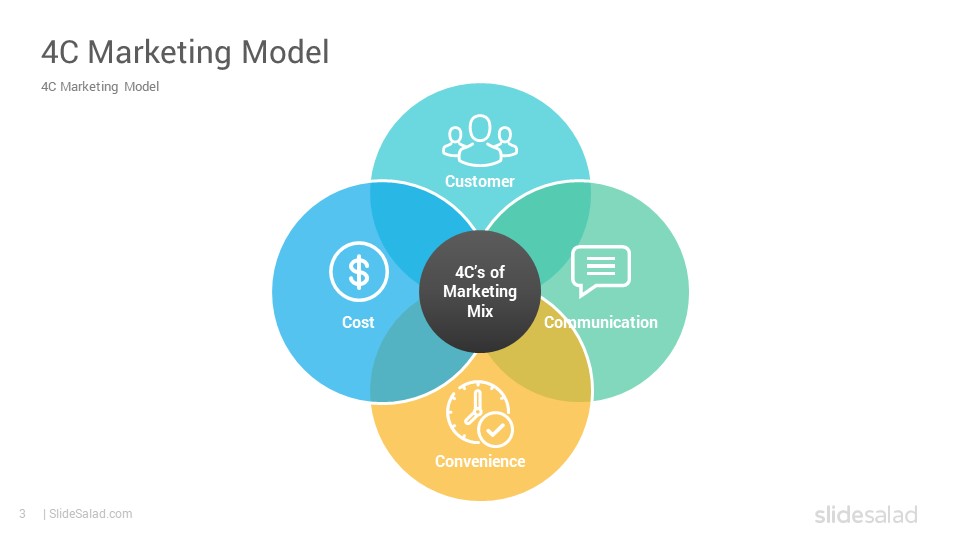
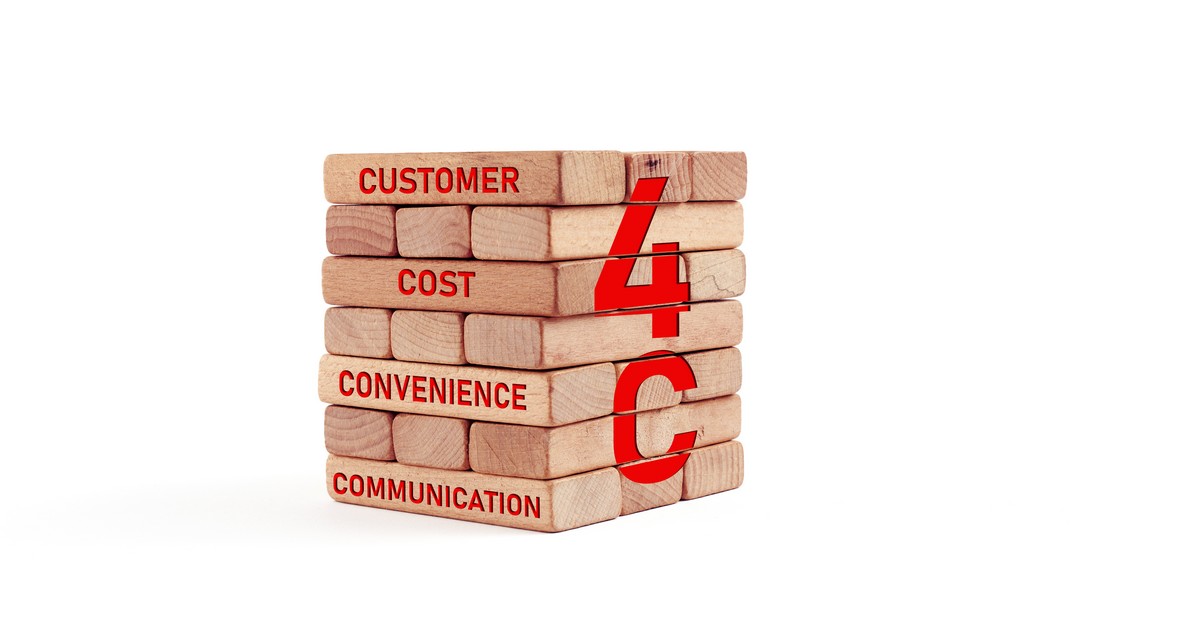
The initial letter C is taken from the four elements of “Customer Value,” “Customer Cost,” “Convenience for Customers,” and “Communication with Customers,” which is expressed as 4C. Marketing theory.
4C analysis is an analysis method that considers the 4C from the customer’s perspective. We will consider the optimal approach to targeting by combining the four key points, but what is the background behind the concept of the 4Cs in the first place?
We will explain in detail below, from the birth of 4C analysis to the specific way of thinking.
4C overview
What exactly is 4C analysis, which considers sales of products and services from the customer’s perspective? An overview of the four elements is below.
Customer Value
It is the value that customers have for a company’s products and services, and refers not only to quality such as convenience, ease of understanding, and performance, but also to all kinds of value brought to customers, such as design and brand image.
Customer cost (Cost)
The cost a customer pays to receive the value of a product or service. A comprehensive consideration is needed, including how the prices set by a company affect customers and how much customers are willing to pay for that value.
Convenience for customers
We consider whether the method of obtaining products and services is what customers want, from the accessibility of the store to the ease of purchasing online and payment methods. It is necessary to consider from the customer’s perspective what sales method to choose that will most likely lead to a purchase.
Communication with customers
We analyze the approachability and good relationships you use to contact customers, including online and offline, face-to-face, events, and SNS.
The key is to consider what smooth communication looks like from the customer’s perspective, and to build a relationship that makes it easy to ask questions and ask questions.

4C is “customer perspective”, 4P is “corporate perspective”
In the 4P’s “Product”, we thoroughly elaborate everything from package design to quality, and in “Price” and “Distribution channel (Place)” we consider everything from purchasing to product assortment, sales range, and discount prices. In “Advertisement/Promotion”, we conduct appeals for the purpose of recognition.
However, in recent years, as the market has expanded and competition has become more intense, and the number of products and services has increased, concepts such as the 4Cs from the customer’s perspective have become important in order to get more people to choose and purchase your company’s products and services. It’s now needed.
As times change, marketing is shifting its focus from the 4Ps from a “corporate perspective” to the 4Cs from a customer perspective, aiming to maximize benefits by repeatedly planning and implementing measures. It will be.
It is important to fully understand the general meaning and content of the 4Ps and 4Cs, which are the foundations of marketing, as
a marketing mix
(a combination of strategies that lead to purchasing behavior).

What is the difference between 4C analysis and 3C and 5C analysis?
In order to understand 4C analysis, the frameworks you need to keep in mind are 3C analysis and 5C analysis. What kind of marketing theory are 3C and 5C related to 4C? Let’s take a closer look below.
3C analysis
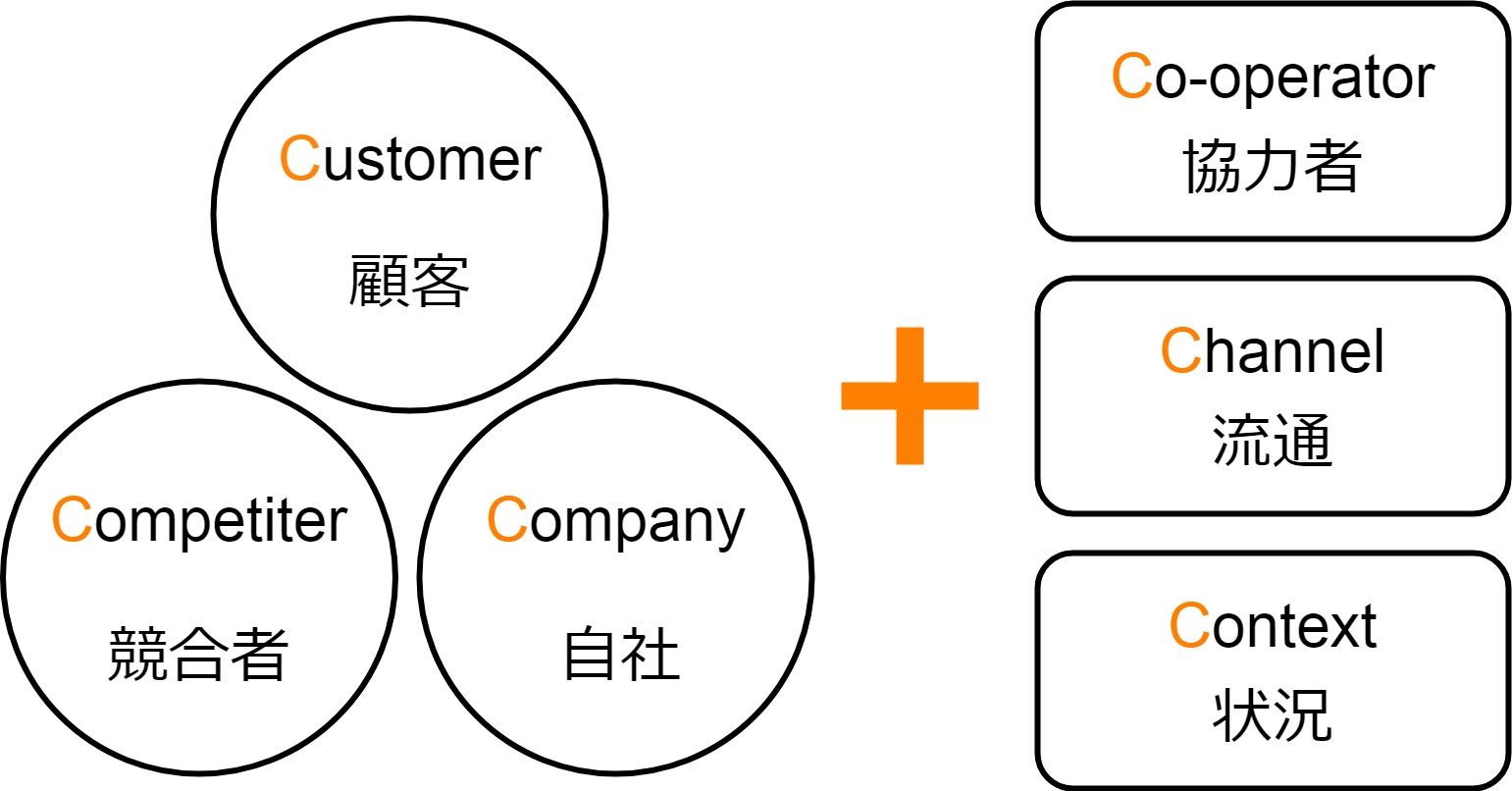
3C analysis is a comprehensive analysis of the three elements of “market and customers”, “competitors”, and “company”, and identifies the “KSF (Key Success Factor)” which is an essential factor for success. It is a marketing method that understands factors such as
It is a framework for understanding the market and customer needs, analyzing competitors’ shares and evaluations, and identifying your company’s strengths and challenges.
There is also the concept of “4C”, which is the addition of “Co-Operator” to the 3Cs. Collaborators are elements for strengthening business through alliances such as inter-company alliances.
It is important to understand that there are two types of 4C analysis: one that was derived from
4P analysis
, and one that added new elements to 3C analysis.
5C analysis
5C analysis is a framework consisting of five elements: “Market and Customer”, “Competitor”, “Company”, “Customer’s Customer”, and “Customer’s Competitor”. is.
It is basically said to be derived from 3C analysis, and includes “Customer’s Customer” which determines whether it is valid from the customer’s perspective, and “Customer’s Competitor” which refers to the industry as a whole in a broad sense. Instead of “, there are also concepts that add “social background” or “collaborator.” Let’s know the difference between the elements from 4C analysis.
Benefits gained from performing 4C analysis
The benefits of performing 4C analysis include:
Can provide the products and services that customers want
4C analysis analyzes products and services from the customer’s perspective. The premise of marketing strategy is to plan and develop products and services that meet customer needs, such as what is of value to the customer and what the customer wants.
By performing this analysis, you can gain benefits such as increasing the possibility that customers will find you through internet searches and making it easier for your products and services to be accepted, even without extensive advertising. .
Can differentiate from competitors
Products and services that meet customer needs often incorporate unique technologies and techniques that are unique to the company and cannot be imitated by competitors.
If your company’s unique technologies and techniques that are not found in other companies become “one-of-a-kind” to customers, and if customers admire you and say, “This company’s product is the only one,” you will succeed in differentiating yourself from your competitors. That means you did it.
Can provide added value
While developing products and services that meet customer needs through 4C analysis, we may discover new added value. Added value means adding unique value to the developed product or service.
By incorporating your own proprietary technologies and techniques into the products and services you develop, you can add original functions and features that cannot be imitated by your competitors.
4C analysis will clarify what your company can and cannot do, which will lead to being able to provide added value.

Benefits of doing marketing analysis
Why is it necessary to conduct marketing analysis in the first place, including 4C analysis?
This is because the Internet has become widespread and it has become possible to collect all kinds of information on an individual level, and as a result, it is no longer possible to make a profit by running mass advertisements and advertising on a large scale, as was the case in the past.
Companies are under pressure to conduct thorough marketing analysis and provide products and services that meet customer needs. The main benefits of marketing analysis are:
You can objectively understand your company’s current situation.
Marketing analysis involves comprehensively analyzing the market environment, the situation of competitors surrounding the company, and the company’s position from both macro and micro perspectives. Based on the analysis results, you will be able to objectively understand the situation and current situation of your company from a third-party perspective.
By understanding the state of your company, you will be able to understand your company’s strengths and weaknesses, and you will be able to take measures to overcome bad situations.
It becomes easier to run the PDCA cycle and identify areas for improvement.
PDCA stands for “Plan,” “Do,” “Check,” and “Action,” and is a method for improving business operations by repeating these cycles.
Basically, the more you use the PDCA cycle, the more clearly areas for improvement will become apparent, which will lead to improved operational efficiency. By conducting marketing analysis, you can find your company’s weaknesses and make it easier to implement the PDCA cycle.
Also useful when planning and developing new products and services
By conducting marketing analysis, you may be able to discover new strengths of your company.
As I mentioned earlier, your company’s strengths may lie in its own unique technologies and techniques that cannot be imitated by other companies, and this can also lead to the ability to provide added value.
Marketing analysis is also effective when planning and developing new products and services that incorporate these added values.

How to use 4C analysis and when to conduct analysis
Many managers may understand the outline of the 4Cs, but still have no idea how to incorporate 4C analysis into their own marketing activities. The main ways to use 4C analysis are as follows.
Utilized for new products and services
4C analysis is an important framework for generating new ideas.
When you have a plan for a new product or service within your organization, use 4C analysis to objectively analyze the impact each element has on customers.
It is important to verify whether the 4C elements are attractive from the customer’s perspective, without incorporating the subjectivity of the developer or person in charge.
Utilize for existing products and services
The longer a company has been handling existing products and services, the more likely they are to diverge from current customer needs due to factors such as the passage of time and changes in the social environment.
Even if you set the customer journey at the initial planning stage and it fits your target audience, you will need to periodically review and improve it.
We also recommend comparing the 4Cs with your company’s hit products and analyzing why customers choose them.
In particular, let’s use the 4Cs when reselling products due to renewal or when analyzing products and services whose sales are decreasing.
Used for competitor analysis
It is important to determine your competitors through market research and analyze their brand power and strategies.
Even if your company’s products and services are attractive and valuable, if other companies are selling similar or better products, you will need to take measures to overcome the competition. .
In order to develop marketing strategies and gain an advantage over other companies, there is a way to use 4C analysis to compare with other companies.
Let’s analyze in detail what the current situation of your competitors is, including their sales, and everything from their target groups to their needs.
What are the points to note when using 4C analysis?
There are some points that companies should keep in mind when practicing 4C analysis. In order to effectively use frameworks and come up with ideas and measures, please be aware of the following points.
Perform STP analysis and clarify the target
When performing 4C analysis, “STP analysis” is essential to improve the accuracy of sales strategies.
STP analysis is an abbreviation for “Segmentation,” “Targeting,” and “Positioning.” STP analysis is an abbreviation of “Segmentation (market segmentation),” “Targeting (determining the market),” and “Positioning (clarification of the standing position).” It is a marketing method that clarifies where and what value is provided.
Accurate 4C analysis cannot be performed without STP analysis. Segment and narrow down the market, become familiar with the needs that require your products and services, and then perform a 4C analysis.
Don’t move away from the customer’s perspective
In 4C analysis, it is essential to determine marketing strategies from the customer’s perspective.
When the subjectivity of the developer or creator of a product or service is reflected too much, what was originally intended to be a 4C analysis often turns into a 4P analysis.
The key is to always stay focused on the customer and provide value and appeal.
A useful framework for business analysis
In addition to the STP analysis mentioned above, there are other useful frameworks for business analysis, including the following analysis methods.
PEST analysis
PEST analysis is a framework that is an acronym for the following four factors.
PEST analysis is a method used to analyze the macro environment that cannot be controlled by a company. By analyzing the macro environment, you will be able to understand whether the market you are trying to enter is in good condition or not, and you will be able to decide whether or not you should enter the market.
It also allows you to understand the current status of the market, such as whether it is in a growth phase, decline phase, or transition phase.
PEST analysis is explained in detail in the article below, so please refer to it.
SWOT analysis
SWOT analysis is a framework consisting of the following four elements:
SWOT analysis allows you to understand your company’s strengths and weaknesses, and allows you to analyze your company’s current situation in terms of market trends and economic conditions.
Even major companies are adopting this framework to understand their current situation and market trends.
Please refer to the article below which explains SWOT analysis in detail.
value chain
Value chain is a combination of the words “value” and “chain” and means “linking values together.” The idea is to link the values that occur individually in each process to create one large added value.
The value chain is explained in detail in the article below, so please refer to it.
PPM analysis
PPM analysis is an abbreviation for “Product Portfolio Management” and is a framework that allocates your company’s products to the following four positions and determines the investment allocation of your company’s management resources.
PPM analysis is an analysis method used to “appropriately allocate the necessary amount of valuable management resources to the necessary phase.”
By classifying your products and services based on the two axes of “market growth rate” and “market share,” you can prioritize where to allocate your investments and make management decisions such as whether to continue the business or withdraw. It will be.
PPM analysis is explained in detail in the article below, so please refer to it.
We also have materials with templates for PPM analysis, so please feel free to download them and use them for your own PPM analysis.
summary
In the recent market where business has become more complex and various companies are expanding their businesses, 4C analysis can be said to be an indispensable framework.
By deriving a marketing strategy from the customer perspective, which is a characteristic of the 4Cs, you will gain new awareness of your company’s appeal and strengths, as well as issues that need to be resolved.
Make effective use of 4C analysis as a management strategy to convince customers to purchase your company’s products and services, and as a marketing method to analyze the current situation, including the situation of other companies.