

What is Google doing to improve privacy in digital advertising?
Digital advertisements displayed online on computers and smartphones. Until now, there has been a tendency to invest in TV advertising rather than digital advertising, but in 2019, domestic digital advertising spending exceeded TV advertising spending for the first time, and continues to grow year by year.
As digital advertising becomes more widespread, the handling of user privacy online is also attracting attention. Google’s goal is to create an Internet world where users can continue to access digital advertising with peace of mind. What efforts is Google taking to improve user privacy?

This article introduces Google’s efforts to improve privacy in digital advertising.
Efforts to increase transparency and user control in digital advertising

Google has been providing the digital ad display function “Why this ad” for many years. “Why this ad” is a feature that allows you to check detailed information on the factors behind choosing digital ads and stop displaying unnecessary ads. Users can decide whether or not to display advertisements at their own discretion, and this system is currently being extended to Internet TV advertisements as well.
In addition, to further improve the user experience, we have introduced a new feature called “About this ad” that displays the official name of the advertiser as confirmed by Google. By increasing the transparency of advertisers behind digital ads, users can see detailed information about advertisers. As a result, you can make more informed decisions when controlling your ad display.
Source:
Google “Latest information on efforts to improve user privacy in digital advertising”
Additionally, we plan to release Ads Transparency Spotlight, a tool that will provide detailed information not only on digital ads displayed on Google, but on all ads displayed on the web. Google says it will eventually improve user controls and increase disclosure about ads.
Reference:
Chrome Web Store “Ads Transparency Spotlight (Alpha)”

Approaches to improve user privacy
Google is taking various approaches to companies to improve user privacy.
-
Support for advertisers using first-party data

First-party data is data collected about your customers and website visitors.

Google supports advertisers and publishers’ use of first-party data based on customer interactions with which they have built relationships. But only if we guarantee transparency and control over the use of your information. Our aim is to provide a relevant and useful user experience.
Reference:
Google “Latest information on efforts to improve user privacy in digital advertising”

Toward the future digital advertising industry
Much of the talk about improving privacy in digital advertising focuses on the web, but the web is not the only place where users see digital advertising. It is accessed from various environments such as mobile apps, digital audio, and Internet TV.
Google’s vision to improve the way we handle user data while preserving access to free content is consistent across web and apps, and will remain the same even as new areas emerge. .
It will take some time for new technologies and standards to become established in the future of digital advertising. However, it is certain that many changes will occur in the near future, which is why Google wants advertisers and publishers to actively discuss privacy issues and start moving toward the future now.

summary

◆To improve user privacy, it is important not only to increase the transparency of digital advertising, but also to respect the wishes of individual users.
◆In order to increase the transparency and user control of digital advertising, Google provides a function that allows users to check advertising information and stop displaying advertisements at their own will.
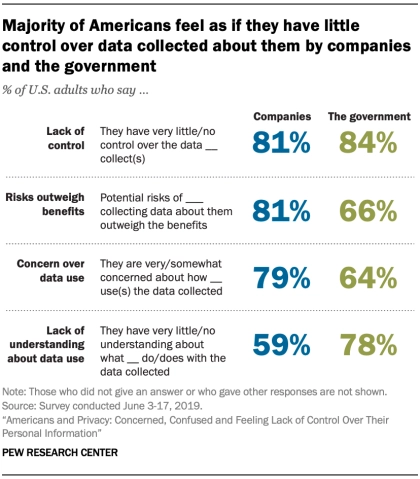
◆To improve user privacy, Google supports advertisers and publishers who use first-party data. On the other hand, it prohibits the use of opaque or hidden technologies and has made it clear that it will take a strong stance against such activities.
◆Google believes that various changes are certain to occur in the future of digital advertising, and it is important for advertisers and publishers to take action without hesitation.
Reference:
Google “Latest information on efforts to improve user privacy in digital advertising”