

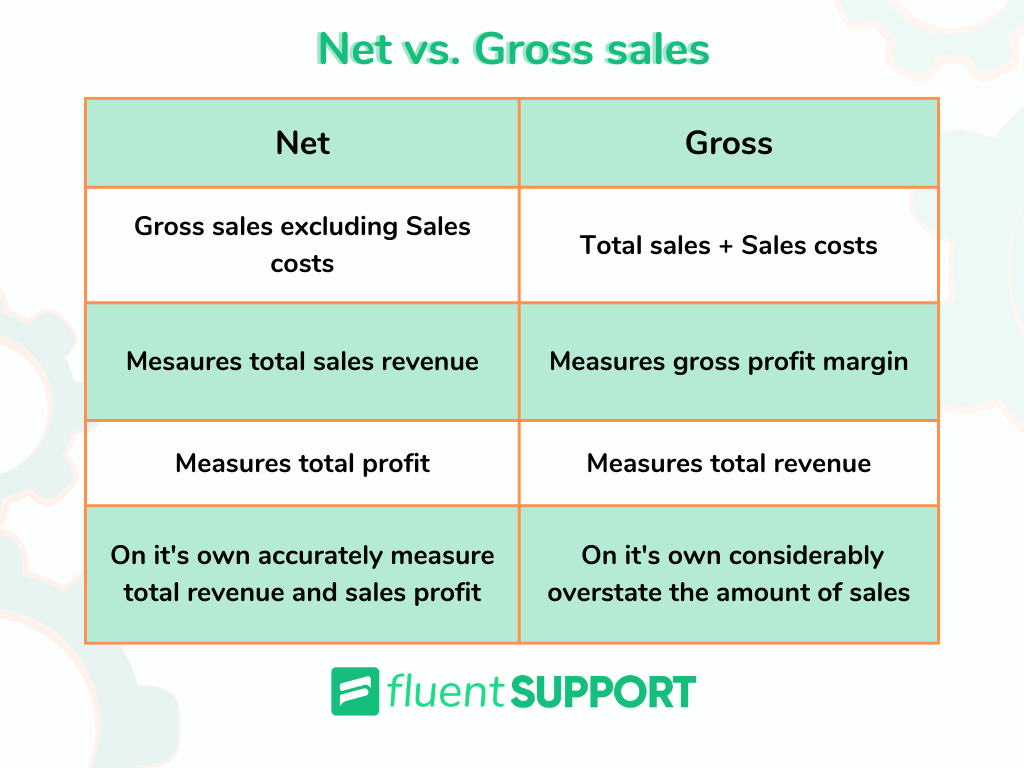
Do you know the words “gross” and “net”? Many people who are involved in business may have heard of it, but I think many people find it difficult to properly explain its meaning and details.
These are often used when carrying out advertising, etc., but they also have a great deal to do with budget setting and
CPA
(Cost Per Acquisition). Incorrect recognition or understanding can lead to losses. It is important to understand the meaning correctly and spend the money correctly.
In this article, we will explain the difference between gross and net, how it relates to margin, and how to calculate it.
What is gross and net?
Gross and net are often used to express fees in the
marketing
industry. Let’s take a look at the meaning and characteristics of each.
Gross is the sum of advertising cost and advertising agency commission.
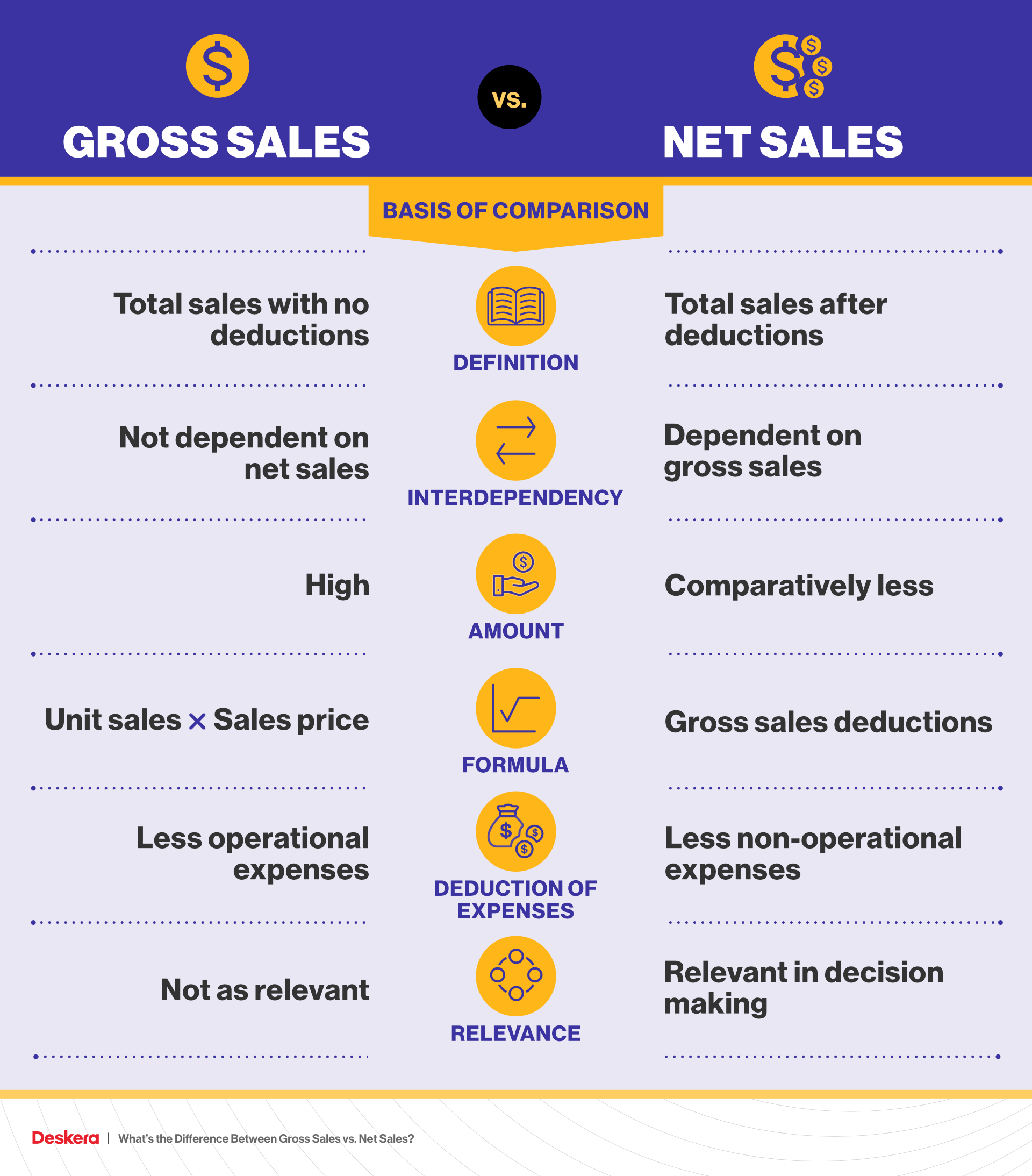
Gross refers to the total or overall value of advertising and media placement. Specifically, it generally refers to the total amount of advertising costs and agency fees. When placing an ad, the advertising agency receives a certain percentage as a commission for placing the ad. Therefore, gross represents the total amount of advertising costs that advertisers actually pay.
Gross is used to set budgets for advertising campaigns and evaluate advertising effectiveness. Advertisers can control campaign costs and validate budgets by understanding their entire advertising spend. It is also an important metric for media companies and advertising agencies to evaluate profitability and campaign effectiveness. Gross analysis helps optimize advertising budgets and improve
ROI
(return on investment).
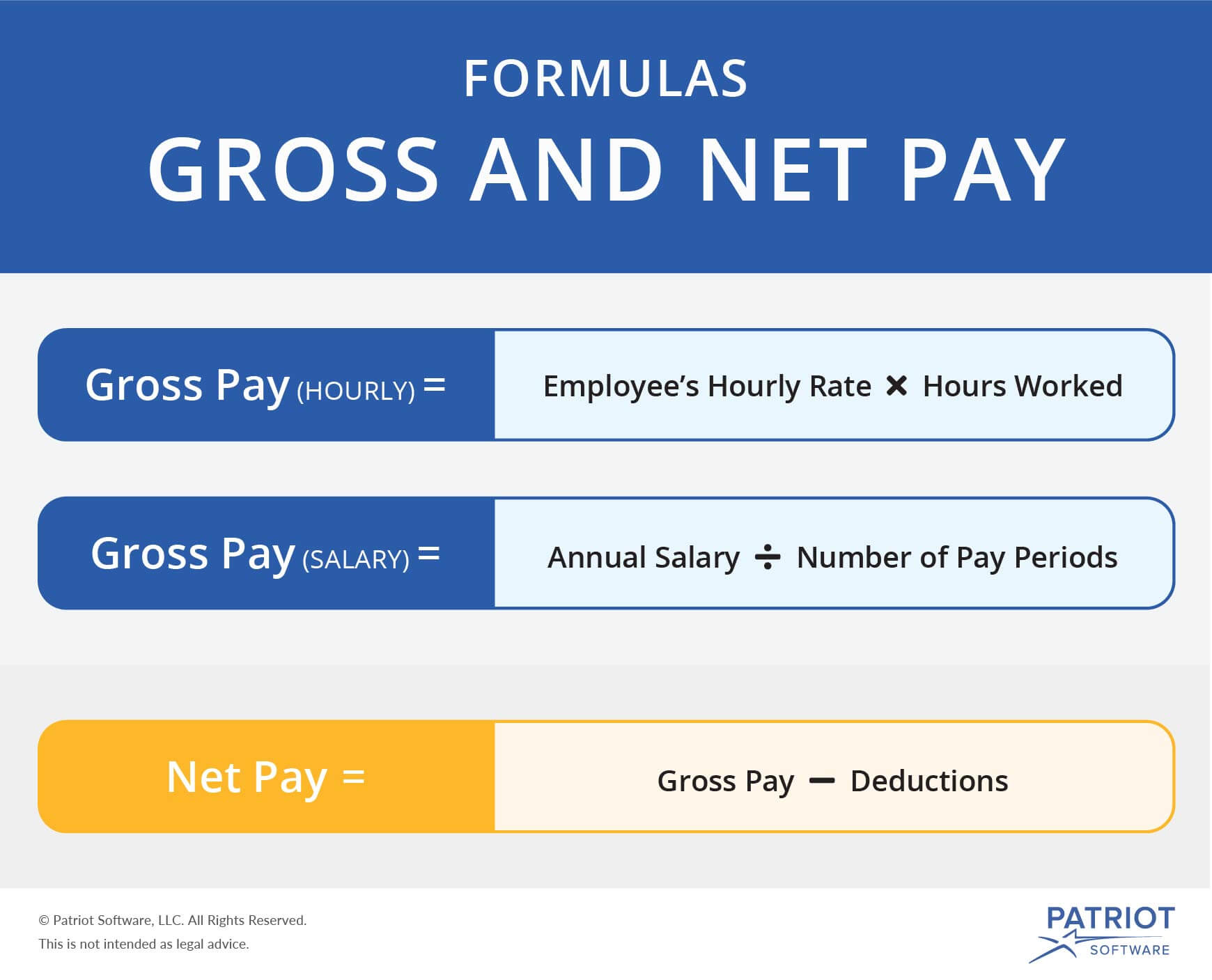
On the Internet, the actual cost is calculated by deducting commissions and discounts from the cost of advertising costs.
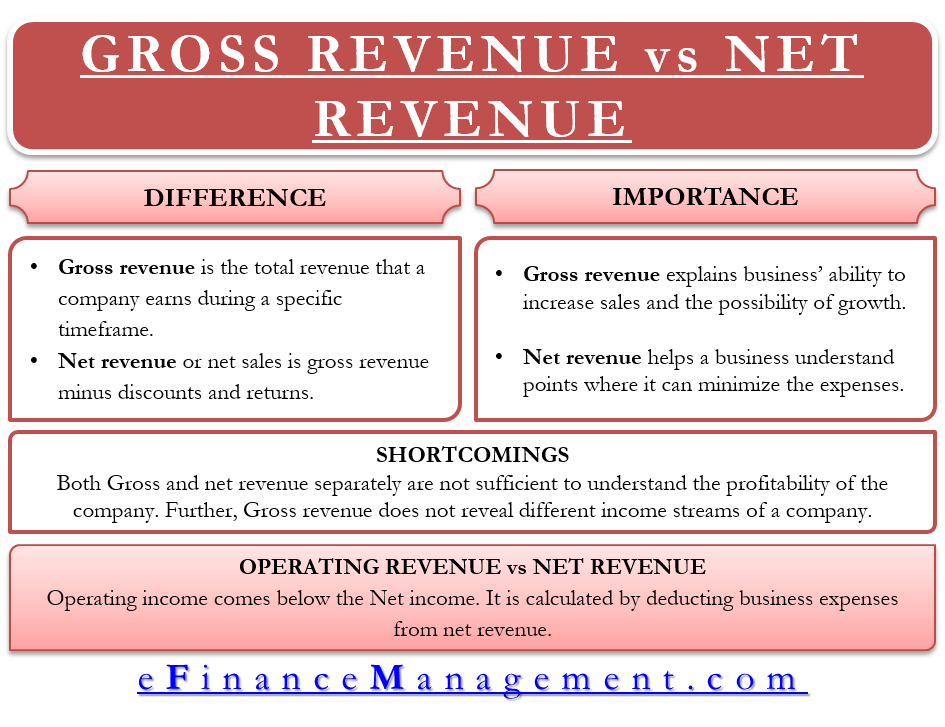
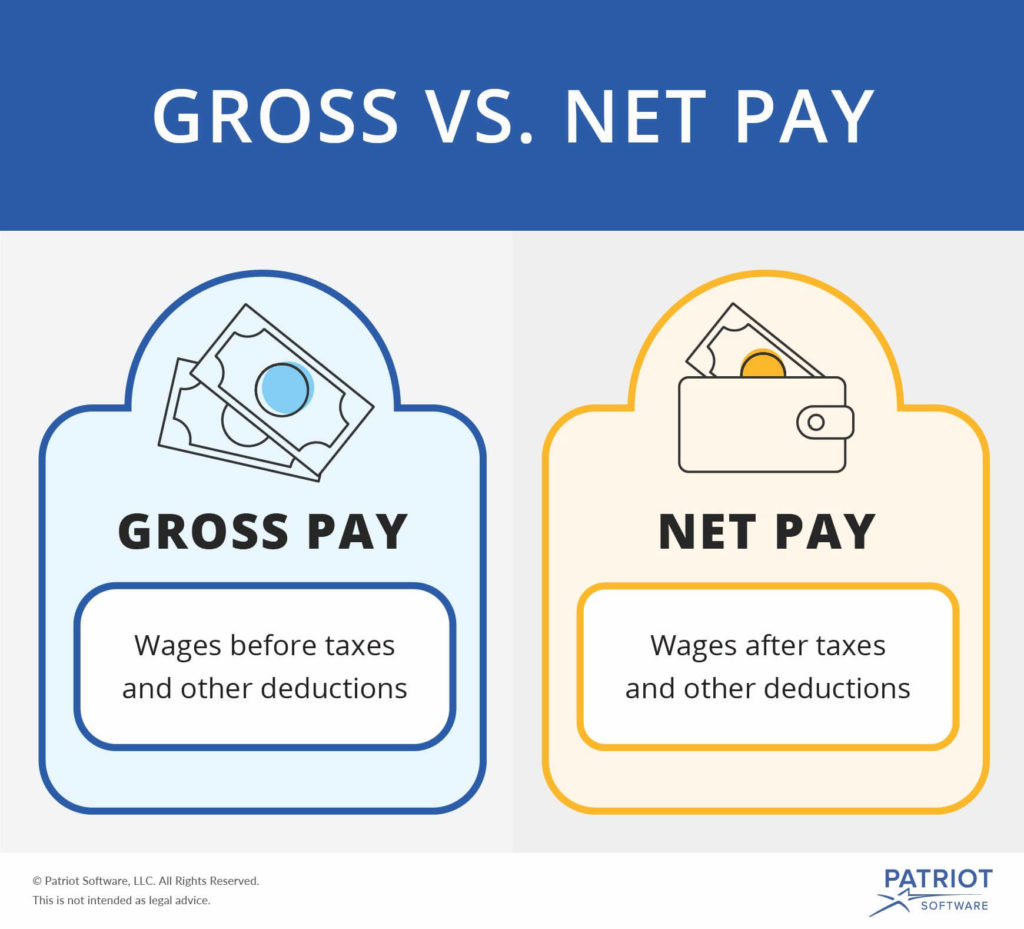
On the other hand, net refers to the net total or final value, which is obtained by subtracting fees and other factors from the gross. Specifically, it is the actual cost of advertising minus commissions and discounts. Since it represents the amount that advertisers should actually pay, it plays an important role in evaluating advertising effectiveness and managing budgets.
By understanding the actual payment amount after subtracting commissions and discounts from advertising costs, it is possible to accurately measure the cost effectiveness and ROI of advertising. The Internet allows you to obtain more specific information when formulating
marketing strategies
and allocating budgets that take into account revenue and profits.
It is also used in the real estate industry and golf.
Grossing and netting are used in the business field, but they can also be used in non-business situations as well. It is mainly used in the real estate industry and golf.
In the real estate industry, it is primarily used to express the yield of real estate investments. Gross means surface yield, and net means real yield. The surface yield is simply the annual rental income divided by the property purchase price. However, when actually investing in real estate, there are expenses such as real estate brokerage fees, fixed asset taxes, and repair costs. The real yield is calculated by taking these costs into account.
In the real estate industry, it is also sometimes used to indicate the area of a rental office. Net area refers to the contracted area, which is the area that can actually be used as an office. Gross area refers to the entire area including entrances, elevator halls, hallways, toilets, etc.
In golf, it is used to indicate a score. Gross means the total score when you hole out, and net means the score obtained by subtracting the handicap from the total score. In golf, handicaps are sometimes set to compensate for the differences in ability between players. For example, if Mr. A, who has golf experience, has a handicap of 10 and a gross of 90, his net is 80. On the other hand, if Mr. B, who has no golf experience, has a handicap of 25 and a gross of 110, the net will be 85 and Mr. B will win.

What is the highly relevant “margin”?
Gross and net are often used to express fees in the marketing industry, but “margin” is closely related to gross and net.
advertising agency fees
Margin is the commission that the agent receives. Advertising agencies perform a variety of tasks as intermediaries between advertisers and media companies. You will be responsible for a wide variety of tasks, including planning and designing advertising campaigns, selecting and negotiating media, and producing and distributing them. In return, we receive a commission, and this commission becomes the margin.
Importance of margin and influencing factors
The advertising costs paid by advertisers include commissions to agencies, so accurately understanding these commissions is important for measuring effectiveness and managing budgets.
Margin percentages are determined by contract and negotiation, but generally percentages can vary depending on market and industry standards. 20% is common in some industries, but the percentage may be lower in cases of high competition or large campaigns. Many factors influence the percentage, including the agency’s performance and reliability, the quality of service provided, and the balance between market demand and supply. Other influencing factors include the size, budget, and duration of the advertising campaign.
Three calculation methods

The relationship between gross, net, and margin can be shown using a formula. The calculation formula is as follows.
Gross (billed amount) = Net (advertising cost) + Margin (advertising cost x commission ratio)
For example, if the margin rate is 30% and the advertising cost is 1 million yen, the calculation formula is as follows.
1 million yen + 300,000 yen = 1.3 million yen
Why gross and net are used
Advertising costs are expressed using gross and net, but why are they used in calculations? The purpose of this is to align the perceptions of advertising agencies and clients.
To align advertising costs between advertising agencies and clients
The use of gross and net has become important to ensure alignment between agencies and clients. Agencies and clients work together to plan and execute advertising campaigns, but sometimes there can be misunderstandings about costs.
Advertisers want to have a clear understanding of their advertising costs. However, due to agency fees, discounts, fluctuations in media costs, etc., it may be difficult to accurately determine the advertising costs to be paid. This is where the concept of the net plays an important role. By showing the correct amount to pay for advertising costs, advertisers can have more concrete numbers when managing their advertising campaign budgets and reimbursing expenses.
It is also important for advertisers to understand the agency’s revenue structure and have a clear agreement on margin percentages and how they are calculated. This allows advertisers to more accurately manage their ad campaign budgets and reimburse expenses.
To ensure that there are no discrepancies regarding margins
Agencies invest a lot of resources into planning and running advertising campaigns and receive commissions in return. Advertisers should have a clear agreement on margin percentages and how they are calculated to avoid conflicts between the two parties.
Transparency and trust are key elements in building long-term partnerships between agencies and advertisers. Agencies need to maintain transparent communication with advertisers about setting and changing percentages while ensuring legitimate revenue. This will allow for clean contracts and transactions, which will likely lead to better advertising results.
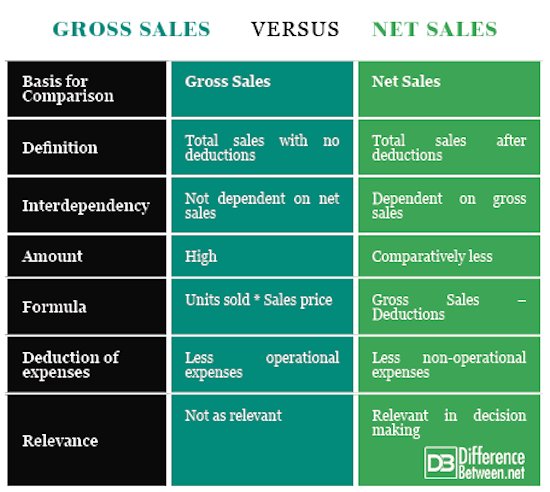
Calculation method for net denomination and gross denomination
As explained, the net plus the margin is the gross, which is the final fee you have to pay. However, the amount of this fee varies depending on whether it is an “online transaction” or a “gross transaction.”
Net denominated (assuming a margin rate of 20%)
In the case of net denominations, if the net is set at 800,000 yen, the margin rate will be applied to this 800,000 yen. Therefore, the margin is 160,000 yen.
In other words, net: 800,000 yen, margin: 160,000 yen, gross: 960,000 yen.
Gross denominated (assuming 20% margin)
If gross denominated, the margin rate will be applied to the gross. Therefore, if you set the gross as 1 million yen, a 20% margin rate will be applied to this 1 million yen, and the margin will be 200,000 yen.
If the net price was set at 800,000 yen, the margin would be 200,000 yen, resulting in a total gross of 1,000,000 yen. If you compare it with the net price mentioned earlier, the net price is the same at 800,000 yen, but the overall difference is 40,000 yen.
Things to keep in mind when dealing with advertisements: gross and online
Here, we will explain the things to keep in mind when dealing with advertisements on the internet and on the internet. By taking precautions, you can prevent unexpected losses. Mainly keep the following points in mind:
It is easier to clarify costs when building online.
An online advertising cost calculator shows the actual cost after subtracting agency fees and discounts from the cost price. This method helps advertisers clearly understand their advertising costs, provides a detailed breakdown of advertising costs, and allows for effective budget management and expense reimbursement. Advertisers can also evaluate advertising effectiveness and profitability based on net-based costs.
When making a request to an advertising agency, check which one it will be.
When entrusting an advertising campaign to an advertising agency, it is important to be clear about whether gross or net calculation methods will be applied. There may be cases where the calculation method differs depending on the agency, so it is necessary to thoroughly discuss and reach an agreement before making a request.
With gross, the agency’s commission is included in the calculated cost, so you pay based on your total ad spend. On the other hand, if you use the internet, you will pay the cost before any fees or discounts are deducted.
Which calculation method is best for you may vary depending on the nature of your advertising campaign and your budget. For example, if you have a limited budget or require effective management of advertising costs, online advertising will allow you to more clearly understand costs. On the other hand, if you need comprehensive agency services and assistance with advertising operations, Gloss may be a better choice.
Calculate CPA for both.
CPA is a metric that shows how much advertising costs an advertiser to achieve a specific goal. Also called “cost per customer acquisition” or “cost per result.”
For example, if your ultimate goal is
through your website, CPA can be calculated using the formula: “total cost ÷ number of conversions.” If you spend 200,000 yen on advertising and get 100 conversions, your CPA will be 2,000 yen. In this case, unless the product unit price is over 2,000 yen, it will be in the red. The lower the CPA, the more effective the advertising, which means that you were able to acquire customers with lower advertising costs. The cost of advertising needs to be lower than the amount of effectiveness brought about by the advertisement, so advertisers need to measure CPA and thoroughly evaluate cost-effectiveness.
When calculating CPA, it is useful to calculate it from both a gross and net perspective. Gross CPA is used to evaluate the cost-effectiveness of your overall advertising spend. On the other hand, online CPA is used to evaluate the cost-effectiveness of the actual cost of advertising minus commissions and discounts.
Calculating CPA from both perspectives will give you more specific information to effectively manage your advertising spend and allocate your budget. Furthermore, it will be useful information when communicating with agencies and setting performance fees.

What will happen if we don’t consider gross and net?
Failure to consider gross and net selection criteria when planning your advertising can lead to unexpected problems. This section explains the main problems and points to be noted.
The cost exceeds the expected cost
The calculation methods for advertising costs are different between gross and online, so if you make the wrong choice, you may end up exceeding your expected costs. Gross costs include agency fees and production costs, so the final cost will be higher. On the other hand, online campaigns only evaluate costs, so you can run campaigns within your budget.
If you are on a budget or want to effectively manage costs, it is important to consider two selection criteria to accurately estimate costs. By making the right choices, you can reduce the worry of going over budget and maximize the effectiveness of your campaign.
Even if they look like the same estimate, there are differences.
Two estimates may look the same on the surface, but there are differences in reality. As mentioned above, the gross includes agency fees and production costs, so you need to understand the exact breakdown of the estimate. On the other hand, online estimates are only based on cost, which increases the clarity and transparency of estimates.
Even if the estimates appear to be the same, the services and costs included may vary between the two choices. By focusing on communication with your agent and checking the details of the quote, you can apply the appropriate selection criteria and avoid unexpected cost increases and troubles.
Make sure to coordinate well with advertising agencies
For a campaign to be successful, solid coordination with the agency is necessary. Below, we will explain its importance and specific points.
Coordination with the agency is important in order to clarify elements such as the campaign purpose,
targets
, budget, and schedule before and after implementation. First, let your agency know the purpose of your campaign. This allows agencies to select appropriate media channels, advertising formats, and develop strategies.
Next, share information about your campaign with your agency, such as your target audience and competitor trends. This allows agencies to more effectively target and design messages to maximize campaign results.
It is also important to coordinate with the agency regarding budget and schedule. You will need to work with your agency to select the appropriate media channels and advertising formats based on your campaign budget and allocate your costs effectively. In addition, by properly managing the campaign schedule, it is possible to deploy it as planned and measure its effectiveness.
Types of advertisements and average costs
Advertising is an important element of business and marketing strategies, and in order to develop effective advertising, it is necessary to understand the characteristics and average costs of various types of advertising. Below, we will explain the characteristics and average costs of the main advertising media: magazine ads, newspaper ads, web ads, and TV ads.
magazine advertisement
Magazine advertising is a medium that allows advertisements to be targeted to specific reader groups. Magazines have different readerships for each category, so it is important for advertisers to select magazines that suit their target audience. In general, advertising fees for popular magazines and specialized magazines vary depending on the magazine’s popularity and influence.
Magazine ad costs vary depending on ad size, page position, publication period, etc. Generally speaking, a small advertisement can cost from tens of thousands of yen to several hundred thousand yen, and a large advertisement or cover advertisement can cost several million yen or more. Additionally, costs tend to increase when demand for a particular issue or special issue is high.
newspaper advertisement
Newspaper advertising is a medium that can effectively transmit information to a region or a specific readership group. Advertising exposure and costs vary depending on the newspaper’s circulation, regional coverage, day of the week, etc. In particular, there are differences between national and local newspapers, and differences in pricing between weekdays and weekends.
The cost of newspaper advertisements is determined by the size, position, use of colors, and number of days the advertisement runs. Generally speaking, full-page advertisements and large advertisements often range from several hundred thousand yen to several million yen, while small advertisements range from several thousand yen to tens of thousands of yen.
Web advertising
Web advertising is a method of delivering advertisements through the Internet and is one of the main forms of modern advertising. Web advertising has access to a wide range of audiences, allowing for effective targeting and measurement of advertising effectiveness.
The cost of web advertising varies depending on the format of the ad, the delivery method, and
the platform
selected by the advertiser. The main cost metrics include fees for the number of clicks and impressions (CPC and CPM), and fees for the advertising period (fixed costs and monthly fees). Additionally, advertising on popular websites and major platforms tends to be more expensive.
The price range for web advertising is extremely wide, and can accommodate a variety of budgets from small advertisers to major companies. The general market price is from a few yen to several tens of yen for CPC advertising, and from a few tens of yen to several hundred yen for CPM advertising, but costs may fluctuate as demand increases or competition intensifies.
tv advertising
Television advertising is the most well-known and influential medium in the advertising industry. Television is a powerful tool for reaching large numbers of people, allowing advertisers to reach a wide audience. The cost of TV advertising varies depending on the time of broadcast, broadcast station, popularity of the program, etc.
The cost of TV advertising is determined by the length of the ad, broadcast time, audience rating, broadcasting station, etc. The general market price is from several hundred thousand yen to several million yen for advertisements lasting from a few seconds to several tens of seconds. Additionally, costs tend to increase, especially during highly rated shows or special events.
summary
In this article, we explained the difference between gross and net, the relationship with margin, and how to calculate gross and net.
When operating advertisements using an advertising agency, it is important to understand the meanings of gross, net, and margin. If there is a difference in understanding between gross and online advertising, there is a risk that there will be a big difference in billing amounts, or that advertising costs will be higher than expected.
There are big differences in the advertising fees paid by advertisers and the margins received by advertising agencies depending on the contract type, whether it is a gross transaction or an online transaction. When proceeding with an advertising contract, be sure to clarify which form the contract will take, and be careful to avoid any misunderstandings.