

By using
a platform
(CMS), you can easily create and update owned media without having to ask a specialized production company.
Utilizing a platform (CMS) is essential for owned media, where speedy information dissemination is an important point.
This time, we will explain a platform (CMS) that is convenient for operating owned media.
What is the platform (CMS)?
CMS
is an abbreviation for Contents Management System, and it refers to a platform designed for content management.
Creating or updating content requires knowledge and skills in
HTML
,
CSS,
etc., and it is a task that requires time and resources, such as creating text, images, links, and other items that make up the content.
A platform (CMS) is a tool that systemizes work that requires specialized knowledge, and allows anyone to easily create and update content.
Platforms (CMS) are evolving to the point where it is now possible to manage content without relying on a content production company.
This reduces the amount of time it would take to coordinate the personnel in each department within the company when outsourcing a request to a production company, and the amount of time it would take to make adjustments to estimates to the production company. Updates will be possible.
Platform (CMS) type
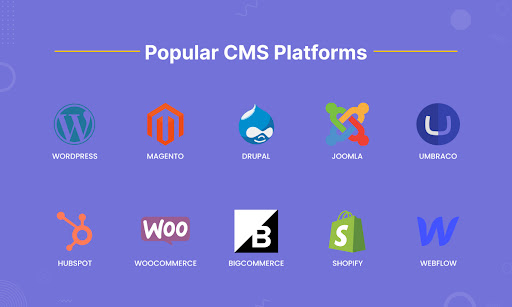
Platform (CMS) has been proposed by many companies around the world.
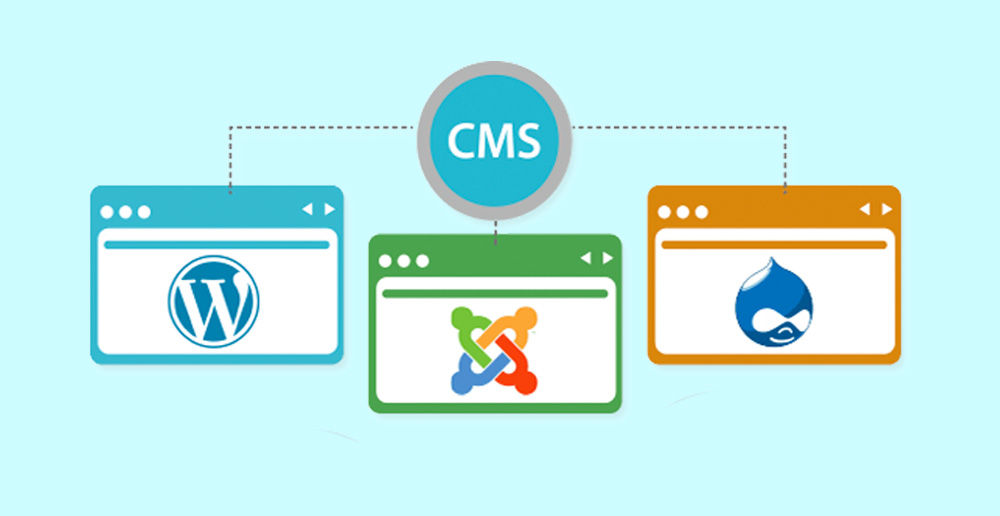
The most famous platform (CMS) among them is
WordPress
.
Other well-known examples include “Joomla!”, “Drupal”, and “Jimdo”.
Five benefits of introducing a platform (CMS) for owned media operations
Adopting a platform (CMS) for owned media operations offers several innovative benefits.
Work can be done easily
One of the biggest advantages of adopting a platform (CMS) is that it makes work easier.
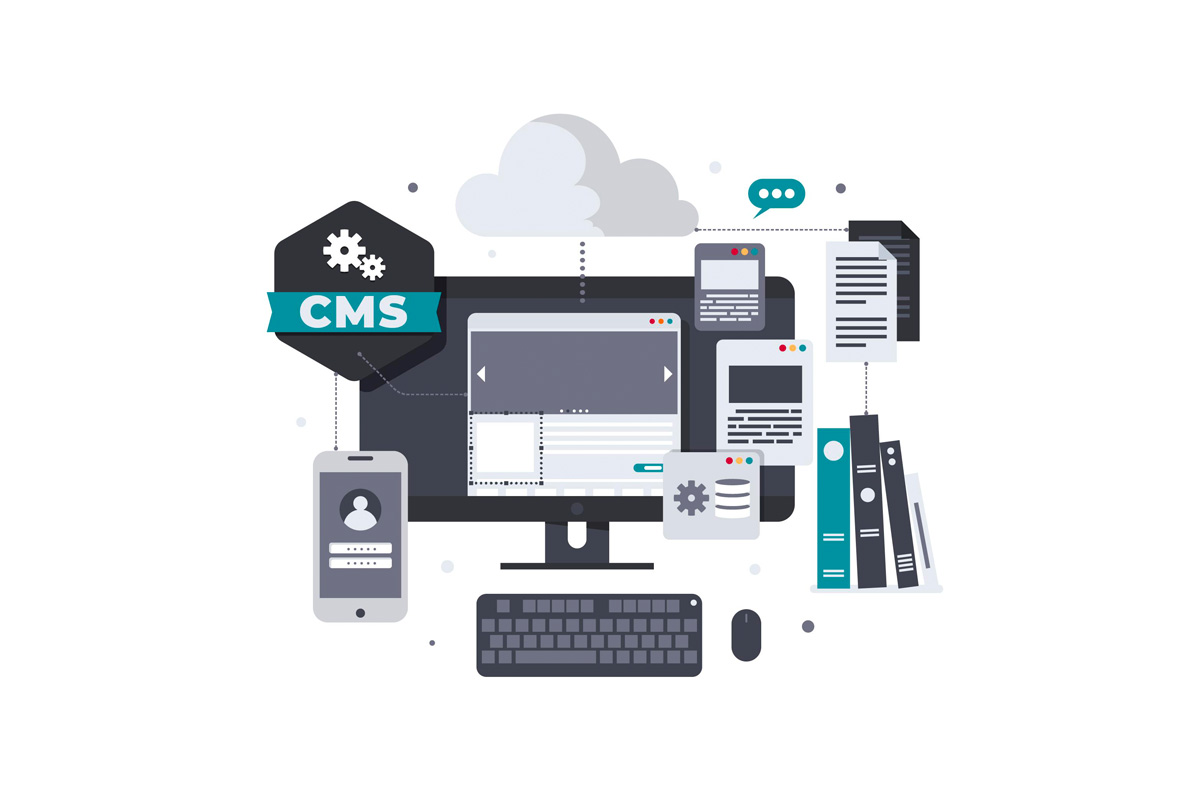
Platforms (CMS) are systems that evolved rapidly in the 2000s, and before that, operating owned media required knowledge and skills in HTML, CSS, servers, etc.
The platform (CMS) systematizes parts that require specialized knowledge and skills with simple operations, and allows anyone with basic computer skills to create and edit content.
Platforms (CMS) have made it possible for anyone to easily operate owned media, which previously could only be operated by production companies and specific employees.

By making it easier to create and update owned media, it has dramatically sped up the creation and updating of owned media, increasing its value as a business tool for corporate management.
SEO measures made easy
SEO
measures are important when operating owned media, but you can easily optimize many settings that increase SEO effectiveness, such as title tags and meta description tags.
*For information on title tags and meta description tags, please see
“How to create a title” and “How to write a description,” which are important for SEO measures.”
Easy to link with SNS
Collaboration with SNS such as Facebook, Twitter, and Instagram is becoming increasingly important in the management of owned media.
Using a platform (CMS), you can set a Facebook “Like” button or Twitter “Tweet” button on your content.
It is easy to link owned media with the SNS operated by a company, and there are also platforms (CMS) that have the ability to automatically post updated content of owned media to Facebook and Twitter.
Can reduce costs
If you hire a production company to manage your own media, you will incur significant costs. You can reduce costs by using a platform (CMS) to operate your business in-house.
Easy to manage resources
Owned media management without a platform (CMS) requires knowledge and skills in HTML, CSS, servers, etc., so the number of people in charge is limited.
For example, if there is only one person in charge of operating owned media, the work will be concentrated, and the risk of sick leave or resignation will be extremely large.

By adopting a platform (CMS), multiple people with basic computer skills can perform tasks such as updating and editing, reducing risks.
It is also possible for practitioners in each department within the company to directly create specialized content.
Some platform (CMS) plans include a function to specify the authority of the person in charge, so it is possible to check according to authority when creating content.
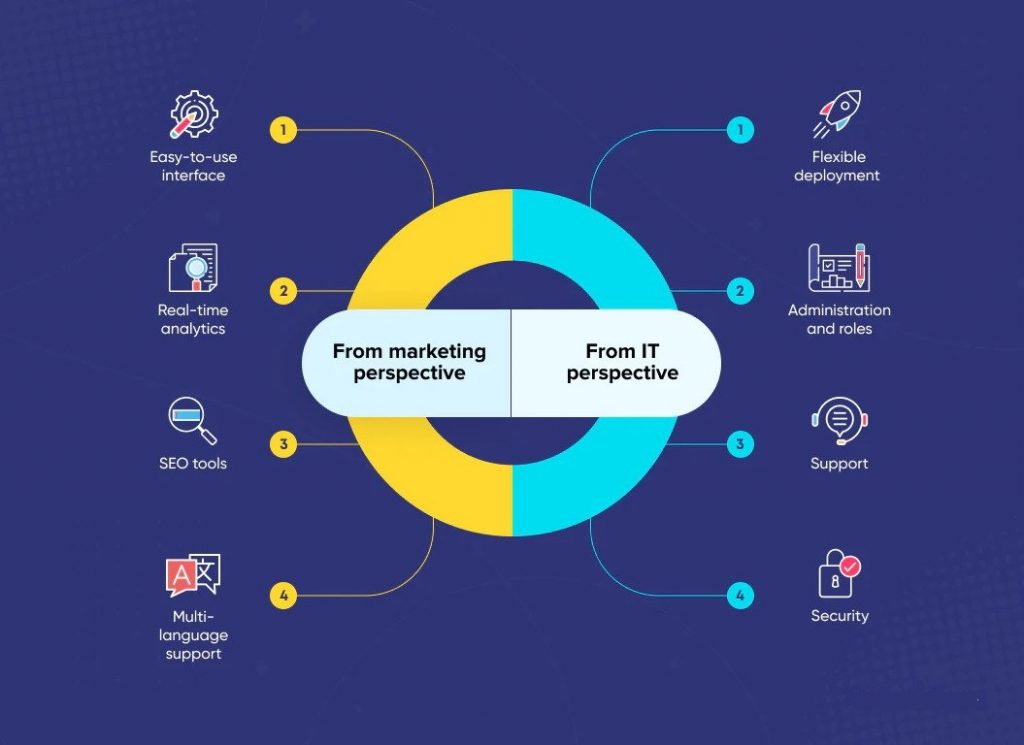
Platform (CMS) features
The platform (CMS) has a number of features, and new features are constantly being added.
Typical functions are as follows.
- Simplify the way you input text and images
- Pages of various designs, colors, and configurations can be adopted with a single touch.
- Record management such as content update history
- Manage page public/private with one touch
- Specify update date and time
- Specifying agent privileges
summary
◆ CMS is an abbreviation that stands for Contents Management System, and is a platform designed for content management.
◆ Introducing a platform (CMS) for the operation of owned media will allow you to “make work easier,” “easy to implement SEO measures,” “easy to link with SNS,” and “can reduce costs.” You can enjoy the five benefits of “easy resource management”