

“STP analysis” is often used in the business world when considering
marketing strategies
.
In order for a company to effectively utilize its strengths and survive in a harsh environment, “STP analysis” analyzes which markets and specifically what kind of value should be provided in order to develop business. is a major point in marketing strategy.
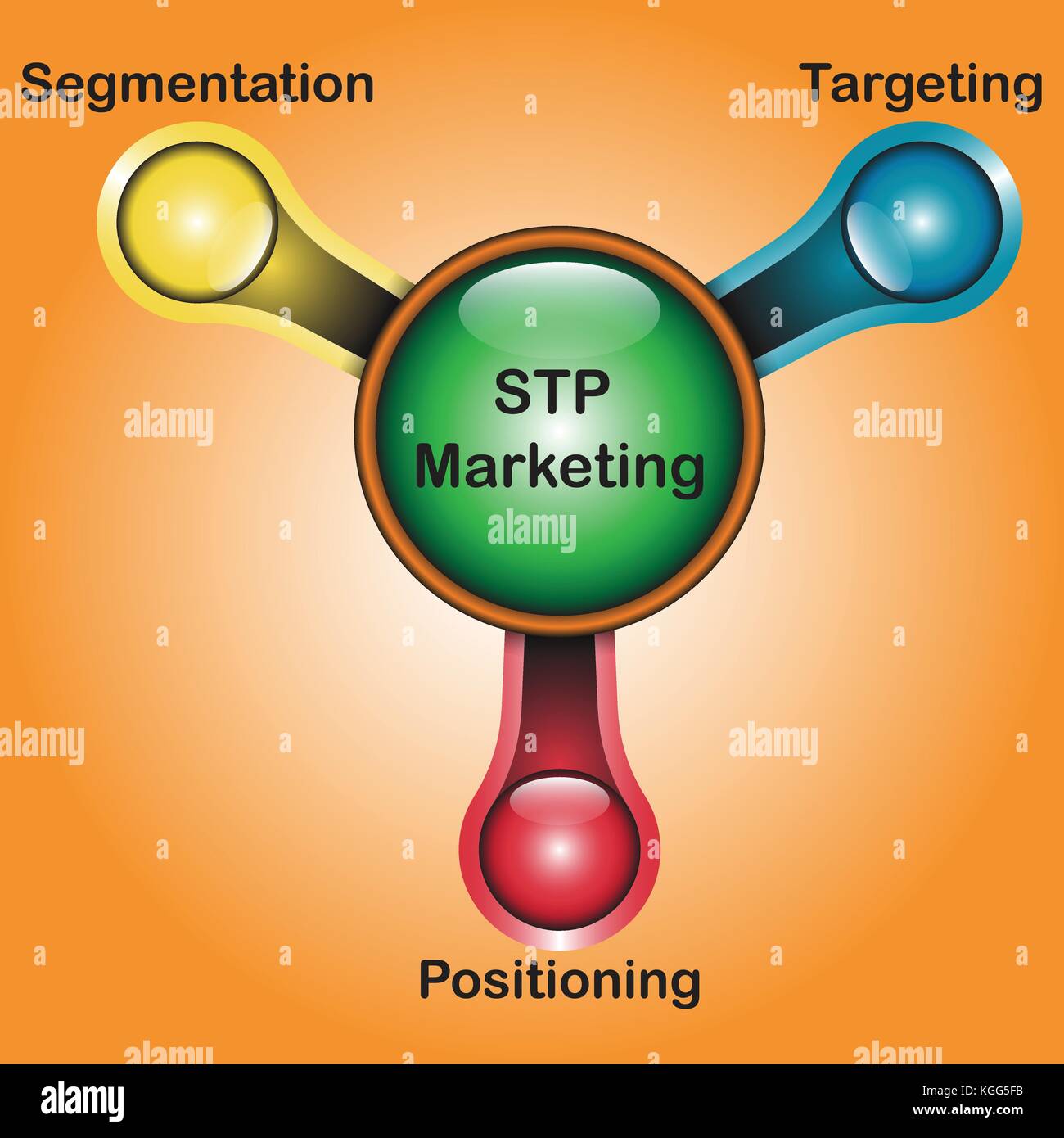
For marketing beginners who don’t quite understand what kind of analysis STP analysis is or why it is needed, this time we will explain everything from the basics of STP analysis to why STP analysis is necessary. We will explain it clearly with examples.
Philip Kotler’s STP Analysis
Looking back at the history of
marketing
, we can see that the scale and concept of marketing has changed over time.
Marketing 1.0 is an idea that was centered around the 1900s.
This is a marketing concept that is so-called product-centered (product-out), and is a method of expanding while developing sales centered on the product, including product, cost, and promotion.
In order for Marketing 1.0 to be effective, a certain level of economic growth is required, and its benefits were demonstrated in times when demand exceeded supply, such as during the era of high economic growth, and it achieved great success as a result. However, as the late 1900s entered a recession and demand slumped significantly, it became less effective.
We have entered an era where supply exceeds demand and products are not selling well. As a result, a new marketing plan has taken shape.
What was born at that time was Marketing 2.0, a so-called consumer-oriented (market-in) concept that is still at the center of market strategy approaches today.
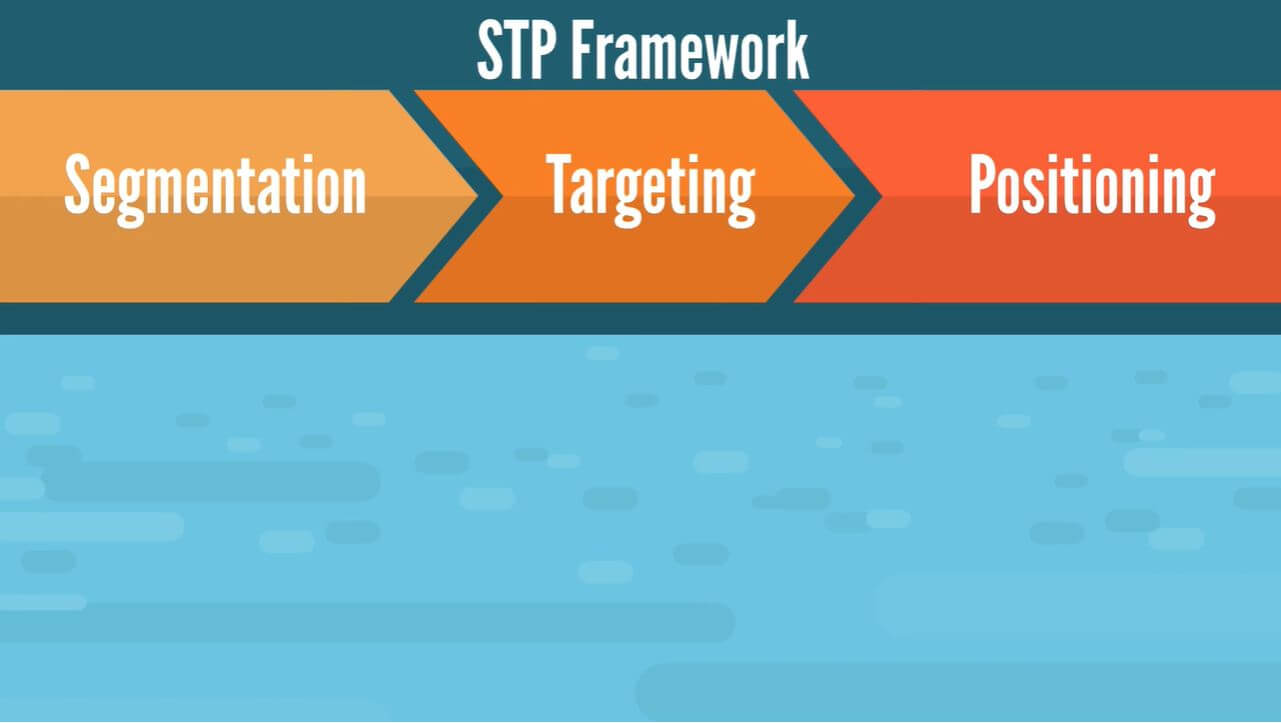
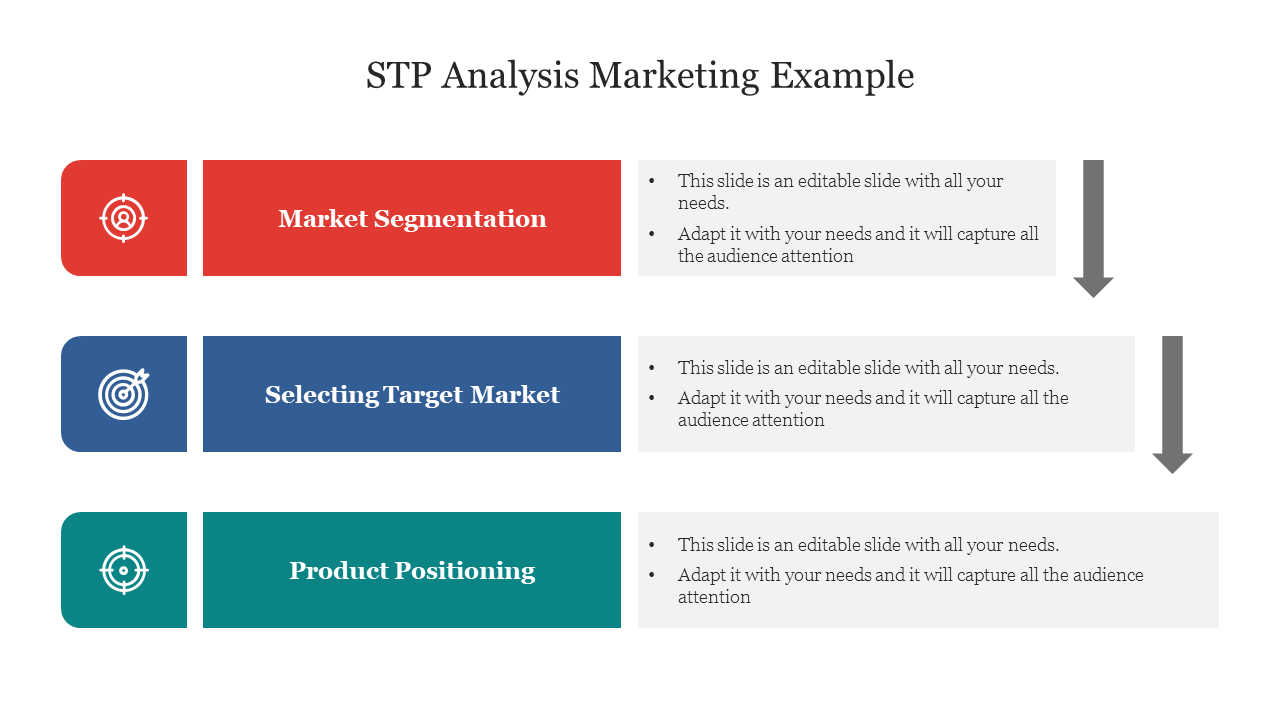
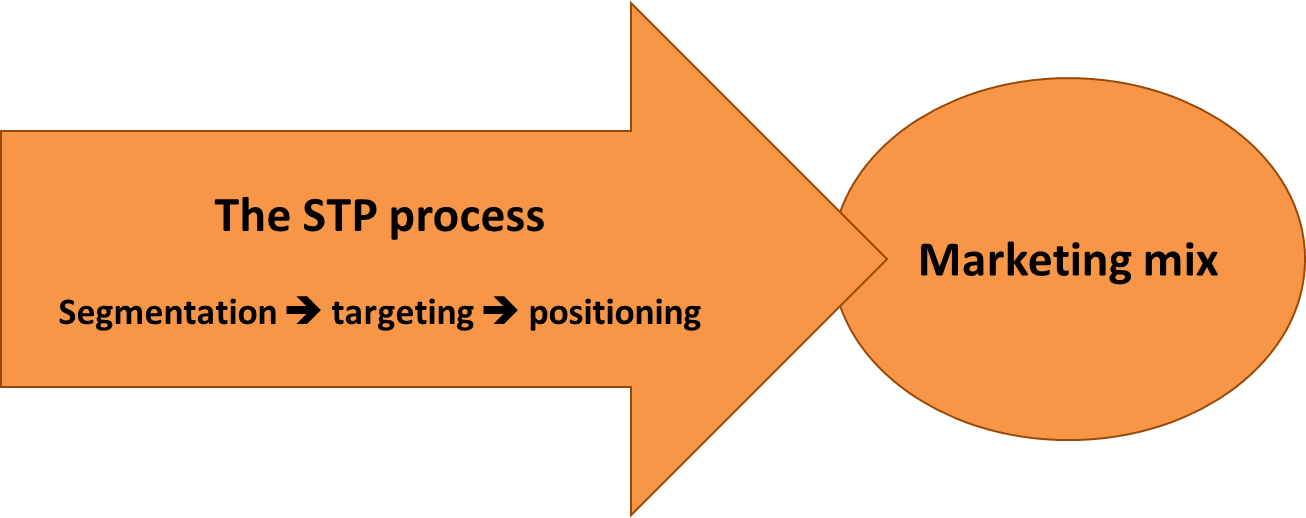
STP analysis is a method for making Marketing 2.0 a success, and is a marketing method that many companies use as their basic strategy.
*Currently, Marketing 3.0, which incorporates new ideas such as creating a better society, is gradually spreading.
STP analysis is a framework proposed by
Philip Kotler
, an authority on marketing theory, and can be said to be the three essential elements for successful marketing 2.0 consumer orientation.

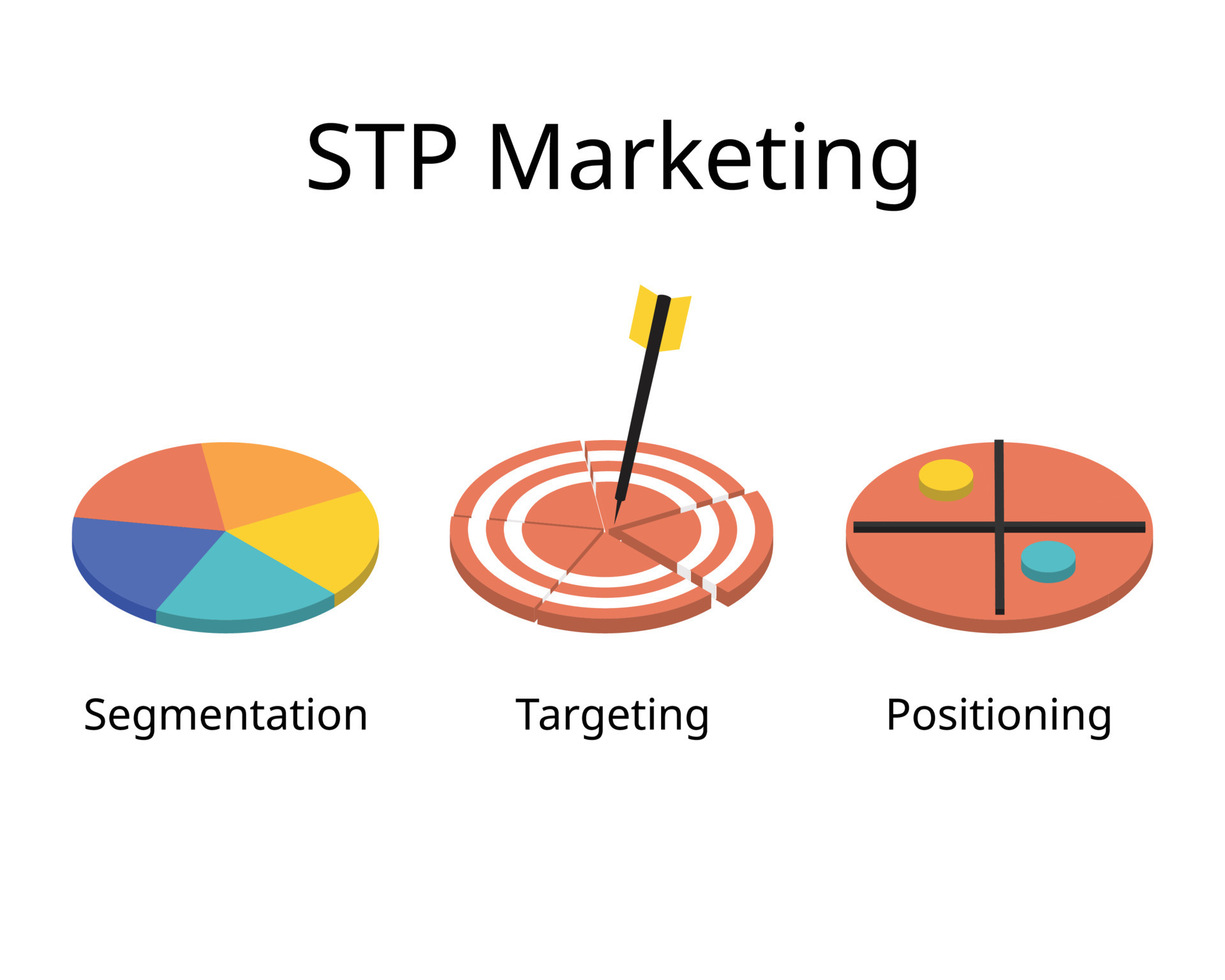
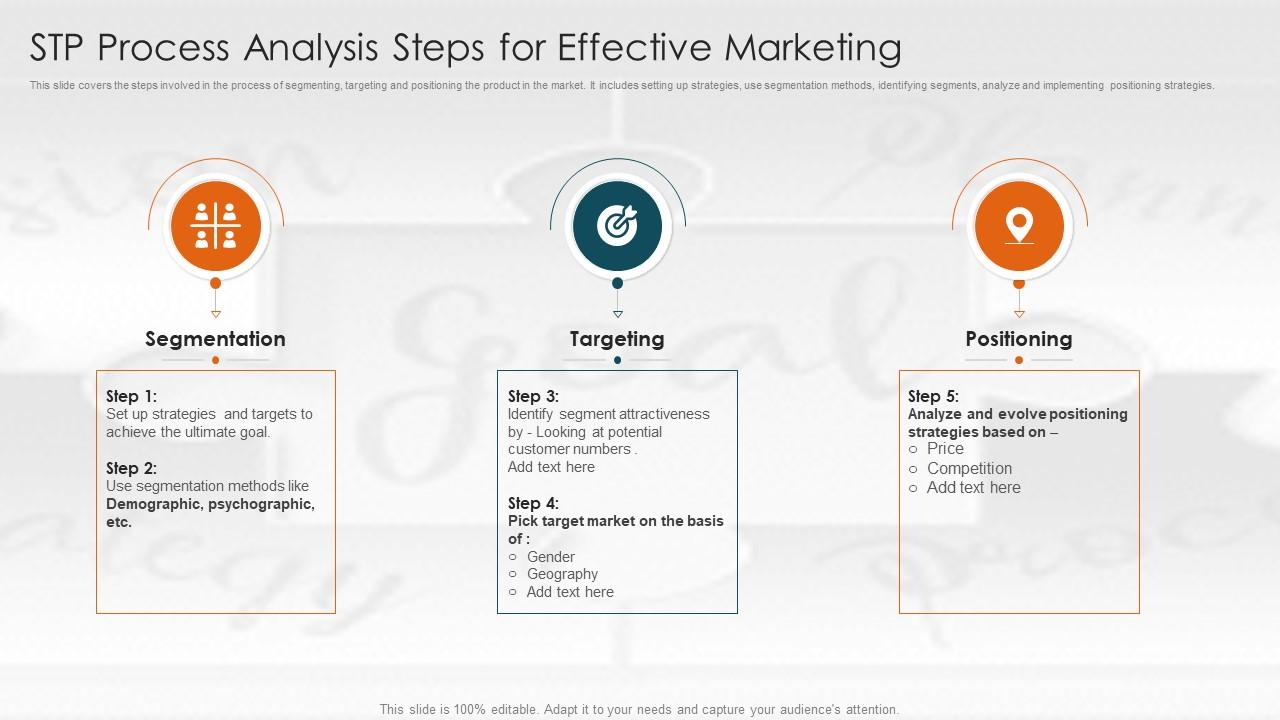
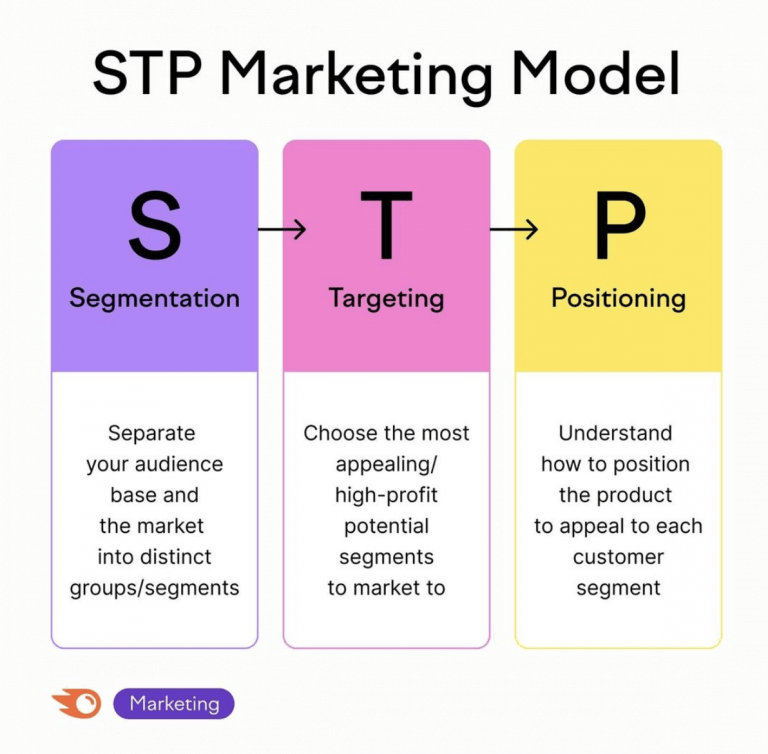
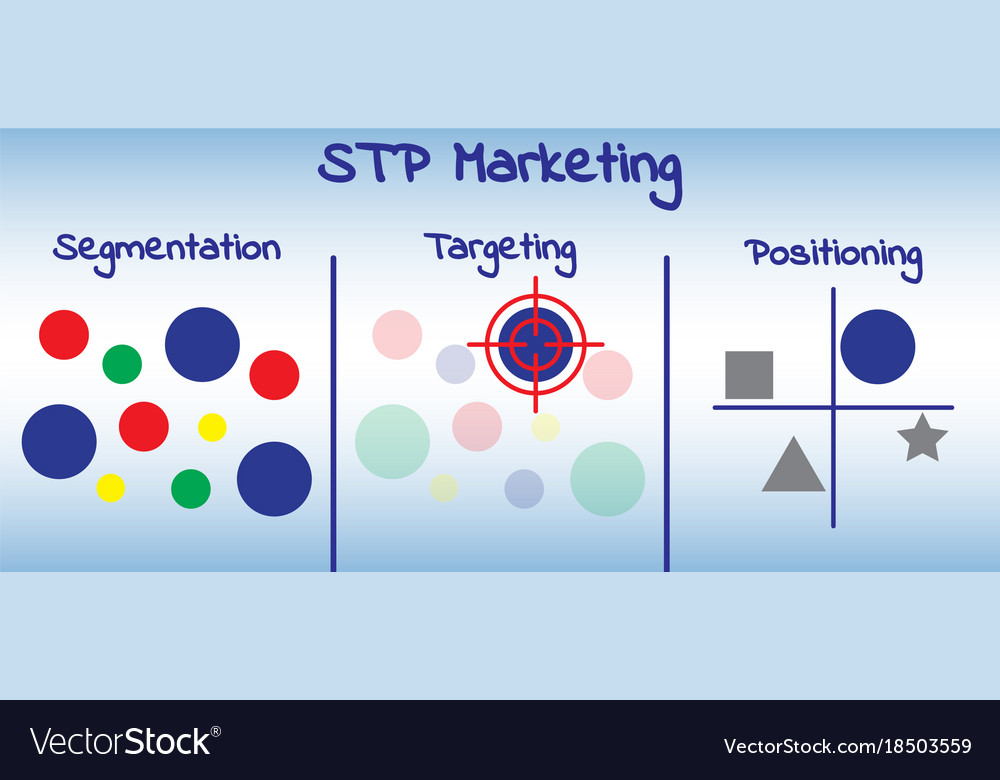
S・Segmentation (segmentation) “market segmentation”
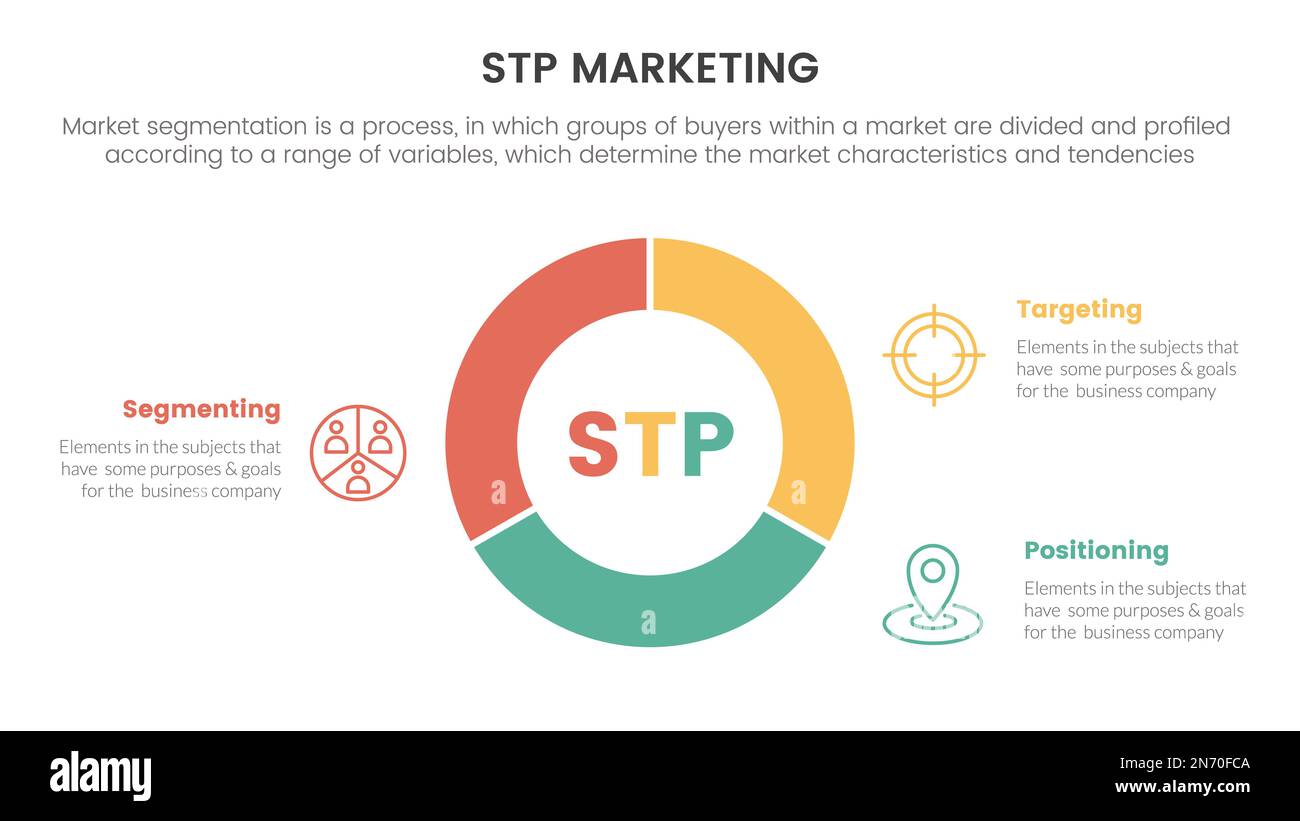
T.Targeting: “Determining the target segment”
P・Positioning (positioning) “Determining the company’s position in the target segment, segmentation”
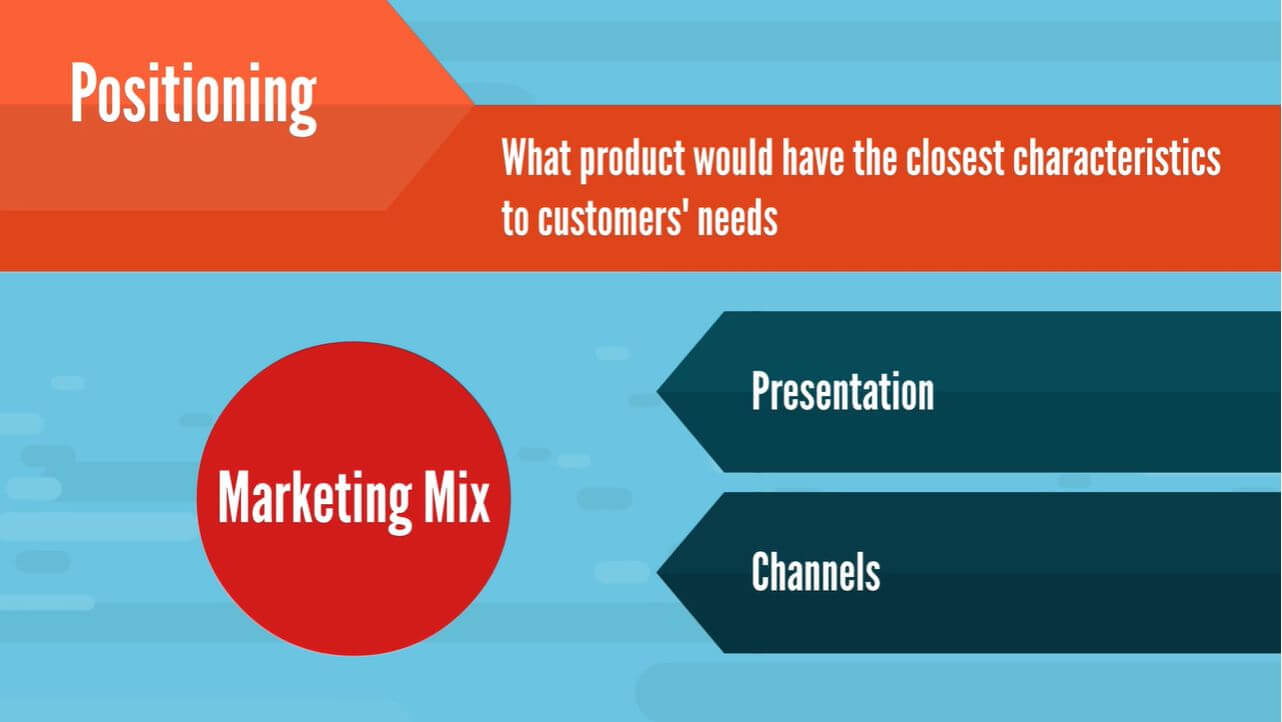
These acronyms can be said to be an indispensable task for marketing, which can effectively increase the sales of products and services by accurately analyzing each of them.
Why you need STP analysis
In STP analysis, we first segment the market in order to achieve consumer orientation.
In reality, there is no rule that segmentation has to be done first, but it is important to do it first, as ensuring segmentation improves the accuracy of the next process.
When performing segmentation, the market is broadly divided into the “consumer goods market” and the “producer goods market”.
In the consumer goods market, information such as population (age, gender, family structure, etc.), geography (region, population density, culture, etc.), psychology (lifestyle, values, etc.), behavior (purchasing psychology, purchase opportunity, etc.), etc. We will subdivide using (data).
Furthermore, in the producer goods market, in addition to these variables, operating (frequency of use, customer ability, etc.), situational factors (urgency, order volume, etc.), purchasing method (purchasing policy, motivation, etc.), buyer characteristics, etc. With the addition of information (data), more accurate and precise subdivision work is required.
In addition to this, we use targeting to determine a pinpoint target segment and position our company within that segment.
By doing so, you will be able to differentiate yourself from your competitors, and by clearly segmenting your business based on your strengths and advantages, you will be able to secure demand for your products and services.
*If you would like to know more about STP analysis, please see the article below.
Terminology explanation [STP strategy]
https://www..co.jp/mk/words/stp-strategy
STP analysis success story
This is a world-famous story, but let’s start with the example of Ford and GM.
First, at a time when Marketing 1.0 was mainstream, Ford responded to consumers’ demand for “faster horses” with another product: cars.
Ford is said to have succeeded in mass producing cars by achieving high customer satisfaction by innovating to meet consumer needs.
This is a successful example of Marketing 1.0, or so-called product out.
After that, the era gradually changed to Marketing 2.0.
A great example of success is GM, which succeeded in taking over the top position in mass production of multiple models from Ford, which had been leading in mass production of a single model.
GM realized that consumer needs differ depending on income.
By mass-producing a variety of car models to meet different needs, the company was able to cater to a wide variety of segments, and was able to acquire customers in each segment.
Now let’s take an example from the copier market.
Xerox dominated the large copier market in the copier industry.
While Xerox expanded and revitalized the market as a market leader, challenger companies such as Canon and Ricoh, which followed, recognized an unexplored segment in the copier industry and succeeded in selling small copiers for small and medium-sized businesses. I got it.
If Xerox had conducted an STP analysis (or sooner), discovered the segments in which small and medium-sized businesses are located, and taken measures to address the segments that it could not cover at an early stage, Canon and Ricoh would not have been successful. Maybe.
【summary】
◆STP analysis is a framework proposed by Philip Kotler, who is considered an authority on marketing theory.
◆STP analysis is a method for successful consumer-oriented marketing.
◆STP analysis consists of segmentation, targeting, and positioning.
◆The reason why STP analysis is necessary is to ensure demand for your products and services by differentiating yourself from your competitors and creating a clear niche.