

Nowadays, we are surrounded by a huge amount of information and everything is changing rapidly, so marketing needs to be able to adapt to the trends of the times. The essential role of
marketing
has always remained the same: understanding the needs of each consumer and delivering appropriate messages. However, this approach needs to change with the times.
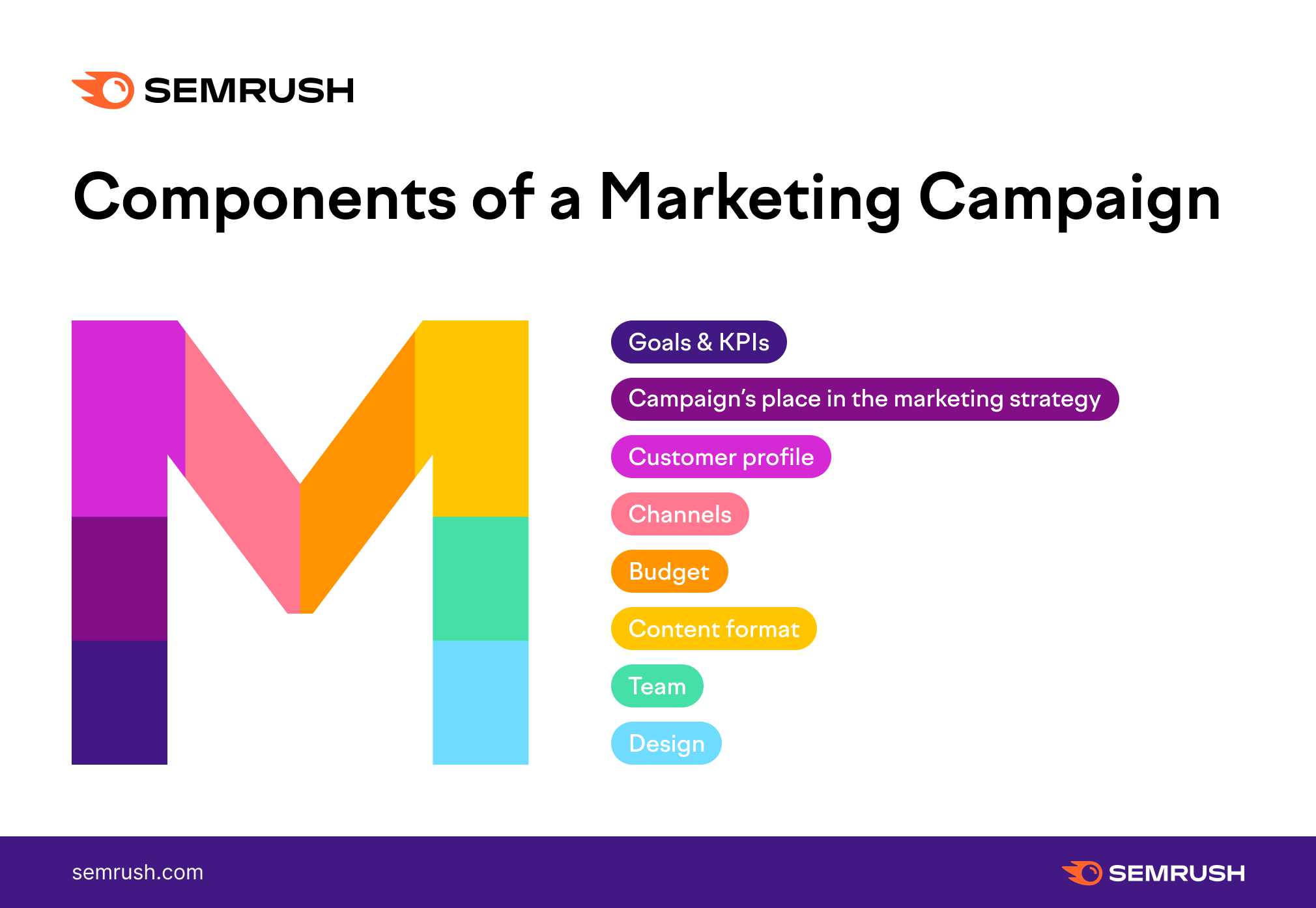
In this article, we introduce Google’s five principles for marketers to improve the effectiveness of their digital campaigns.
Principle 1. Always think from the consumer’s perspective
The first principle is to always think from the consumer’s perspective.
In marketing, it is important to increase brand recognition, but what should be even more important is “Can we make people’s lives richer and more comfortable?” To do this, we must correctly understand insights, which are the latent true feelings of consumers.
Now, with the development of new digital solutions, it is now possible to quickly understand consumer interests, intentions, user demographics, and market trends. For example, if you use Google Surveys, you can immediately conduct a survey targeting a specific group, and you can limit the demographics of respondents. Additionally, “Google Trends” is a tool that allows you to check user search trends, such as what keywords are being searched during a specific period of time, and allows you to understand the news and topics that are trending in real time.

In the past, it took time to get the results after conducting a survey, and only a few samples were obtained, but with digital solutions, it is possible to quickly decipher consumer insights.
Principle 2. Understand media usage
The second principle is to understand how consumers use the media they interact with.
In the past, it was only possible to convey messages through a limited number of channels, but now it is necessary to consider which channels can most effectively reach the target.
When Google’s mobile payment app Tez was released, 350 million payments were made in a short period of time thanks to the app’s introduction campaign. Knowing that mobile is now being used more and more when making purchasing decisions, they were able to allocate their marketing budget appropriately and maximize results.
Principle 3. Personalize creatives
The third principle is to customize creativity to each consumer.
Until now, consumers were in a passive position, only receiving information from brands, but now they are in a position of taking the initiative. In marketing, it is necessary to have measures that are chosen by consumers, and to achieve this, it is necessary to customize them to meet the needs of each individual.

In order to be sensitive to the feelings of consumers, it is necessary to uncover insights that represent their hidden true feelings.

Today’s digital strategies allow us to access consumer insights in real time, allowing us to quickly understand market trends. After creating creatives for each user, you can further adjust and send out information in a timely manner.

Principle 4. Test until you are satisfied.
The fourth principle is to test and test your digital campaigns to accurately measure their success.
Now, with a variety of test distribution capabilities, you can test multiple versions of your creative to see how users respond and identify which channels are most effective before going live.
In addition, these tests can be effective not only in large-scale tests, but also in small-scale tests. By using various test distribution tools such as draft and test distribution, A/B testing by area distribution, you can prevent user lock-in and increase the possibility of delivering appealing messages.

Principle 5. Create a consistent brand story
The fifth principle is to create a consistent brand story.

Today’s users access websites and gather the information they need from a variety of platforms, devices, and screens. Therefore, depending on the touchpoint (customer contact point), it is necessary to avoid repeating the brand story or starting from the middle. You need to create a consistent brand story across all touchpoints.
But if brands, production companies, and advertising agencies are all looking in different directions, it’s impossible to build a coherent story.
Therefore, Google has introduced a creative incubator system that brings together media technology, insight, and creative experts. This means that each expert works together and works based on consistent guidelines to produce high-quality creatives.
According to Google, 80% of these collaborations lead to increased awareness of the service, indicating that they were successful in providing a compelling story.
summary
◆In order to maximize the effectiveness of marketing, marketing approaches need to change with the times.
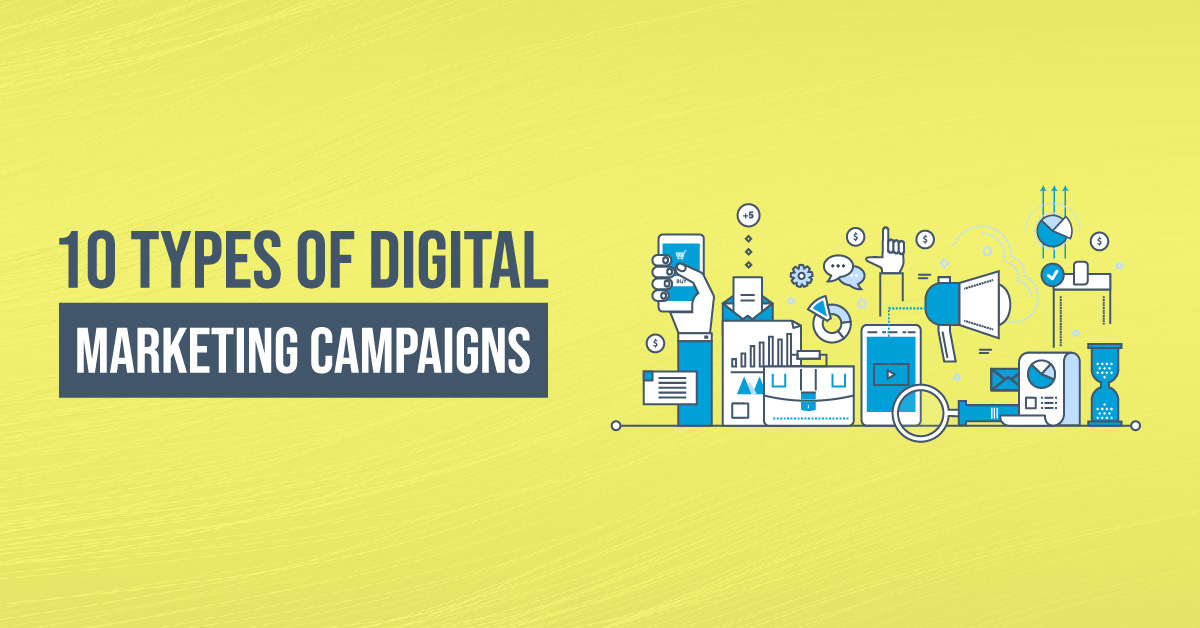
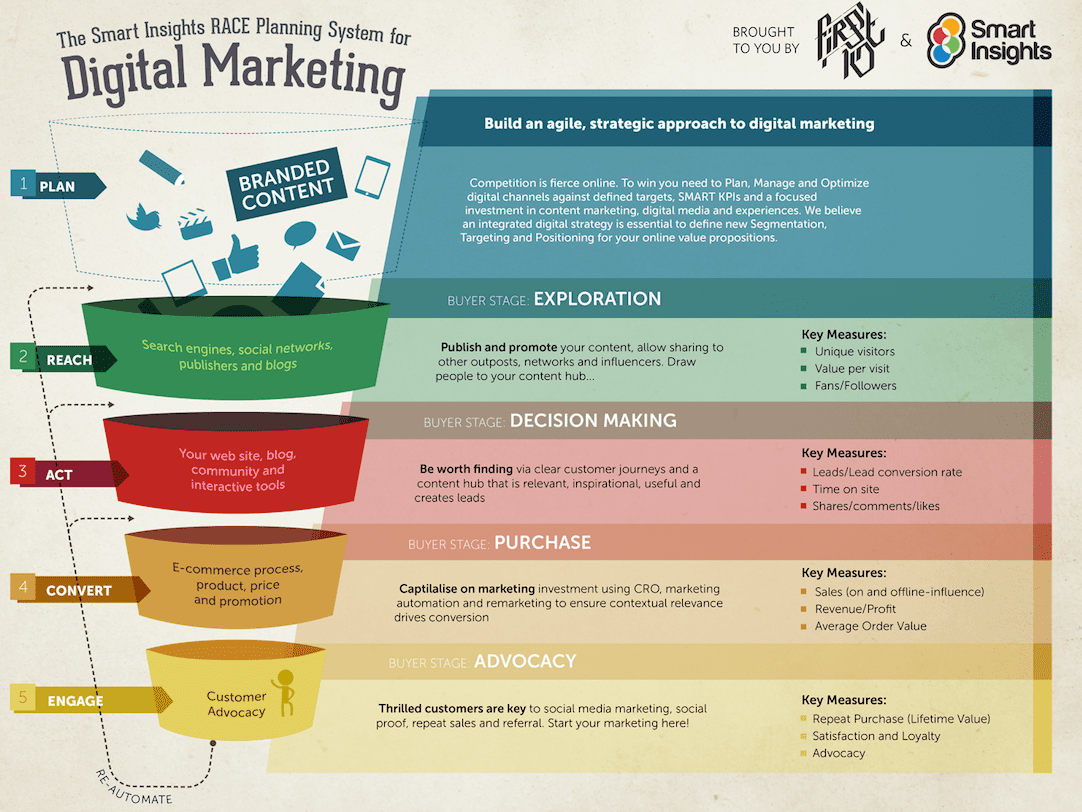
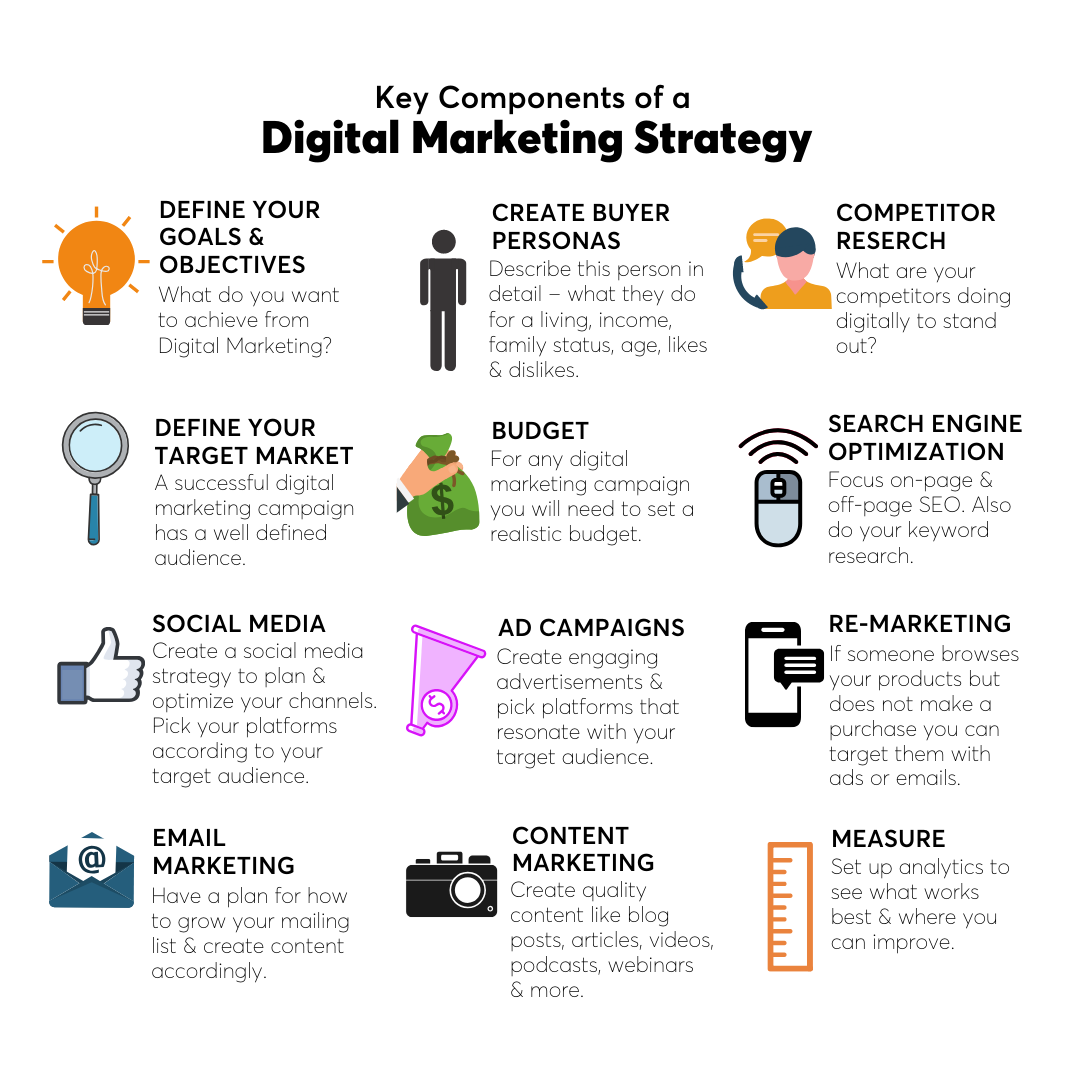
◆The five principles of digital campaigns advocated by Google are as follows.
1. Always think from the consumer’s perspective
2.Understand media usage status
3. Customize creatives individually
4. Test until you are satisfied
5. Create a consistent brand story
◆Utilizing digital technology will not only allow us to gain insights into current consumers, but will also have a major impact on the development of marketing campaigns.