

What is a tag?
/GettyImages-1167680364-b87ba0c2ad964ac9bd4371c7007e178b.jpg)
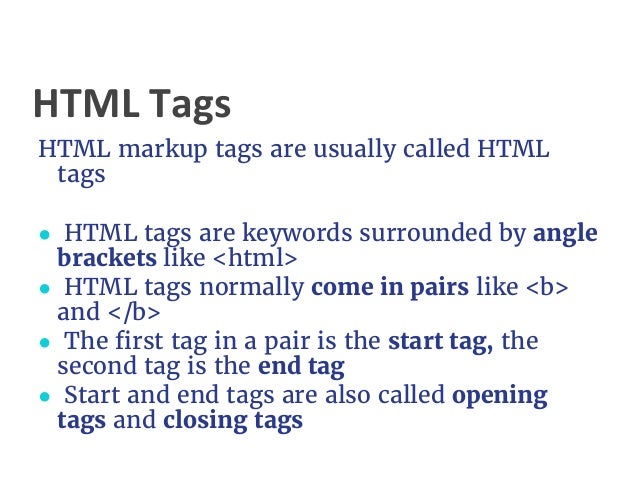
A tag is a statement that specifies how information is displayed on the Internet. The web pages we usually see are displayed on browsers such as Google Chrome and Internet Explorer through
HTML
files.

For example, the above command statements are embedded in HTML files as tags, and the browser reads them to display the web page. In other words, a web page can only be displayed if there is a tag, and you can see that tag instructions are an important element that makes a web page possible.
There are different types of tags, such as tool control tags, conversion tags, and HTML tags.

SEO measures using HTML tags
Even if there are mistakes in the HTML tags, there are basically no penalties from search engines (search programs such as Google or Yahoo!).

For example, Google’s crawler program acquires various information on the Internet, such as websites, images, and
PDFs
, on a daily basis, and is said to be able to correct errors and mistakes in HTML structure and make decisions. Masu.

However, search engine results are displayed based on the information that crawlers move between links in HTML and analyze and create a database, so it is important to have the pages you create recognized correctly.
If your website is not recognized by crawlers, your website will not be displayed as search results. In order for the site you have created to be displayed at the top of search results and seen by many people, it is necessary to optimize the HTML and implement effective
SEO
measures.
Specifically, put keywords in the appropriate distribution in “h1 to h4”, put appropriate keywords in the embedded link of “tag” to increase the crawler circulation rate, and be careful about broken links. Examples include:
h1: Main heading (title)
h2: Medium heading (chapter, table of contents, etc.)
h3: Subheading (key points of each chapter)
h4: Super small heading (supplementary smaller than h3)
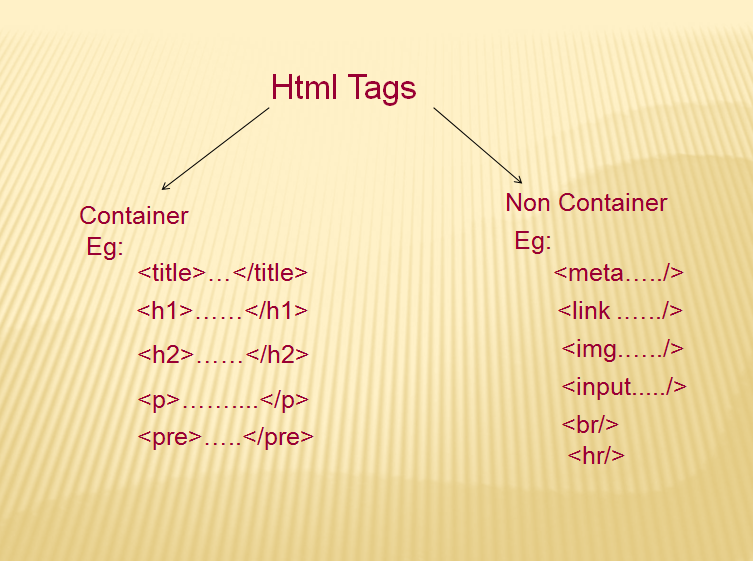
The heading tags “h1-h4” are important for both users and search engines. Headings are important clues to understand the content of a website. Include keywords that are frequently searched for or that are easy for users to find in your headlines.

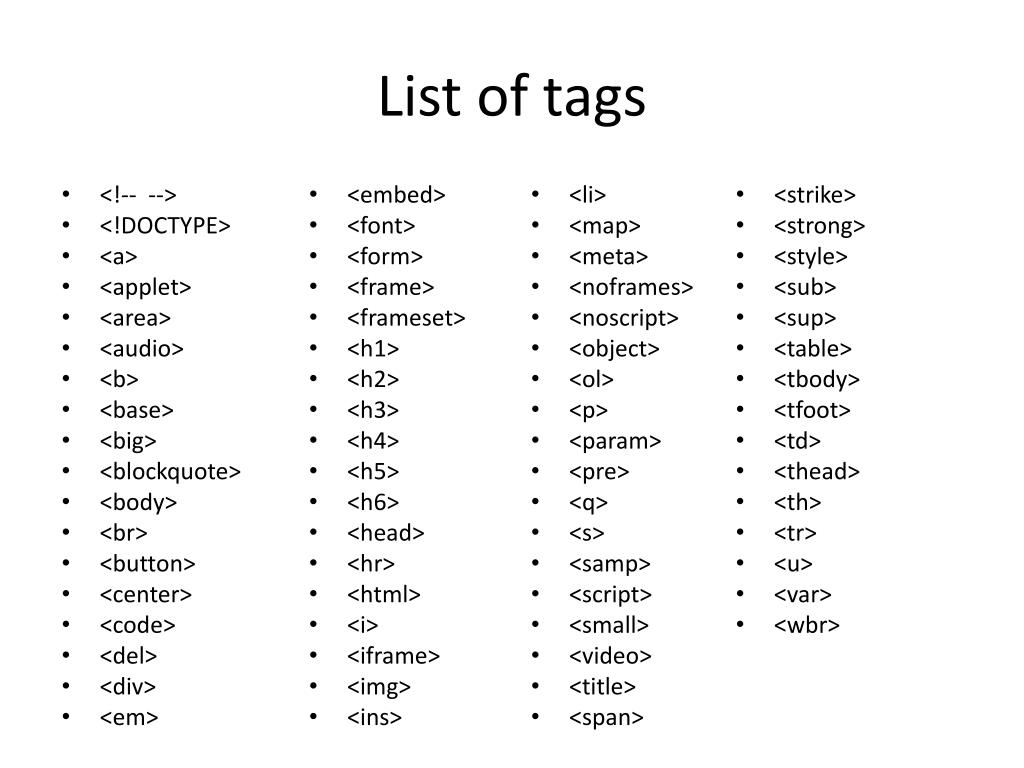
Similarly, it is important to include appropriate keywords that clearly describe the content of the <a> tag links.
Reference article
