What is a platform?
Platform is an English word that means “pedestal, plateau, stage.” Especially in the
IT
context, it refers to the environment that serves as the foundation or base for providing services, systems, and software.
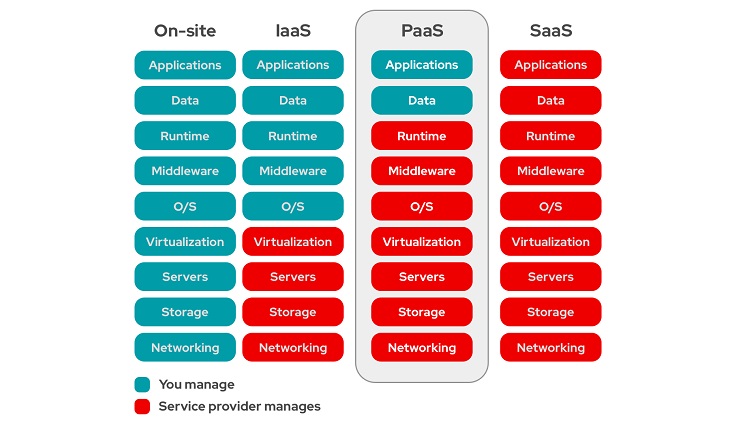
For example, in order to run an application on a computer or smartphone, an OS is required as a platform. On the other hand, the App Store and Google Play, which are used to download apps on smartphones, can also be considered platforms for distributing content. Additionally, search engines such as Google and e-commerce sites such as Amazon can be considered
online
platforms in that they are web services provided on the Internet and are used by many people. In this way, the term platform can refer to a wide range of meanings.

platform strategy
Platform strategy is a strategy that aims to build a platform as a place to exchange information, products, services, etc., regardless of industry or business type. In particular, such businesses are called platformers.
The reason why platform strategy has started to attract attention is the spread of the Internet. It can be said that Twitter and Facebook have grown into platforms used by people all over the world by providing services on the Internet.
In terms of platform strategy, as the number of users increases, the content and services become more useful, and as a result, the value of the platform as a whole increases. This in turn creates a virtuous cycle in which the number of users using the platform further increases.
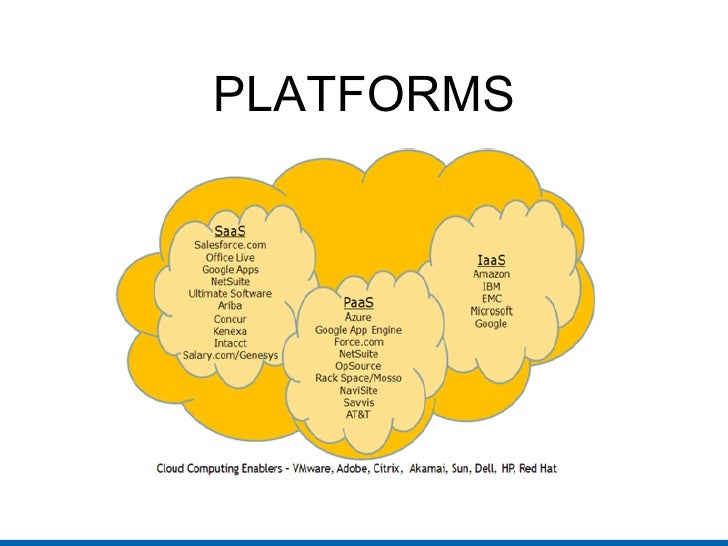
The platform also allows us to collect more data as more companies and users use our services. For example, the attributes of companies using the platform can be analyzed and used for
marketing
purposes. In this way, we can expect to create new value by analyzing the big data of companies using the platform.

Reference article