

Segmentation is the process of dividing the market into various categories and grouping them into smaller groups. These small groups are called segments, and the process of deciding which segment to target is called
targeting
.
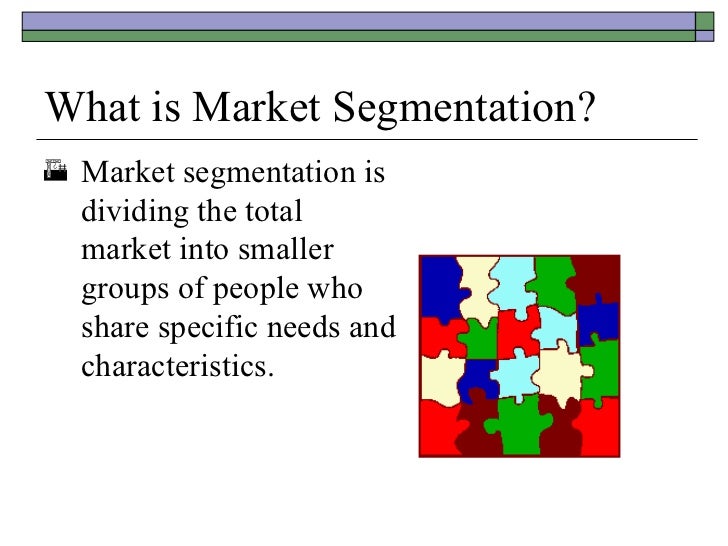
Segmentation is the basis of
marketing strategy
. By performing segmentation, you can identify groups with specific
needs
and concentrate management resources there.
Segmentation points

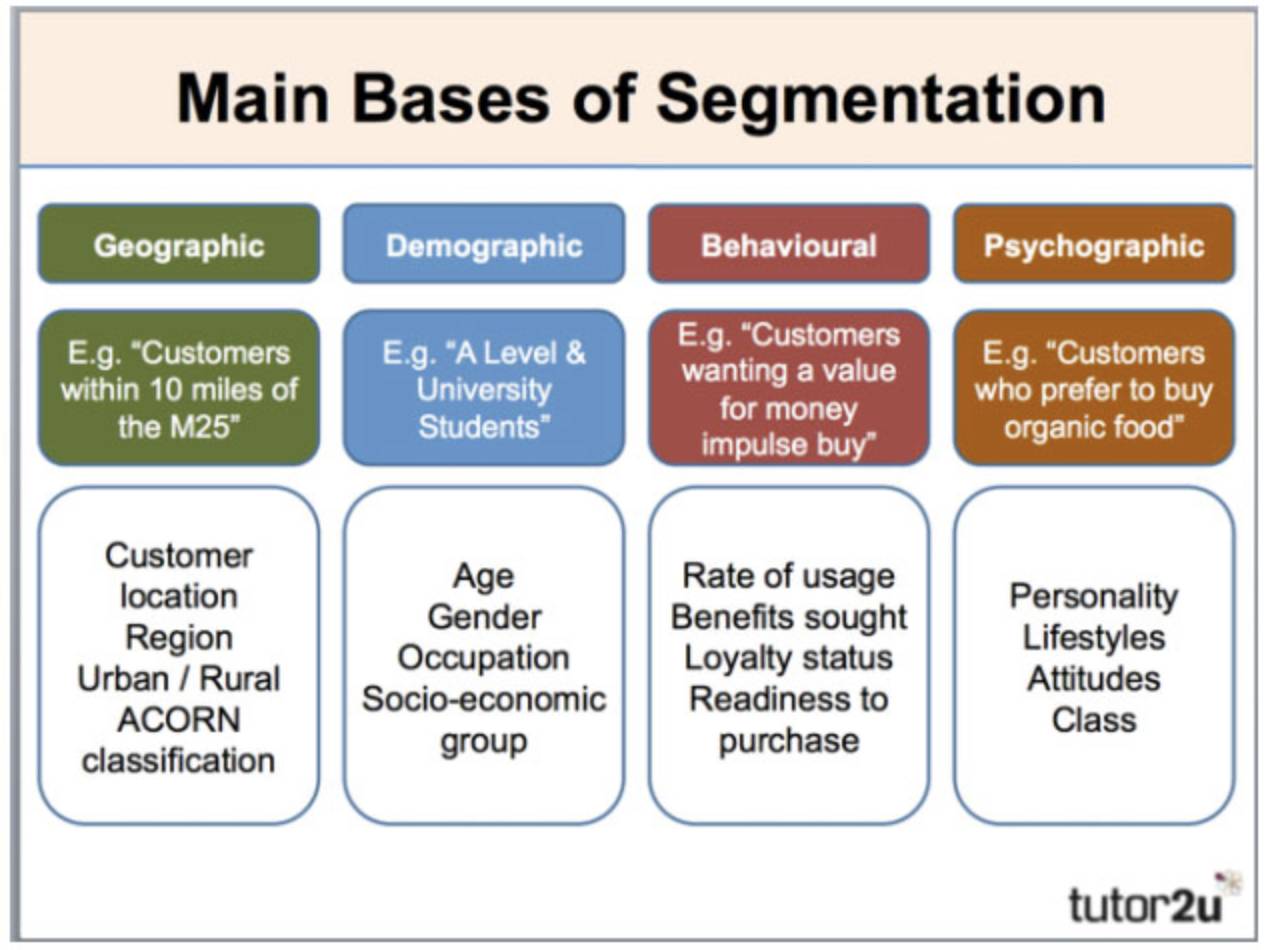
In segmentation, it is important to find axes and angles (variables) that are meaningful for your company. Variables commonly used in segmentation of consumer goods markets, where the customer is individual consumers, include:
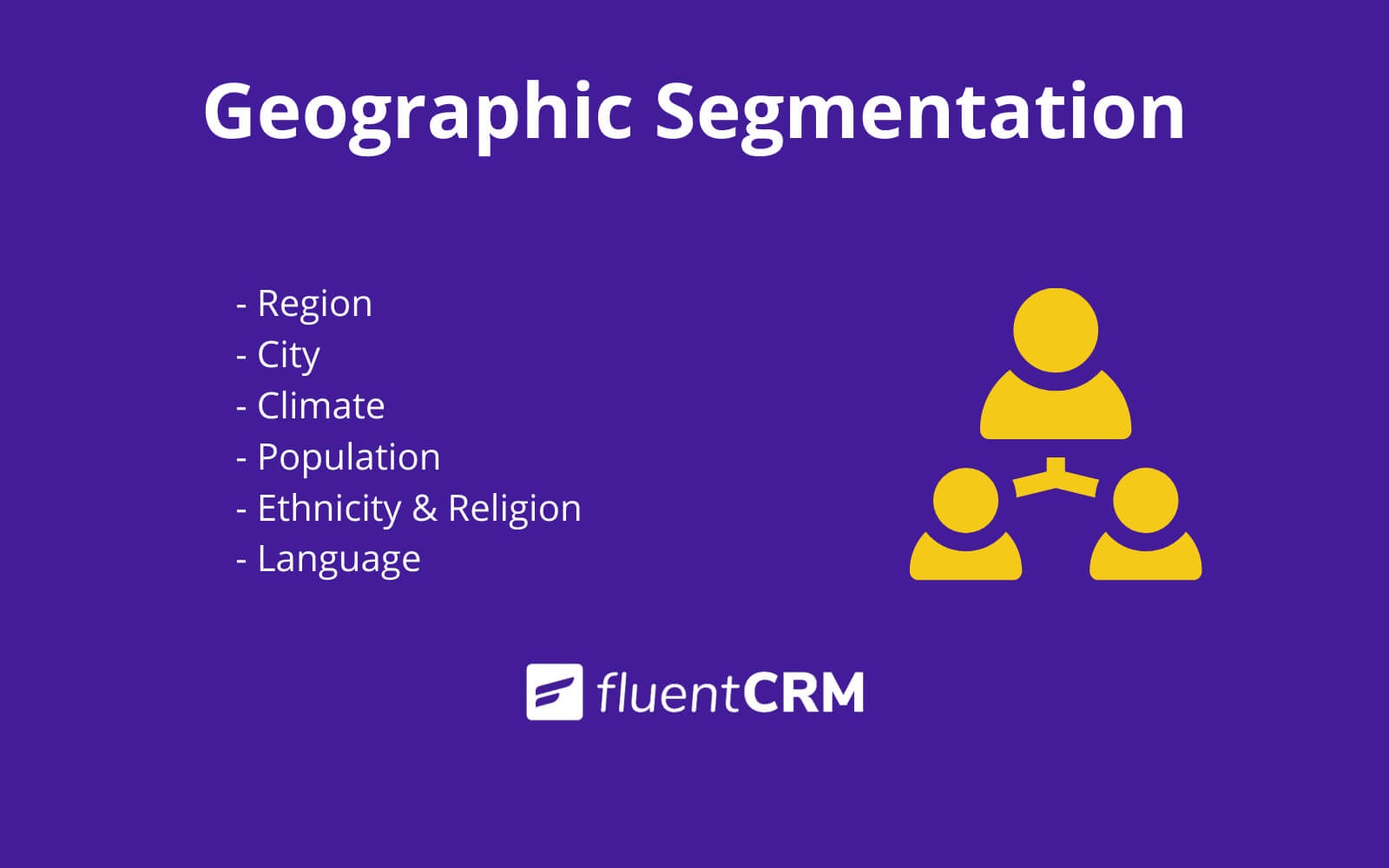
- Geographic variables (geographic):
Country, region, climate, population density, culture, government regulations, degree of urbanization, scope of customer activity, etc.
- Demographic distribution:
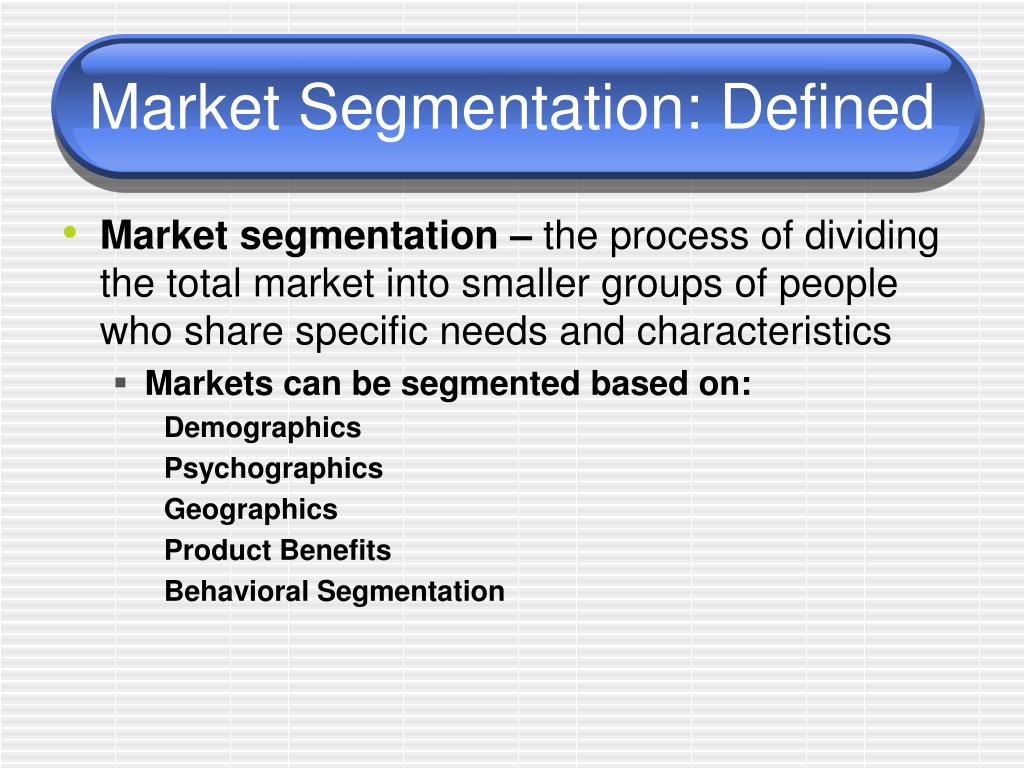
Gender, age, occupation, family structure, income level, educational background, religion, race, nationality, etc.
- Psychological variables (psychographic):
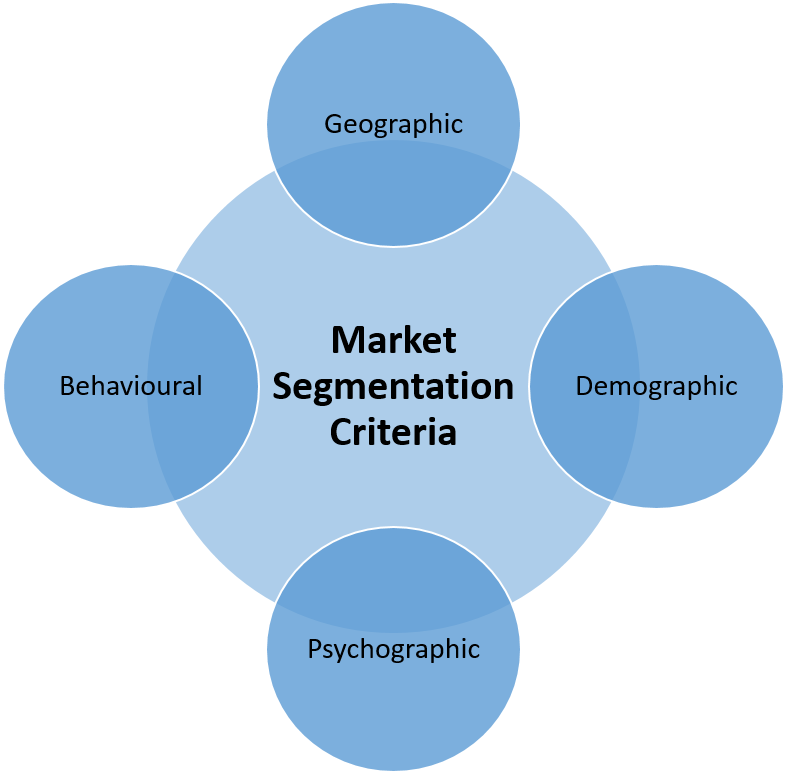
Lifestyle, values, personality, social class, purchasing motives, etc.
- Behavioral variables:

Purchasing activities, frequency of use, desired benefits, purchasing patterns, etc.
On the other hand, when segmenting the producer goods market, the target customers are corporations, government agencies, and other organizations, so in addition to the above variables, multiple variables such as usage frequency, usage status, purchasing method, and buyer characteristics are used to segment the market. It is necessary to divide them carefully.

Reference article

Related terms
Related materials: