

When thinking about surveying users for the first time, various questions arise, such as “I don’t know what kind of questions to ask” and “How many options should I provide for each option?” I think it will come. Surveys are not as simple as just asking questions and getting good results, so careful preparation is very important.
In this article, we will provide an overview of surveys, an overview of market research, and the characteristics of high-quality and low-quality surveys. We will also introduce the steps to actually create a survey and an example of the content that can be created based on the survey, so please use it as a reference.
What is a questionnaire?
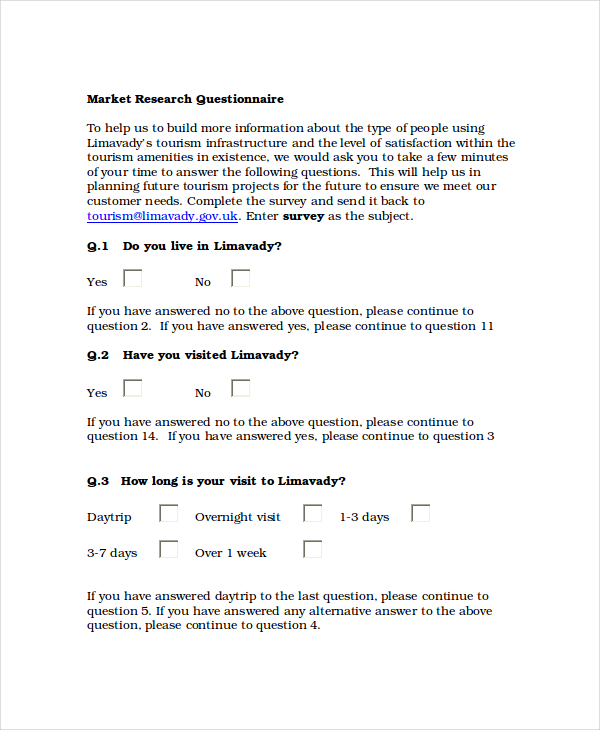
A survey is a survey conducted among experts and users who already have knowledge of the information you want to obtain. The specific method is to distribute self-administered questionnaires and ask for opinions, and it is assumed that the users targeted for the questionnaire already have a certain level of knowledge.
The origin of questionnaires is said to be statistical surveys conducted in the United Kingdom, and these days they are used in a wide range of fields such as market research and journalism research. Although it is assumed that the questionnaire will be self-administered, telephone, postcard, and internet surveys are also becoming more common.
・Effectiveness of questionnaire surveys in BtoB companies
What is market research?
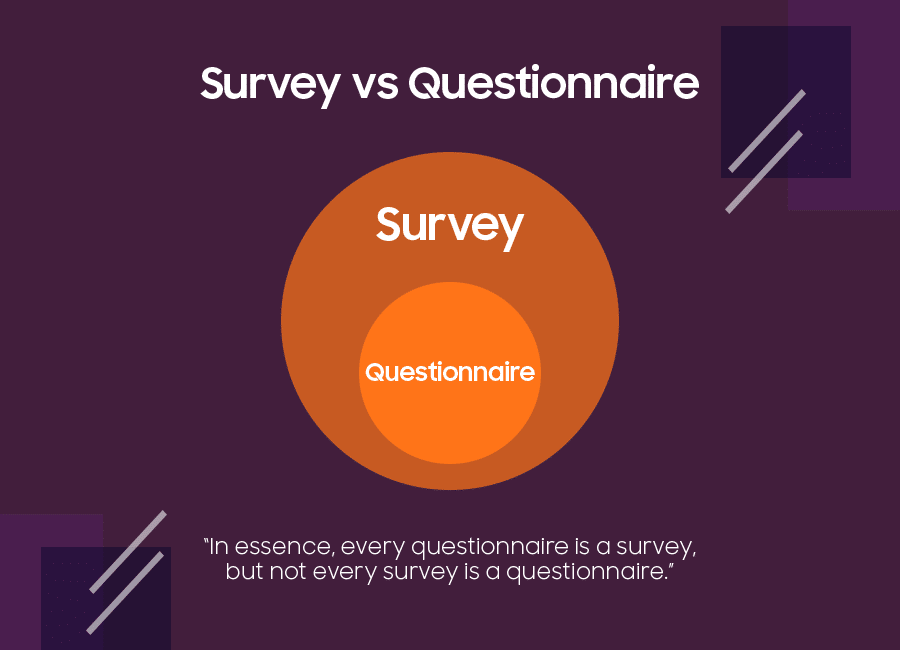
Market research is a similar word to survey. However, strictly speaking, surveys and market research have different meanings. Questionnaires are as mentioned above, but market research is the process of compiling and quantifying information to understand the current state of the market and plan
marketing
measures. Therefore, surveys are only a part of market research, and market research goes so far as to formulate marketing measures based on the results of the surveys.
Market research is also called market research, but it has a different meaning from marketing research.
Marketing research
is a broader term than market research, and involves conducting research that includes future market predictions. Specifically, based on the results of surveys obtained from users, we identify potential concerns that users may have and develop products that can solve those concerns.
Understand that market research and marketing research are different words, and remember that surveys are part of them.
Characteristics of poor quality surveys
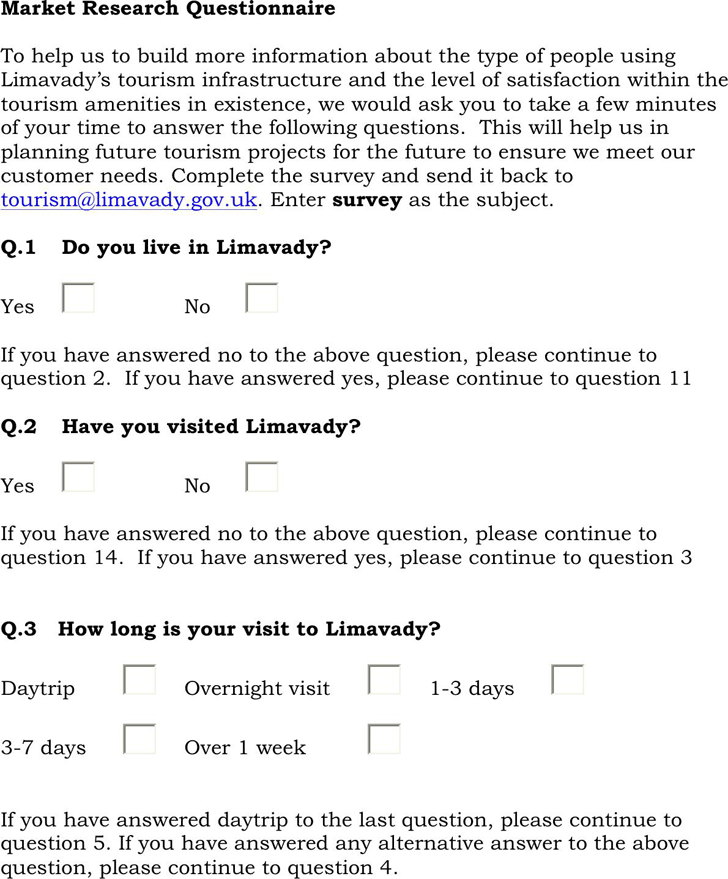
So far, we have explained the outline of questionnaires and the difference from market research. Here, we will explain the characteristics of low-quality surveys. A low-quality survey is one that has the following characteristics:
- Questions are qualitative
- Lack of prior research
For example, let’s say you’re taking a survey about mail-order products. At this time, mail-order products are divided into “single purchase” and “regular purchase,” so even if you simply ask the user, “What is your reason for purchasing the product?”, it will depend on the method of purchase. The answer will change. In that case, if you cannot fill in the answers according to the purchase method, it will not be a MECE survey.
If you conduct a poor-quality survey, even if you do get responses from users, you won’t be able to use that data to determine what specific actions your company should take next. Therefore, be sure to refer to the characteristics of a high-quality survey explained in the next section and make it clear what actions your company should take.
Characteristics of a high-quality survey
Earlier, I explained the characteristics of low-quality surveys. Next, we will explain the characteristics of a high-quality survey.
- Accurate preliminary research on respondents
- MECE questions are set up
- Can be described quantitatively, such as by converting it into numbers.
Basically, you can get a high-quality survey by doing the exact opposite of a low-quality survey. Specifically, the content of the survey may be different for individual purchases and regular purchases, and for regular purchase users, questions may be asked, “Why did you decide to purchase the product again?” Masu. The more specific the answers you get here, the higher the probability of success for your company’s future marketing measures.
How to create surveys useful for marketing
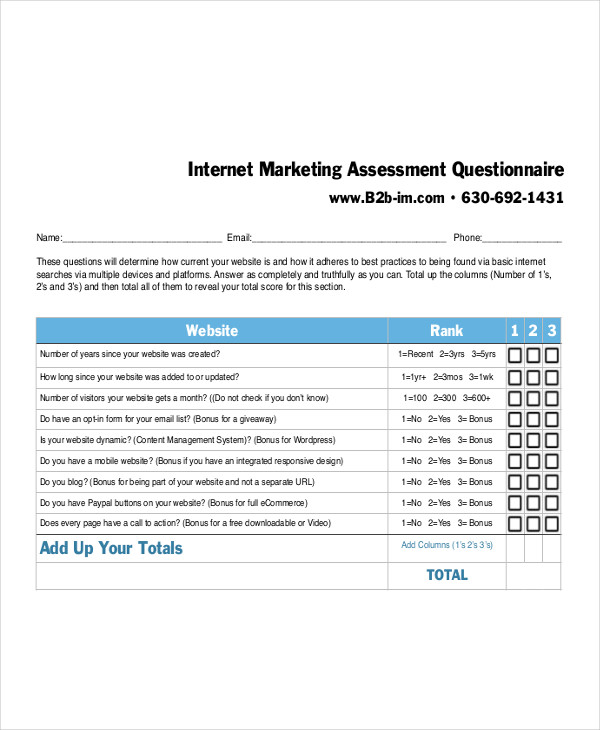
So far, we have explained the overview of surveys, the difference from market research, and the characteristics of high-quality surveys. A high-quality survey will help you plan future marketing efforts. Here we will show you how to create surveys that are useful for marketing.
- Clarify your purpose and formulate a hypothesis
- Assuming the desired response group and deciding on the implementation method
- Decide on the essential content you want to ask the respondent group.
- Think of ways to answer the questions you want to ask so that you can collect as many samples as possible.
- Decide on the wording of each question
- decide the order of questions
Let’s look at each in turn.

Clarify your purpose and formulate a hypothesis
It is important to decide in advance what information you want to collect, rather than just vaguely taking a survey. Please consider the following points before taking the survey.
- Probability of conducting a survey
- What kind of survey results do you want to get?
- How to use survey results
By determining these, you will be able to utilize the survey results accurately.

Assuming the desired response group and deciding on the implementation method
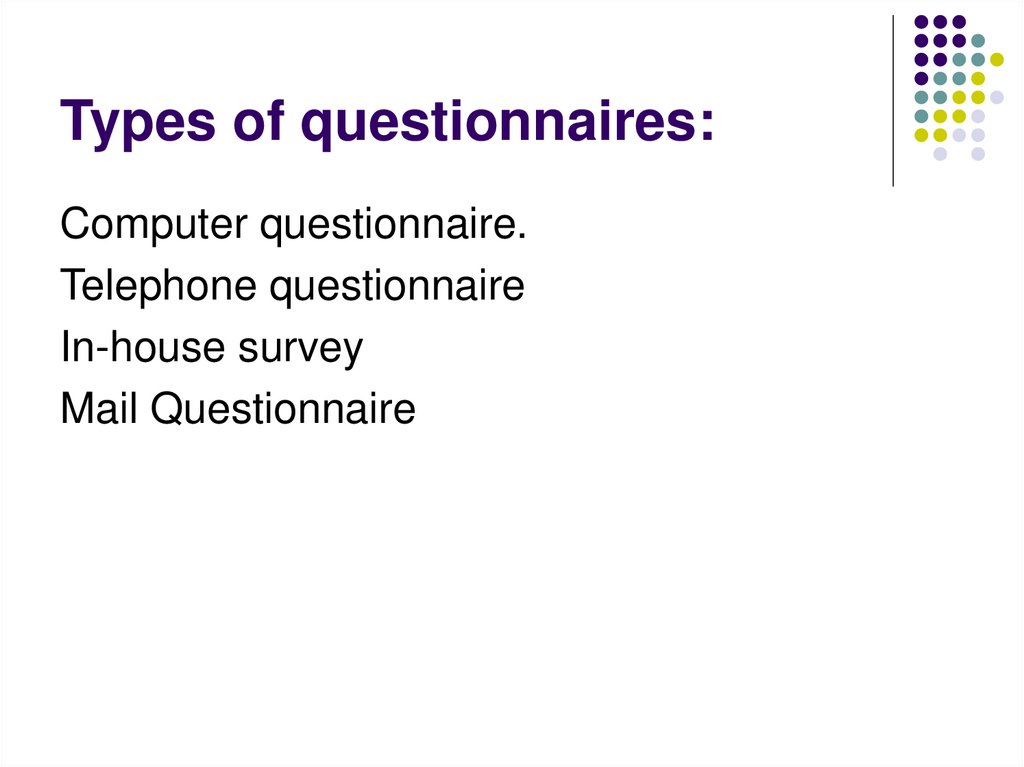
There are various ways to collect questionnaires, including by telephone, postcard, and the Internet. In recent years, collection over the Internet has become more popular due to the ease and cost of collection. However, it is important to choose a method that is appropriate for the demographics of the respondents. For example, in an extreme example, let’s say you want to conduct a survey of 1,000 people in their 80s. In this case, it is rare for people in their 80s to respond to questionnaires on the Internet, so you can see that it would be extremely inefficient. Therefore, it is important to narrow down the respondents’ age, gender, income status, etc., and decide on a collection method that suits them.
Decide on the essential content you want to ask the respondent group.
Once you have sorted out the purpose of the survey, who will respond, and how it will be collected, the next step is to decide on the specific questions. At that time, decide on the question format based on the purpose explained in the first step. For example, suppose your purpose is “I want to know why other companies’ products with higher prices are selling better than my own.” Next, let’s assume that the reason why other companies’ products sell better is because of their “package design.” Based on this hypothesis, we set the question “Which package would you choose, your own or another company’s?” If the user chooses another company, we will allow them to select a more specific reason using a multiple-choice format, such as “Because it feels luxurious” or “Because it whets their appetite.”
In this way, it is important to narrow down your questions to be specific to your company’s objectives.
Think of ways to answer the questions you want to ask so that you can collect as many samples as possible.
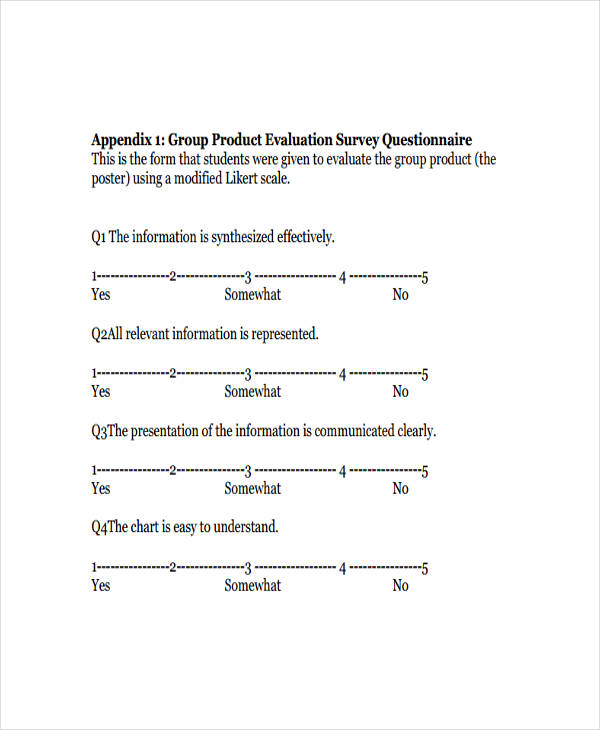
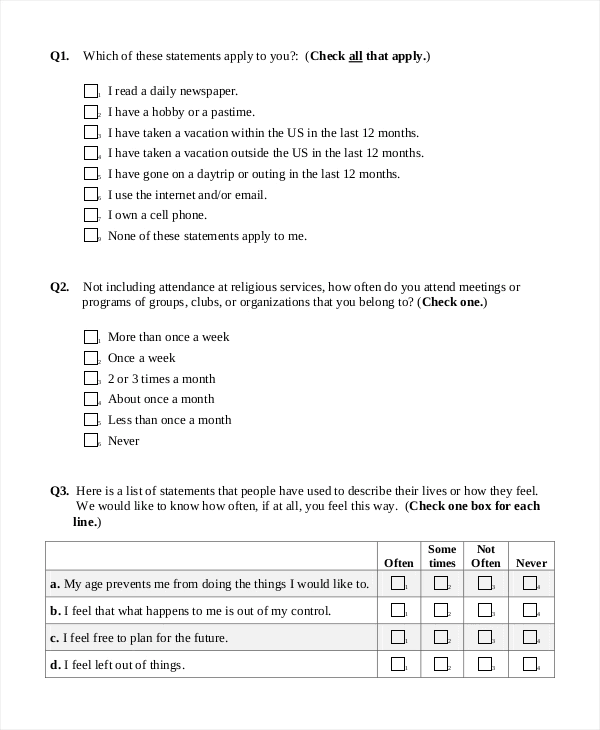
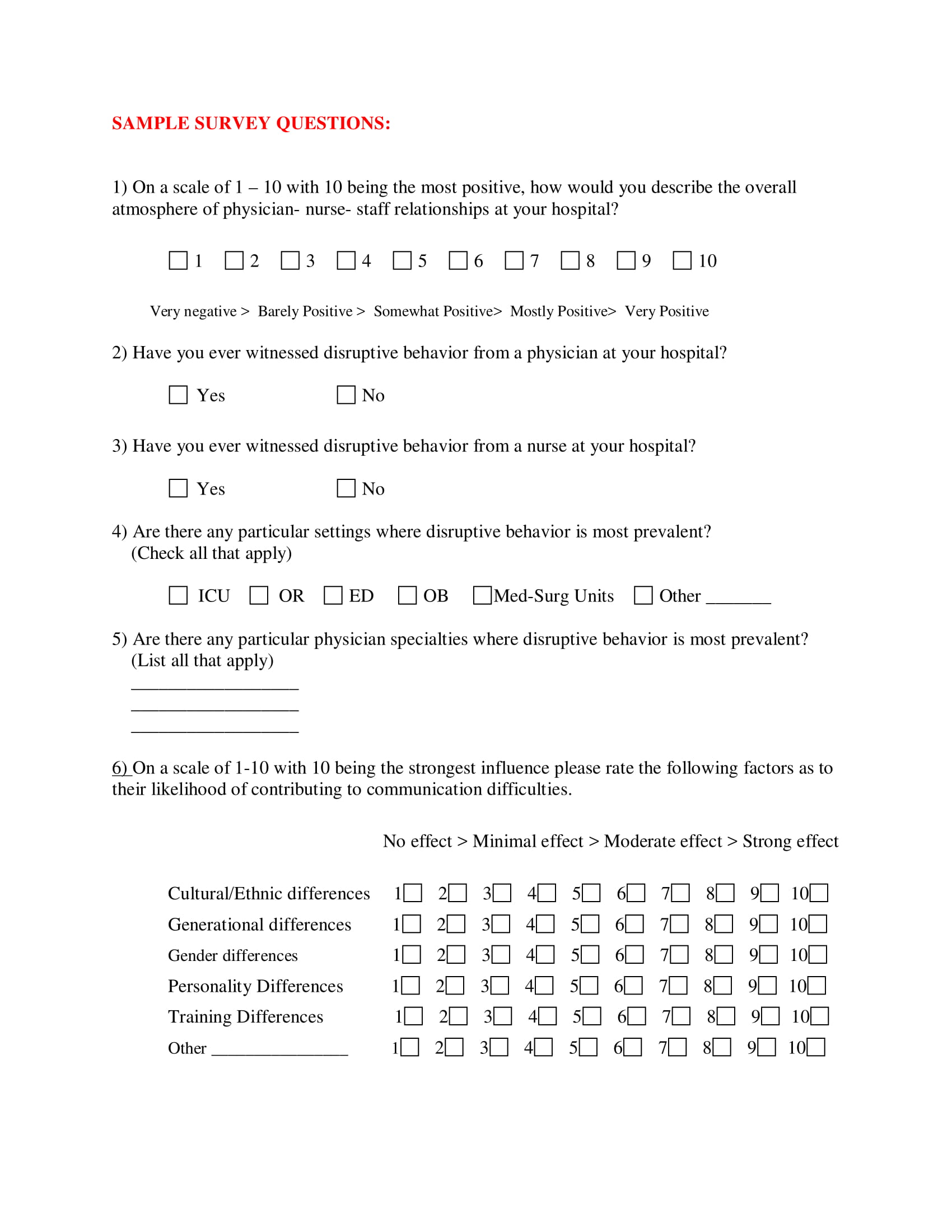
Typical answer formats include the following.
- single answer
- Multiple answers
- free answer
There are other methods such as limited, SD method, matrix, etc., but I think it would be a good idea to start by creating one based on the three points above.
It is also important to provide different answer formats for questions.
Decide on the wording of each question
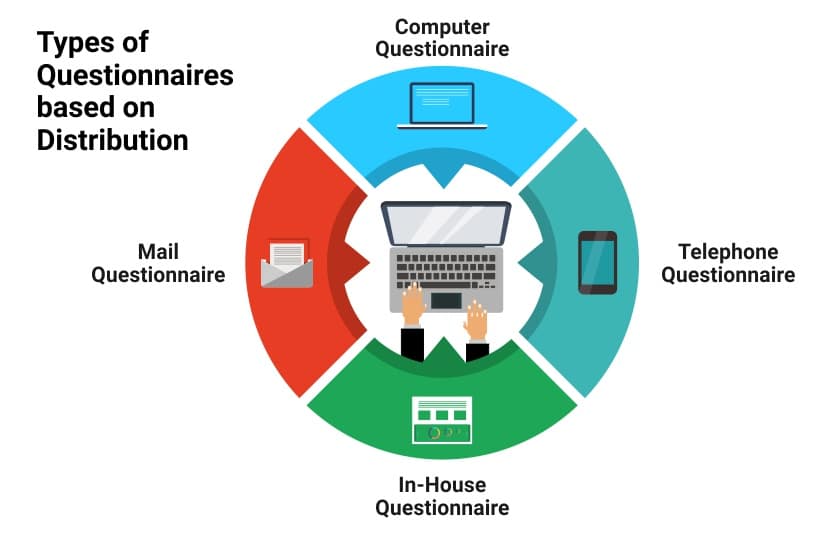
Decide how specific your questions will be. For example, asking “How much of 〇〇 did you use?” in response to a question about a certain product is a bad example of a lack of specificity. On the other hand, a good example is if you ask the question, “How much did you use 〇〇 in the past year?”, you can get specific data for the past year.
In this way, decide on the wording of each question and devise ways to get specific answers.
determine the order of questions
Asking questions in the wrong order can create bias or bias among users. However, of course, if these problems arise, you will not be able to get a good answer. Therefore, it is effective to give questions a chronological order, such as “past → present → future.”
How to efficiently utilize data obtained from surveys
So far, we have explained the overview of surveys and how to conduct surveys that can be used for marketing. Finally, we will explain how to effectively utilize the data obtained from surveys.
- white paper
- Graph and create infographics
Let’s look at each in turn.
white paper
A white paper
is a document that summarizes specific information and can be downloaded from
websites
, advertisements, etc. In the beauty industry, we compile information on the latest cosmetics trends and things to keep in mind when applying makeup, and in the apparel industry, we compile materials such as popular materials and prices.
The great thing about whitepapers is that in addition to providing information to people who are looking for it, you can also acquire a list of users. If you make an inquiry from your homepage, you can obtain lead information such as the user’s phone number and email address, so you can use this information to promote your next new product or service.
Graph and create infographics
Another option is to graph the data obtained through surveys and create infographics. In addition to getting traffic from Google Image Search, having an infographic on your website can also help you get backlinks from citations. Additionally, by advertising your survey results and infographics on news sites, you may be able to temporarily attract a large number of visitors.
・Explanation of infographics that are attracting attention in content marketing!
・White paper download material creation hack
・What is a white paper that can get many leads?
summary
In this article, we explained the outline of surveys, the outline of market research, and how to actually conduct surveys. High-quality surveys have more specific questions, making a clear difference in the results compared to lower-quality surveys. In order to create a high-quality survey, it is important to decide on the order of questions and consider the overall volume. In order to create a survey that is useful for marketing, why not start by deciding what information you want to collect for your company?