

Many of you may have had the experience of suddenly accessing a web advertisement you were interested in, only to find out that it was a vertically long website with only one page. This is a site aimed at improving conversions and is called LP.
This time, we will understand the LP in detail while introducing the difference between
the homepage
and the top page.
What is an LP?
LP is an abbreviation for landing page, which refers to the web page that a user first arrives at via a search engine, web advertisement, etc. There are two LPs, one in a broad sense and one in a narrow sense. In a broad sense, LP is the first page that a user sees when they arrive at your homepage. Also, the Google Analytics landing page says about this LP.
On the other hand, LP in a narrow sense refers to a product/service introduction page whose purpose is to induce user action. In the marketing field, this LP is often referred to.
Our most important goal is
, which is a specific action that leads to increased sales, such as purchasing a product or service, requesting information, or making an inquiry.
Therefore, LP eliminates unnecessary information by not posting information other than products and services, and reduces URL links to other pages to increase conversion rates. In a narrow sense, LPs are characterized by a simple, long page structure.
Below is a detailed introduction to LP in a narrow sense.
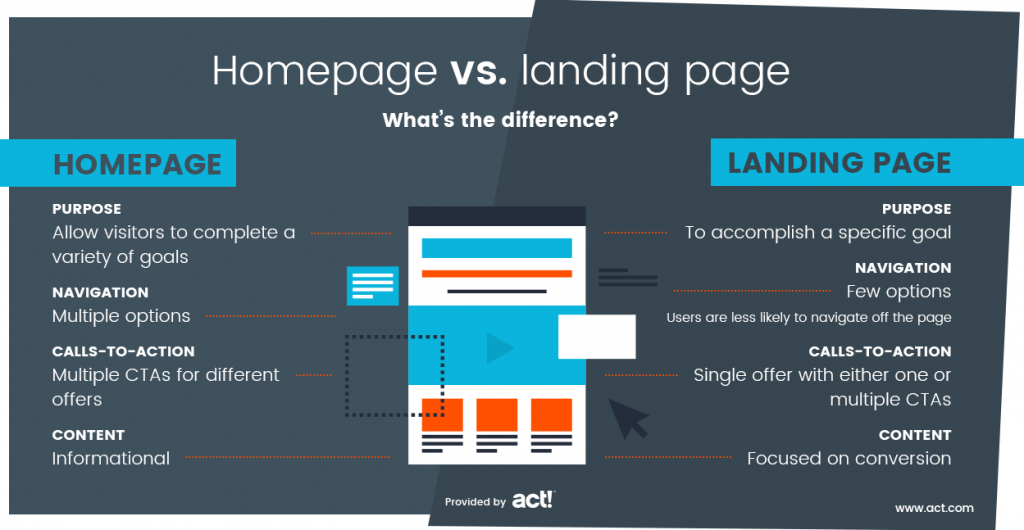
Differences from the homepage
Both LPs and homepages are web pages, but they differ in purpose and structure.
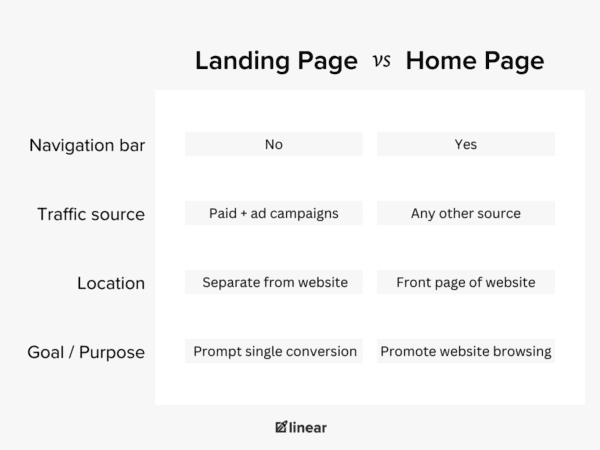
LP purpose and site structure
As mentioned above, LP is designed with thorough conversion in order to increase sales of products and services. The content consists of explanations of products and services, examples of users, and campaign information in order to lead to specific actions such as requesting information or making inquiries.
In order to prevent users from leaving, if you follow this flow and make it a single page, it will naturally become longer. Furthermore, in order to convert, we have narrowed down our target users to a certain extent and have specifically designed
personas
for those targets.
We set details such as age, gender, annual income, hobbies and preferences, family structure, etc. to accurately capture user needs and reflect them in the LP. The overall layout and the buttons leading to the application form are also designed to leave a lasting impression on the target users.

Purpose of the homepage and site structure
The purpose of a homepage is to disseminate information to the intended target. The type of site you choose will depend on the goal you want to achieve.
Examples include corporate pages created for the purpose of conveying corporate information and the latest trends to the company’s stakeholders, and
owned
media recruiting, which carries out recruitment activities while disseminating information through the company’s own media.
They are commonly composed of multiple pages and links, and are designed and designed so that it is easy to transition from the top page to other pages.

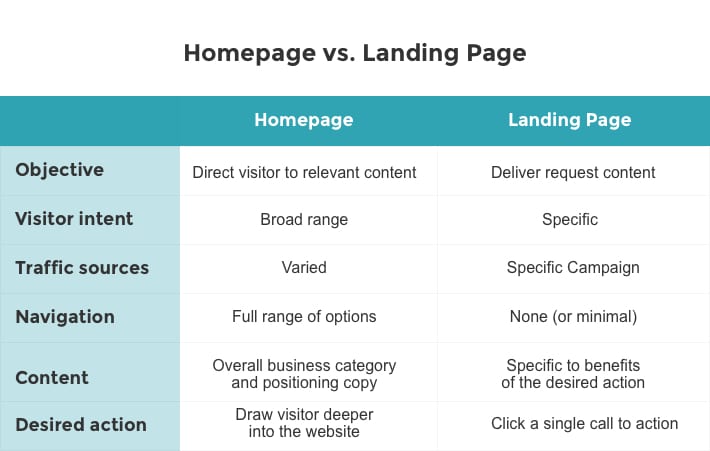
Differences from the top page
Top page is a similar word to LP, but it is completely different. The top page plays an important role as the face of the homepage, and is positioned like the headline of a magazine.
It is assumed that users who visit your homepage already know about your company, products, and services, and are looking for specific information. Therefore, we will introduce the company, products, and services in detail on the top page, and display links to related information pages in the global
navigation
(Gronavi).
The top page is designed to be a gateway to a variety of information so that users can easily access the information they want to know. Additionally, the moment a user accesses a homepage, the home page is the one that decides whether or not to view it, which also affects the bounce rate.
Advantages and disadvantages of LP
LP is a vertically long one-page site with few URL links. Therefore, each has its advantages and disadvantages.

merit
①Improve conversion
In order to stimulate user interest, LP eliminates unnecessary information and limits it to only the necessary information. In addition, it is expected to improve conversion by appealing to users with a memorable design and guiding them to requests for information and inquiries.

② Suppress withdrawal
LP uses fewer URL links to prevent users from leaving the page. This makes it easier for users to reach the application form.
③ Tell them in the best order
All product/service information is consolidated on one page, so users can understand the product/service by reading the LP vertically. Another advantage is that you can convey information in the optimal order to stimulate user interest.
④Easy to improve effects
Since the LP is a simple one page, it is easy to understand the effectiveness and make improvements. You can understand the content that users are interested in and the content that they are abandoning, making it easier to improve the content by replacing or modifying it.

Disadvantages
① High bounce rate
Since LP is aimed at conversions such as requests for information and inquiries, the bounce rate is high. Also, due to its long length, many users drop out midway.
②Weak in SEO
In order to arouse user interest, LP mainly relies on a distinctive design, minimal product/service information, and advertisements. As a result, pages tend to be difficult to evaluate on search engines and are weak for
SEO
.
③Incurrence of costs
Since the design is unique, the production cost will also be higher. Also, if you try to prepare different LPs for different targets for the same product or service, you will need to pay for each page.

summary
We explained the difference between homepages and top pages, as well as LPs. LP is easy to verify and improve its effectiveness, and can be expected to improve conversion. Let’s actively utilize it to improve sales of products and services.
Switch Plus, an integrated
CMS
and
marketing automation (MA)
tool, allows you to easily create LPs using templates.