

In recent years, the number of people who enjoy shopping using
e-commerce
sites has increased, and there are many opportunities to enter personal information such as credit card numbers and addresses online. On the other hand, it cannot be overlooked that incidents such as phishing scams and personal information leaks are on the rise.
SSL technology is essential for increasing the security of websites and other sites to prevent important personal information from being stolen by third parties. In this article, we will introduce an overview of SSL, the benefits of converting your website to SSL, and how to implement it.
What is SSL?
SSL is an abbreviation for Secure Socket Layer, and is a type of mechanism for encrypting data sent and received over the Internet.
SSL is widely used to prevent information from being stolen by third parties, mainly on websites that handle credit card numbers and personal information that should generally be kept confidential.
In addition to encryption, SSL also uses electronic certificates to prove the identity of the communication partner and prevent impersonation, contributing to the safety and security of the Internet.

Difference between SSL and TLS
TLS is one of the mechanisms that is very similar to SSL. TLS stands for Transport Layer Security and is a standard internet protocol for encrypting email to ensure privacy and secure delivery.
TLS helps prevent unauthorized access to email sent over your Internet connection.
In short, TLS is the next generation standard for SSL. What is commonly called SSL often actually refers to TLS. In some cases, both are referred to as SSL/TLS.
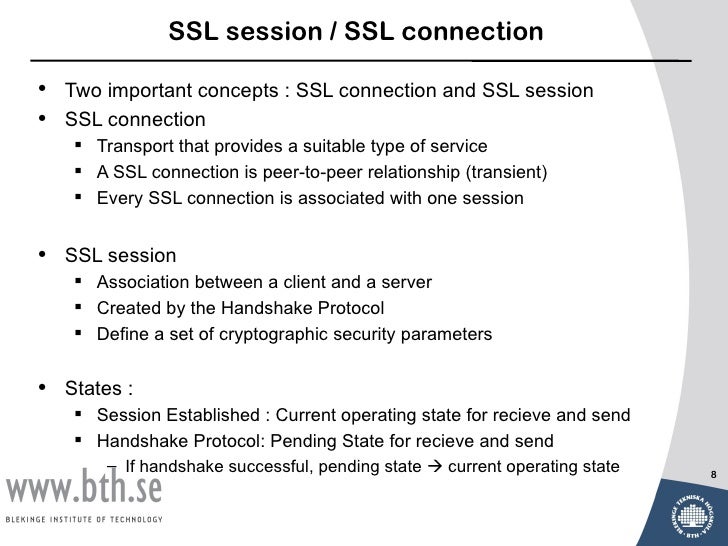
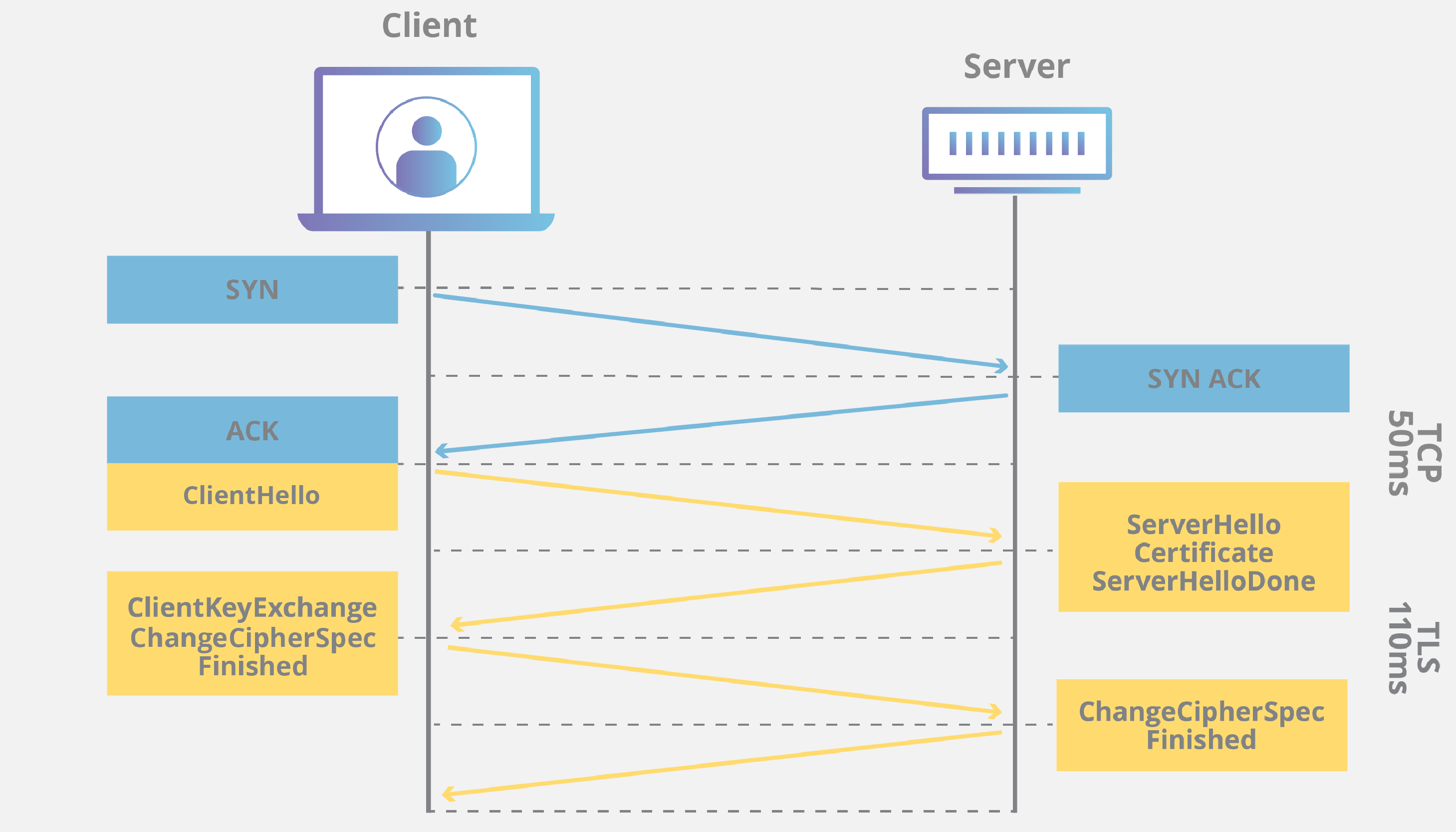
How SSL works
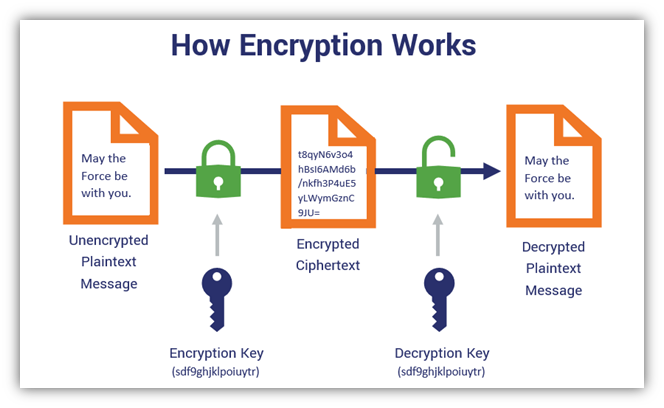
SSL performs encryption using two types of mechanisms: common key cryptography and public key cryptography. Even if someone intercepts the encrypted text, a third party who does not hold the private key will not be able to decipher the information. Through this mechanism, SSL prevents information leaks.
When a communication request is sent from the client side (user side using a computer, etc.), public key information is first sent from
the server
side. Next, a common key is generated on the client side based on the public key information and sent to the server side. Then, the client side sends data such as personal information and payment information encrypted using the generated private key to the server side, and the server side restores the data using the common key received from the client side in advance. I will. This is the general mechanism of SSL.

Difference between “HTTPS” and “HTTP”, which are closely related to SSL
There are two mechanisms that are closely related to SSL: HTTPS and HTTP. Let’s explain the difference between HTTPS and HTTP here.
HTTPS is an “SSL-enabled” mechanism
HTTPS
is an abbreviation for Hypertext Transfer Protocol Secure, which is a type of mechanism for displaying the contents of a homepage in a web browser. HTTPS uses SSL encryption technology to improve security.
In the case of HTTPS, the first part of the website
address
is “https://” instead of “http://”, which makes it easier to understand. In other words, if a website address starts with “https://”, you can tell that the data exchange is encrypted.

HTTP is a “non-SSL” mechanism
HTTP is an abbreviation for Hypertext Transfer Protocol, and is the word without the S in HTTPS. Like HTTPS, HTTP is also a type of protocol used to send and receive data between a web server and a web client.
However, in the case of HTTP, the communication content is not encrypted during data communication. Therefore, if you enter or send data on a website that uses http communication, there is a risk that the content of your communication may be revealed to a malicious third party.

Benefits of making your website SSL
So far, we have explained SSL in detail. So, what kind of benefits can you get by actually implementing SSL? Here we will introduce the benefits of installing SSL on your website.
Preventing phishing scams
One of the benefits of installing SSL on your website is that it can prevent phishing scams. Phishing is a type of
online
fraud that uses fake emails to lure users to fake websites and steal passwords, credit numbers, personal information, etc.
Using SSL technology on your website can prevent phishing scams. This is because SSL also has the effect of proving the identity of the communication partner through electronic certificates.
If a web page that asks for sensitive information does not use SSL, you may suspect a phishing scam.
Tamper-proof
SSL can also be expected to be effective in preventing data tampering. Tampering refers to the act of altering the display of a website, the data sent and received through communications, and the data exchanged between the website user and the website.
For example, the official website display may be rewritten to display a bug, the ID and password entered on a financial institution’s website may be sent to a third party, or the data being communicated may be rewritten.
By obtaining SSL certification, you can protect the data exchanged between site users and your site. Even in the unlikely event that data is sent or received that has been rewritten, the data will not be trusted as long as SSL certification has been obtained. SSL detects the data as invalid and rejects it.
Eavesdropping prevention
Eavesdropping is the act of eavesdropping on data entered by users of a site. For example, if the ID and password information entered on a financial institution’s website is intercepted, there is a risk that it could be used for unauthorized login.
When using SSL authentication, data exchanged between site users and the site is encrypted and protected. Therefore, even if an unauthorized user intercepts the data, the encrypted data cannot be read.
SSL also has benefits for SEO
Installing SSL on your website can also be expected to be effective in terms of
SEO
. SEO is an abbreviation that stands for Search Engine Optimization, which means
search engine
optimization. These SEO measures are important in order to be displayed at the top of the search engine results screen.
Websites with SSL tend to be highly rated by search engines such as Google as having highly reliable content that users can use with confidence. They are more likely to appear higher in search results than websites that are not SSL-enabled.
A warning screen will be displayed if the website is not SSL-enabled.
Some browsers, such as Google Chrome, display a warning message or screen when you access a website that is not SSL-enabled. Some users who see this warning may become worried about the security of the website and leave the page.
Currently, installing SSL on a website can be said to be a standard approach from a security and SEO perspective. In order to prevent users from leaving your website due to warnings, please implement SSL as soon as possible.
Three types of SSL server certificates
SSL server certificates are issued by a Certification Authority (CA), an organization that issues electronic certificates, after confirming and authenticating the site operator.
Depending on the content checked by the certification authority, there are three levels: “
domain
authentication type,” “corporate authentication type,” and “EV authentication type.” So let’s take a look at the differences between the different types of SSL server certificates.
Domain authentication type
Domain authentication is a mechanism by which a certifier such as a certification authority confirms that the applicant is the owner of the applied domain.
The URL listed in the SSL server certificate cannot be spoofed. By checking the certificate, users can tell whether the URL of the website they are accessing is correct.
Domain authentication type SSL can be issued quickly and at low cost. It is often used to easily encrypt sites that are prepared for a limited time, such as campaign pages.
Corporate certification type
Company certification (company existence certification) is issued after confirming that the organization listed on the certificate legally exists and that the organization is the owner of the domain listed on the certificate. certificate.
Even in the case of corporate authentication type, the organization name written on the certificate cannot be spoofed. Users accessing a website can check the certificate to find out the organization that operates the URL they accessed.
With the corporate authentication type, the organization name is listed in the certifier information, which increases the reliability of the website. It is often used by corporate sites and SNS sites that want to emphasize safety to users.
EV certified type
EV certification is an abbreviation for Extended Validation certification. EV certification is a certificate issued after confirming the legal existence of the domain owner and operating organization listed on the certificate, as well as confirming the organization’s location, intention to apply, and authority. refers to.
EV certification undergoes the most rigorous screening of all SSL server certificates. Therefore, it has a high level of security and is often used in online shops and online banks.

Flow/procedure for introducing SSL
To implement SSL, first create an application form for issuing an SSL server certificate called a signature request. Then, fill in the required information on the certification authority’s application form and actually apply.
If you have any documents necessary for the examination, such as a certified copy of the register or a seal impression certificate, please send them to the certification authority. After that, when you receive the certificate issuance email, download the certificate from the specified URL. Save the
downloaded
certificate on the server and complete the installation process.

summary
On the Internet, there is always a risk that information may be stolen or tampered with by a third party. It is essential for a reliable website to use SSL to ensure communication safety and create an environment where data can be sent and received safely. SSL is also very important for SEO measures.
There are three types of SSL, each with different reliability. When implementing SSL on your company’s website, etc., consider how much reliability you need before proceeding with the application procedure. In order to build a site that users can use with peace of mind, please start using SSL.